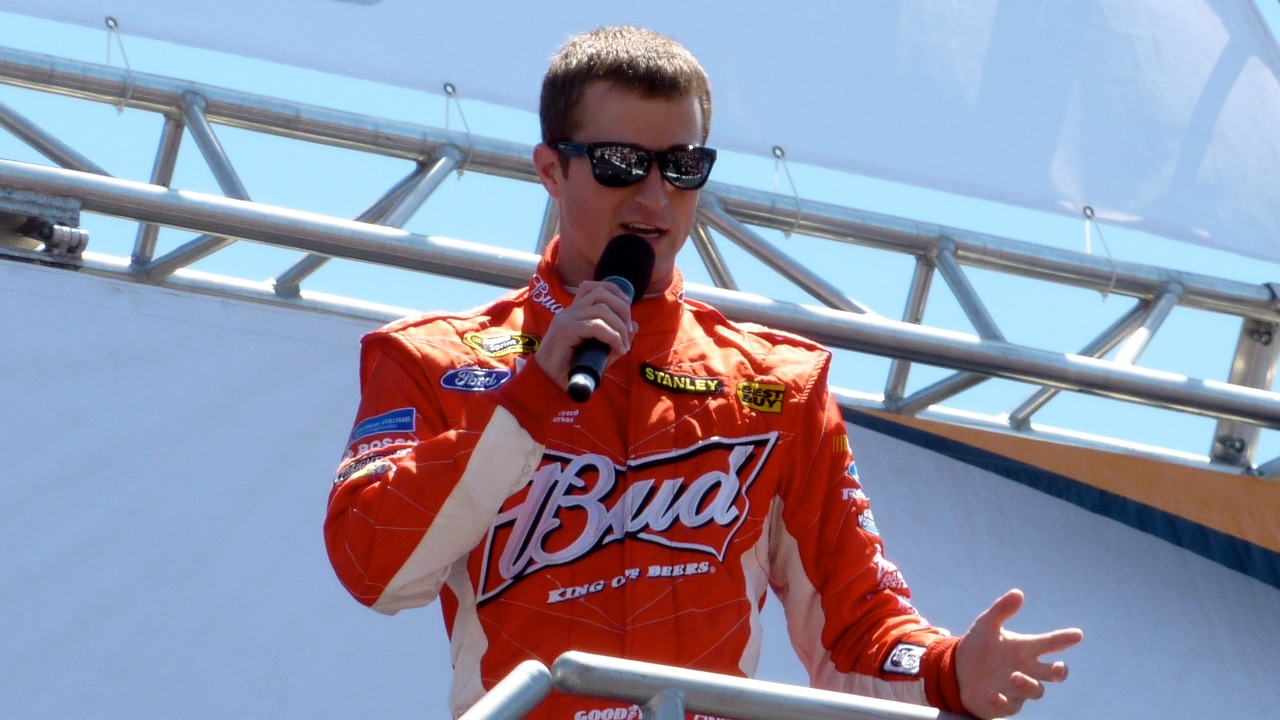
Kasey Kahne’s story has always been framed by speed, but the real measure of his career is how his skill has adapted and sharpened across very different forms of racing. From open-wheel sprint cars to the pressure cooker of the NASCAR Cup Series and now the intensity of elite dirt competition, his trajectory shows a driver whose talent has not faded with time but instead become more focused and complete. I see a veteran whose current form, both behind the wheel and as a team leader, reveals a racer more fully realized than the prodigy who first burst onto the national scene.
What makes Kahne compelling today is not nostalgia for past wins, but the way his early roots, mid-career setbacks, and present-day resurgence fit together into a coherent arc. His evolution from teenage sprint car hopeful to NASCAR star and then to dirt track mainstay underscores a simple truth: his abilities are more versatile and resilient now than at any earlier point in his career.
From Deming to the national stage
To understand why Kahne’s current form feels so refined, I start with where he came from. Long before he was a familiar name in stock cars, Kasey Kenneth Kahne was a teenager learning racecraft in open-wheel sprint cars at Deming Speedway in Deming, Washington, a path he began as young as fourteen according to his own biography and other accounts of his beginnings. That environment, with its unforgiving dirt surfaces and tight margins for error, demanded precision, adaptability, and a feel for changing track conditions that would later become central to his identity as a driver.
Those formative years did not stay local for long. Kahne moved from Deming into the broader USAC ranks, then into national prominence as an American stock car driver, eventually establishing himself in the NASCAR Cup Series as Kasey Kahne, a competitor capable of winning some of the sport’s crown jewel events. His official record as an American professional dirt track racing and stock car racing driver reflects that dual identity, with his early sprint car education feeding directly into the smooth, controlled aggression that defined his Cup career, as documented in his career history. When I look at his current performances on dirt, I see the same foundation, only now layered with decades of big-race experience.
NASCAR success and an abrupt exit
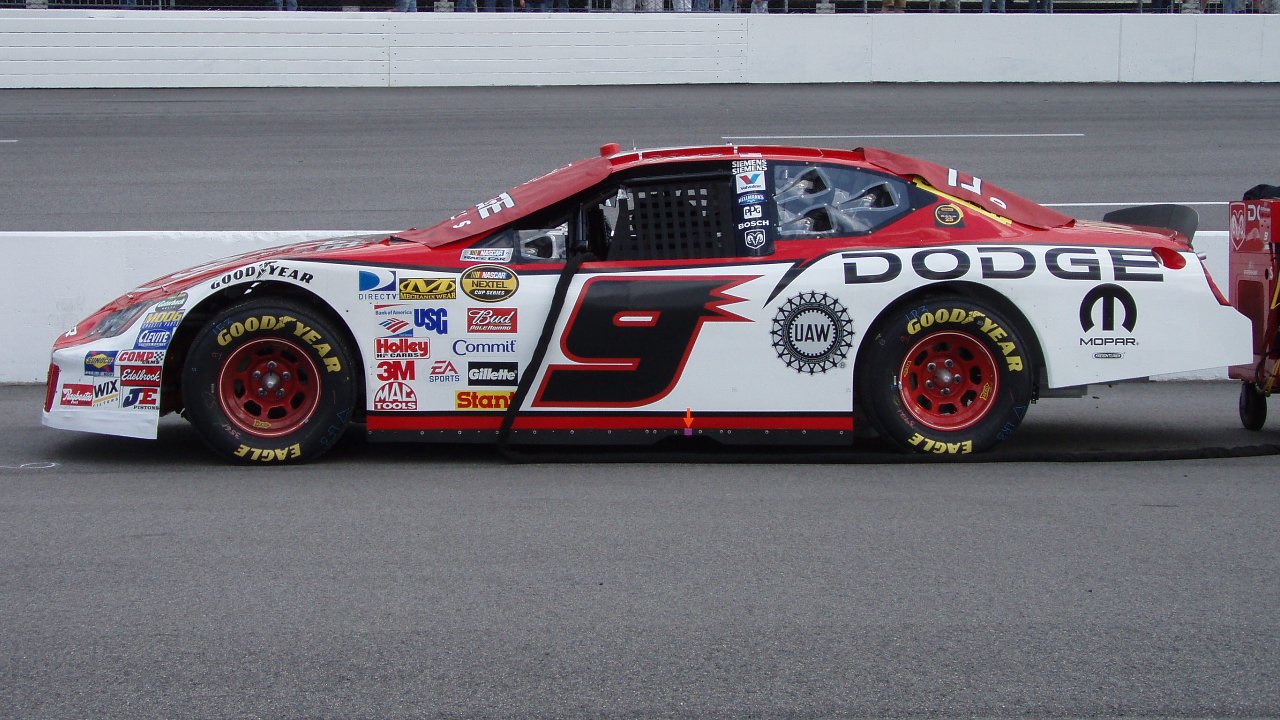
Kahne’s prime NASCAR years showcased a driver who could translate that sprint car sharpness into stock car success at the highest level. As Kasey Kahne in the Cup Series, he became known for his qualifying speed and his ability to win on a variety of tracks, including major events that cemented his status as a top-tier American stock car racer, as reflected in the detailed record of his NASCAR accomplishments. Those seasons built the public image of Kahne as a polished, marketable star, but they also masked how much his underlying skill set still resembled the adaptable, dirt-trained racer he had been as a teenager.
That trajectory was interrupted in jarring fashion when his NASCAR career came to a sudden halt in 2018, cut short due to medical issues that made it unsafe for him to continue in the Cup grind. His final full-time season ended not with a planned farewell tour but with an enforced pause, a reality that has been widely noted in coverage of his career and in reports on his later return to NASCAR competition. I see that abrupt exit not as a fade-out but as a pivot point, one that forced Kahne to reconsider how and where his talent could be used most effectively.
Reinventing himself on dirt
What followed that pivot was not retirement, but reinvention. Freed from the weekly Cup schedule, Kahne leaned back into the discipline that first shaped him, committing to more dirt track racing and immersing himself in the sprint car world that had once been his proving ground. His own background materials describe how he began in open wheel sprint cars at Deming Speedway and then moved into USAC competition, and in recent years he has effectively come full circle, returning to that style of racing with the maturity of a veteran and the hunger of a driver who still wants to test himself on the edge, as reflected in his personal account.
That reinvention has not been limited to his own seat time. As the leader of Kasey Kahne Racing, he has built and guided a team that competes at the highest levels of sprint car racing, a role that requires him to translate his instincts into setups, strategy, and driver development. The structure of Kasey Kahne Racing, with Kahne listed as a team principal alongside Mike Curb, underscores how deeply he is embedded in the dirt ecosystem, not just as a participant but as a builder. When I watch his current dirt efforts, I see a driver whose talent is amplified by his understanding of the entire operation around the car.
A sharper competitor in his comeback era
The most striking evidence that Kahne’s abilities have sharpened with time comes from how respected racing minds now talk about him. In his recent work with High Limit Racing and his interactions with NASCAR organizations, Kahne has impressed decision-makers who have known him for years. Reports on his latest chapter describe how RCR principals and crew chief Keith Rodden, who worked with him in the Cup Series, have come away convinced that Kahne is stronger now than he was during their previous partnership, a sentiment captured in coverage of his comeback from NASCAR to High Limit Racing and back. That kind of assessment, from people who have seen his entire arc, suggests that his racecraft, decision-making, and technical feedback have all matured.
His on-track schedule reflects that renewed confidence. After years focused on dirt, Kahne is now set for his first NASCAR race since 2018, a return that underscores how his performance in sprint cars has reopened doors in stock cars. Coverage of that move notes that he has remained active in dirt competition in the intervening years and that his form there helped justify a new opportunity in NASCAR, as detailed in reports on his return to NASCAR. When I weigh those developments, I see a driver whose current reputation is built less on past Cup trophies and more on the respect he has earned in this comeback phase.
Legacy, Rockingham, and why his talent resonates now
Kahne’s decision to rejoin the NASCAR Xfinity Series at Rockingham Speedway after a long absence from that track illustrates how his legacy and present form intersect. When he saw that the series was returning to Rockingham after a twenty one year hiatus, he chose to be part of that moment, a choice that reflects both his connection to NASCAR history and his belief that he can still compete at a high level, as described in reporting on why he left NASCAR and why he is returning at Rockingham Speedway. For me, that decision captures the essence of his current career: a veteran choosing his spots carefully, stepping into meaningful events where his experience and refined skill set can make a difference.
His broader legacy is also being shaped by how he invests in the racing community. Fans and observers have noted that he is doing a lot for dirt track racing, including the World of Outlaws and other series, a sentiment that surfaces in discussions among supporters who see him not only as a former NASCAR star but as an active force in sustaining and growing the grassroots side of the sport, as reflected in fan commentary about his impact on dirt racing. When I put all of this together, from his Deming roots to his current dual role as driver and team principal, I see a career that has not simply aged, but evolved, leaving Kasey Kahne today as a more complete and influential racer than at any earlier point in his journey.
More from Fast Lane Only: