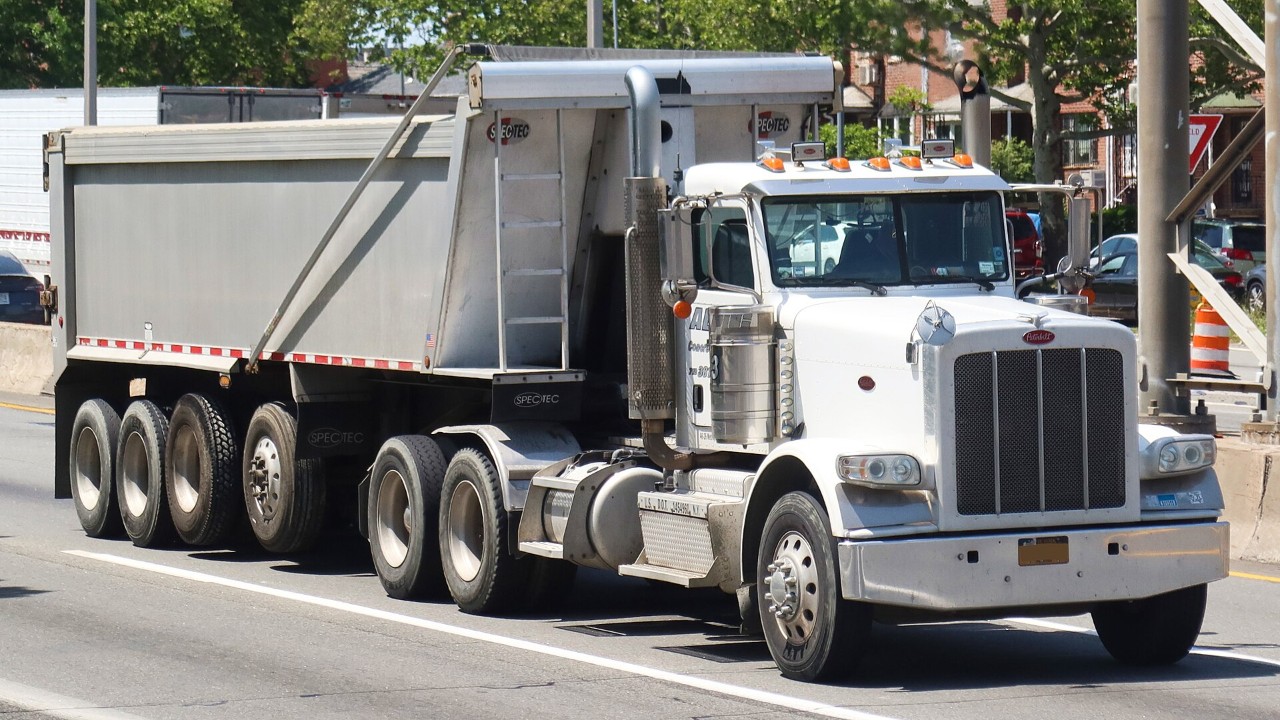
PACCAR is recalling 26,729 Kenworth and Peterbilt trucks because the hoses on a remote fuel filter can separate from their fitting. When that happens, diesel can leak out and the engine can stall. The Kenworth fuel hose recall covers nine model lines built between the 2022 and 2027 model years, and dealers will replace the hoses for free.
PACCAR, the parent company of both brands, reported the problem to the National Highway Traffic Safety Administration in October 2026. NHTSA lists the campaign as recall 26V700000. PACCAR’s own number for it is 26PACJ, and owners should quote that number when they call.
A loose fuel hose sounds like a small fault. On a working truck, however, it creates two separate risks at once. Leaking fuel near an ignition source can start a fire, and a stalled engine in traffic can lead to a crash.
Which trucks are in the Kenworth fuel hose recall
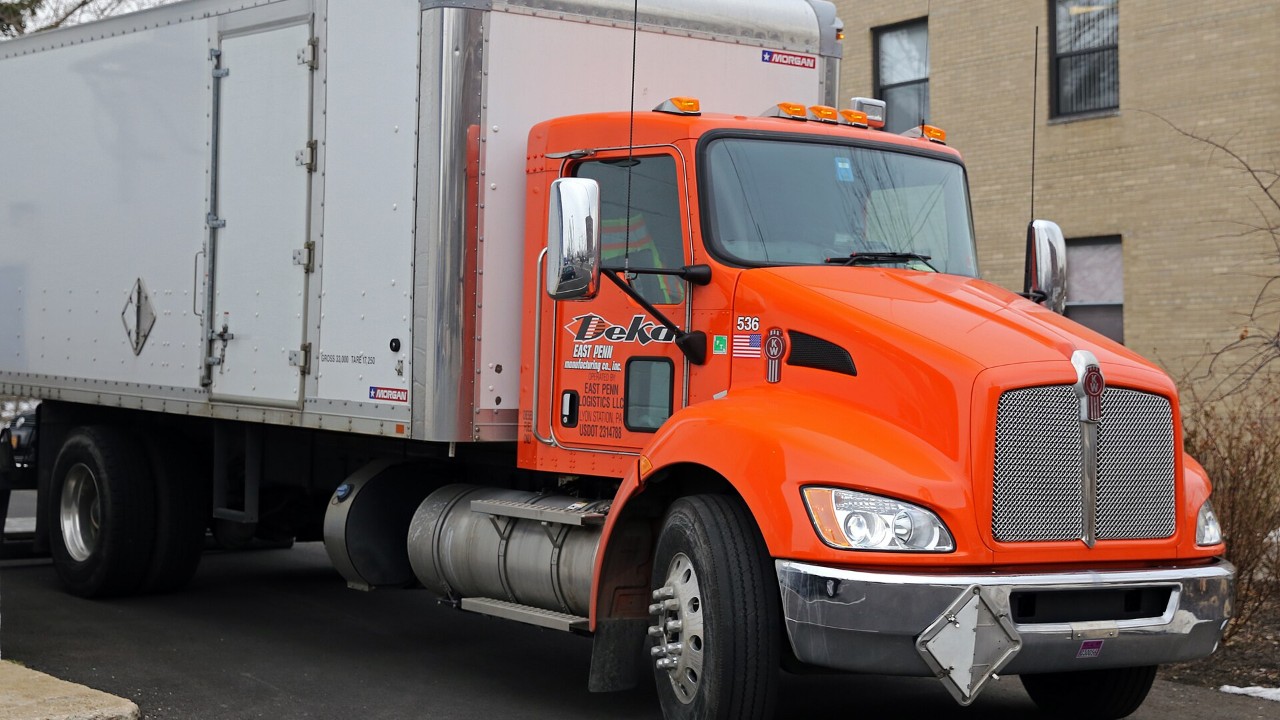
The NHTSA recall record for 26V700000 lists five Kenworth lines and four Peterbilt lines. The model years differ from truck to truck, so it pays to check yours against the list:
- Kenworth T270 and T370, 2022 and 2023 models
- The T280 from Kenworth, 2022 through 2027 models
- Kenworth T380 and T480, 2023 through 2027 models
- Peterbilt 548, 2022 through 2027 models
- The 536 and 537 from Peterbilt, 2023 through 2027 models
- Peterbilt 567, 2025 models only
Most of these are medium-duty trucks. When Kenworth launched the T280, T380 and T480 in 2021, Transport Topics reported that the range ran from Class 5 to Class 8. The same report put the T280 at up to 26,000 pounds and the T380 at up to 33,000 pounds. Meanwhile, it called the tandem-axle T480 a “baby 8.”
Peterbilt’s side of the recall follows a similar pattern. According to Fleet Equipment, the 537 and 548 are Class 7/8 medium-duty trucks. By contrast, the 536 is a Class 5/6 model aimed at non-CDL lease and rental fleets. So the recall reaches box trucks, rental trucks and vocational rigs, not just one kind of fleet.
What goes wrong with the fuel filter hoses
NHTSA files the defect under the diesel fuel system, specifically its delivery hoses, lines and fittings. The trouble sits at the remote fuel filter. In plain terms, the filter is mounted away from the engine, and hoses carry fuel to and from it. According to the recall summary, those hoses may separate from the fitting.
Once a hose pulls free, two things follow. First, fuel leaks from the open connection. Then the engine can stall, because it no longer gets a steady fuel supply. NHTSA’s record spells out the danger of each one. A leak near an ignition source raises the risk of a fire, and a stall raises the risk of a crash.
The record does not give a cause for the separation. It also does not report any fires, crashes or injuries linked to the problem. Instead, it describes the risk and the fix, which is typical of a recall filed before many trucks have failed.
How PACCAR will fix the trucks
The remedy is simple. Kenworth and Peterbilt dealers will replace the fuel hoses free of charge, according to NHTSA. Owners don’t need to wait for a software update or a special part design, because the record calls only for new hoses.
PACCAR plans to mail owner notification letters beginning December 20, 2026. Before then, owners can call the brands directly. NHTSA lists Peterbilt customer service at 1-940-591-4220 and Kenworth customer service at 1-425-828-5888. Again, the reference number to give them is 26PACJ.
The recall does not carry a “park outside” warning, and NHTSA does not list an over-the-air fix. Even so, a driver who smells diesel around the filter area, or sees fuel on the frame rail, should have the truck checked before the next run. That advice applies whether or not the letter has arrived yet.
The same hose problem turned up on transit buses
PACCAR’s trucks were not the only vehicles flagged for this fault. In its roundup of commercial vehicle recalls for the week of November 2, 2026, Truck Parts & Service reported the same Kenworth and Peterbilt campaign at 26,729 units. In the same report, it listed a Nova Bus recall with nearly identical wording.
That campaign covers 453 transit buses, namely 2022 to 2024 LFS models and 2023 LFS Artic models. Like the trucks, the buses may have remote fuel filter hoses that separate from the fitting. As a result, they face the same fuel leak, fire and stall risks, according to the trade publication.
Neither record names a shared supplier, so the link between the two campaigns is the fault itself, not a confirmed common part. For truck owners, the practical point is the same. If a vehicle in the fleet uses a remote fuel filter setup, its hoses deserve a close look.
How to check a truck
The fastest check is the VIN. Owners can enter it on NHTSA’s recall lookup to see whether a specific truck is in campaign 26V700000. Fleet managers with several Kenworth or Peterbilt units can also ask their dealer to run the whole list at once.
Then book the hose replacement once the dealer confirms parts are in. Because the fix is a hose swap rather than a full repair, it should be a short shop visit for most trucks. NHTSA’s record puts the total at 26,729 trucks, with owner letters due to start going out on December 20, 2026.
More from Fast Lane Only