Kurt Busch’s violent qualifying crash at Pocono still hangs over every conversation about NASCAR’s current car, a reminder that the sport’s safety gains are real but not absolute. As NASCAR leaders promote the Next Gen model as the safest vehicle in series history, Busch’s own recollections of the impact and its aftermath cut through the talking points and force a harder look at what that claim really means.
I see a widening gap between the optimism from NASCAR headquarters and the unease in the garage, and Busch’s story sits squarely in the middle of that tension. His career-ending wreck has become a touchstone for drivers, teams, and even attorneys who are pushing back on Commissioner Steve Phelps’ confident framing of Next Gen safety, insisting that the lived experience inside the cockpit still tells a more complicated story.
Kurt Busch relives the crash that changed everything
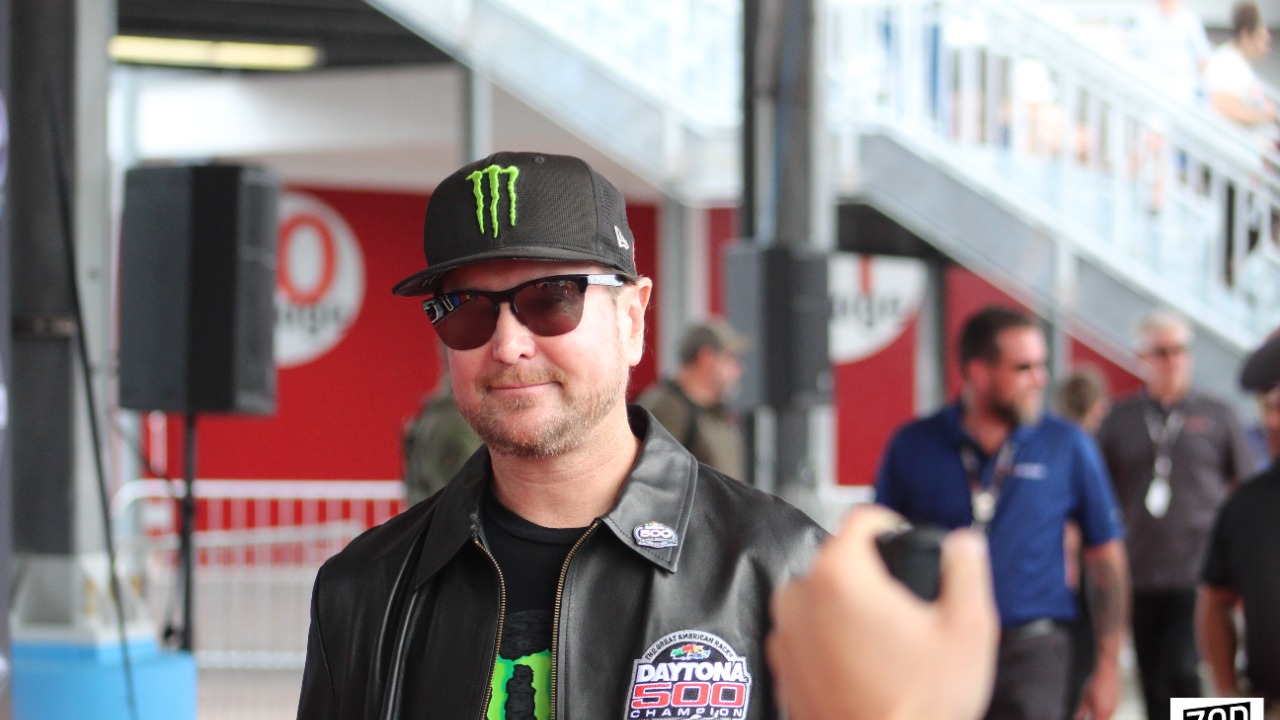
When Kurt Busch talks about his Pocono crash now, the details land with the weight of a final chapter rather than just another bad day at the track. In a conversation with interviewer Nick Adu, he revisits what it meant to return to the Pennsylvania speedway that effectively closed the book on his full-time Cup career, describing it as a place that will always carry a different kind of significance for him. Hearing him walk through that emotional geography, I am struck by how the track is no longer just a venue in his memory but a marker between the life he had as a weekly contender and the reality he lives with today, shaped by the concussion symptoms that followed the impact he suffered in qualifying.
Busch’s reflections are not framed as a technical critique of the Next Gen car, yet they inevitably become part of the safety debate because of who he is and how his career ended. When he describes going back to Pocono and acknowledging that it is “a significant racetrack” in his life, he is not speaking in abstract terms about risk, he is talking about the day his trajectory changed in a single hit. That personal testimony, captured in his discussion with Nick Adu, underlines why his name surfaces so quickly whenever anyone in authority, including Commissioner Steve Phelps, characterizes the current car as the safest NASCAR has ever put on track.
NASCAR’s bold safety claim meets a painful counterexample
Commissioner Steve Phelps has been emphatic in public that the Next Gen car represents a new high-water mark for NASCAR safety, a machine he presents as the safest in the sport’s history. On paper, that assertion leans on the car’s structural reinforcements, energy-absorbing design, and the absence of recent fatalities in the Cup Series since the model was introduced. From a distance, it is a compelling narrative: a modern chassis, standardized parts, and a safety philosophy that, in Phelps’ telling, has delivered on its core promise to protect drivers in the most extreme scenarios.
Yet the moment Phelps repeats that message, Kurt Busch’s Pocono crash roars back into the conversation as a glaring counterpoint. Reporting on the fallout from Phelps’ comments notes how Busch’s career-ending injury has become a focal example for critics who argue that the Next Gen car may be excellent at preventing the worst-case tragedies but still transmits too much force to the driver in certain types of impacts. The fact that a former champion’s full-time career effectively ended in a qualifying wreck in this supposedly safest-ever car complicates any simple victory lap, and it is no coincidence that his name surfaces whenever Phelps’ bold framing of Next Gen safety is challenged.
Drivers’ safety concerns go beyond one crash
Inside the garage, Busch’s experience is treated less as an anomaly and more as a warning sign that the safety equation is still not fully solved. Drivers who spoke out after his accident drew a distinction between the catastrophic “outlier crashes” that can kill and the more common rear and side impacts that can leave a driver concussed or nursing lingering pain. One veteran voice put it bluntly, saying it is easy to point at “the car, the car, the car,” but reminding everyone that the design was built to handle the rare, devastating T-bone wrecks and similar extremes. That same perspective stressed that the way the car manages energy in less spectacular hits, especially when it comes to how stiff the rear of the chassis feels, can make the difference between walking away and dealing with a brain injury.
Those comments, captured in the broader reaction to Busch’s accident, reveal a nuanced critique rather than a blanket condemnation. Drivers acknowledge that the Next Gen platform has likely saved lives in the kinds of crashes that once had fatal consequences, aligning with NASCAR’s own emphasis on preventing the worst outcomes. At the same time, they question whether the car’s stiffness and the way it disperses energy in more routine impacts are exposing them to a different category of risk, one that does not show up in the absence of funerals but does show up in the number of drivers dealing with concussions and soreness after what used to be considered survivable hits. In that context, Busch’s Pocono wreck becomes a case study in how a car can be structurally strong and still leave the human body inside vulnerable to forces it cannot absorb.
Teams and attorneys push back on the “safest car” narrative
The skepticism is not confined to drivers talking in the motorhome lot. Teams and their legal representatives have started to use Kurt Busch’s case as a formal counterweight to NASCAR’s messaging about the Next Gen car. When Commissioner Steve Phelps publicly touted the safety of the current model, an attorney representing 23XI and FRM pointed directly to Busch’s experience as evidence that the story is more complicated. In that response, Busch’s name was invoked not as a sentimental reference but as a concrete example of a driver whose career was cut short in the very car that NASCAR insists was designed to prevent the worst outcomes.
That legal framing matters because it shifts the debate from the realm of public relations into the language of liability and duty of care. By citing Busch in reaction to Phelps’ comments, the 23XI and FRM attorney effectively argued that the standard for success cannot be limited to the absence of fatalities, especially when a high-profile driver suffered a career-ending injury in a crash that did not look like the kind of spectacular, multi-car disaster the car was supposedly built to tame. The attorney’s focus on the Next Gen design and its stated purpose to prevent fatalities underscores a broader point: if the car is marketed and defended as the safest in NASCAR history, then every serious injury, particularly one involving a veteran like Busch, becomes a test of whether that claim holds up under scrutiny.
Reconciling progress with the human cost
As I weigh these threads, I keep coming back to the tension between statistical progress and individual stories. NASCAR can point to the absence of driver deaths in the Next Gen era and to the engineering work that went into building a car meant to withstand the most violent impacts. Drivers, teams, and attorneys, however, point to Kurt Busch’s concussion, his forced exit from full-time competition, and the lingering questions about how much force the car transmits in certain types of crashes. Both realities can be true at once: the sport can be safer in aggregate while still failing specific individuals in ways that demand further change.
Busch’s own willingness to revisit Pocono with Nick Adu, to acknowledge that the track now stands as a defining landmark in his life, gives the debate a human center that no technical diagram can erase. When Commissioner Steve Phelps calls the Next Gen car the safest in NASCAR history, he is speaking from a vantage point shaped by data and the absence of funerals. When drivers raise concerns after Busch’s accident and when a 23XI and FRM attorney cites his name in response to those safety claims, they are speaking from the cockpit and the courtroom, places where the stakes are measured in concussions, careers, and long-term health. Reconciling those perspectives will require more than confident declarations. It will require listening to the drivers who feel the hits, examining cases like Busch’s with unflinching honesty, and accepting that the work of making stock cars safer is not finished simply because the worst outcomes have, for now, been avoided.