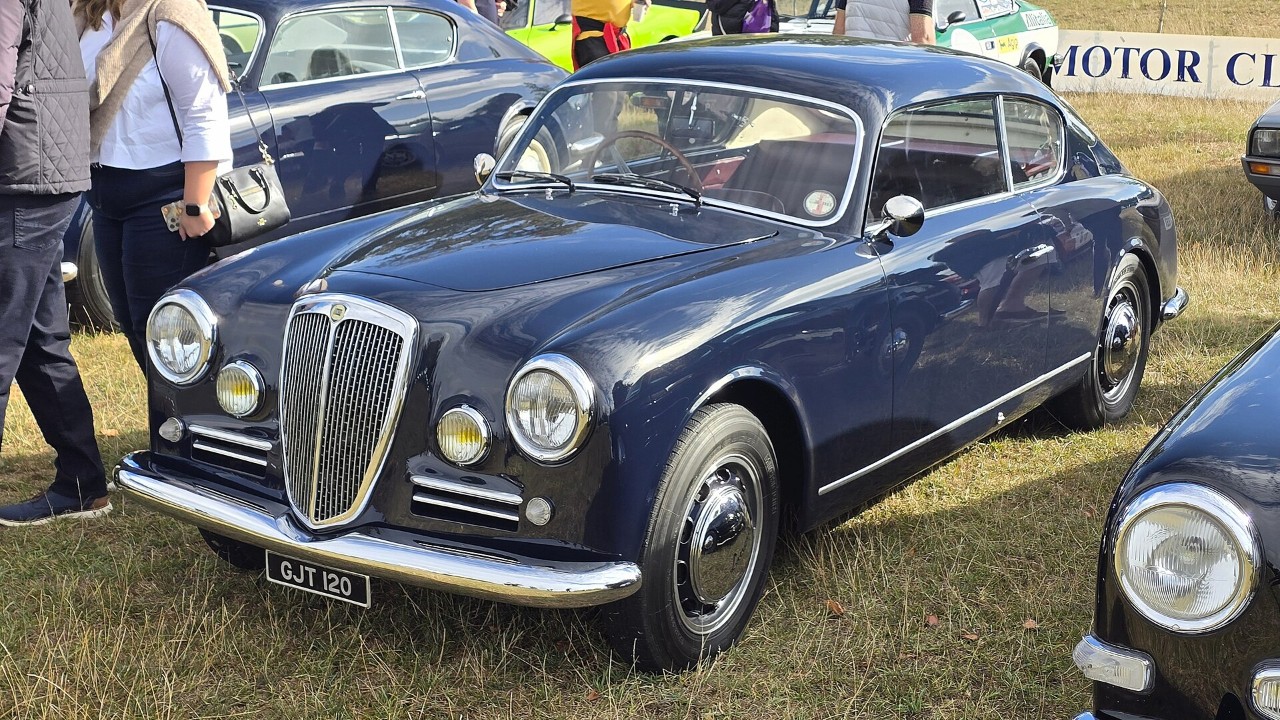
The Lancia Aurelia opens this list because the men who tested it in period kept coming back to its handling. In fact, every car here earned its place through a written verdict on how it drove, not on how it looked parked.
Those verdicts come from road testers and specialist writers, not from a survey of mechanics. Motor Sport’s Bill Boddy, The Motor’s 1960 test team, Motor Sport’s 1996 buyer’s guide, Hagerty and Goodwood supply them. Each one is named where it appears. Where a writer also flagged a weak spot, that is here too.
1. 1951–1958 Lancia Aurelia B20 GT
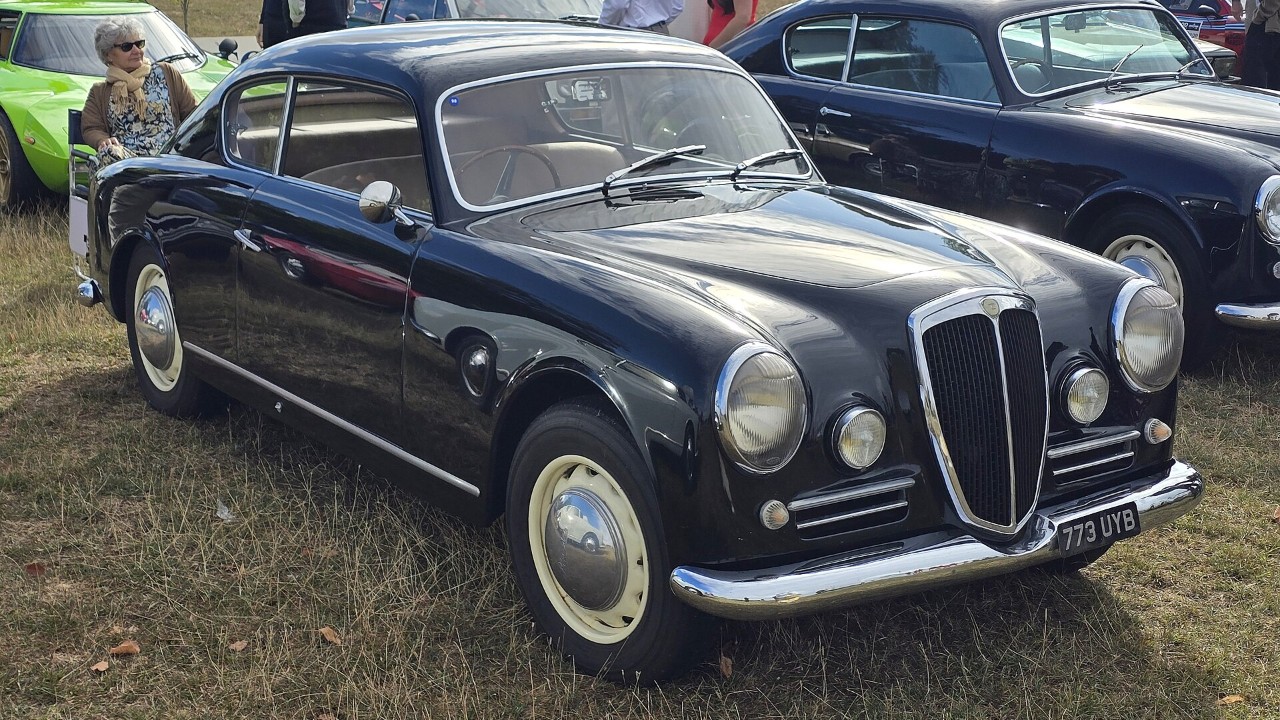
Lancia showed the Aurelia at the 1950 Turin Show, and the 2-litre B20 coupe followed in 1951. Its 2+2 body came from Pininfarina, while a 60-degree V6 sat up front. Goodwood credits the Aurelia GT with a class win at the 1951 Le Mans 24 Hours.
In December 1955, Bill Boddy drove a fast Aurelia from Hampshire to Devon and back. His Motor Sport account praises its “truly sure-footed handling” in the wet. The early 2-litre made 75 bhp at 4,500 rpm. By contrast, the third-series 2500 GT’s 2,451cc V6 made 118 bhp at 5,000 rpm. Even so, Boddy noted that the 2500 GT “suffered from considerable oversteer.”
2. 1955–1958 Lancia Aurelia B24 Spider

The open Aurelia was a Pininfarina two-seater offered as a spider and, later, as a convertible. It kept the 2.5-litre V6, rated at 118 bhp in Motor Sport’s 1996 A-Z of classic sporting cars.
That guide judged its handling predictable and its cabin comfortable. It also called the B24 “one of the better post-war Lancias.” Even so, it thought the styling a shade less striking than the Alfas of the day. Rarity cuts both ways here, because the same entry adds that the car is rare in Britain.
3. 1958–1963 Lotus Elite
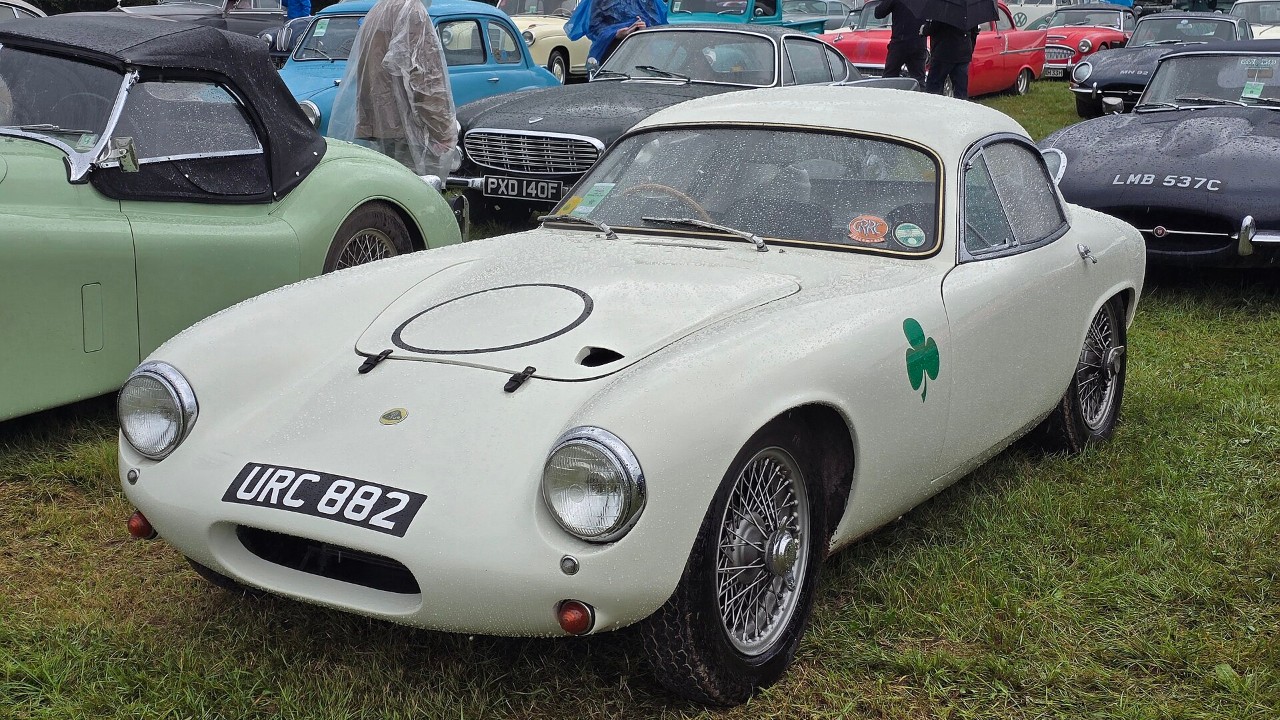
Lotus built the Elite around a glass-fibre monocoque, and it carried a 1,216cc Coventry Climax FWE four. According to Hagerty, The Motor’s 1960 road test recorded 75 hp, a weight of 1,484 pounds and a top speed of 111.8 mph. That test summed the car up as “speed, controllability in all conditions and comfort in all its aspects.”
Hagerty’s own driver found that “controllability under braking is supreme.” Meanwhile, Goodwood calls the handling “sublime” but notes persistent vibrations. Counts differ, too: Hagerty says about 1,050 were built, while Goodwood says just over 1,000.
4. 1953–1956 Lotus Mark VI
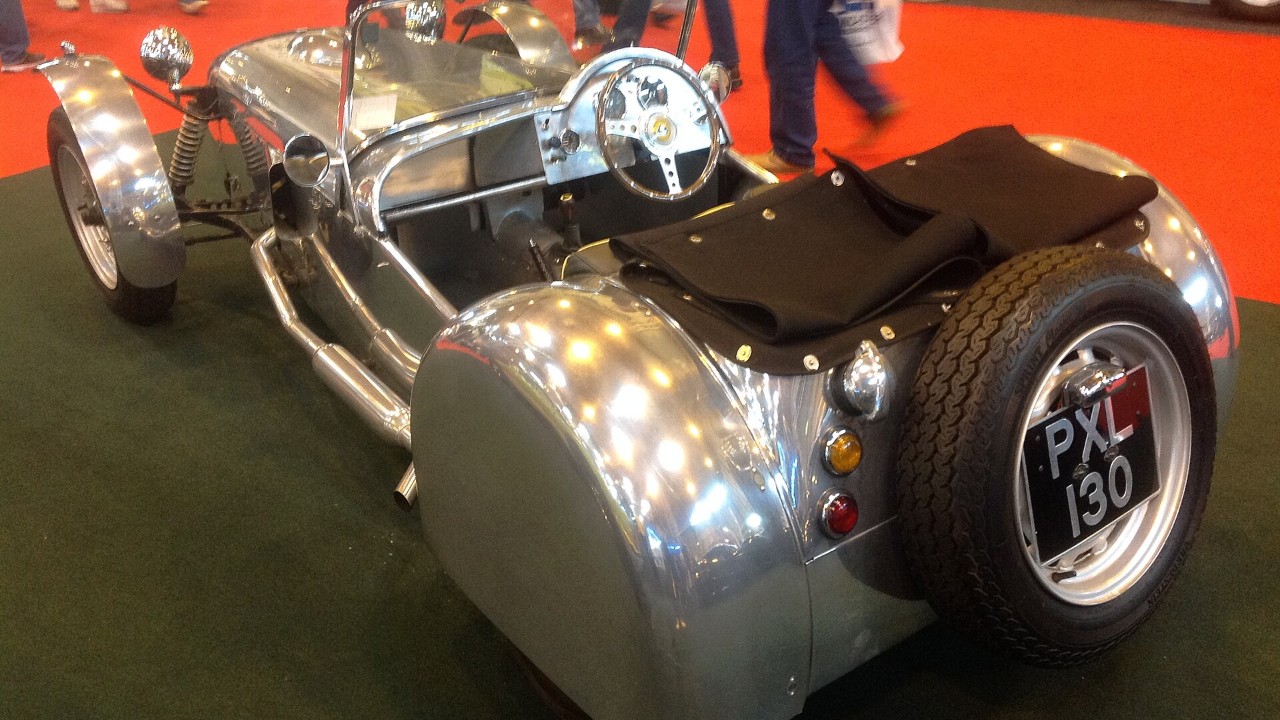
Before the Elite, Colin Chapman’s company sold the Mark VI, a simple spaceframe clubman’s racer. Buyers could fit 1,172cc, 1,250cc or 1,508cc engines from Ford or MG, according to Motor Sport’s 1996 guide.
That A-Z entry praises its power-to-weight ratio and says it is easy to drive quickly. Still, the writer was frank about it: “Not as good or as desirable as a Seven but historically important.”
5. 1956–1958 Porsche 356A
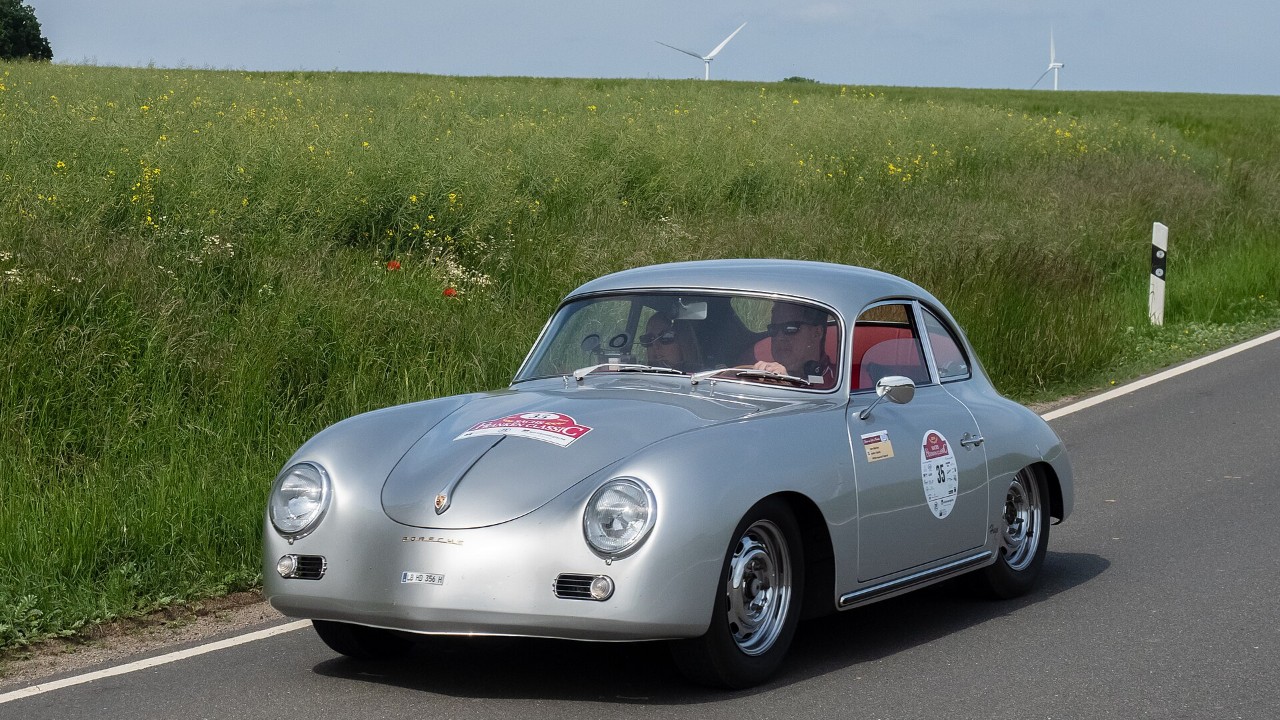
The 356A came with a 60 hp 1600, a 75 hp 1600 Super or a 100 bhp 1500 Carrera engine developed from the 550 racer. Bill Boddy tested the car in November 1956. He wrote that Porsche’s synchromesh made “gear-changing an absolute delight.”
He also found it “over-steering but not excessively.” Separately, the factfile in Motor Sport’s archive lists a 120 mph top speed for the Carrera. Later, the 1996 A-Z called every 356 “great to drive once you know how.” At the same time, it warned that Carrera engines are “incomprehensible for DIY,” which is the closest this list gets to a workshop opinion.
6. 1955–1963 Mercedes-Benz 190SL
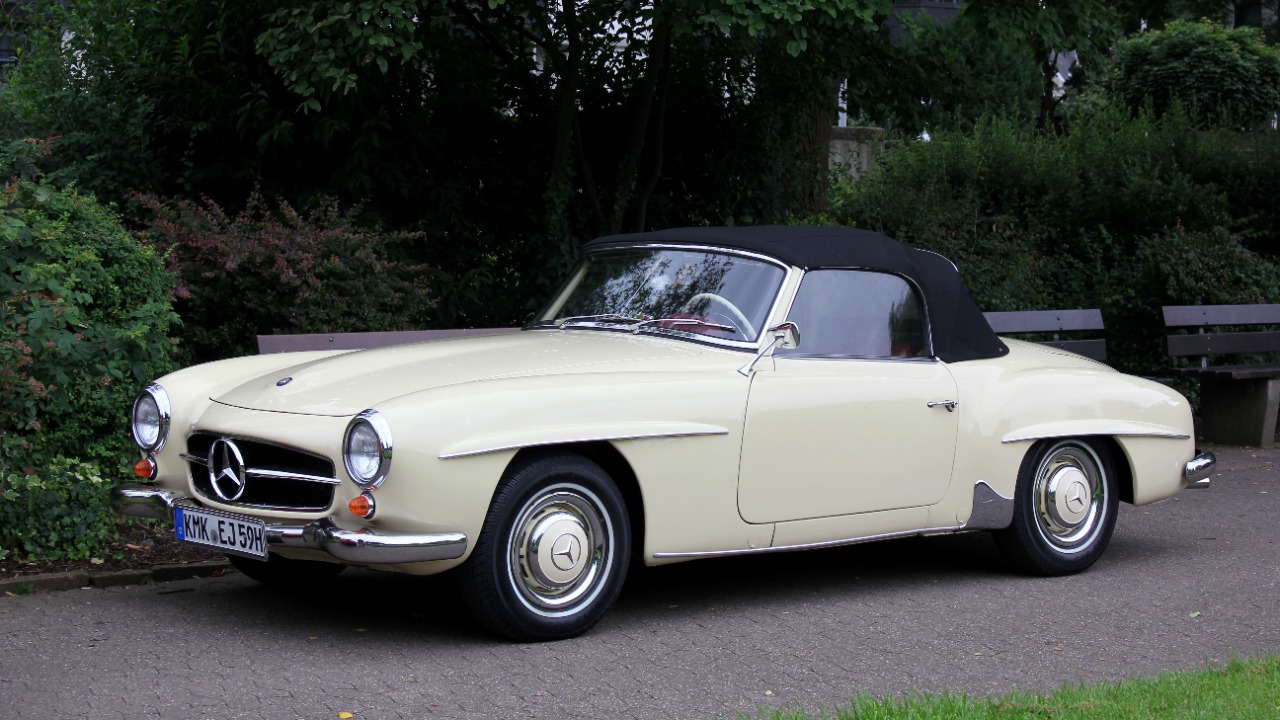
Mercedes styled the 190SL after the Gullwing but gave it a 1.9-litre four-cylinder engine. Motor Sport’s 1996 guide praised its robust chassis and its handling.
However, the same entry says its twin Solex carburettors are “notoriously difficult to keep in tune.” It also calls the car “a comfortable cruiser rather than an out-and-out sports machine.” So this is a driver’s car for a long road, not a hillclimb.
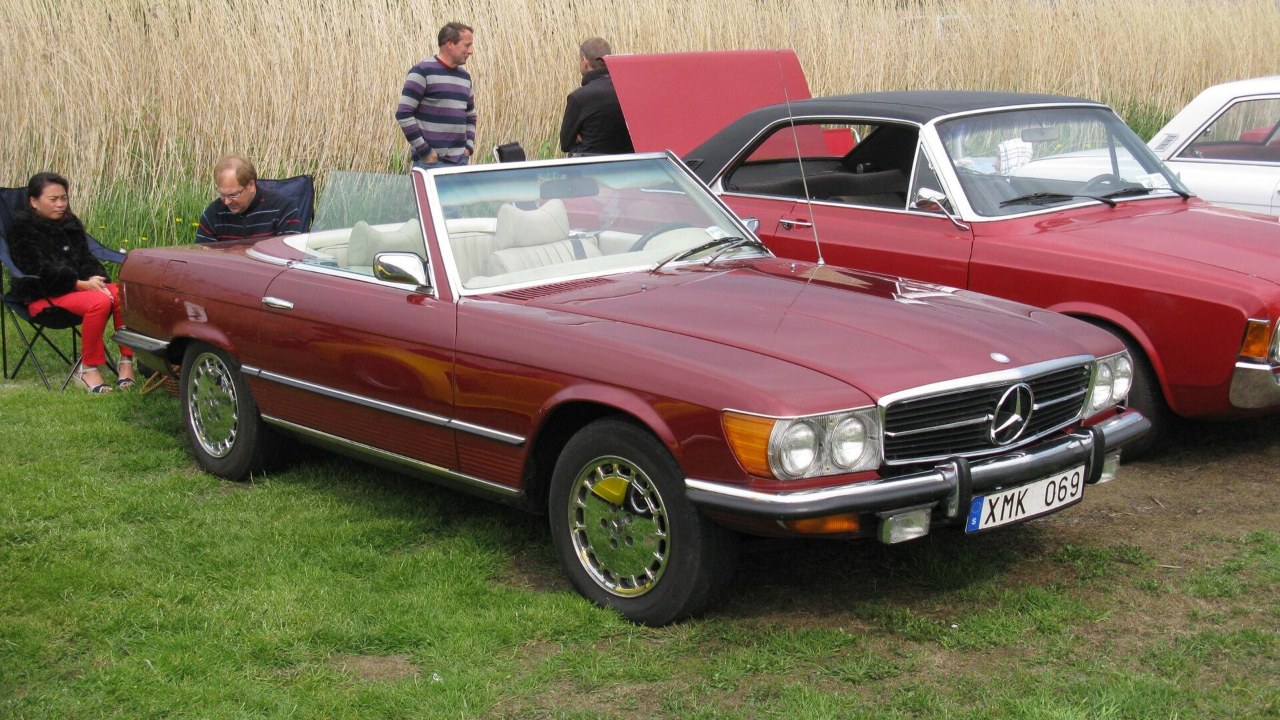
7. 1957–1963 Mercedes-Benz 300SL Roadster
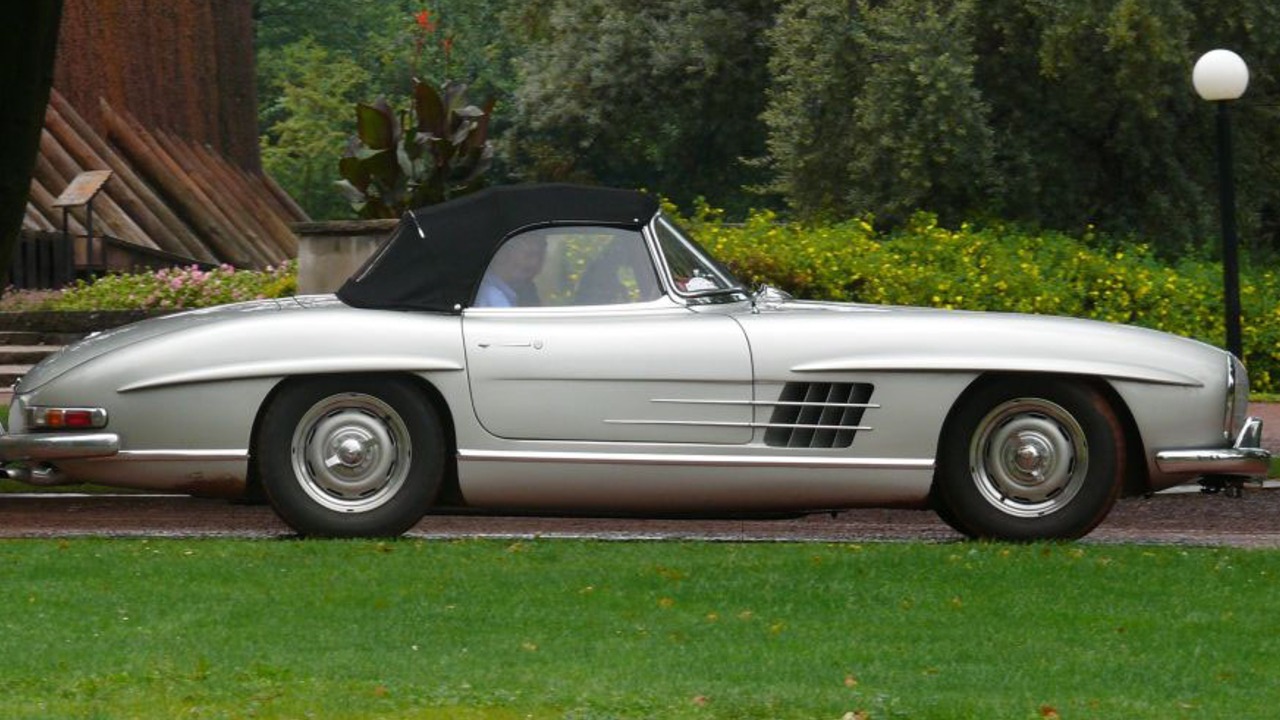
The open 300SL kept the coupe’s 3-litre six-cylinder engine but swapped the gullwing doors for conventional ones. It also gained revised swing-axle rear suspension. For context, Goodwood says the Gullwing coupe was the fastest production car in the world when it arrived in 1954.
Extra weight and an open top cut the roadster’s top speed to 130 mph, says Motor Sport’s guide. Its verdict is mild but telling: “a more civilised road car than the Gullwing all round.” The writer adds that the factory hardtop is now hard to find.
8. 1957–1960 Peerless GT
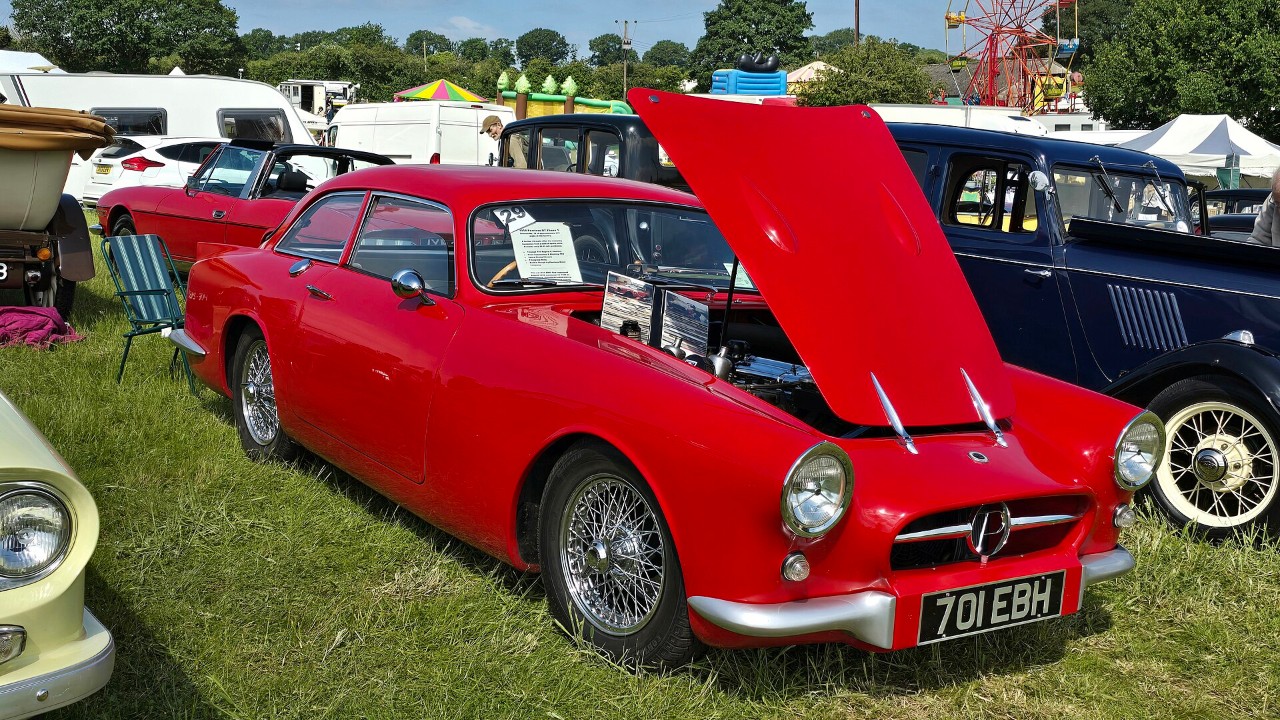
Peerless built this British 2+2 with a glass-fibre body over a tubular chassis and a Triumph TR2 engine. It could top 100 mph, and Motor Sport’s 1996 guide praised its handling.
Production stayed small, “between 3-400 in all,” according to the A-Z. Even so, the writer found a surprising number of survivors. Better still for owners, the entry calls it “cheap to buy, easy to restore.”
9. 1959–1965 Volvo PV544

The PV544 looked like an oddly styled saloon, yet it went rallying with real success. Its 1600cc engine grew to 1800cc during the run, and several were privately imported to Britain.
Motor Sport’s 1996 guide called it “a predictable understeerer which is very ‘chuckable’.” In addition, the A-Z entry notes its “successful competition history” and says the car was “still notching up points in historic rallying.”
10. 1962–1968 Lancia Flavia Coupe
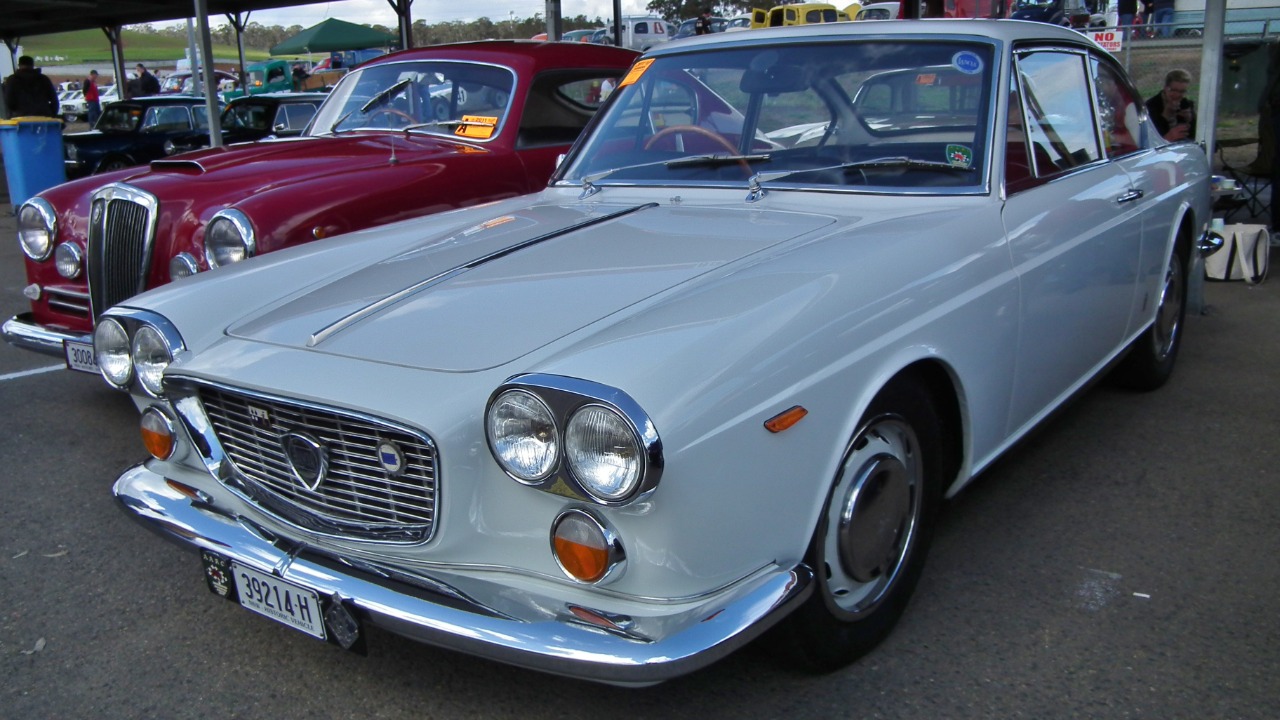
Lancia’s Flavia drove its front wheels through a flat-four engine, and Pininfarina drew the coupe body. Because that engine sat low, Motor Sport’s 1996 guide credited the car with a “reduced centre of gravity, giving excellent roadholding.”
The writer did not oversell it, though. The entry calls it “a front-driver and one that understeers,” then praises its exhaust note and says a good one is rewarding. By 1996, the guide added, few remained in Britain.
More from Fast Lane Only