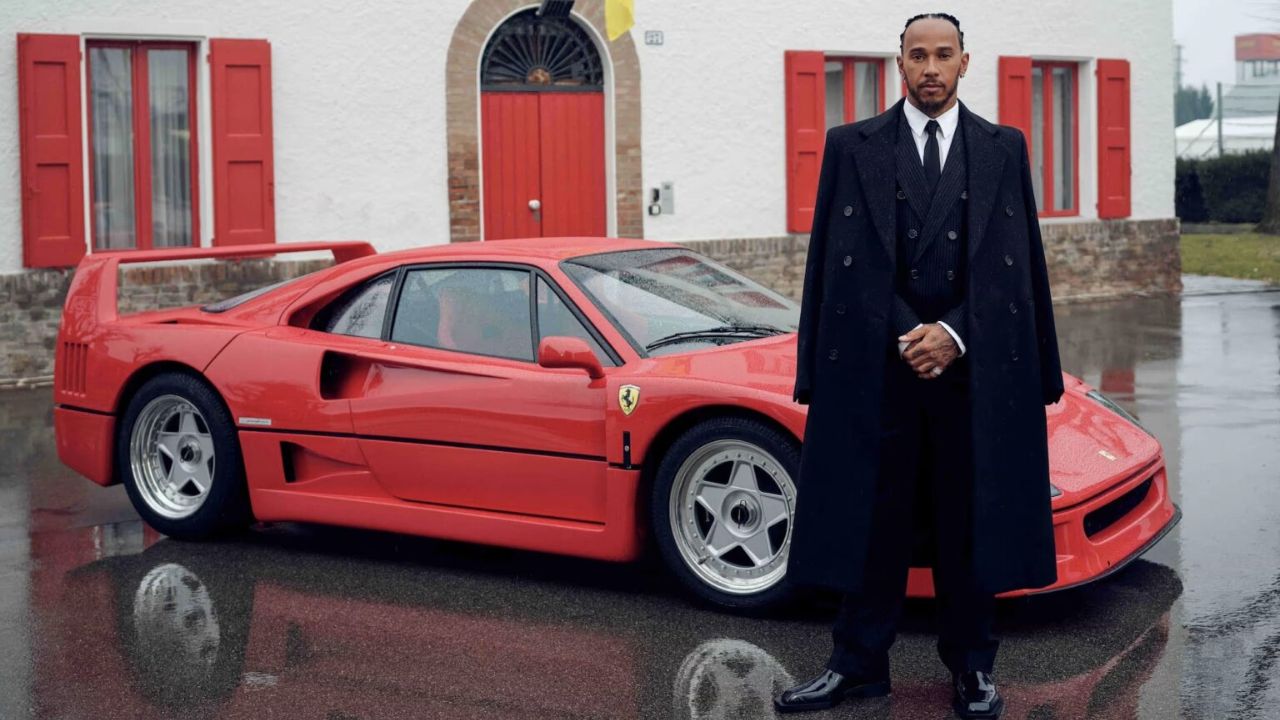
Lewis Hamilton built his legend in cars that cost more than most houses, then quietly walked away from the same kind of machines in his own garage. You are used to seeing him framed by carbon fiber and V12 noise, yet he has traded a multi‑million dollar fleet of hypercars for something far less obvious and far more revealing. The fix he has found is not another machine at all, but a different way of living with speed, status and responsibility.
If you care about cars, climate or just what it means to grow up in public, his pivot matters to you. Hamilton has not simply dumped his hypercars, he has turned his empty garage into a statement about what success looks like in 2026, and how you might rethink your own obsessions without losing what you love.
From dream garage to empty floor
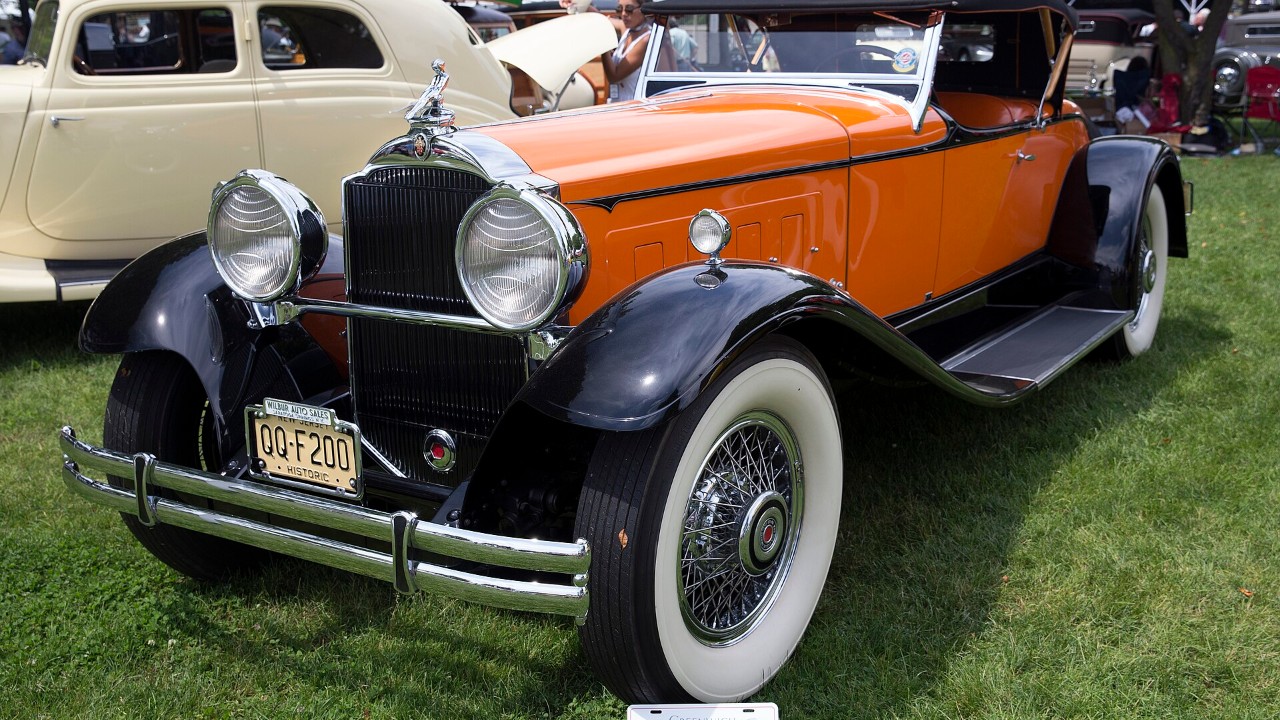
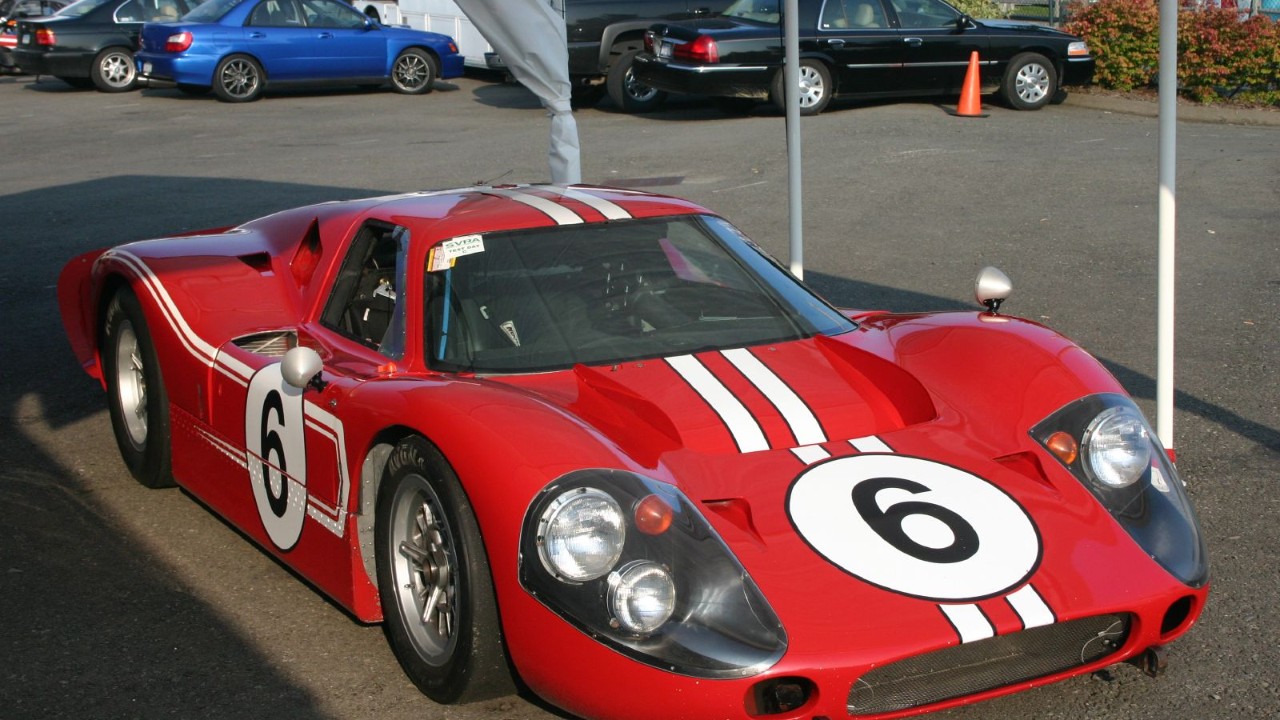
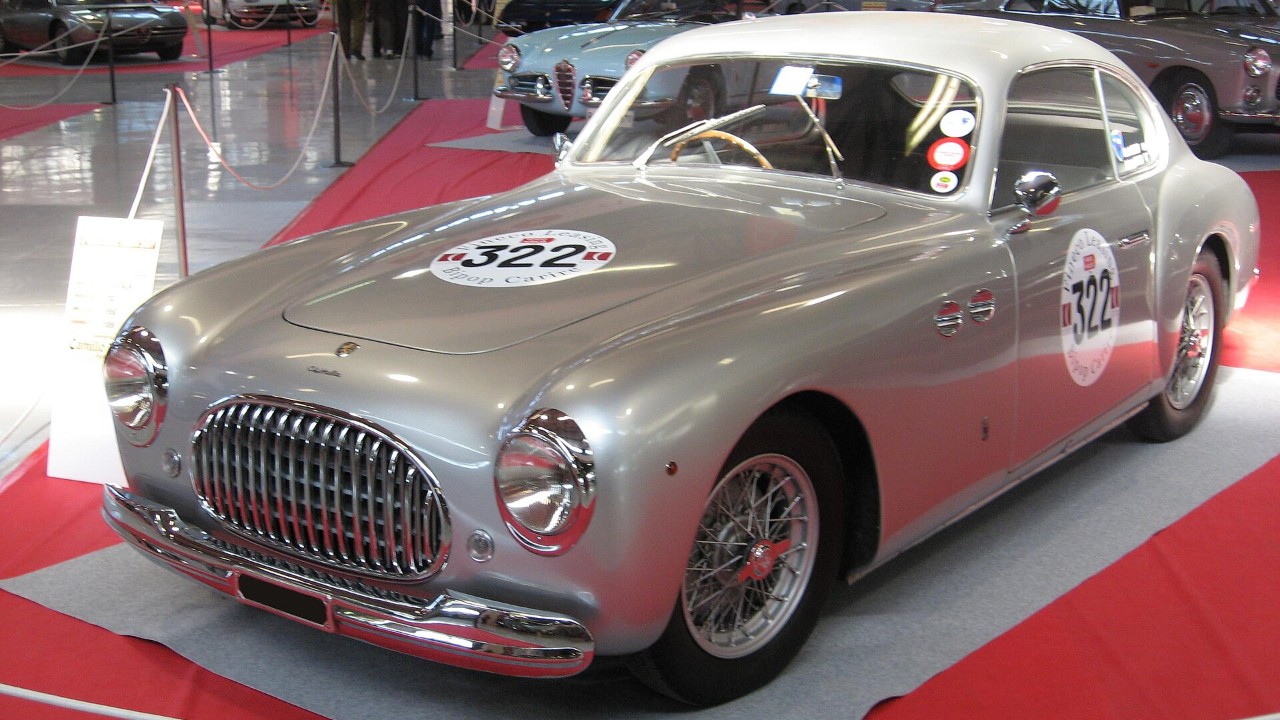
You probably remember the mythology around Hamilton’s garage, the way fans traded lists of his rarest toys as if they were race results. That era is over. Reports describe how Lewis Hamilton’s garage is now completely empty after he sold a car collection valued at about $13 million, a mix of flashy supercars, rare classics and eco‑leaning electric models that once mirrored his evolving tastes. Another account notes that Lewis Hamilton has the surprising step of selling off his entire car collection, a move that would have sounded unthinkable when his garage was a pilgrimage site for petrolheads.
The scale of the clear‑out is stark. One breakdown explains that Hamilton recently announced he had sold all of his cars, underlining that a lot of the vehicles were not just fast but historically significant. Another source describes how Lewis Hamilton has by selling his entire £13M car collection, swapping rare hypercars and classics for art. When a seven‑time champion chooses bare concrete over a line of V12s, you are not just looking at a garage makeover, you are watching a value system being rewritten.
The “terrible” Pagani and a green conscience
If there is a symbol of Hamilton’s break with the hypercar world, it is his purple Pagani Zonda. You might have seen the photos of that one‑off 760 LH, a car that looked like a comic‑book sketch brought to life. Yet Hamilton has been blunt about it. One report recalls how Lewis Hamilton’s ‘terrible’ was sold for a £7 million profit in 2021, with Hamilton describing the car as awful to drive despite its value. Another account notes that Lewis Hamilton’s green led him to sell his one‑of‑a‑kind purple Pagani Zonda 760 LH in 2021, only for the car to be crashed by a later owner.
The story has become almost folklore in the paddock. A detailed retelling frames it as one of those rare cases where a car gains value even as its owner falls out of love with it, describing how People watched Hamilton wreck it, hate it and still walk away with £7 million. Another source underlines that Lewis Hamilton just the F1 world by selling his entire multi‑million dollar supercar collection, explicitly including his Pagani Zonda and the legendary Ferrari F40. For you as a fan, the message is clear: if a driver who can afford any car on earth calls a hypercar “terrible” and walks away from it on environmental grounds, the old equation between price and desirability starts to look flimsy.
Art, cards and a different kind of collection
So what fills the space where the hypercars once sat? Not more metal. Hamilton has redirected his collector’s instinct into culture and memory rather than horsepower. One report explains that This decision marks a major shift in Hamilton’s lifestyle, noting that his passion has shifted toward collecting art and promoting sustainability. Another account of the £13M sell‑off stresses that Lewis Hamilton has swapped rare hypercars and classics for art, turning his walls into the new status symbols.
The shift is not only about paintings on a wall, it is also about how you remember a career. Hamilton has leaned into collectibles that celebrate his story without burning fuel. One report details how Lewis Hamilton sold his supercars and now has a new obsession linked to Ferrari, involving a high‑end trading card that is expected to be incredibly expensive. Another source notes that Formula 1 champion Lewis Hamilton has sold his entire car collection, once valued between $16 and $20 million, underlining that the financial firepower that used to sit on four wheels is now being redirected into more portable, less polluting forms of prestige. For you, it is a reminder that collecting can evolve without losing its emotional punch.
Racing faster while owning less
Here is the twist you might not expect: as Hamilton has stripped back his life off track, he has doubled down on the feeling of driving at the limit. His day job still involves some of the most complex machines on earth, and he sounds more energised by them than he has in years. One detailed account of his first run in the new generation of cars explains that His first experience at the wheel of an F1 2026 car came in Barcelona, during an unofficial five‑day test, and he described the new machinery as more enjoyable. Another report on the same theme notes that Why Hamilton prefers F1 2026 cars over the ground effect era comes down to how they feel on the limit, with Lewis Hamilton saying they are more fun to drive.
The professional context around him is shifting too, and you can see how that dovetails with his personal reset. Ferrari has confirmed that Ferrari has confirmed Lewis Hamilton will work with a new race engineer for the 2026 Formula 1 season, a sign of technical renewal just as the regulations change. Another report captures how Why Hamilton expressed his preference for the new F1 2026 cars is tied to their balance and the way they let him attack, even as he prepares for big shoot days and a fresh chapter with Ferrari. For you, the contrast is striking: Hamilton is racing into a more intense future while deliberately owning less of the hardware that once defined him.
What Hamilton’s reset means for you
When one of the greatest drivers in history clears out his garage, you are being invited to rethink your own relationship with stuff. The reporting makes clear that Formula 1 News around Hamilton has shifted from which new toy he has bought to the fact that he no longer owns a car collection at all, even as he poses with a Ferrari in front of an F40. Another snapshot of his lifestyle notes that Lewis Hamilton just the biggest bombshell by confirming he had sold his cars and previously given up his private jet for environmental reasons, underlining that this is not a one‑off gesture but part of a pattern.
The sporting narrative around him has evolved in parallel. Some voices in the paddock argue that the problem is Hamilton himself, while others see the machinery as the limiting factor. One analysis notes that Some blame Hamilton himself, saying the man is too old and has lost his touch, while Others believe dysfunction inside Ferrari is the true issue, even as he is arguably driving better now. Another overview of his lifestyle shift points out that Hamilton has moved from a garage full of flashy supercars, rare classics and eco‑friendly electric vehicles to a life that foregrounds art and sustainability. For you, the takeaway is not that you should sell everything you own, but that even at the very top of a material sport, it is possible to chase performance while letting go of the possessions that no longer fit the person you are trying to become.
More from Fast Lane Only