Lucid Motors is facing a high-stakes legal fight from its former chief engineer, who says he was pushed out after clashing with human resources over how the company handled a workplace remark invoking “Nazi” imagery. The lawsuit accuses the luxury electric car maker of wrongful termination and discrimination, arguing that the firing was less about performance and more about internal politics and a mishandled complaint process.
At a moment when Lucid is trying to prove it can scale beyond its flagship Air sedan and survive a brutal EV shakeout, the allegations cut directly to questions of culture, governance, and how the company treats senior leaders who challenge HR decisions. I see this case as a revealing test of how a high-profile startup responds when its own internal rules collide with the instincts of a top engineer who believed he was doing the right thing.
The lawsuit’s core claim: a firing rooted in an HR clash
At the center of the complaint is a stark narrative: a senior engineering leader says he was removed from his role after objecting to how Lucid Motors handled an incident in which a worker used the word “Nazi” in the workplace. According to the lawsuit, the chief engineer believed the remark was serious enough to warrant a formal response and pressed for HR to address it directly with the employee who heard it, only to find himself under scrutiny instead. The filing frames his termination as retaliation, arguing that his insistence on a more robust response to the comment triggered a backlash from the very department tasked with enforcing company policy.
The complaint, as described in the reporting on Lucid Motors’ former chief engineer, goes further than a simple disagreement over tone or process. It alleges that HR not only resisted his push to treat the “Nazi” remark as a serious violation but then turned the tables by questioning his conduct and judgment. In that telling, the company’s leadership ultimately sided with HR and removed him from his position, a decision he now characterizes as wrongful termination and discrimination in a detailed lawsuit. The case hinges on whether a court accepts his argument that raising concerns about a hostile or insensitive comment should have been protected, not punished.
How a single “Nazi” remark escalated into a corporate crisis
The dispute began, according to the lawsuit, with a workplace exchange that might have been dismissed as an offhand comment if not for its loaded historical weight. An employee allegedly used the term “Nazi” in a way that another worker found troubling, prompting the issue to reach the chief engineer’s attention. In his account, he treated the remark as a red flag for Lucid’s culture, particularly in a diverse, global workforce where references to Nazism are not abstract but deeply personal for some colleagues. He pushed for HR to take the complaint seriously, to document it, and to support the worker who was disturbed by what had been said.
Instead of a straightforward investigation, the lawsuit says the situation spiraled. The chief engineer contends that HR minimized the significance of the “Nazi” reference and resisted his efforts to ensure the affected worker felt heard and protected. When he continued to press the issue, he claims HR began to question his behavior, reframing his advocacy as a problem in itself. That pivot, described in the reporting on the HR dispute, is what transformed a single offensive remark into a full-blown corporate crisis that now threatens to play out in court.
Allegations of discrimination and retaliation inside Lucid Motors
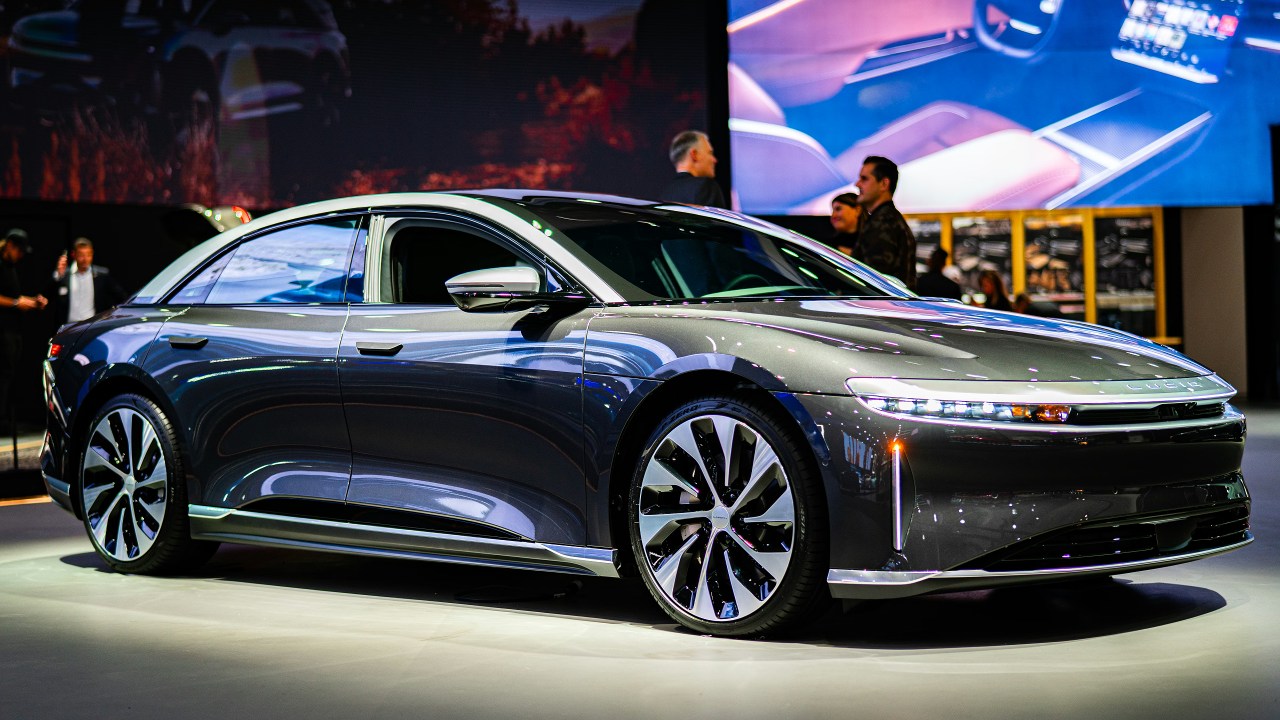
Beyond the immediate clash over the “Nazi” comment, the former chief engineer’s lawsuit accuses Lucid Motors of broader discrimination and retaliation. He argues that his termination was not an isolated personnel decision but part of a pattern in which the company punishes those who challenge HR’s handling of sensitive issues. In his telling, once he pushed back on what he saw as an inadequate response to the offensive remark, he was treated as a liability rather than a leader trying to uphold the company’s stated values. The complaint frames this as a violation of employment protections, asserting that he was targeted because he advocated for a worker who felt unsafe or marginalized.
The reporting on the case describes how the lawsuit links his firing to a series of internal steps, including HR interviews and performance reviews, that he says were weaponized after he raised concerns. He claims that instead of investigating the original “Nazi” remark thoroughly, Lucid scrutinized his conduct and ultimately removed him from his role as chief engineer. The filing labels this sequence as wrongful termination and discrimination, arguing that the company’s actions would deter any other manager from pushing HR to take similar complaints seriously. In that sense, the suit is not only about one executive’s job but about whether Lucid’s internal systems protect or punish those who insist on a more rigorous response to offensive language.
What the case reveals about culture, compliance, and leadership
For a company like Lucid Motors, which is trying to position itself as a premium, forward-looking brand in a crowded EV market, the allegations cut deeper than a standard employment dispute. The lawsuit raises uncomfortable questions about whether the company’s internal culture matches its public messaging on inclusion and accountability. If a chief engineer can be removed after pressing HR to act on a “Nazi” remark, as the complaint alleges, it suggests a disconnect between the values Lucid promotes and the behavior it rewards internally. That tension is particularly stark in a sector where talent is scarce and engineers expect their employers to take discrimination and harassment issues seriously.
The case also highlights the delicate balance between HR authority and operational leadership. In many fast-growing tech and automotive companies, HR is expected to be both a guardian of policy and a partner to line managers. The former chief engineer’s account, as reflected in the reporting on his wrongful termination claim, portrays an environment where questioning HR’s judgment can be career-ending, even for someone at the top of the engineering hierarchy. If that perception takes hold among Lucid’s workforce, it could chill internal reporting and discourage managers from escalating sensitive issues, precisely the opposite of what robust compliance systems are meant to achieve.
High stakes for Lucid’s future and the wider EV industry
The timing of this lawsuit is particularly fraught for Lucid Motors. The company is already under pressure to prove it can move beyond early production hurdles, manage costs, and expand its lineup beyond the Lucid Air into models that can compete with mass-market EVs. A public fight with a former chief engineer over alleged retaliation and discrimination risks distracting leadership and unsettling investors who are watching every sign of execution risk. It also raises questions about whether Lucid can retain and attract top engineering talent if senior leaders fear that challenging HR on sensitive issues could cost them their jobs.
More broadly, the case feeds into a growing conversation across the EV and tech sectors about how companies handle offensive or extremist references in the workplace. The “Nazi” remark at the heart of this dispute is not just a stray word, it is a test of whether corporate policies on harassment and discrimination are applied consistently, even when the complaint comes from a powerful insider. The detailed allegations in the lawsuit suggest that the former chief engineer believes Lucid failed that test and then punished him for saying so. As the case moves forward, it will not only shape his own career but also signal to the wider industry how far companies are willing to go to defend HR decisions when they collide with the judgment of their most senior technical leaders.