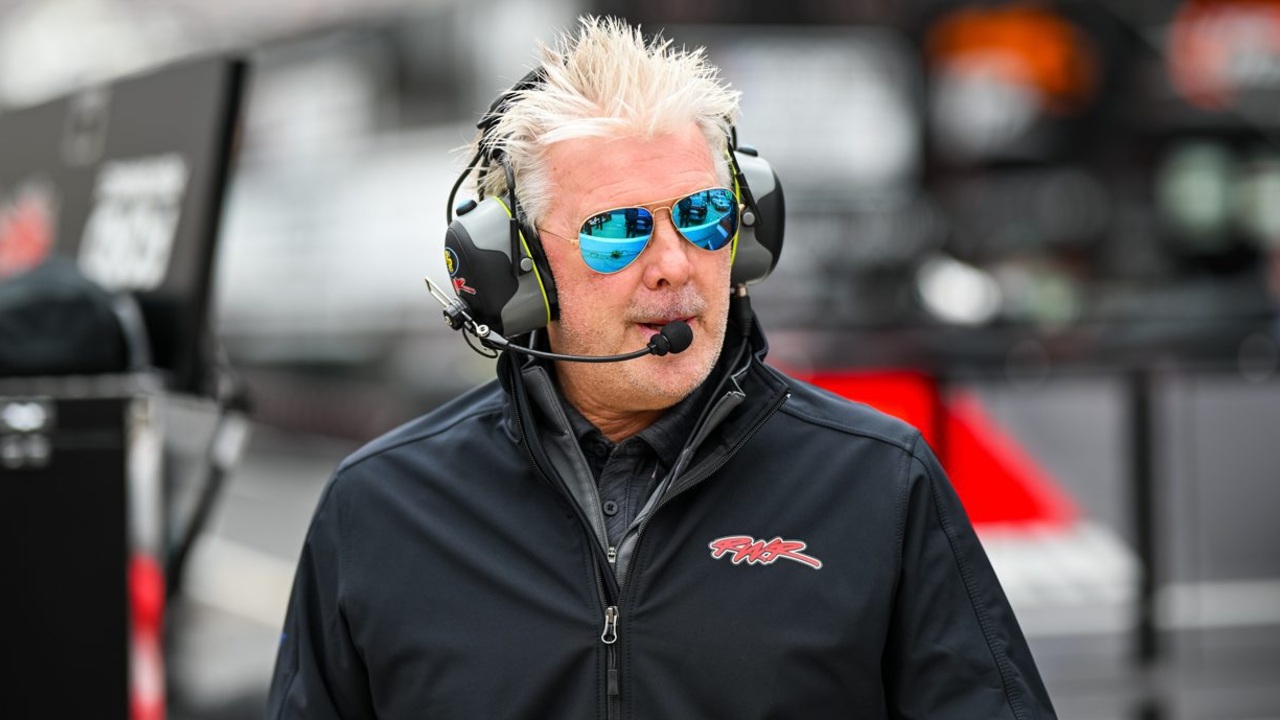
Rick Ware Racing is set to overhaul its NASCAR Cup Series identity in 2026, shifting from Ford to Chevrolet and reshaping how the team fits into the manufacturer landscape. The move positions one of the series’ smaller operations at the center of a broader realignment that will influence technical alliances, driver decisions, and how the new generation of Chevrolet hardware is deployed on track.
I see this as more than a simple badge swap on the nose of a stock car. By aligning with Chevrolet just as the brand prepares a fresh ZL1 body style for the 2026 NASCAR Cup Series, Rick Ware Racing is trying to trade years of survival-mode racing for a more deliberate climb up the competitive ladder.
Why Rick Ware Racing is breaking from Ford
The most immediate takeaway from Rick Ware Racing’s announcement is the clean break from Ford after years of running blue-oval equipment in the NASCAR Cup Series. The team confirmed that its Cup operation will move to Chevrolet for 2026, a change that resets its technical baseline and its place in the manufacturer pecking order. That shift from Ford to Chevy is not just a branding tweak, it is a strategic decision to plug into a different engineering ecosystem and a new set of partners that can influence everything from simulation data to pit-road choreography, as reflected in the team’s confirmation that it will switch to Chevrolet and in parallel reporting that it is leaving Ford behind.
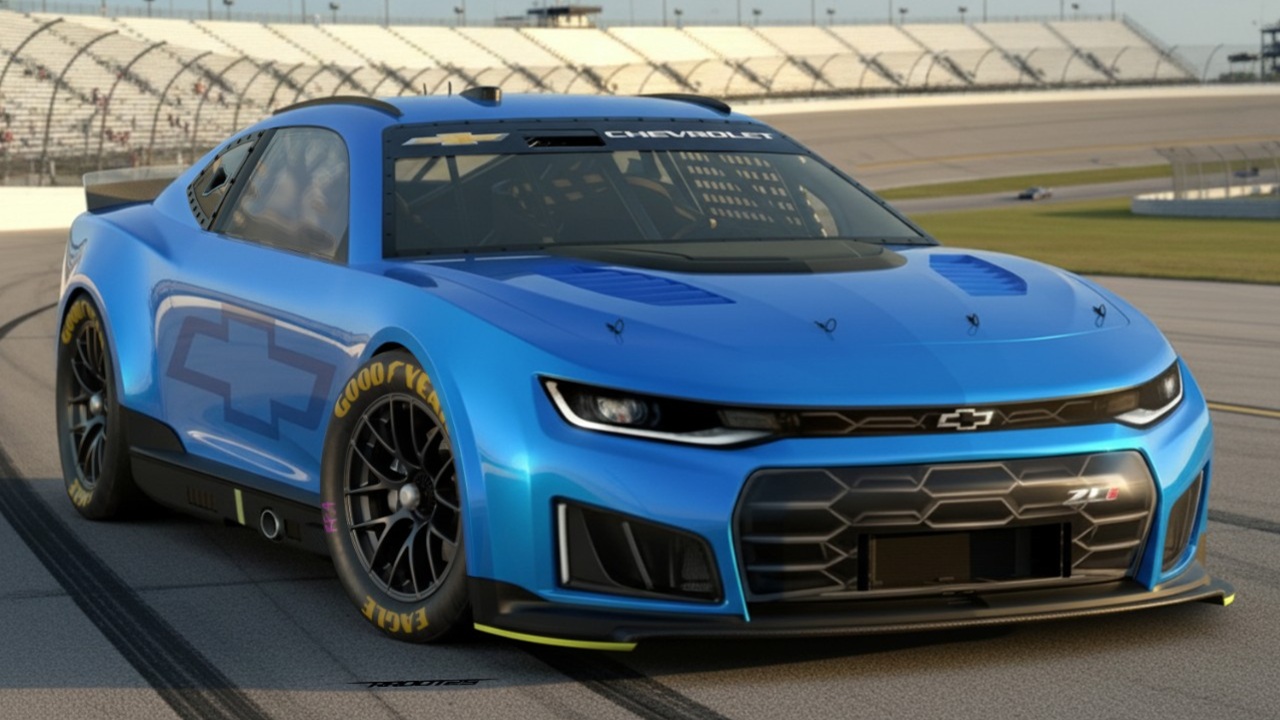
From a competitive standpoint, the timing matters. Chevrolet is preparing to roll out a redesigned ZL1 body for the 2026 NASCAR Cup Series, a new shape that will replace the current model and reset the development curve for every Chevy team. That redesign, detailed in the 2026 Cup Series overview that notes how manufacturers are updating their cars, gives Rick Ware Racing a rare chance to join a manufacturer at the start of a platform rather than trying to catch up mid-cycle. Instead of inheriting a mature Ford package with years of baked-in setups and aero maps, the team will learn the new Chevrolet ZL1 alongside other Chevy organizations, which can narrow the gap that typically separates a small team from the front of the field.
Chevrolet’s new ZL1 and what it offers a small team
Chevrolet’s decision to unveil a new ZL1 body style for 2026 is not just a styling exercise, it is a technical reset that can change how the Cup Series races on a weekly basis. The 2026 NASCAR Cup Series entry list notes that the redesign is based on an updated production model and that it will replace the outgoing ZL1 in the manufacturer lineup, which means every Chevrolet team will be reworking their aero balance, suspension tuning, and simulation models around the new shell. By stepping into the Chevy camp at this moment, Rick Ware Racing gains access to the same baseline data and wind tunnel learnings that will shape how the new Chevrolet performs on short tracks, intermediates, and superspeedways.
For a team that has often been defined by its resource limitations, that shared starting line is critical. Instead of trying to adapt older Ford notes to evolving rules and tire constructions, Rick Ware Racing can build its 2026 setups around the same ZL1 architecture that front-running Chevrolet teams will be refining. The new body style, combined with the team’s fresh manufacturer alliance, gives it a clearer path to incremental gains in qualifying speed and race trim. The Cup Series overview of the 2026 season underscores how significant this redesign is for the manufacturer group, and by committing to the updated ZL1 platform, Rick Ware Racing is effectively betting that Chevrolet’s next-generation car will give it a more competitive baseline than it had with Ford.
New alliances and the search for competitive relevance
Manufacturer changes in the NASCAR Cup Series rarely happen in isolation, and Rick Ware Racing’s move to Chevrolet is no exception. Alongside the switch, the team has secured a new alliance partner, a detail that signals a deeper integration into the Chevy ecosystem rather than a simple engine lease or decal swap. Reporting on the change notes that the NASCAR operation is not only moving from Ford to Chevy but also tying itself to a fresh technical relationship, with the team’s 2026 plans framed around a new alliance partner that will influence how it sources cars, engines, and engineering support.
For a smaller organization, that alliance can be as important as the manufacturer badge itself. In recent seasons, Rick Ware Racing has often been a step behind on raw pace, leaning on survival and strategy to grab occasional top-20 finishes. By embedding with a stronger Chevrolet partner, the team can tap into shared simulation tools, chassis setups, and race-weekend debriefs that it simply could not replicate on its own. The confirmation that Rick Ware Racing’s Cup Series program will switch to Chevrolet and the parallel reporting that it is restructuring its alliances suggest a deliberate attempt to move from field-filler status toward a more stable mid-pack presence, even if the climb will still be steep.
How the move reshapes the 2026 NASCAR Cup grid
Rick Ware Racing’s manufacturer jump also nudges the broader NASCAR Cup Series landscape. Every time a team changes brands, it alters the balance of power among the three major manufacturers and reshuffles how technical resources are distributed. With Rick Ware Racing leaving Ford and joining Chevrolet, the Chevy camp gains another full-time presence on the grid, while Ford loses a customer that had been part of its Cup footprint. The confirmation that the team’s Cup Series operation will run Chevrolet equipment in 2026, combined with coverage that frames the move as a manufacturer switch for the upcoming NASCAR Cup season, underscores how this decision will be felt beyond one team’s shop floor.
That shift comes at a moment when Chevrolet is already investing in its Cup Series presence through the new ZL1 body and deeper partnerships with established organizations. The 2026 Cup Series overview notes that the redesigned ZL1 is tied to a partnership with Richard Childress Racing, which reinforces how seriously Chevrolet is treating its next-generation car. By adding Rick Ware Racing to that manufacturer roster, Chevy gains another data point on race weekends and another car that can help refine setups across different track types. For Ford, the loss is more symbolic than structural, since Rick Ware Racing has not been a weekly contender, but it still trims the number of blue-oval entries and concentrates Ford’s focus on its remaining teams. The net effect is a slightly more Chevy-heavy grid in 2026, with Rick Ware Racing serving as a test case for how far a small team can climb when it aligns with a manufacturer that is rolling out a fresh ZL1 platform.
What it means for Rick Ware and Cody Ware
The manufacturer switch is not just a corporate story, it also has direct implications for the people whose names are on the cars. Rick Ware Racing and driver Cody Ware are both tied to the 2026 plan, with reporting noting that the team and Cody Ware will make the move to Chevrolet together for the upcoming NASCAR Cup season. That continuity matters, because it means the driver who has logged laps in the team’s Ford entries will now be responsible for translating that experience into feedback on the new Chevy package. The coverage that highlights Rick Ware Racing and Cody Ware switching to Chevrolet frames the move as a joint step rather than a driver change layered on top of a manufacturer overhaul.
From my perspective, that stability gives the team a better chance to evaluate whether the Chevrolet move is delivering the performance gains it wants. With the same driver in the seat, Rick Ware Racing can compare how its cars behave on familiar tracks before and after the switch, isolating the impact of the new ZL1 body, the alliance partner, and the manufacturer support. It also gives Cody Ware a fresh opportunity to redefine his own narrative, moving from a driver often associated with backmarker equipment to someone tasked with helping a small team grow into its new identity. The combination of a new Chevrolet platform, a reworked alliance structure, and a returning driver sets up 2026 as a pivotal season for both Rick Ware and Cody Ware, with their fortunes now tightly linked to how well they adapt to life in the bowtie camp.