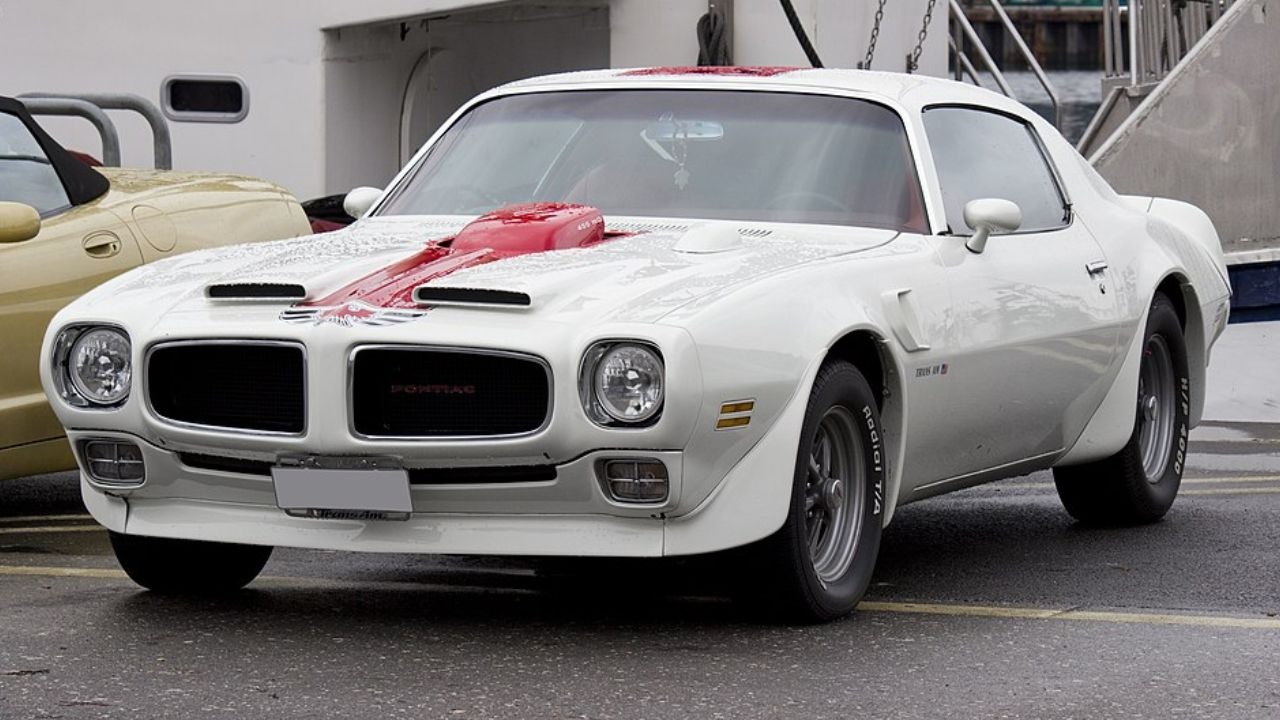
The 1971 Pontiac Trans Am 455 is often celebrated as one of the most iconic muscle cars of its era, renowned for its powerful performance and striking design. With its formidable torque and engineering innovations, this vehicle set a high bar for American performance cars during a time of significant automotive transformation.
Historical Context of the 1971 Trans Am
The late 1960s and early 1970s marked a golden era for American muscle cars, characterized by unrestrained power and aggressive styling. This period saw fierce competition among manufacturers vying for dominance in the performance vehicle market. The muscle car segment exploded, with automakers introducing increasingly powerful engines and innovative designs. The Pontiac Trans Am, first launched in 1969, quickly became a standout model in the lineup, embodying the spirit of American automotive enthusiasm.
During this transformative time, the introduction of the 455 engine in 1971 was a pivotal moment for the Pontiac brand. The 455 cubic inch V8 represented a significant leap in performance, boasting impressive torque figures that made it a formidable contender against rivals like the Chevy Camaro and Ford Mustang. The automotive industry was also navigating challenges such as tightening emissions regulations and an impending oil crisis, which would ultimately influence vehicle design and consumer preferences. Nevertheless, Pontiac managed to deliver a car that maintained the muscle car ethos while adapting to the changing landscape of the auto industry.
Performance Specifications
The heart of the 1971 Pontiac Trans Am 455 is undoubtedly its powerful 455 cubic inch V8 engine, which was capable of producing an impressive 335 horsepower and a staggering 480 lb-ft of torque. This combination provided exhilarating acceleration and made it one of the most powerful vehicles of its time. The engine was mated to a three-speed Turbo Hydra-Matic transmission, offering smooth shifts that enhanced the driving experience. In terms of performance, the Trans Am 455 was not just about raw power; its well-engineered drivetrain and suspension system contributed to its handling and stability at high speeds.
When compared to its contemporaries, such as the Ford Mustang and the Chevy Camaro, the Trans Am 455 held its own remarkably well. While the Mustang offered a range of engine options, including the powerful 351 Cleveland, and the Camaro was known for its high-performance Z/28 variant, the Trans Am’s torque figures gave it a unique advantage in straight-line acceleration. The careful engineering of its suspension and steering systems provided a balanced ride and responsive handling, making it a favorite among enthusiasts who valued both speed and drivability.
Design Features
The exterior design of the 1971 Trans Am is iconic, featuring aggressive lines and bold styling that commanded attention on the road. One of the most recognizable elements is the “screaming chicken” hood decal, which adds a distinctive flair to its already striking appearance. The wide stance, combined with the sleek silhouette, exudes an aura of power and performance that appealed to a generation of car lovers. The car’s bold color options, including the famous Lucerne Blue and classic Polar White, further enhanced its visual impact.
Inside the Trans Am, drivers were greeted with a thoughtfully designed cockpit that prioritized both comfort and performance. The interior featured high-quality upholstery options, with choices ranging from standard vinyl to luxurious leather, providing a personalized touch. The dashboard was equipped with sporty instrumentation, including a tachometer and oil pressure gauge, allowing drivers to monitor performance metrics at a glance. The combination of these design elements contributed to the car’s legacy and its continued appeal among collectors and enthusiasts today.
Technological Innovations
The 1971 model year brought several important engineering advancements that set it apart from its predecessors. One notable innovation was the introduction of the Ram Air system, which enhanced engine performance by improving airflow to the engine. This system allowed for better fuel combustion, resulting in increased horsepower and torque. The Ram Air option was particularly sought after by enthusiasts, as it provided a significant boost in performance without compromising reliability.
Additionally, the incorporation of improved suspension components and a more robust chassis design contributed to the car’s handling characteristics. The Trans Am featured front and rear sway bars, which reduced body roll during cornering, making it more agile and responsive on the road. These technological innovations not only improved the driving experience but also laid the groundwork for future generations of muscle cars, demonstrating Pontiac’s commitment to performance and engineering excellence.
Market Performance and Sales Figures
The market performance of the 1971 Pontiac Trans Am 455 reflected both the enthusiasm for muscle cars and the challenges faced by the automotive industry during this period. Despite its impressive specifications, the Trans Am experienced a decline in sales numbers compared to previous years, largely due to the impending oil crisis and shifting consumer preferences towards more fuel-efficient vehicles. In total, Pontiac produced only 2,116 units of the 455 model, making it a rare find today.
When examining production numbers, it’s essential to note the distinction between the Trans Am 455 and its higher-performance variant, the 455 HO. The HO, or High Output, was designed for those seeking even greater performance, but it was produced in significantly lower quantities, making it even more desirable among collectors. The limited availability of these models has contributed to their rising value in the collector car market, as enthusiasts seek to own a piece of automotive history.
Owner Insights and Experiences
For many original owners, the driving experience of the 1971 Trans Am 455 is unforgettable. Enthusiasts often describe the sensation of acceleration as exhilarating, with the powerful engine delivering robust torque that propels the car forward with authority. The handling characteristics, enhanced by its well-engineered suspension, allow for confident cornering, making it a joy to drive on winding roads. Owners frequently share stories of late-night cruises and weekend car shows, where the Trans Am drew attention and admiration from fellow car lovers.
As the years have passed, many Trans Am enthusiasts have taken to modifying and restoring their vehicles to enhance performance and preserve their unique character. Common modifications include upgrading the exhaust system for improved sound and performance, as well as installing modern fuel injection systems for better reliability and efficiency. These modifications not only enhance the driving experience but also allow owners to personalize their cars, keeping the spirit of the 1971 Trans Am alive for future generations. For those interested in community and connections, forums such as Facebook groups dedicated to classic muscle cars provide a platform for sharing experiences and tips on restoration projects.
The 1971 Trans Am in Popular Culture
The 1971 Pontiac Trans Am has made a lasting impact on popular culture, cementing its status as a cultural icon. Its appearances in movies and television, such as the classic film “Smokey and the Bandit,” featuring Burt Reynolds, showcased the car’s performance and rebellious spirit. This film not only elevated the Trans Am’s profile but also contributed to the muscle car’s association with freedom and adventure in the American psyche.
As a symbol of American muscle, the Trans Am has remained relevant in various forms of media, inspiring generations of car enthusiasts. The car’s design and performance have made it a favorite among collectors and restorers, and its legacy continues to grow as it appears in modern films and television shows. The influence of pop culture on the desirability and collector value of the Trans Am cannot be overstated, as it has contributed to a renewed interest in classic cars, driving up prices and demand in recent years.
Challenges Faced by the 1971 Trans Am
Despite its impressive specifications and cultural significance, the 1971 Pontiac Trans Am faced challenges that affected both its production and legacy. The onset of the oil crisis in the early 1970s forced manufacturers to rethink their focus on high-performance vehicles. Fuel efficiency became a primary concern for consumers, leading to a decline in demand for traditional muscle cars. As a result, Pontiac and other automakers had to adapt to changing market conditions, which often meant compromising on performance for fuel economy.
Moreover, the tightening of emissions regulations during this period posed obstacles for manufacturers looking to maintain the power levels that defined muscle cars. The Trans Am, like many of its contemporaries, had to navigate these restrictions, which limited performance options and led to a decline in horsepower figures compared to previous years. These challenges ultimately impacted the legacy of the 1971 Trans Am, as it became a symbol of a bygone era of unrestrained automotive power, shifting the focus toward smaller, more fuel-efficient vehicles.
Legacy and Collectibility
Today, the 1971 Pontiac Trans Am 455 stands as a highly sought-after collectible among car enthusiasts. Its rarity, combined with its powerful performance and striking design, has contributed to its status as a coveted classic. Recent market trends indicate a growing appreciation for muscle cars from the early 1970s, with collectors willing to pay premium prices for well-preserved or restored examples. Factors such as authenticity, condition, and documentation significantly influence the value of these vehicles in the collector market.
The future outlook for the appreciation of the 1971 Trans Am in the classic car market appears promising. As more enthusiasts recognize the significance of this model in automotive history, interest is likely to continue growing. With its unique blend of performance, design, and cultural impact, the 1971 Trans Am 455 will likely remain a beloved choice for collectors and admirers of American muscle for years to come. For those interested in delving deeper into the history and specifications of this iconic vehicle, resources such as automotive history books provide valuable insights and context.
More from Fast Lane Only