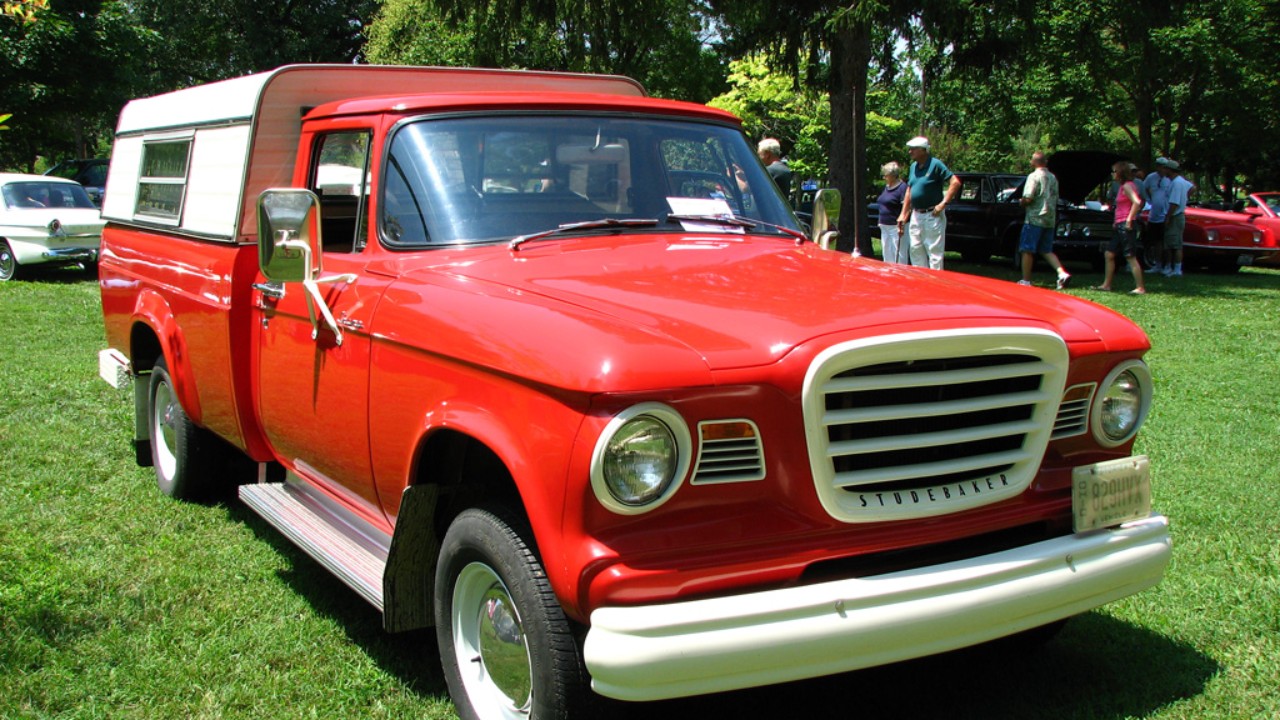
He thought his classic truck was exactly where he left it: tucked away, safe, and waiting for the day he’d finally have time to bring it back to life. Instead, he says he opened his phone one evening and saw something that made his stomach drop—his truck was listed online for sale. Same model, same unmistakable details, and somehow, brand-new photos that he didn’t take.
It’s the kind of story that sounds like a mix-up until you remember how easy it is for old vehicles to disappear into paperwork gaps and back-lot shadows. But he insists this wasn’t a “similar truck” situation. According to him, it was his.
A “safe storage” plan that lasted longer than expected
Like a lot of classic vehicle owners, he says he stored the truck when life got busy. Work, family, and the steady march of responsibilities have a way of turning “a few months” into “a few years.” The plan, he says, was simple: keep it stored, keep it protected, and come back when time and money lined up.
He describes the truck as one of those projects you don’t just forget about, even if you’re not actively wrenching on it. It had sentimental value, and he’d kept paperwork and spare parts organized. In his mind, it was on pause—not gone.
The online listing that didn’t make sense
The moment came casually, he says—scrolling through local listings the way people do when they’re killing time. Then he spotted it: a classic truck matching his, posted with crisp new photos taken in bright daylight. Not the dusty, “barn find” look he expected from something supposedly sitting untouched.
He says he zoomed in on the details. A particular trim piece, a small blemish, and a couple of quirks only an owner would notice seemed to match. The posting described it confidently, as if it had a clean story and a clear right to be sold.
And those photos? That’s what really bothered him. He says he hadn’t photographed it in years, and he definitely hadn’t taken new shots that looked like they were taken at someone’s driveway or a seller’s lot.
“That’s my truck”—and the details that made him sure
When people claim they’ve found their stolen vehicle online, the first question is always the same: how can you be sure? He says the answer is in the little things. Not just the year and make, but the combination of features and imperfections that are hard to fake.
He points to items like the specific wheel setup, a distinctive interior detail, and what he describes as a telltale mark that had been there for ages. It’s the automotive version of recognizing your own handwriting. Plenty of trucks might look close, but this one, he says, looked like home.
The scramble to figure out what happened
After the initial shock, he says he started backtracking: old messages, storage paperwork, and any record of when he last checked on it. He also tried contacting the seller through the platform, keeping it calm but direct. If there was a misunderstanding, he wanted to give it a chance to resolve without turning into a scene.
He says the responses he got—if he got them at all—didn’t clear things up. Either the seller insisted it was theirs, or the conversation went quiet. That’s when the situation stopped feeling like an awkward mistake and started feeling like something else entirely.
Why classic vehicles can be surprisingly vulnerable
Old vehicles have a weird kind of value. They’re worth enough to be tempting, but sometimes not valuable enough to get the same level of tracking and protection people assume modern cars have. If a truck’s been off the road for years, it might not have recent registration activity, a current insurance policy, or a modern tracking system to help prove where it’s been.
Storage arrangements can add another layer of risk. A lot can change in a few years: facilities switch owners, staff turns over, payment records get messy, and verbal agreements get remembered differently by different people. Even when nobody’s trying to be shady, confusion can create the kind of opening that a determined seller might take advantage of.
What someone should do if they spot their vehicle for sale
Situations like this can make people want to go full detective—or show up in person and demand answers. But if a vehicle is truly stolen or improperly sold, showing up alone can turn risky fast. The safer play is to document everything first: screenshots of the listing, the seller profile, timestamps, and every photo, especially anything showing a license plate, VIN plate, or unique damage.
From there, it helps to gather proof of ownership in one place. Titles, past registrations, insurance records, purchase documents, repair receipts, and even old photos can matter. If the vehicle has a VIN, writing it down from old paperwork and comparing it to any VIN shown in the listing can be a huge step—though many listings conveniently don’t include it.
He says he also learned how useful it is to keep communications in writing. Messages through the selling platform, emails, and texts can create a clean timeline of what was said and when. If it escalates to law enforcement or a legal dispute, a tidy trail is worth more than a dozen heated phone calls.
The bigger question: how did new photos even happen?
One of the strangest parts of his story is the new photography. Photos don’t appear out of thin air, and they usually mean physical access. That raises uncomfortable possibilities: the truck may have been moved, taken out of storage, or transferred in a way he wasn’t told about.
It’s also possible the listing used old photos from somewhere else, but he says these didn’t look like archived images. They looked current—clear, well-lit, and staged like a routine for-sale post. If you’ve ever sold a vehicle online, you know that “I just happened to have 20 great angles ready to go” usually means the seller had time with it.
A cautionary tale for anyone with a long-term project
He says the whole experience made him rethink the way people treat stored vehicles. It’s easy to assume that if something is behind a locked door, it’s safe indefinitely. But time is sneaky, and the longer a vehicle sits out of sight, the easier it is for details to blur—who has keys, who has access, and who’s keeping track.
If there’s any silver lining, it’s that online listings can expose problems that might otherwise stay hidden. The internet giveth, the internet taketh away, and occasionally the internet hands you a digital clue with a price tag attached. He says he never expected to “reconnect” with his own truck through a sales post, but here he was.
For now, he says he’s focused on verifying details, keeping records, and pushing for answers through the proper channels. It’s not the fun part of owning a classic truck, but it might be the part that determines whether he gets it back. And if nothing else, his story is a reminder: if you’ve got a project vehicle tucked away somewhere, it might be worth checking in—before it shows up online with someone else holding the camera.
More from Fast Lane Only