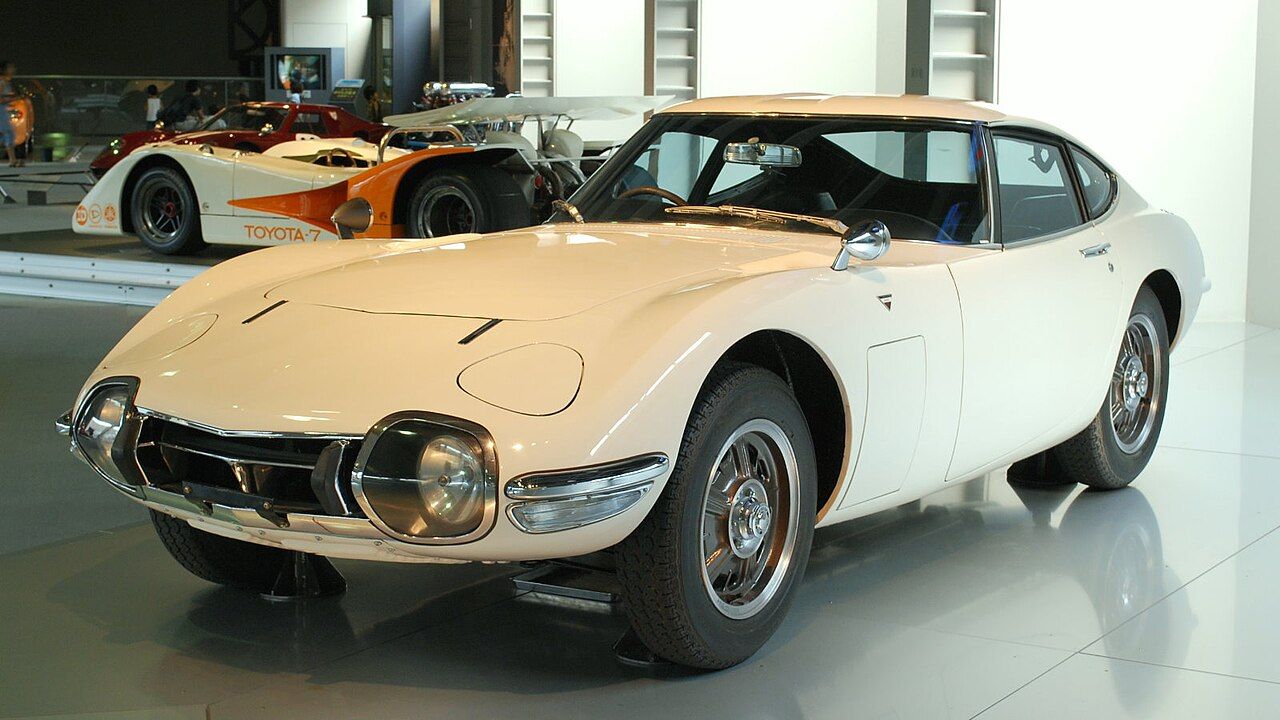
With a 1967 Toyota 2000GT, “leave it alone” isn’t laziness—it’s often a deliberate strategy. These cars sit at the intersection of Japanese engineering ambition and low-volume craftsmanship, and that combination makes originality feel like part of the car’s identity. When owners talk about their 2000GT, the story frequently begins with what they refused to change.
Why originality matters more with a low-production halo car
The 2000GT was built in very small numbers, and many components were specific to the model rather than shared across a large Toyota parts bin. That scarcity changes the restoration mindset: replacing a worn item with something “close enough” can quietly erase the very details that make the car recognizable to knowledgeable eyes. Even seemingly minor deviations—fasteners, finishes, and trim textures—can stand out on a car that was always about precision and presentation.
Owners also know that period-correct details tend to be better documented for the 2000GT than for many contemporaries from emerging performance markets. Between road tests, photography from the late 1960s, and long-running enthusiast interest, there’s a paper trail that makes it easier to verify what “right” looks like. That documentation encourages preservation because it gives owners confidence that their careful choices are measurable, not just sentimental.
The parts challenge: saving what you can before you replace anything
For many 2000GT caretakers, the first step is conservation rather than restoration. Original trim pieces, badges, interior hardware, and glass are often treated like irreplaceable artifacts, because sourcing exact replacements can be difficult or time-consuming. Even when reproduction or substitute parts exist, they may not match the original manufacturing methods or finishes closely enough.
This is why you’ll hear owners talk about rebuilding and refurbishing components that would routinely be swapped on other classics. If a piece can be stabilized, repaired, or sympathetically refinished, that route is often preferred. The goal isn’t to keep the car frozen in time; it’s to keep it honest, with as many factory-correct surfaces and assemblies as practical.
Paint, plating, and patina: choosing restraint over perfection
Paint decisions can define a 2000GT’s story. A full respray might look stunning, but owners often weigh it against the value of original paint, original color choice, and the way factory finishes age. When original paint survives, even with flaws, it can serve as a reference point for correct texture, gloss, and panel character that modern materials sometimes smooth out.
Brightwork and plated finishes raise similar questions. Replating can make a car look “better than new,” but it can also introduce the wrong tone or over-polished surfaces that don’t match period production. Many owners aim for refurbishment that retains crisp edges and correct appearance, accepting light wear because it reflects the car’s real history rather than a modern interpretation of it.
Interior preservation: materials and craftsmanship you can’t easily replicate
The 2000GT’s cabin is a big part of its mystique, and interior originality is often where owners draw their firmest lines. Correct upholstery grain, stitching patterns, and small fittings can be hard to reproduce convincingly decades later. Even when a retrim is necessary, owners tend to document everything, saving original material samples and hardware so replacements can be matched as closely as possible.
Wood and metal interior details also push people toward careful preservation. The look and feel of period materials—how they reflect light, how they wear, how they fit—can be difficult to recreate without losing subtle character. So the best-kept interiors often aren’t the most cosmetically perfect; they’re the ones that still feel like they were assembled in the 1960s.
Mechanical originality vs. drivability: how owners balance both
Protecting originality doesn’t mean ignoring maintenance. With a rare grand tourer, the common approach is to service and rebuild rather than modernize, keeping the car’s mechanical personality intact. Owners often prioritize correct-spec repairs and reversible choices, so the car remains true to its era while still being dependable enough for careful use.
That balancing act shows up in the smallest decisions: retaining period-correct components where feasible, keeping finishes and routing consistent with factory practice, and avoiding modifications that require permanent changes. Even upgrades that might be popular on other classics can feel out of place on a car celebrated for engineering coherence. The guiding idea is to keep the driving experience authentic, not merely faster or flashier.
Provenance and documentation: the quiet backbone of an original car
Because these cars are so collectible, owners often become archivists. Maintenance records, early ownership history, factory-correct photos, and old registration documents can matter almost as much as the condition of the bodywork. The more complete the paper trail, the easier it is to justify preservation decisions and demonstrate that what remains on the car is genuinely from its earlier life.
This is also where the “protect originality” mindset becomes a narrative. A well-documented 2000GT can show a chain of careful custody: owners who chose repair over replacement, who stored removed parts instead of discarding them, and who resisted trends that would date the car to a later era. It’s not just about value; it’s about stewardship of a model that represents a pivotal moment for Japanese performance cars.
That’s why so many 1967 Toyota 2000GT conversations start with restraint. The owners aren’t simply preserving a rare machine; they’re preserving a set of design and manufacturing decisions that helped define the car’s reputation. When originality is treated as a feature, every careful choice becomes part of the story the car tells the next time it’s seen, heard, and driven.