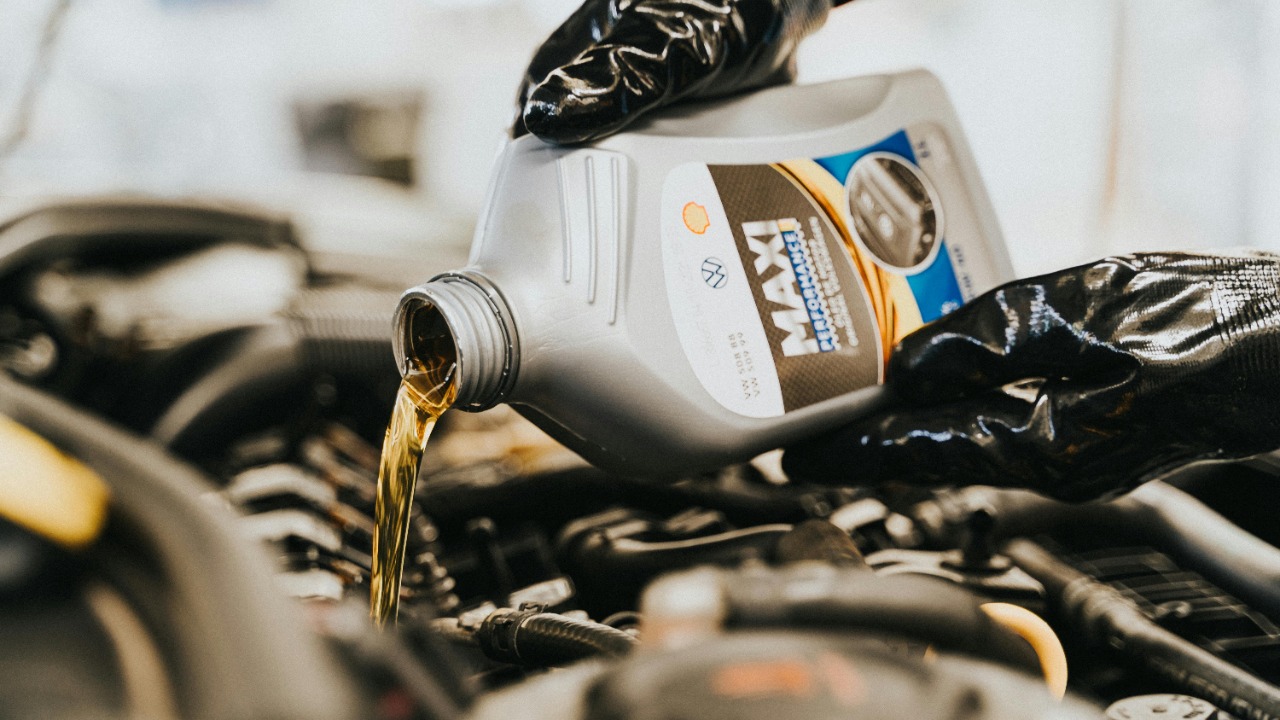
Overfilling engine oil might sound harmless compared to running low, but mechanics are increasingly warning that it can quietly damage modern performance engines. In today’s tightly engineered turbocharged and high-revving platforms, even a small excess in oil level can trigger aeration, pressure issues, and long-term wear that owners often mistake for unrelated engine problems.
What happened
For decades, adding a little extra oil was considered “safe insurance” against low oil levels, especially in older engines with looser tolerances. Many drivers even believed slightly overfilling could help protect high-mileage motors under hard driving conditions. But modern performance vehicles have changed that equation completely.
Today’s engines—especially turbocharged and direct-injected units found in cars like the BMW M3, Subaru WRX, and Porsche 911—operate with extremely precise oil volume requirements. These engines use finely balanced crankcase ventilation systems, high-speed oil pumps, and tight internal clearances designed around a very specific oil level range.
When oil is overfilled, the crankshaft can begin to churn through the excess fluid. This creates aeration, turning parts of the oil into foam. Unlike liquid oil, foamed oil does not maintain stable lubrication film strength. That means bearings, camshafts, and turbocharger components may not receive consistent protection under load.
Mechanics also point out that modern engines rely heavily on oil control systems tied into emissions and intake design. Excess oil can be forced into the PCV system, where it gets pulled into the intake tract. This leads to oil coating in intercoolers, throttle bodies, and intake valves—especially in turbocharged engines that already operate under high vacuum and boost cycles.
In some cases, drivers only notice the problem after an oil change where the technician accidentally overfills by as little as half a quart. The symptoms don’t always appear immediately, which is why the issue is often misdiagnosed as sensor faults or normal engine behavior.
Why it matters
The danger of overfilled oil isn’t just mechanical—it’s systemic. Modern performance engines depend on a delicate balance between oil pressure, crankcase ventilation, and air induction efficiency. When that balance is disrupted, multiple problems can appear at once.
One of the most serious risks is crankshaft windage. When the rotating assembly hits excess oil, it creates resistance that robs horsepower and increases internal temperatures. Over time, this added drag can contribute to premature bearing wear and reduced engine efficiency.
Turbocharged engines are even more sensitive. Excess oil entering the intake system can lead to carbon buildup on intake valves and increased deposits inside the turbocharger housing. This can affect spool characteristics and long-term reliability. In extreme cases, oil ingestion through the intake can lead to detonation or misfires under load.
Another issue is seal stress. Modern engines are designed around controlled crankcase pressure. When oil volume increases beyond spec, crankcase pressure can rise, forcing oil past valve stem seals, crank seals, and gaskets. This often shows up as sudden leaks in engines that previously had no sealing issues.
Fuel economy and emissions can also suffer. Aerated oil reduces lubrication efficiency, forcing the engine control system to compensate for irregular friction and combustion behavior. Drivers may notice rough idle, inconsistent throttle response, or increased oil consumption that doesn’t match driving habits.
Mechanics emphasize that these symptoms often appear “random” to owners, but they typically trace back to a single overlooked issue: too much oil in a system designed for precision, not excess.
What to watch next
Technicians recommend checking oil level with strict attention to manufacturer specifications, especially in performance vehicles where even small deviations matter. Unlike older engines with wide tolerances, many modern dipsticks are calibrated with a narrow safe range between “MIN” and “MAX,” and exceeding that range can cause immediate side effects under load.
One early warning sign is a sudden increase in oil consumption after a recent oil change. If the level was initially overfilled, the engine may attempt to purge excess oil through the PCV system, leading to intake contamination and gradual loss of oil volume. This can confuse owners who assume the engine is “burning oil.”
Another indicator is smoke under hard acceleration. While not always visible in mild cases, excess oil entering the combustion chamber can produce brief blue-tinged exhaust smoke, especially in turbocharged setups under boost.
Drivers should also monitor for unusual engine behavior after service. If the engine feels slightly more sluggish, or if fuel economy drops shortly after an oil change, it may be worth rechecking the oil level rather than assuming unrelated mechanical failure.
For turbocharged performance cars, periodic inspection of the intercooler piping and throttle body can reveal early signs of oil contamination. A light film may be normal over long intervals, but heavy wet oil presence often indicates overfill-related PCV carryover.
Mechanics also stress the importance of proper oil measurement technique. Vehicles should be checked on level ground, with sufficient drain-back time after shutdown. Even small errors in measurement—combined with a full oil filter replacement—can push some engines over their designed limit.
Looking ahead, newer performance engines are becoming even more sensitive as manufacturers pursue tighter emissions control and higher efficiency. Oil capacity margins are shrinking, and crankcase ventilation systems are becoming more integrated with intake and emissions hardware. This means that overfilling will likely become an even more critical issue in future performance designs.
The takeaway from mechanics is straightforward: more oil is not better in modern engines. In fact, in today’s high-performance platforms, excess oil can be just as harmful as running low—sometimes even more so because the damage develops quietly. For enthusiasts and daily drivers alike, precision has replaced guesswork, and staying within spec is no longer optional—it’s essential for long engine life.