Modern turbocharged engines deliver impressive efficiency and strong performance, but mechanics are increasingly warning that repeated short warm-up cycles may be accelerating long-term engine wear. Many drivers regularly start vehicles, drive briefly, and shut them down before engines fully reach operating temperature, creating conditions that can negatively affect turbochargers and internal engine components.
Turbocharged engines operate under extreme heat and pressure
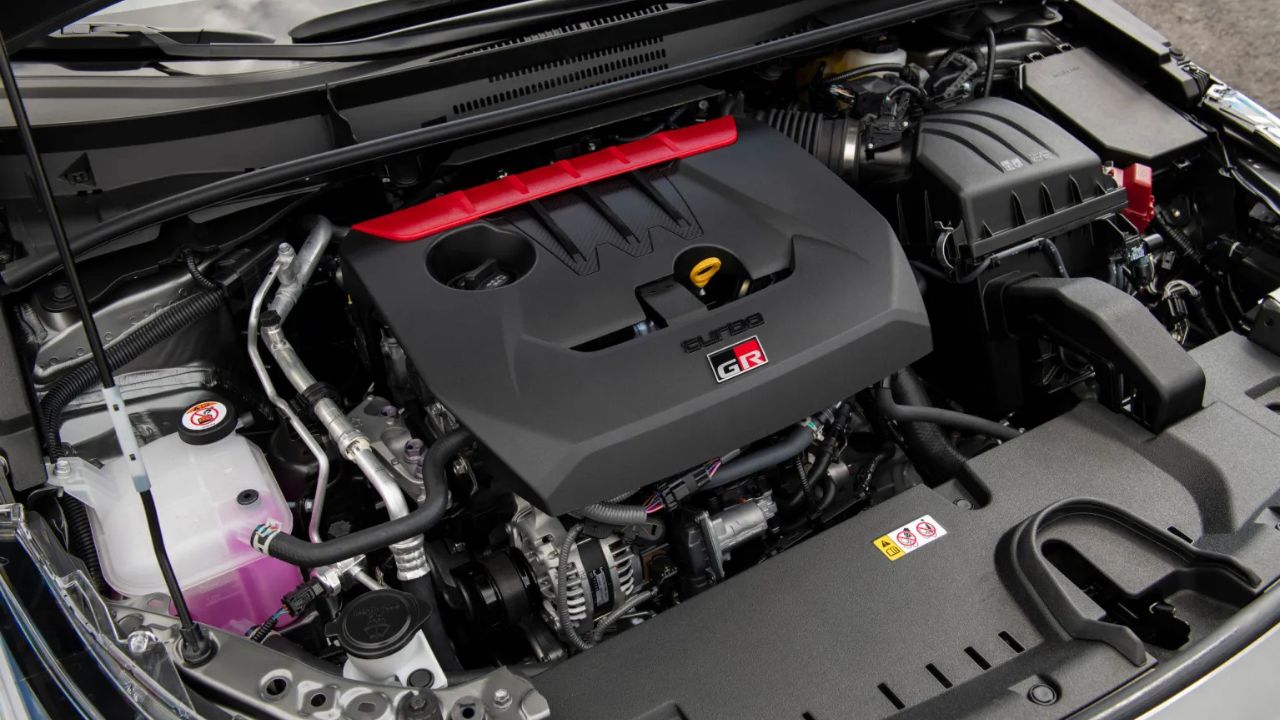
Manufacturers like Ford Motor Company, Volkswagen, and Toyota heavily expanded turbocharged engine development to improve fuel economy while maintaining strong power output. Turbo systems operate at extremely high temperatures and rotational speeds during normal driving.
Because turbochargers rely heavily on engine oil for both lubrication and cooling, mechanics say proper warm-up conditions are important for long-term durability. Repeated cold operation prevents oil from reaching ideal viscosity and can increase stress on sensitive turbocharger components.
Short trips often prevent oil from fully reaching operating temperature
One of the biggest concerns mechanics report involves drivers frequently making short trips before the engine and oil fully warm up. During cold starts, engine oil remains thicker and circulates less efficiently throughout turbocharged systems.
Inside turbocharged vehicles from Volkswagen and Ford Motor Company, mechanics often see accelerated wear when engines repeatedly experience incomplete warm-up cycles. Moisture and fuel contamination may also remain trapped inside the oil when operating temperatures are never sustained long enough to burn them away.
Turbocharger bearings are especially vulnerable during cold operation
Modern turbocharger lubrication systems depend on stable oil pressure and proper lubrication quality. During cold starts, turbocharger bearings may temporarily receive less effective lubrication until oil temperature stabilizes.
Mechanics working on turbocharged Toyota and Volkswagen engines frequently report premature turbo wear linked to repeated cold-use driving patterns. Over time, insufficient warm-up cycles may contribute to bearing wear, oil coking, and declining turbocharger efficiency.
Carbon buildup becomes more common with repeated short drives
Another major issue involves carbon accumulation inside modern direct-injected turbocharged engines. Engines that rarely achieve full operating temperature often experience increased carbon deposits because combustion efficiency remains lower during cold operation.
Within turbocharged engines from Ford Motor Company and Toyota, mechanics regularly encounter intake deposits, sludge formation, and contaminated oil caused partly by repeated short driving cycles. These conditions may gradually reduce performance and long-term reliability.
Modern emissions systems also struggle during incomplete warm-up cycles
Today’s turbocharged vehicles rely on advanced emissions control systems that operate most effectively at full temperature. Short trips may prevent catalytic converters and related systems from reaching optimal operating conditions.
Mechanics say vehicles from Volkswagen and Ford Motor Company sometimes experience increased emissions-related problems when driven primarily on very short trips. Incomplete warm-up cycles can gradually contribute to reduced efficiency and additional maintenance requirements.
Mechanics recommend allowing engines to fully warm regularly
Professional technicians generally advise owners of turbocharged vehicles to avoid constant short-trip operation whenever possible. While extended idling is unnecessary, regularly driving long enough for full operating temperatures helps protect engine oil, turbochargers, and emissions systems.
For owners of turbocharged vehicles from Toyota, Volkswagen, and Ford Motor Company, mechanics say consistent maintenance and proper operating habits remain critical for long-term reliability. In many cases, repeated short warm-up cycles quietly increase wear long before major symptoms begin appearing.
More from Fast Lane Only