Mercedes-Benz is currently navigating a challenging landscape in the U.S. electric vehicle (EV) market, where its strategic direction appears to diverge from the evolving preferences of American consumers. A recent report highlights these tensions, suggesting an urgent need for the automaker to realign its approach to meet buyer demand.
Current State of the U.S. EV Market
The U.S. electric vehicle market has seen remarkable growth over the past few years, fueled by increasing consumer awareness of environmental issues and a growing preference for sustainable transportation. According to industry reports, EV sales in the U.S. surged to approximately 6% of total auto sales in 2022, up from just 2% in 2020. This trend is expected to continue as more consumers consider the long-term cost savings and environmental benefits associated with EV ownership.
Key competitors in the EV space have adopted varied strategies to capitalize on this growth. Tesla remains a dominant force, known for its direct-to-consumer sales model and extensive charging network. Traditional automakers like Ford and General Motors are also making significant strides in electrification, with Ford’s Mustang Mach-E and GM’s Chevrolet Bolt capturing consumer interest. As the landscape shifts, it’s crucial for manufacturers like Mercedes-Benz to understand their position relative to these competitors and consumer preferences, especially regarding the types of EVs gaining traction, such as SUVs and luxury models.
Mercedes-Benz’s EV Strategy: Goals and Vision
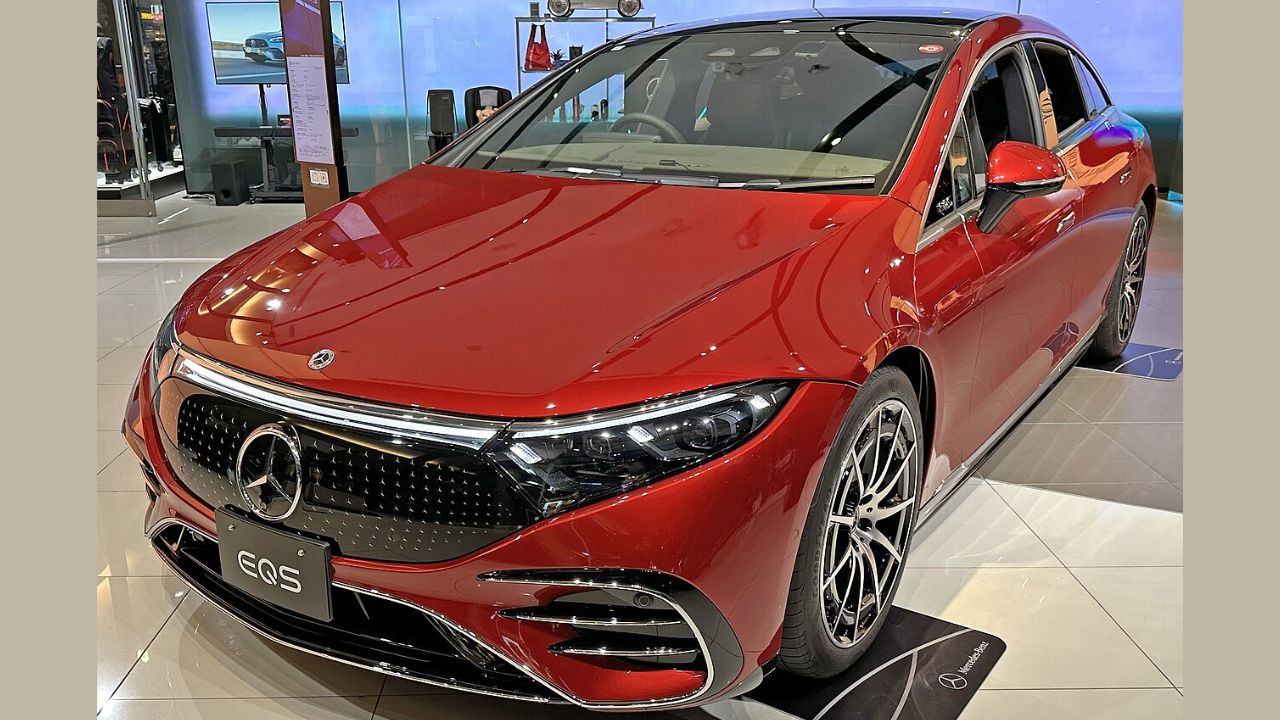
Mercedes-Benz has set ambitious long-term goals for electrification, aiming to become a leader in sustainable mobility. The company has committed to transitioning its entire lineup to electric by 2030, with the EQ brand serving as its primary platform for EVs. This includes models such as the EQS luxury sedan and the EQB compact SUV, which reflect the brand’s commitment to performance, luxury, and cutting-edge technology.
The automaker is also focusing on sustainability initiatives, including plans to reduce carbon emissions in production and promote battery recycling. Mercedes-Benz’s technological innovations aim to enhance the driving experience with features like advanced driver-assistance systems and connectivity options, which are increasingly important to tech-savvy consumers. However, aligning these goals with actual consumer demand remains a challenge that requires careful consideration and adaptation.
Consumer Demand Trends
Understanding consumer preferences is vital for any automaker, especially in the rapidly evolving EV market. Recent surveys indicate that buyers prioritize features such as driving range, charging speed, and affordability when considering an electric vehicle. For instance, a study revealed that consumers often seek vehicles with a minimum range of 250 miles on a single charge, as this reduces anxiety associated with longer trips.
Demographic shifts also play a crucial role in shaping EV purchase decisions. Younger consumers, particularly Millennials and Gen Z, are increasingly interested in electric vehicles, driven by environmental values and a desire for modern technology. These demographics, however, often have lower disposable incomes, which raises concerns about the affordability of luxury models like those offered by Mercedes. Additionally, factors such as charging infrastructure and the availability of incentives can significantly influence purchasing decisions.
Identified Clashes Between Strategy and Demand
Despite its luxury branding, Mercedes-Benz faces challenges in aligning its product offerings with consumer desires. For example, the pricing of models like the EQS, which starts at over $100,000, may deter potential buyers who are looking for more affordable options. Market research indicates a growing preference for mid-range EVs that provide a balance of luxury and affordability, a segment where Mercedes has yet to establish a strong presence.
Consumer feedback on existing EV options, including the EQC and EQS, suggests that while buyers appreciate the performance and technology, they are often frustrated by the high price tags and limited availability. This perceived mismatch between luxury positioning and consumer expectations for value could pose significant reputational risks for the brand if not addressed promptly. Engaging actively with consumers to understand their needs and preferences will be crucial for Mercedes to avoid alienating potential buyers.
Market Research and Consumer Insights
Recent studies and reports have shed light on evolving consumer behavior and preferences in the EV market. Research published in the SAGE Journals indicates that buyers value not only the technology and performance of electric vehicles but also the overall ownership experience, including maintenance costs and resale value. These findings highlight the need for manufacturers like Mercedes to focus on the complete lifecycle of their vehicles.
The methodologies used in these studies often involve surveys and focus groups, providing a comprehensive view of consumer sentiments. For Mercedes, these insights could inform future product development and marketing strategies, enabling the brand to create offerings that resonate more effectively with target audiences. By leveraging data-driven insights, Mercedes-Benz can refine its approach to better meet the demands of the modern EV buyer.
Potential Strategies for Realignment
To better align its offerings with consumer demands, Mercedes-Benz might consider expanding its model range to include more affordable options within the EQ lineup. Introducing models that cater to the mid-range market could attract a broader customer base, especially among younger buyers who prioritize value without compromising on quality. Adjusting pricing strategies to make luxury features more accessible could also enhance the brand’s appeal.
Additionally, forming partnerships or collaborations with tech companies could bolster Mercedes’ competitive edge in the EV market. For instance, collaborating with charging network providers to enhance infrastructure access could alleviate consumer concerns about charging availability. Exploring innovative marketing strategies that effectively communicate Mercedes’ value proposition, emphasizing both luxury and sustainability, will further strengthen the brand’s position in a crowded marketplace.
Future Outlook for Mercedes in the U.S. EV Market
As the U.S. EV market continues to evolve, predictions suggest that consumer behavior will increasingly favor brands that offer a combination of performance, affordability, and sustainability. For Mercedes-Benz, adapting to these changes will be essential for long-term success. The ongoing advancements in battery technology and charging infrastructure are likely to influence purchasing decisions, making it crucial for the brand to stay ahead of the curve.
Success for Mercedes in this shifting landscape will mean not only achieving sales targets but also fostering a strong brand reputation that resonates with environmentally conscious consumers. With the right strategies in place, Mercedes-Benz can position itself as a leader in the U.S. EV market, balancing its luxury heritage with the evolving expectations of modern buyers. As the journey toward electrification continues, it will be fascinating to see how Mercedes adapts and innovates in response to these emerging trends.
More from Fast Lane Only