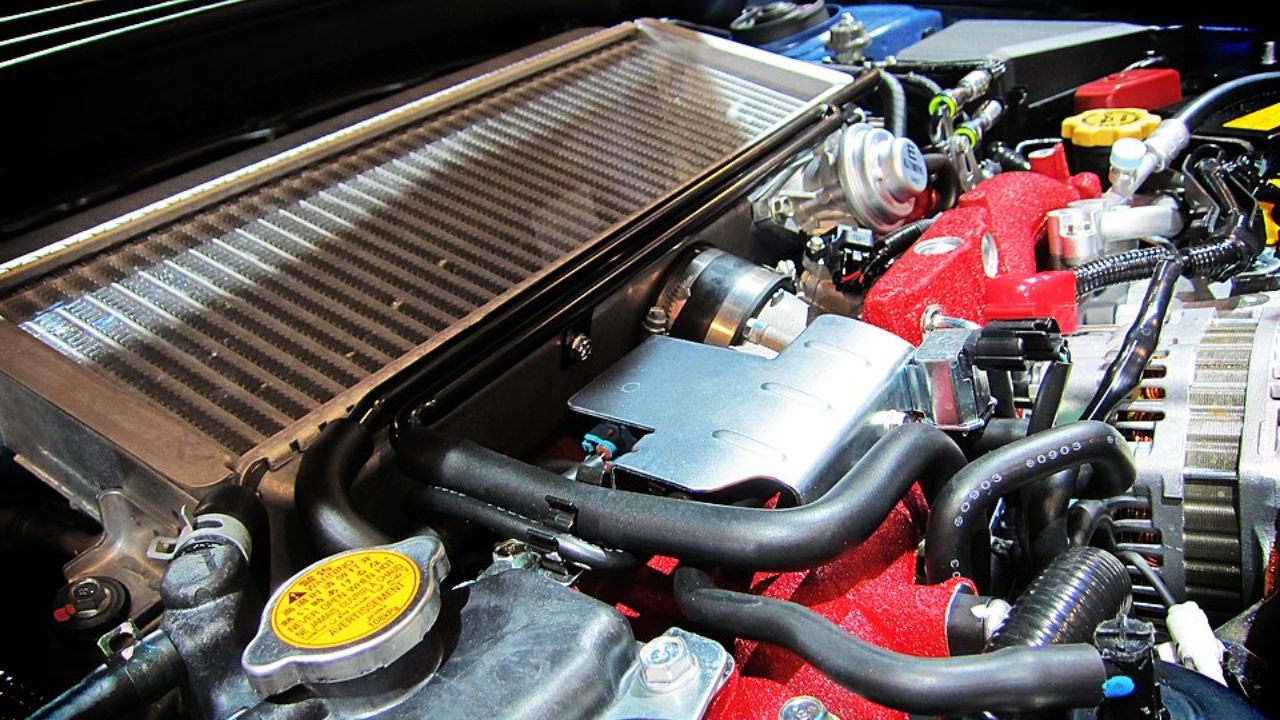
Subaru stands out as the only U.S. automaker still producing a turbocharged flat-4 engine, a configuration that offers unique benefits in performance and handling. With a rich history and a commitment to innovation, Subaru’s turbo flat-4 engines have become synonymous with the brand’s identity and appeal, particularly among enthusiasts.
History of the Turbo Flat-4 Engine
Subaru’s journey into turbocharged engines began in the 1970s, a time marked by a need for more power and efficiency. The introduction of the Subaru 360, one of the first mass-produced vehicles to feature a turbocharged flat-4 engine, set the stage for the brand’s engineering advancements. This innovative engine design not only provided a compact and lightweight solution but also laid the foundation for Subaru’s reputation in performance-oriented vehicles.
Throughout the years, Subaru has continuously refined the turbo flat-4 engine, solidifying its position with iconic models like the Subaru WRX. Launched in the early 1990s, the WRX quickly became a favorite among rally enthusiasts, showcasing the potential of turbo flat-4 technology. As the years progressed, Subaru’s commitment to this engine configuration has been a key factor in establishing its brand identity, emphasizing performance, reliability, and a unique driving experience.
What is a Flat-4 Engine?
The flat-4 engine, also known as a boxer engine, features horizontally opposed cylinders. This unique layout allows the engine to sit lower in the vehicle, contributing to a lower center of gravity. One of the most notable characteristics of the flat-4 is its ability to balance opposing forces, which significantly reduces vibration and enhances overall driving comfort. Compared to inline and V6 configurations, the flat-4 provides a smoother operation, which is particularly beneficial in high-performance contexts.
In addition to its performance benefits, the flat-4 engine design offers practical advantages. The compact size of the engine allows for more efficient use of space within the vehicle, making it easier to design around other components. As a result, Subaru has been able to integrate this engine into various models, from compact cars to larger SUVs, such as the Subaru Ascent. The versatility of the flat-4 has played a crucial role in Subaru’s diverse lineup and its appeal to a wide range of consumers.
Turbocharging Technology
Turbocharging is a technology that utilizes exhaust gases to spin a turbine, which then forces more air into the engine’s combustion chamber. This increased airflow results in a more powerful combustion process, leading to enhanced performance without significantly increasing engine size. For Subaru, turbocharging has been an integral part of its engineering strategy, enabling higher horsepower and torque outputs while maintaining relatively low displacement.
Subaru has developed specific turbocharging methods that enhance the efficiency and responsiveness of its flat-4 engines. Innovations such as variable geometry turbochargers allow for quicker spool times and a broader power band, making the driving experience more dynamic. These advancements not only improve performance but also contribute to better fuel efficiency, making turbo flat-4 engines appealing for both performance-minded drivers and those concerned about economy.
Performance Metrics
Subaru’s turbo flat-4 engines are known for delivering impressive performance metrics. For instance, the 2022 Subaru WRX comes equipped with a 2.4-liter turbocharged flat-4 engine that produces 271 horsepower and 258 lb-ft of torque. This allows the WRX to accelerate from 0 to 60 mph in just over 5 seconds, showcasing the engine’s capabilities. In comparison, competitors like the Honda Civic Type R, with its 2.0-liter turbocharged inline-4 engine, offers similar performance metrics but often at the cost of increased weight and a higher center of gravity.
Real-world performance reviews consistently highlight the driving experience delivered by Subaru’s turbo flat-4 engines. Automotive experts praise the WRX for its agility and handling, with many enthusiasts noting how the low center of gravity enhances cornering capabilities. Additionally, Subaru’s commitment to all-wheel drive technology ensures that the power generated by these engines is effectively transmitted to the road, further elevating the driving experience.
Environmental Considerations
As automakers face increasing pressure to meet emissions standards, Subaru has taken steps to ensure that its turbo flat-4 engines remain environmentally friendly. The introduction of technologies such as direct fuel injection and improved turbocharging methods has not only enhanced performance but also reduced emissions. This proactive approach allows Subaru to align its performance-oriented philosophy with sustainability efforts.
Turbocharging plays a pivotal role in improving fuel efficiency. By forcing more air into the combustion chamber, turbo flat-4 engines can produce more power without the need for larger displacement engines, which typically consume more fuel. Subaru’s commitment to enhancing fuel efficiency while maintaining performance is evident in models like the Subaru Outback, which utilizes a turbo flat-4 engine to achieve competitive mileage without sacrificing power.
Current Models Featuring the Turbo Flat-4
Today, Subaru continues to offer several models equipped with turbo flat-4 engines, including the WRX and Ascent. The WRX is particularly notable for its performance-oriented features, boasting a sport-tuned suspension, advanced all-wheel-drive system, and a host of technologies designed to enhance driving dynamics. Meanwhile, the Subaru Ascent, a midsize SUV, demonstrates the versatility of the turbo flat-4 by offering ample power and efficiency suitable for family-oriented driving.
Consumer feedback has generally been positive, with many praising the WRX for its engaging driving experience and the Ascent for its spacious interior and family-friendly features. The turbo flat-4 engine has allowed Subaru to cater to diverse market segments while maintaining a strong performance reputation.
Competitive Landscape
The competitive landscape for turbocharged engines in the U.S. market has shifted considerably in recent years. Many automakers, such as Ford and Chevrolet, have moved towards turbocharged inline engines or V6 configurations, capitalizing on their high power outputs and lower costs of production. This shift has left Subaru as a unique player in the market, with its commitment to the flat-4 design setting it apart from competitors.
Subaru’s decision to stick with the turbo flat-4 engine reflects its dedication to maintaining a distinctive identity. By focusing on performance, handling, and a unique driving experience, Subaru differentiates itself from other manufacturers who have opted for more conventional engine configurations. This strategic positioning has fostered a loyal following among enthusiasts who appreciate the brand’s commitment to innovation and performance.
The Future of Turbo Flat-4 Engines
Looking ahead, Subaru remains committed to the turbo flat-4 engine, with plans for continued refinement and innovation. As the automotive industry evolves, advancements in technology and materials may further enhance the performance and efficiency of these engines. There is potential for integrating hybrid technology with turbo flat-4 engines, which could provide even greater fuel efficiency while maintaining the brand’s performance standards.
The longevity of the flat-4 design will largely depend on consumer preferences and regulatory pressures. However, Subaru’s strong brand loyalty and its focus on performance suggest that the turbo flat-4 will continue to play a significant role in its lineup for years to come. As Subaru navigates the changing landscape of the automotive industry, the company’s commitment to the turbo flat-4 engine will likely remain a cornerstone of its engineering philosophy.
Enthusiast Community and Cultural Impact
The Subaru enthusiast community is vibrant and passionate, with a deep appreciation for the brand’s turbo flat-4 engines. These engines have become a hallmark of Subaru’s identity, particularly in motorsports and rally racing. The Subaru WRX, for example, has earned its place in rally history, with numerous championships and accolades, fostering a culture of camaraderie among fans and drivers alike.
Many enthusiasts share their experiences through forums, social media, and rally events, creating a strong sense of community. Testimonials from Subaru owners often highlight the unique driving dynamics offered by the turbo flat-4 engine, emphasizing the balance and responsiveness that set Subaru vehicles apart from the competition. This community not only celebrates the performance capabilities of these engines but also fosters a sense of belonging among like-minded individuals who share a passion for Subaru. The cultural significance of Subaru within motorsport further cements its reputation as a manufacturer dedicated to performance and innovation.
More from Fast Lane Only