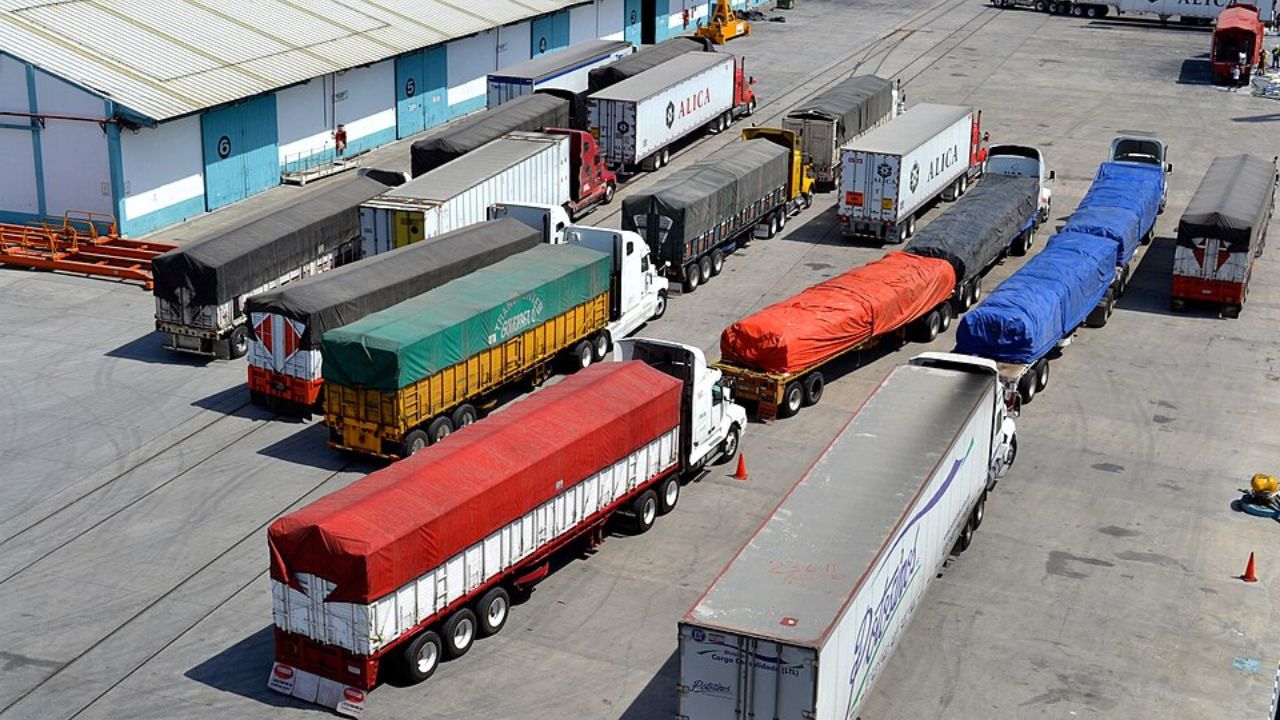
Mexico is quietly redrawing the battle lines with its cartels by treating fuel theft and crude oil smuggling as a priority crime economy rather than a side hustle. Cartel power now shows up not only in drug routes, but in tanker manifests, port records, and diesel flows that move between refineries, pipelines, and sea terminals.
As criminal groups pivot into fuel, Mexico is expanding criminal probes at key ports and tightening cooperation with United States authorities that track the same networks through financial sanctions. The result is a test of whether law enforcement that follows barrels and bank wires can blunt one of the cartels’ fastest growing revenue streams.
Why cartel fuel smuggling became a second revenue pillar
Mexico’s new investigations make little sense unless you first accept how big the fuel racket has become. Security documents cited by investigators describe how illicit fuel and stolen crude are now the second-largest source of revenue for Mexico’s cartels, behind narcotics, with profits helped by discounts that can reach more than half a cargo’s value for buyers willing to look the other way. One analysis of pipeline tapping and terminal fraud found that every day about 17,000 barrels of fuel are stolen in Mexico, much of it taken directly from the state oil company Pemex, turning what once looked like petty theft into an industrial-scale business that rivals mid-sized legal traders.
The same pattern appears on the import side. Investigators who track cross-border flows warn that fuel smuggling has grown so fast that bootleg imports now account for as much as one-third of Mexico’s diesel and gasoline market, according to sources with knowledge of the racket who described how discounted cargoes move through obscure intermediaries and lightly monitored docks. That scale helps explain why financial watchdogs such as FinCEN later warned that fuel theft had overtaken many traditional rackets as the cartels’ most significant non-drug revenue source, and why Mexican authorities now frame fuel crime as a national security issue rather than a narrow tax or customs problem.
Ports like Tampico, Guaymas and Ensenada move to the center of the fight
Once fuel is seen as a core cartel business, Mexico’s ports start to look like crime scenes instead of background infrastructure. Officials have already acknowledged criminal probes into suspected fuel smuggling at the Port of Tampico and linked those inquiries to wider patterns of illicit imports and ship-to-ship transfers that bypass customs controls. Earlier operations against the tanker Challenge Procyon, where authorities detained 14 people allegedly tied to illicit imports and found storage in a wasteland adjacent to the port, offered a preview of how maritime smuggling blends offshore transfers with onshore concealment to hide the true origin of crude and refined products.
Investigators now expect that model to repeat in other terminals. They are scrutinizing Gulf and Pacific ports such as Guaymas and Ensenada, where legitimate cargoes of gasoline, diesel, and crude move alongside shipments that may be underdeclared, mislabelled, or mixed with stolen Pemex product. A Mexican security document viewed by reporters describes how fuel smuggling in Mexico involves both stolen crude and contraband imports, and how cartels use shell companies and complicit operators inside port communities to keep those flows moving with minimal scrutiny.
How Mexico is expanding criminal probes and tightening enforcement
The current wave of investigations shows Mexico shifting from reactive raids on individual fuel taps to broader criminal cases that map entire supply chains. Authorities have expanded a probe into fuel smuggling at sea ports that were already highlighted in earlier investigations, folding in evidence from customs records, shipping logs, and homicide patterns in nearby communities. Officials describe how fuel theft in Mexico, including crude oil smuggling, has become the most significant non-drug illicit revenue stream, and argue that the only way to dent that income is to treat it as an organized financial crime that connects refineries, tank farms, and maritime terminals instead of as isolated thefts.
The strategy also reflects pressure from the United States. The Treasury Department has used its sanctions powers to target Mexican cartel fuel-smuggling networks and alert banks to the typologies that show up in suspicious transaction reports, a move that aims to cut off the dollar financing behind oil theft and contraband imports. Analysts who track those measures point out that since September, Treasury has sanctioned at least 12 Mexican nationals and 28 Mexico-based entities linked to CJNG fuel theft activities, which means the same companies and individuals now face scrutiny when they try to move money or charter vessels that touch Mexico’s ports.
Smuggling methodology from pipeline to tanker and the role of CJNG
For energy, shipping, or compliance professionals, understanding how the cartels actually move the product is now essential. A United States government brief on Smuggling Methodology explains that the cartels transport stolen Pemex crude oil to storage tanks in cartel-controlled territories, then blend it with legal volumes to obscure the source of the crude oil. Through that process, they can load mixed cargoes onto tankers or trucks that carry apparently clean documentation, making it harder for buyers or traders to distinguish legitimate shipments from those that contain stolen product once they leave Mexico’s interior.
CJNG’s specific role is another critical piece. United States officials describe the group as a major Mexican cartel involved in both fentanyl and oil theft. On September, OFAC sanctioned nine Mexican nationals and 26 Mexico-based entities linked, directly or indirectly, to CJNG and its leader, and those designations explicitly referenced fuel theft and crude oil smuggling as revenue streams. A separate advisory on how the United States targets Mexican cartel oil smuggling notes that since September Treasury has continued to add Mexican nationals and Mexico-based entities tied to CJNG fuel theft, a pattern that signals that financial and maritime regulators now treat fuel crime as inseparable from the broader fight against synthetic drugs and extortion.
What expanded probes mean for traders, shippers and local communities
For traders, shipowners, or banks, Mexico’s expanded investigations change the risk calculus around every cargo that touches its ports. United States officials have already warned that fuel theft has become the cartels’ most significant non-drug revenue source, and that reality has pushed regulators to focus on trade finance, correspondent banking, and ship chartering where red flags can surface. When a United States senator asked seven shipping giants to explain their due diligence on cartel-linked fuel smuggling, one operator, Norden, confirmed receipt of Wyden’s letter and stressed that its sea carriages follow applicable laws, underscoring how quickly reputational risk now follows any hint of exposure to illicit Mexican fuel.
Communities near ports and pipelines live with the consequences long before any sanctions list is updated. Mexican security officials tie many homicides to turf battles over fuel theft corridors and storage sites, and describe how cartel control of refineries, pipelines, and port-adjacent wastelands corrodes local governance. As Mexico has expanded a probe into fuel smuggling at sea ports and highlighted that many of the homicides are linked to this trade, residents in industrial hubs and coastal cities increasingly push for cleaner supply chains as a matter of basic safety rather than abstract compliance. For companies, aligning with that shift means scrutinizing counterparties, questioning cargo origins, and treating fuel smuggling not as a distant crime story but as a direct operational and ethical risk.
More from Fast Lane Only