Ford Racing has sent a clear signal about how serious its Hypercar ambitions are by putting Le Mans-winning engineer Leena Gade in charge of shaping its factory effort in the FIA World Endurance Championship. Looking ahead to the 2027 season, you now see a manufacturer pairing an ORECA-based prototype with one of endurance racing’s most accomplished race engineers to chase overall glory at Le Mans and across the WEC calendar. The hire offers a rare early glimpse into how Ford intends to build a program capable of standing up to the established giants of top-class sports car racing.
Why Leena Gade changes the equation for Ford
If you follow long-distance racing, you already know that Leena Gade is not a symbolic hire; she is a proven winner whose presence instantly raises expectations. Her record as a Le Mans-winning race engineer with Audi means you are looking at someone who has already mastered the blend of speed, reliability, and strategic nerve that defines the 24-hour classic, and that same mindset will now shape Ford’s Hypercar project. Seeing Ford Racing bring in a figure of that stature to lead its setup direction, you can reasonably read it as a declaration that the brand is targeting overall victories rather than simply filling grid slots.
Gade’s path to this role has taken her through elite single-seater and sports car programs, including a stint in IndyCar where Gade and the team parted ways after Hinchcliffe failed to qualify for the 2018 Indianapolis 500, a reminder that you only reach the top of this profession by surviving brutal public setbacks as well as headline victories. That background, combined with her later work in Canada and now her return to the FIA World Endurance Championship in 2027, gives Ford a leader who has already operated inside high-pressure, manufacturer-backed environments. With her name attached to a new WEC program, you can safely assume that car will be engineered to extract marginal gains across every stint and every pit stop.
Inside Ford Racing’s WEC Hypercar project
From your perspective as a fan or industry insider, the structure Ford Racing is building around its Hypercar entry matters almost as much as the identity of its lead engineer. The company has confirmed that its 2027 FIA World Endurance Championship Hypercar program will be based on an ORECA platform, which instantly places the project within a proven ecosystem of prototype design and support. For you, that means Ford is not starting from a blank sheet of paper but instead is building on a chassis supplier that already understands the specific demands of WEC circuits, Balance of Performance processes, and 24-hour reliability.
Alongside that technical foundation, Ford Racing has moved to strengthen its trackside structure so that Gade is not operating in isolation. Leading the trackside operations will be Grant Clarke, who joins Ford Racing as Trackside Engineering Manager after building a reputation as a calm, data-driven presence on the pit wall. When you see Gade paired with someone like Clarke inside the garage, as described in Leading the trackside operations, you can start to picture a clearly defined division of responsibilities: Gade shaping the overall performance concept and race engineering approach, Clarke orchestrating live decision-making and communication loops during WEC events.
How Gade’s Le Mans experience will shape the Hypercar
When you think about what actually wins Le Mans in the Hypercar era, you quickly move beyond raw lap time and into the territory where Gade has already shown mastery. Her Le Mans victories with Audi came from programs that treated reliability, traffic management, and pit stop discipline as performance tools, not just risk controls, and that same philosophy is likely to guide how she configures Ford’s car for the 24-hour race. You can expect her to push for a setup window that keeps the drivers comfortable through the night, protects the tires over long double and triple stints, and allows the crew to execute quick, repeatable service without improvisation.
For you as a WEC watcher, that focus on repeatability and clarity is what separates title contenders from occasional podium threats. Reports describing her new role as a Le Mans-winning race engineer within Ford Racing’s Hypercar group underline that the manufacturer is not simply chasing marketing value but is investing in the kind of engineering leadership that can define a program’s culture. When you read that Ford Racing has appointed Gade as a key race engineer with the team in its Hypercar push, as highlighted in Former Audi coverage, you can translate that into a practical expectation: car balance targets, test programs, and simulation work will all be filtered through someone who has already solved the Le Mans puzzle multiple times.
What Ford’s hiring spree signals to rivals and fans
Ford’s decision to recruit Gade and a cluster of other senior engineers lands at a moment when the WEC grid is entering what some in the paddock describe as a new golden age. You are about to see Ford arrive as a newcomer to the grid in 2027, preparing to compete against McLaren and a manufacturer field that now includes multiple household names, and the company has responded by hiring people who have worked with and propelled champions. When you read that Ford is recruiting two top engineers for its Hypercar program, as detailed in WEC coverage, you see a strategy that mirrors what you watched Toyota, Ferrari, and Porsche do when they built their own top-class efforts.
For you as a fan, that level of investment changes how you will judge Ford from the very first race. The brand is not positioning itself as an underdog that will quietly learn in the midfield for a few seasons; it is telegraphing that it wants to fight for wins once the ORECA-based Hypercar hits the track. When Ford Racing publicly frames Gade’s arrival as one of three key appointments for its forthcoming program, as outlined in Le Mans reporting, you can interpret that as a message aimed directly at rivals and at you: this is not a toe in the water, it is a full-scale assault on the front of the WEC field.
What you should watch for as the car takes shape
Between now and Ford’s first WEC start, you will have a rare chance to track how a modern Hypercar effort comes together around a star engineer. One useful step is to follow how Gade is described across her professional footprint, including profiles such as Leena Gade, to understand the patterns in the programs she has led. You can then compare that history with the early technical details that emerge from Ford’s test schedule, such as whether the team prioritizes long-duration endurance tests, multi-driver setup sessions, or simulator-heavy development, all of which will hint at her influence.
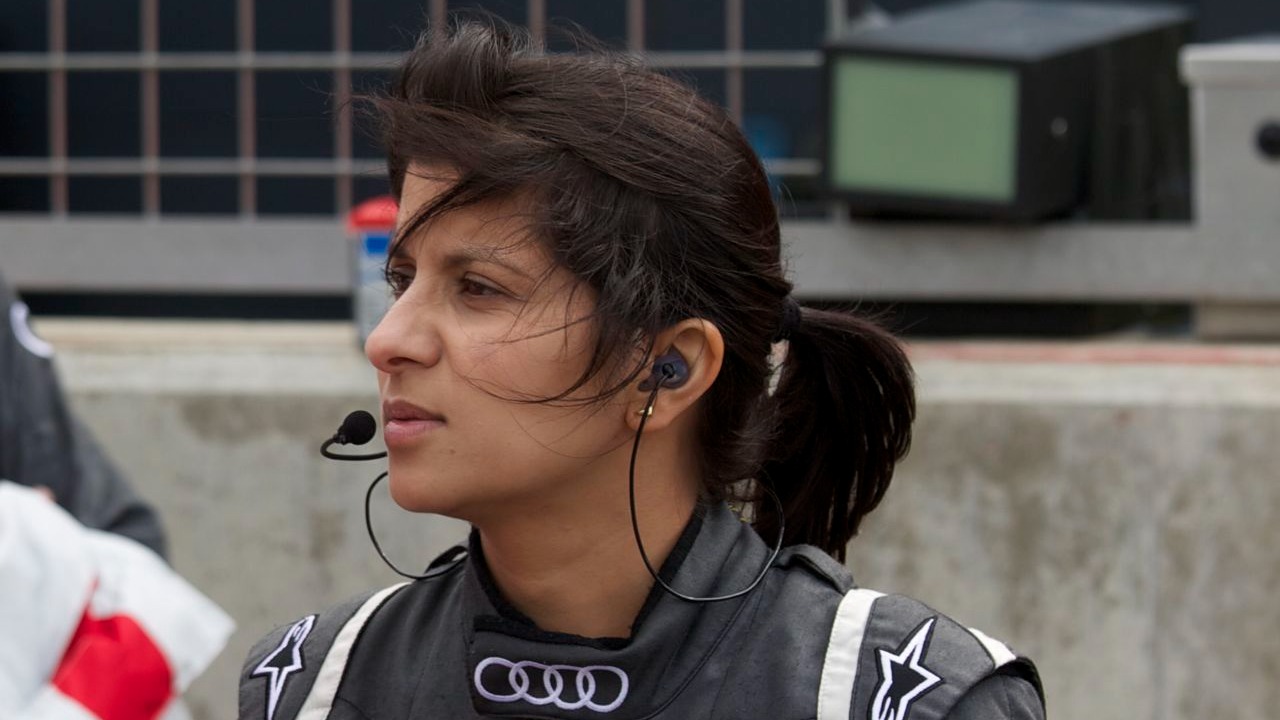
As more images and details surface from Ford’s workshops, you will also start to see how the Oreca-based chassis is tailored to the brand’s identity and performance targets. Early photography of Gade and her colleagues in Ford Racing gear, such as the official images circulated with the announcement of her hire in Ford Hypercar communications, already show you a group that looks more like a seasoned race operation than a startup. As testing ramps up, your best indicators will be long-run pace in prologue events, feedback from drivers about how easy the car is to live with over a stint, and how confidently Gade and Grant Clarke speak about reliability. If those signals are strong, you will know that Ford’s decision to put a Le Mans-winning engineer at the heart of its Hypercar program is starting to pay off before the first green flag drops.More from Fast Lane Only