Military technology has long been at the forefront of innovation, often leading to advancements that eventually seep into civilian life. From communication devices to transportation innovations, these technologies have reshaped how we live and interact in urban environments.
The Evolution of Military Tech into Civilian Life
Image Credit: Tech. Sgt. Wolfram M. Stumpf – Public domain/Wiki Commons
The transition of military technologies into civilian use is a fascinating journey that dates back to ancient times. Historically, military needs have driven technological advancements that eventually became part of everyday life. For example, the Romans developed the first concrete for military fortifications, a material that is now a staple in modern construction. This evolution underscores the influential role of military innovation in shaping civilian technologies.
Key examples of this transition include the Global Positioning System (GPS) and the internet. Both technologies originated from military research and development. GPS was initially developed by the U.S. Department of Defense to enhance military navigation, yet today it assists millions in everyday activities, from driving directions to finding lost phones. Similarly, the internet began as ARPANET, a military project aimed at creating a network resilient to nuclear attacks, and it has since transformed global communication and commerce.
The impact of these technologies on daily life is profound. GPS and the internet have revolutionized civilian infrastructure and lifestyle, making global communication instantaneous and navigation more precise. This influence continues to grow as new military technologies find civilian applications, enhancing convenience and connectivity in urban environments.
Surveillance and Communication Technologies
Image Credit: U.S. Marine Corps photo by Sgt. Jennifer L. Jones – Public domain/Wiki Commons
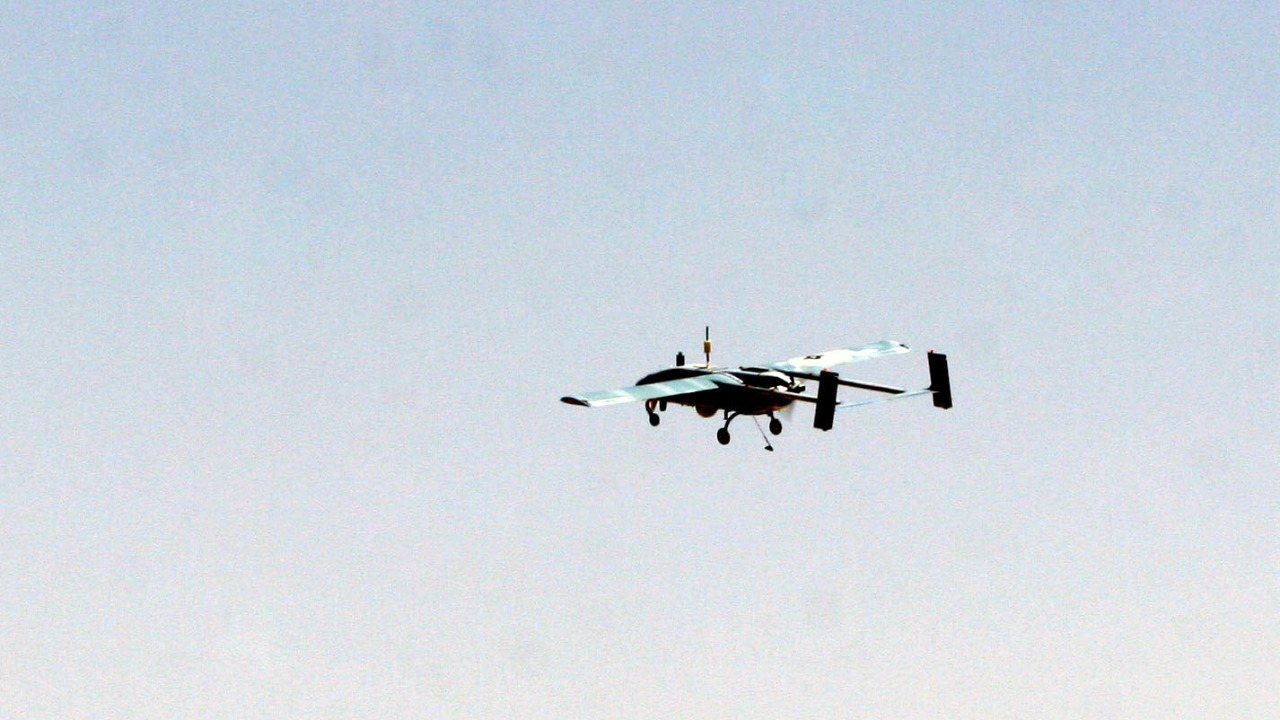
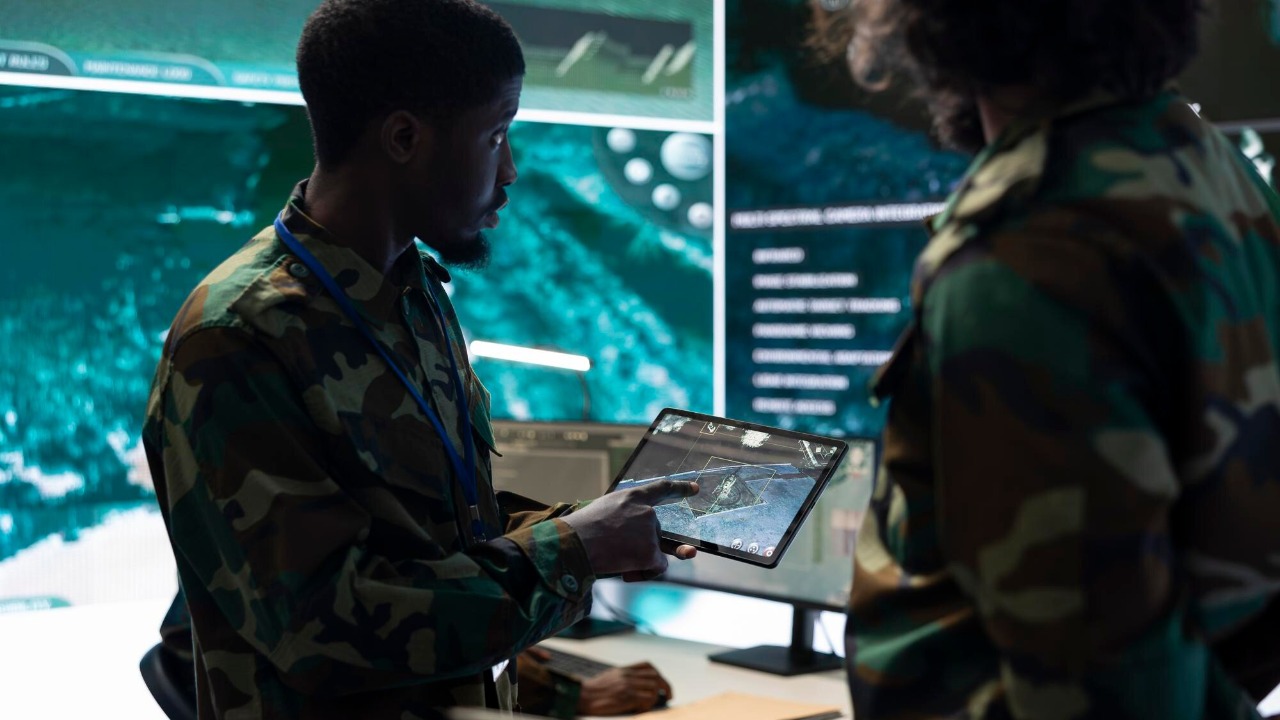
Drones exemplify the shift of military technology into civilian spheres. Initially used for reconnaissance and combat missions, drones are now widely used for commercial and recreational purposes. In agriculture, drones monitor crop health, while in cinematography, they capture stunning aerial shots. However, their omnipresence raises concerns about privacy and security, as these devices can easily be used for surveillance without consent.
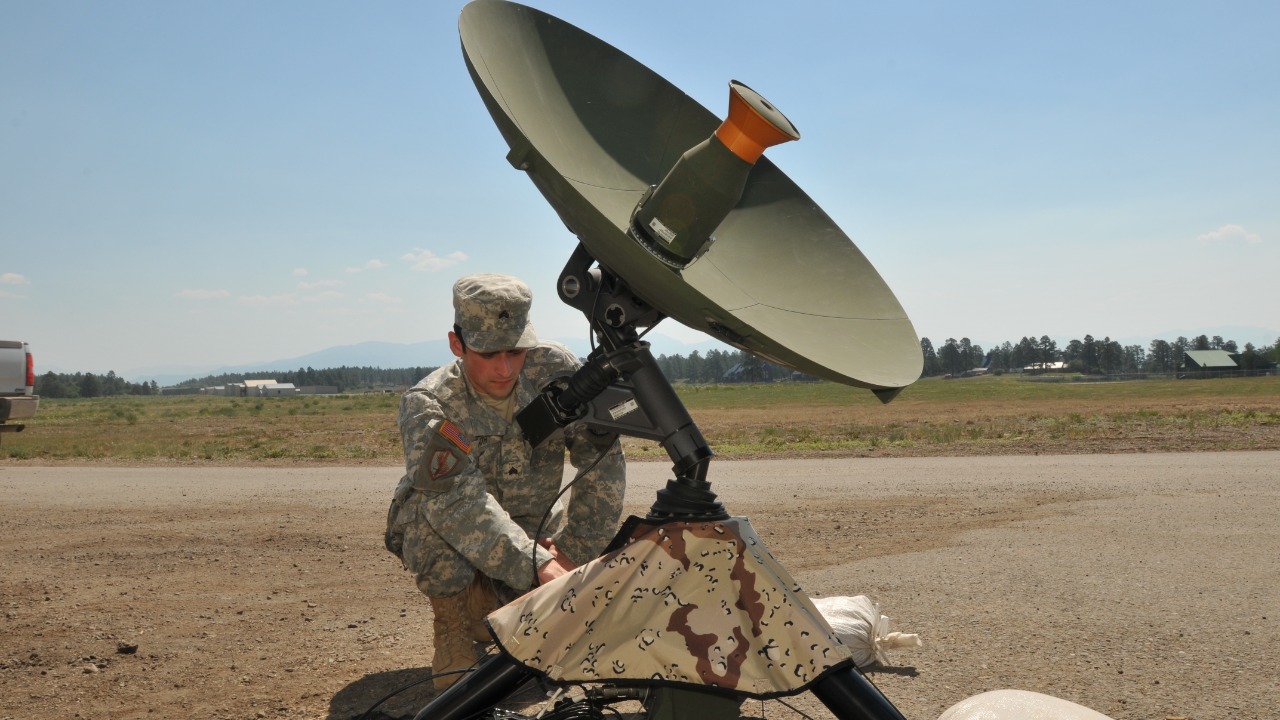
Communication networks also owe much to military innovation. The robust, global communication systems we rely on today were developed to meet military demands for secure and reliable communication over vast distances. These innovations laid the groundwork for the modern telecommunications infrastructure, linking people and businesses across the globe.
The adaptation of military-grade surveillance technologies in urban settings has sparked debates about privacy. As cities integrate these technologies for security purposes, the balance between safety and privacy becomes increasingly delicate, prompting ongoing discussions about regulatory measures and ethical considerations.
Transportation Innovations
eddiezach/Unsplash
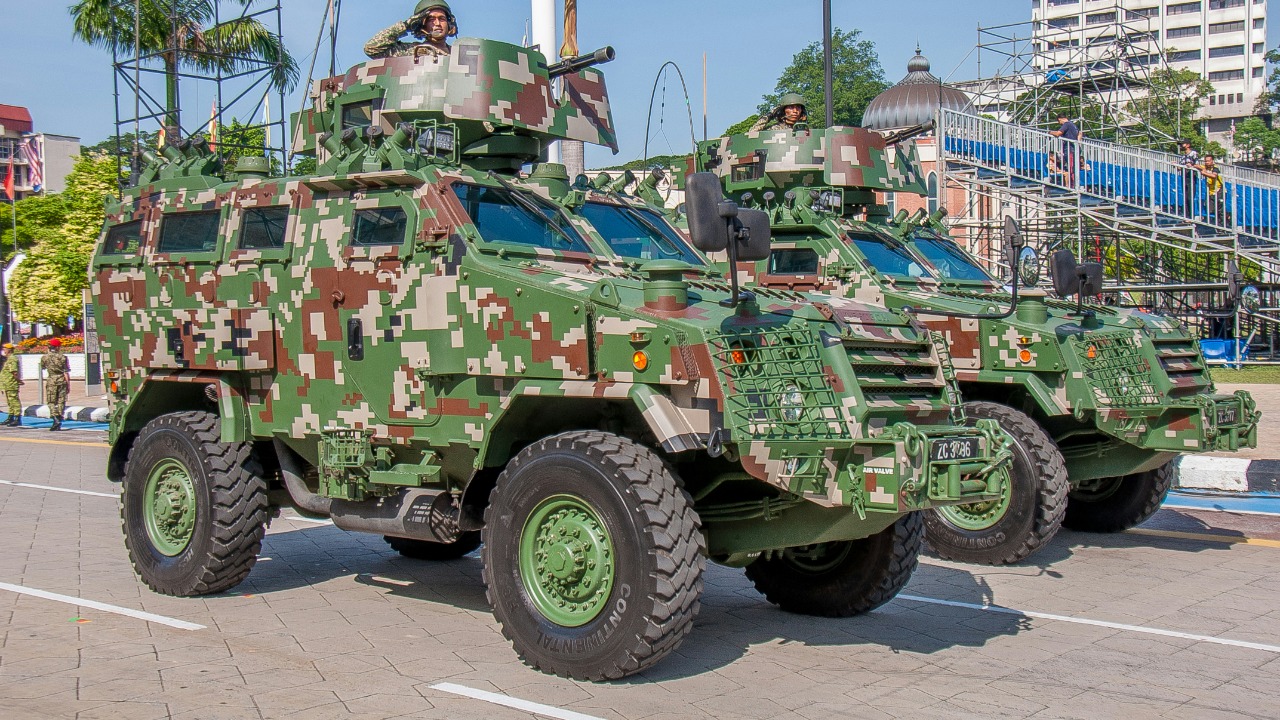
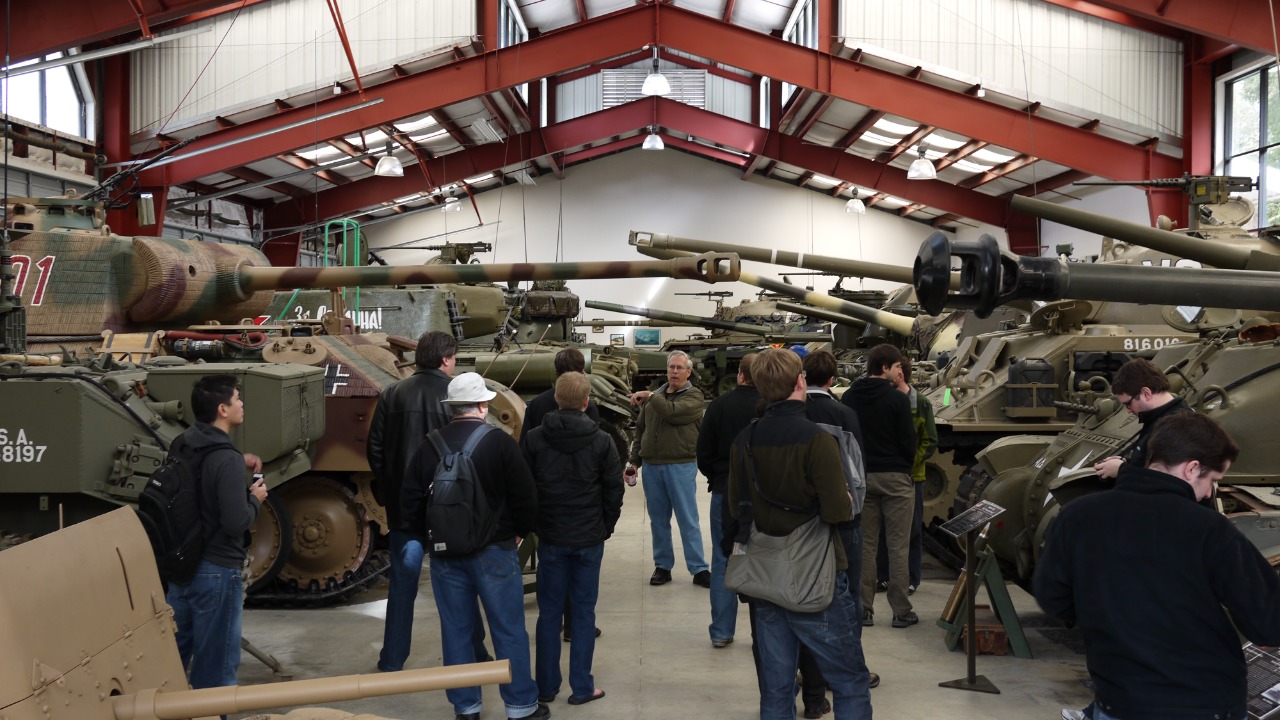
Armored vehicles, once exclusive to military operations, have found roles in law enforcement and private security. These vehicles provide enhanced protection for personnel and valuable assets, especially in high-risk areas. As a result, they symbolize the growing intersection of military and civilian sectors in addressing security challenges.
The military has also played a pivotal role in advancing air travel. Innovations in aircraft design and technology, driven by military objectives for speed and efficiency, have translated into faster and more fuel-efficient commercial planes. This cross-pollination of technology has made air travel more accessible and affordable, fostering global connectivity.
Moreover, the development of autonomous vehicles has been significantly influenced by military research. The quest for unmanned systems in military logistics has accelerated advancements in self-driving technology. These vehicles promise to revolutionize transportation, offering potential benefits in safety and efficiency for civilian use.
Weaponry and Law Enforcement
Image Credit: US Air Force from USA – Public domain/Wiki Commons
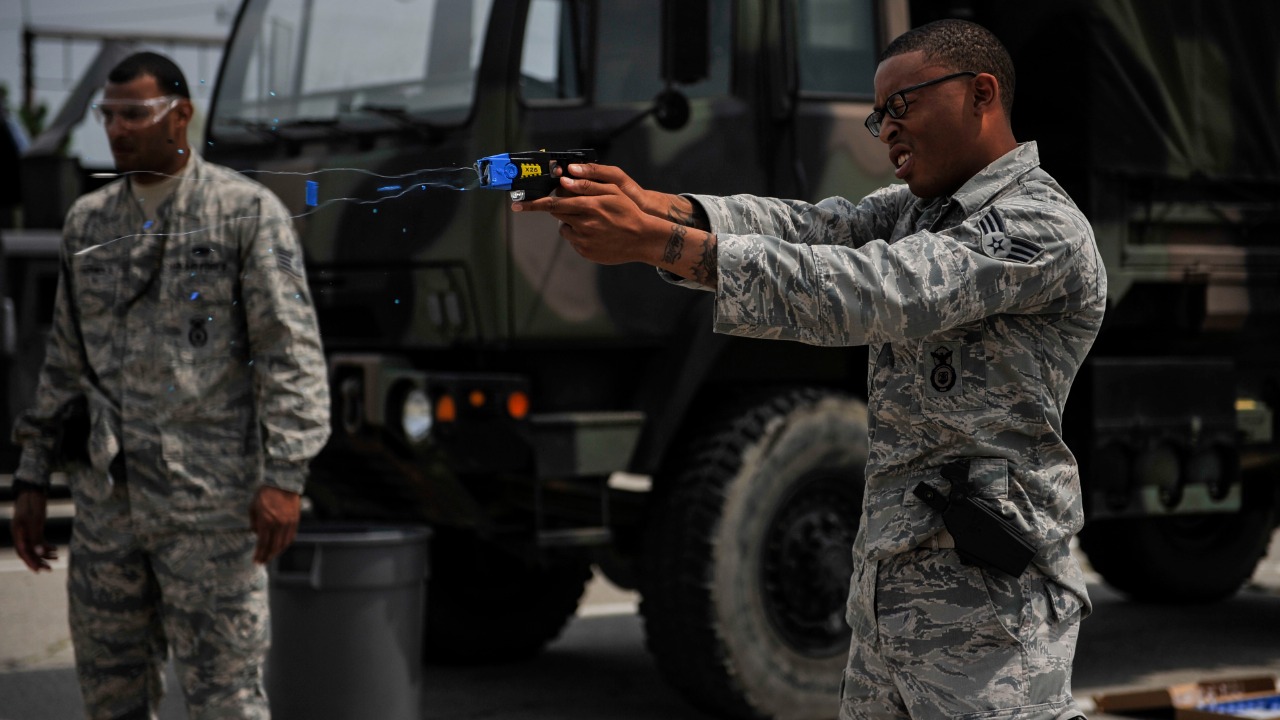
Non-lethal weapons, such as tasers and tear gas, illustrate the transfer of military-grade tools to police forces. These tools are intended to enhance public safety by providing alternatives to lethal force. However, their use has sparked debates about their impact on community relations and the potential for excessive force.
Similarly, tactical gear designed for military use has been adapted for law enforcement and civilian protection. This includes body armor, helmets, and other protective equipment that enhance the safety of officers and civilians alike. The widespread use of such gear reflects the ongoing militarization of law enforcement agencies.
The ethical considerations surrounding the militarization of civilian policing are complex. Critics argue that the increasing use of military technologies by police forces can escalate tensions and erode public trust. This issue requires careful examination to balance the benefits of enhanced security with the need to maintain positive community relations.
Urban Planning and Architecture
Image Credit: MOSSOT – CC BY-SA 3.0/Wiki Commons
Fortified structures, once the domain of military architects, are now integral to modern urban design. Buildings with military-grade security features, such as blast-resistant materials and advanced surveillance systems, offer enhanced protection against threats. These designs are increasingly common in government buildings and critical infrastructure.
The concept of smart cities has also benefited from military technologies. These cities leverage data and automation to improve infrastructure and management. Military innovations in sensor technology and data analysis contribute to efficient urban planning and responsive public services.
Furthermore, military strategies for resilience and disaster response have informed urban planning. Techniques such as redundancy in critical systems and rapid response protocols enhance city resilience against natural and man-made disasters. These strategies are vital in ensuring urban environments can withstand and recover from crises.
Cultural and Social Implications
Image by Freepik
The integration of military technology into civilian life inevitably influences public perception. The presence of these technologies can evoke a range of societal attitudes, from admiration for their capabilities to concerns about overreach and privacy. Understanding these perceptions is essential for fostering informed public discourse.
Media portrayal plays a significant role in shaping the public image of military technology. Popular culture often glamorizes these technologies, highlighting their power and sophistication. However, this portrayal can also skew perceptions, emphasizing potential threats over benefits.
Finally, the role of government in regulating the use of military technologies in civilian spheres is crucial. Policymakers must navigate complex ethical and practical considerations to ensure these technologies are used responsibly. As military innovations continue to permeate civilian life, effective regulation will be key to balancing security, privacy, and societal well-being.
Bobby Clark is the founder and editor of Fast Lane Only, covering performance cars, automotive news, recalls, classic vehicles, consumer automotive topics, and enthusiast culture. His work focuses on making automotive news engaging, accessible, and informative for both enthusiasts and everyday drivers.
Welcome!
Welcome to Fast Lane Only—We are an independent automotive publication covering performance cars, automotive news, recalls, classic vehicles, industry trends, and enthusiast culture.
From the rarest collector’s cars to the high-performance machines turning heads today, we bring you stories, specs, and insider looks at the rides that matter. If it’s fast, legendary, or owned by someone famous, you’ll find it here. Buckle up and stay in the fast lane!