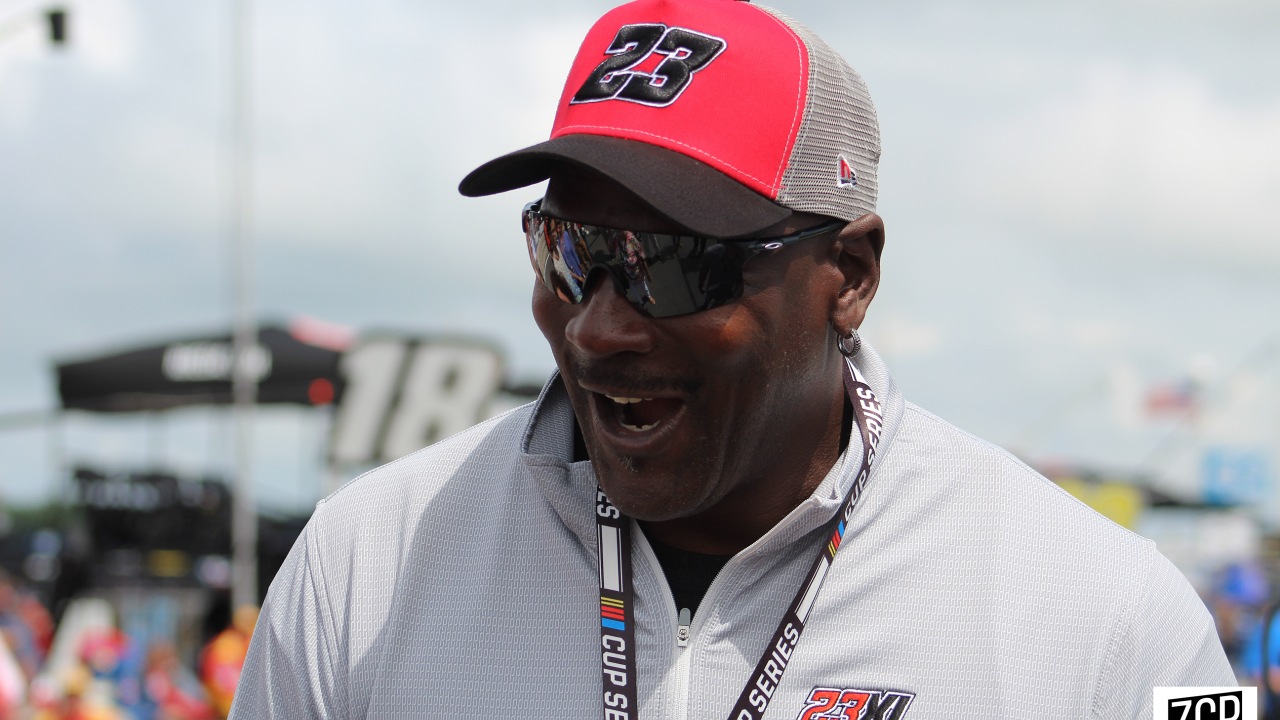
Michael Jordan has spent a lifetime turning competitive systems to his advantage, from NBA locker rooms to front offices. Now, as a co-owner in stock car racing, he is arguing that NASCAR can only reach its full potential if it treats teams as true partners, much like professional basketball does with its franchises. His push for a partnership model is not a branding exercise, it sits at the center of an antitrust fight that could reshape how the sport is governed and how its teams survive.
At stake is whether NASCAR remains a tightly controlled, family-run sanctioning body or evolves into a league where teams share in long term value, media money, and decision making. Jordan is using his experience in the NBA to argue that a more balanced structure would not just help owners like him, but would also make the entire ecosystem more stable and attractive to sponsors, drivers, and fans.
Jordan’s courtroom message: NASCAR needs partners, not tenants
In federal court, Michael Jordan has framed his dispute with NASCAR around a simple idea, that race teams should not feel like renters in someone else’s building. He has described the current charter system as fundamentally one sided, arguing that organizations such as his own 23XI Racing lack the security and upside that NBA teams enjoy when they buy into a league structure. According to his testimony, he wants a framework where teams can build equity, plan for the long term, and participate in the sport’s growth instead of living year to year under agreements they did not truly help design, a point reflected in reporting on his comments about needing a partnership model similar to the NBA in the ongoing charter dispute.
Jordan has also made clear that his challenge is not just about one contract cycle. In his testimony, he has said that someone had to step forward to confront what he views as an unfair system, emphasizing that his goal is to improve the sport rather than simply win a legal battle. Coverage of the trial notes that he did not consider the 2025 charter agreement to be fair and that he wanted racing teams’ relationships with NASCAR to look more like the collaborative model he knows from basketball, where teams and the league share both growth and loss, a theme echoed in detailed accounts of his antitrust testimony and his explanation that the pillars teams sought were not seriously negotiated by NASCAR.
How the NBA’s model shaped Jordan’s expectations in stock car racing
Jordan’s argument draws directly from his experience in professional basketball, where franchises are not just participants but equity holders in a shared enterprise. In the NBA, teams buy into a league that negotiates media rights collectively, shares revenue, and gives owners a defined stake in long term appreciation. Jordan has pointed to that structure as proof that when teams are treated as partners, they can invest confidently in arenas, player development, and community outreach, knowing that the rules of the game will not be unilaterally rewritten. His advocacy for NASCAR to adopt a similar team partnership model, described in coverage of his push for a structure akin to the NBA, underscores how deeply he believes that shared governance and financial alignment are prerequisites for sustainable growth, a view laid out in reports on his call for a true partnership structure.
That perspective also explains why Jordan was willing to move from basketball into stock car racing in the first place. When he and Denny Hamlin announced that they would form a new NASCAR team based in CHARLOTTE, N.C., they did so with the expectation that they could build a competitive and commercially viable organization, not a vanity project. The launch of 23XI Racing, which brought Bubba Wallace into a high profile seat, was framed as a serious business move by an NBA legend who understood how league structures can support both competition and social impact. Official statements at the time highlighted that Michael Jordan and Denny Hamlin partnered to form a new NASCAR team in CHARLOTTE, with the backing of the NBA community, reinforcing that Jordan entered the sport with a clear sense of how a modern league should function, as reflected in the announcement that Michael Jordan and Denny Hamlin Partner to Form New NASCAR Team.
Inside the charter fight: why 23XI and others walked away
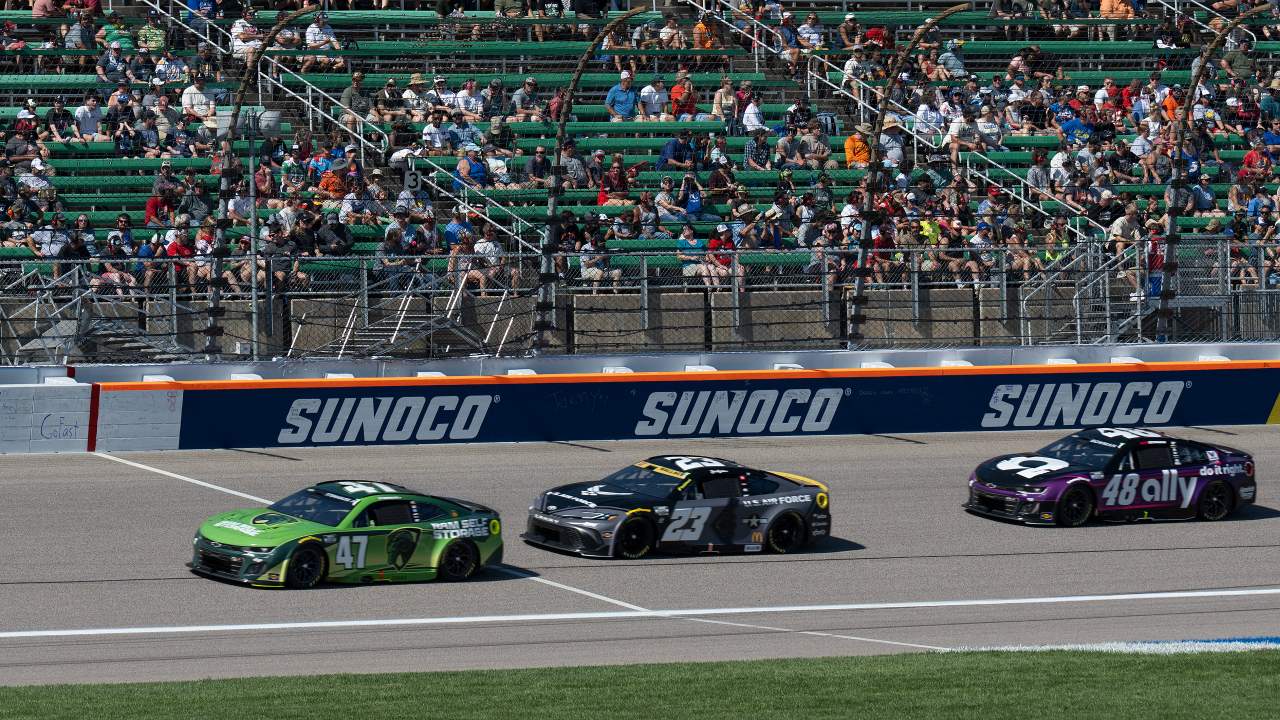
The current legal clash grew out of negotiations over NASCAR’s charter system, which governs how teams gain guaranteed entry into races and share in revenue. Jordan has argued that the proposed 2025 agreement locked teams into a structure that left too much power in NASCAR’s hands and did not provide the long term security or revenue sharing he associates with a healthy league. According to accounts of the dispute, 23XI Racing and Front Row Motorsports refused to sign the new charter deal and instead joined an antitrust lawsuit against NASCAR, a dramatic step that underscored how strongly they felt about the imbalance in the relationship between teams and the sanctioning body, as described in reporting on how 23XI Racing and Front Row Motorsports refused to sign.
From Jordan’s perspective, the sticking points were not minor contract details but foundational principles. He has said that the core pillars teams wanted in the new agreement were not seriously negotiated by NASCAR, and that officials on the other side were not open minded about sharing more control or financial upside. In his view, that left teams exposed to the risk that the sanctioning body could change terms without meaningful input from those who invest in cars, personnel, and sponsorships. Trial coverage notes that he framed the dispute as a question of whether teams would be allowed to grow their businesses in tandem with NASCAR, or remain dependent on decisions made by a single family controlled organization, a concern reflected in his comments that the teams’ pillars were rejected and that they were not even open minded about compromise.
NASCAR’s defense and the power structure Jordan is challenging
On the other side of the courtroom, NASCAR has defended its model as both legal and essential to the sport’s identity. The organization remains a family run enterprise, with Nascar CEO Jim France inheriting the stock car racing business from his father, who founded the series. That lineage is central to NASCAR’s argument that it has successfully guided the sport through decades of change and that its centralized authority allows it to make quick decisions on schedules, rules, and safety. In the antitrust case, Jim France has denied any wrongdoing, signaling that NASCAR sees the charter system and its control over key commercial rights as legitimate tools to manage competition and protect the brand, a stance described in coverage of how Nascar CEO Jim France has responded.
Jordan’s challenge goes directly at that concentration of power. By invoking the NBA model, he is effectively arguing that a modern sports league should not be run like a private family business that rents out slots on the grid. Instead, he wants NASCAR to evolve toward a structure where teams hold durable rights, share in media and sponsorship revenue, and have a formal voice in governance. Reporting on his testimony notes that he has compared the current setup to a situation where teams do not own their own stadium or basketball court, a metaphor that captures how he sees NASCAR’s control over tracks, schedules, and commercial rights. In his view, the sport can only thrive if that control is balanced by a partnership framework that gives organizations like 23XI Racing a stake in the long term value they help create, a point that surfaces repeatedly in accounts of his courtroom comparisons between NASCAR and basketball.
What a partnership era could mean for teams, drivers, and fans
If Jordan’s vision were to prevail, NASCAR would move closer to the kind of ecosystem he knows from basketball, where teams can plan decades ahead and treat their franchises as appreciating assets. For owners, that could mean more predictable revenue sharing, clearer rules around charters or their equivalents, and a formal role in shaping the sport’s commercial strategy. For drivers, a more stable team landscape might translate into longer term contracts, better funded programs, and more investment in development pipelines. Jordan’s own path into the sport, traced in reporting on how he got into NASCAR and ended up suing it, shows that he did not arrive as a casual celebrity owner but as someone who expected to build a serious, enduring operation in CHARLOTTE under a framework that rewarded long term commitment, as detailed in accounts of Michael Jordan’s NASCAR life.
For fans, a partnership model could reshape how the sport looks and feels. Stable, well capitalized teams are more likely to invest in technology, fan engagement, and community initiatives, from upgraded haulers and simulators to local outreach programs in markets like CHARLOTTE and Washington. The history of other sports suggests that when teams share in league growth, they have stronger incentives to build recognizable brands and rivalries that endure across generations. Jordan has argued that a system where teams share both growth and loss would allow organizations to grow their businesses alongside NASCAR instead of constantly fighting for survival, a theme that runs through coverage of his advocacy for a partnership model and his insistence that the goal of the antitrust challenge is to improve the sport rather than tear it down.