When people talk about Mopar performance, they usually go straight to HEMIs, Six Packs, and Super Bees. But before all that, Chrysler engineers were experimenting with long intake runners, staggered carbs, and clever ways to boost torque without relying solely on compression or displacement. That’s where the factory cross-ram setups came in.
These weren’t just styling exercises—they were functional, weird-looking, and surprisingly effective. Whether it was the early long-ram 413s or the more aggressive Max Wedge setups, cross-ram cars made real power and changed how Mopar approached street and strip performance in the early ‘60s. Here are ten that got it right.
1960 Chrysler 300F
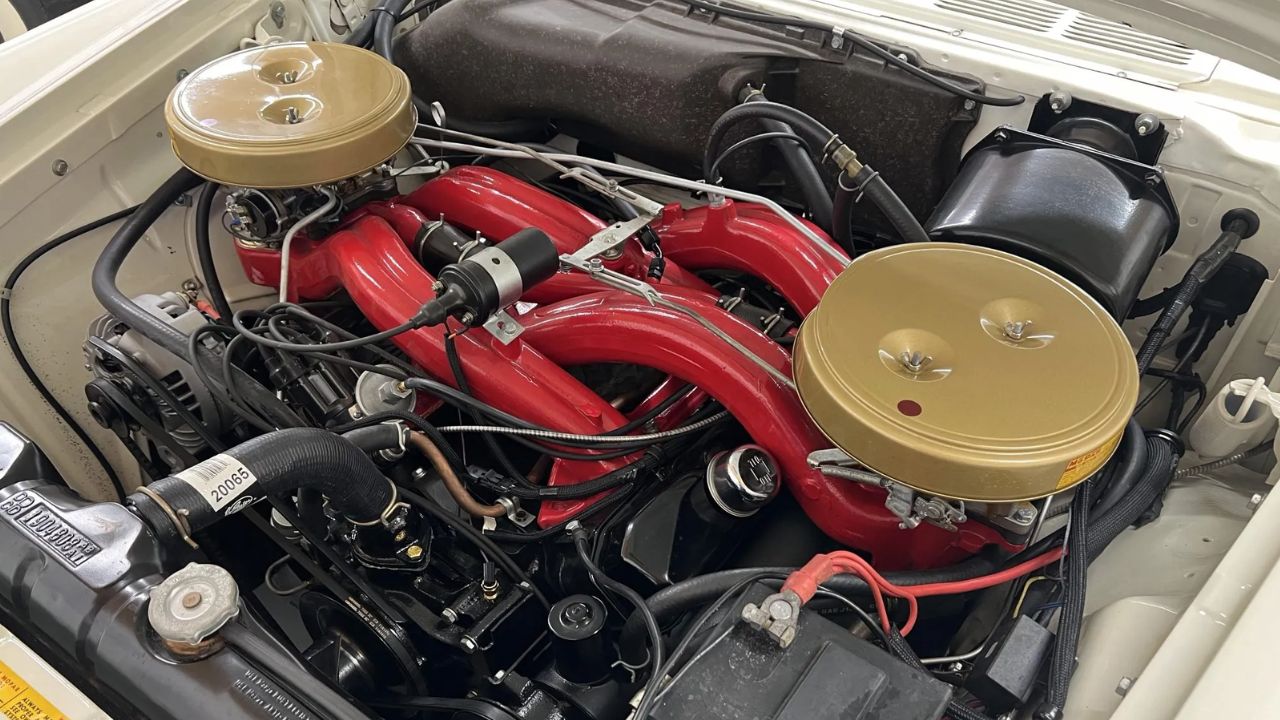
The 300F was the first Chrysler to run the long-ram dual four-barrel setup, and it wasn’t just for show. The 413 wedge under the hood used a unique “ram-tuned” intake that stretched the carburetors to opposite sides of the engine bay. At 3,800 rpm, it made serious torque—495 lb-ft, to be exact.
It was paired with a push-button TorqueFlite automatic, and the car could run 0–60 in around 7 seconds, which was impressive for a full-size coupe. Inside, it had swivel bucket seats and a full-length center console. It was fast, but also oddly refined for a car making nearly 380 hp.
1961 Dodge Dart Phoenix
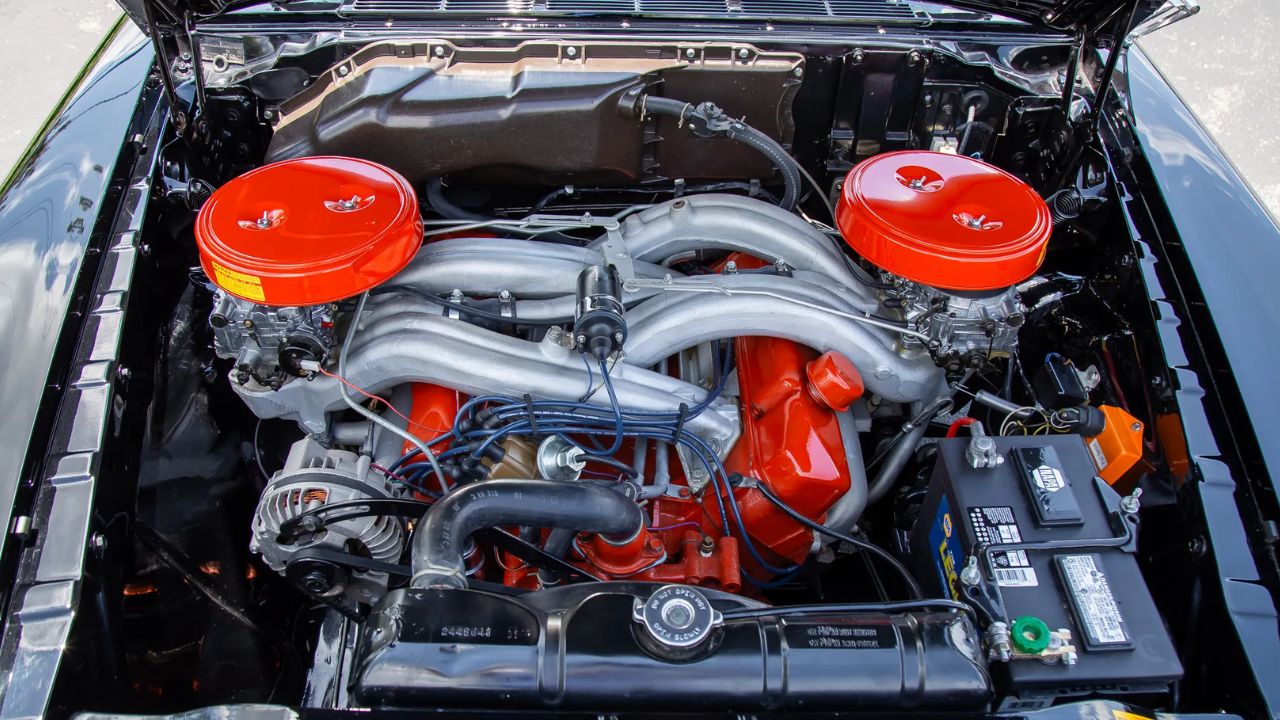
For 1961, Dodge offered the 383 with a cross-ram setup in the Dart Phoenix, which didn’t look like much at first glance. But pop the hood, and you’d see that same long-ram intake design that made the 300F a legend. These cars flew under the radar.
The 383 long-ram engine was rated at 330 hp, but the real story was mid-range torque. It pulled like a freight train from 30 to 80 mph. Most came with the 3-speed TorqueFlite, and the Dart’s smaller size gave it better weight distribution than Chrysler’s bigger cars.
1960 Plymouth Fury Sonoramic Commando
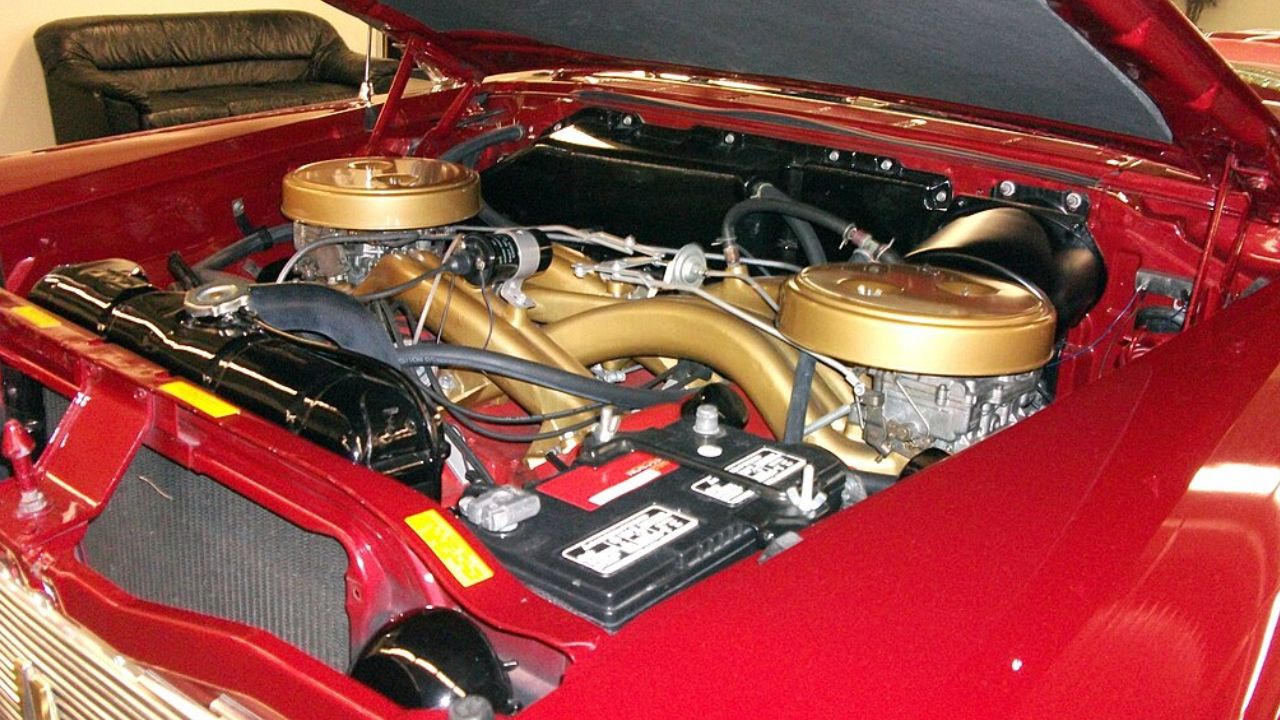
The Fury could be had with the Sonoramic Commando 361 or 383, both using those wild cross-ram manifolds that routed the air-fuel mixture through yards of aluminum tubing. It was Mopar trying to engineer around camshaft limitations, and it worked—at certain revs.
Performance was solid for a street car. A properly tuned 361 Fury could hang with early 389 GTOs in the quarter mile. The intake system helped pack torque down low, and the cars had surprising acceleration despite their weight. Most came with bench seats and modest trim—no-nonsense performance wrapped in plain clothes.
1961 Chrysler 300G
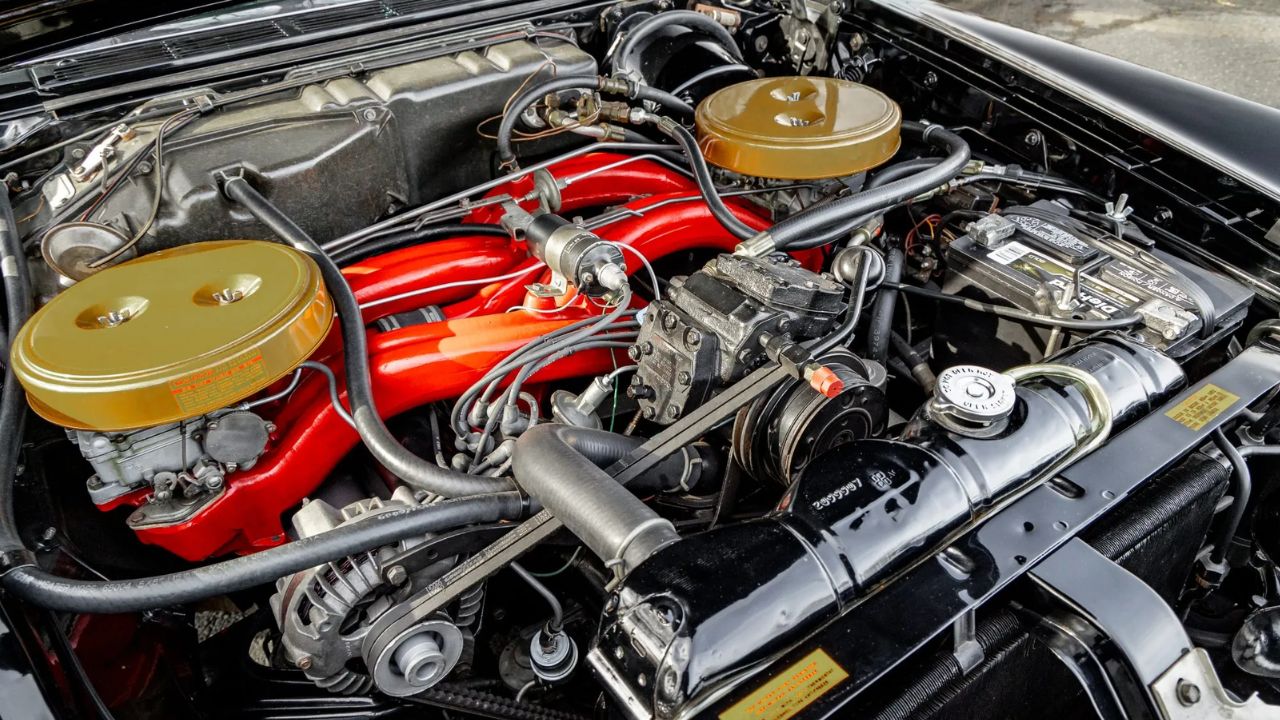
The 300G carried over the cross-ram 413 from the previous year, but with refinements. Power stayed at 375 hp for the base model, though a higher-lift cam version rated at 400 hp was optional. Both used dual Carter AFBs spaced nearly 30 inches apart on the intake.
The car handled better than its size suggested, thanks to front torsion bars and a wide track. Interior options included leather, power everything, and that signature AstraDome instrument cluster. At over 4,000 lbs, it wasn’t light, but the cross-ram setup gave it real pull in second gear.
1962 Dodge Polara 500 Max Wedge
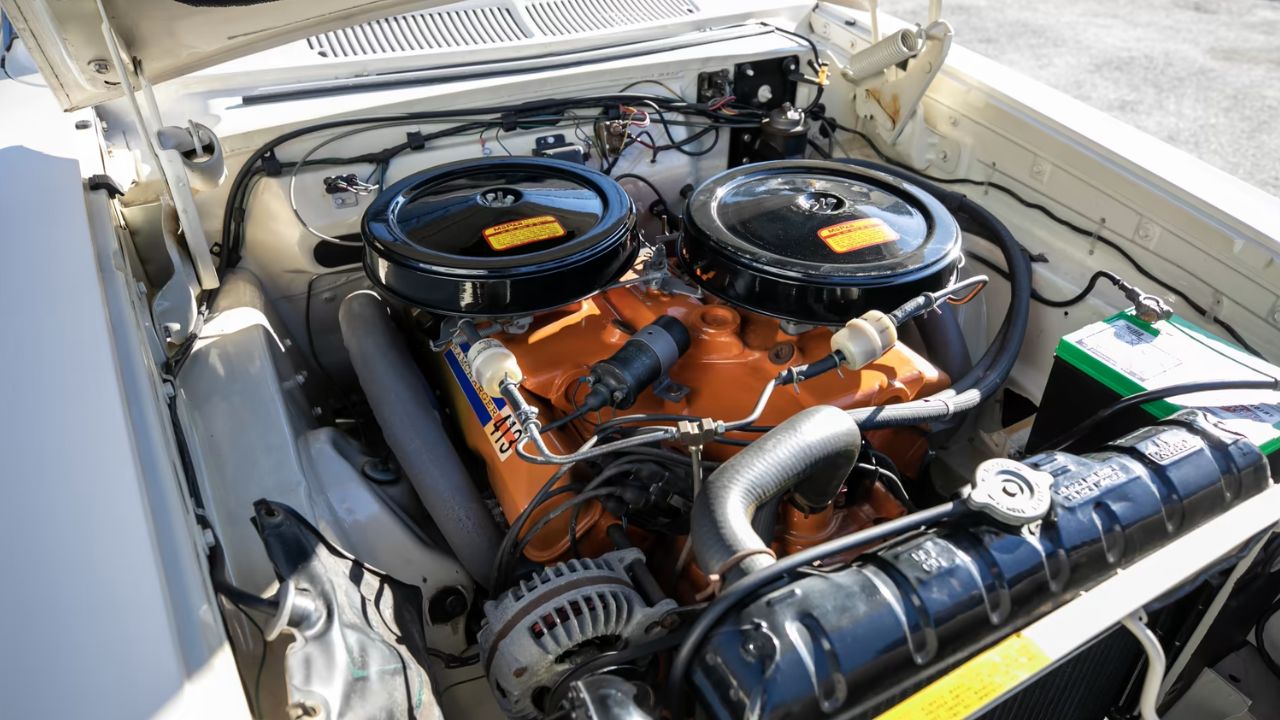
This was the beginning of Mopar’s real street-to-strip era. The Max Wedge 413 used a “short ram” cross-ram setup with staggered runners and high-riser heads. Power ratings started at 410 hp, but most were underrated. Compression ran up to 13.5:1 depending on the package.
These cars didn’t come to play. They were factory drag cars with plates. The intake setup helped keep torque high across the rev band. Polara 500s had basic interiors, but that wasn’t the point. Mopar was building race cars for people who still needed to drive to work Monday.
1962 Plymouth Savoy Super Stock
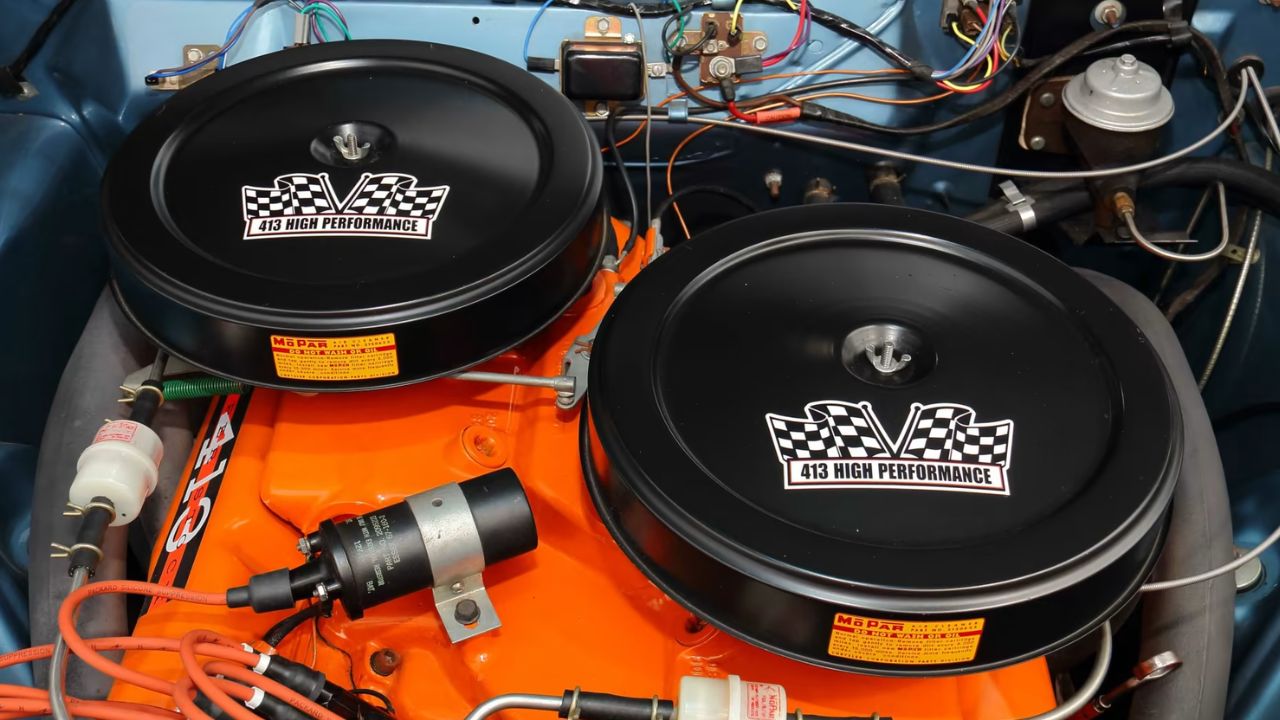
Plymouth’s 413 Max Wedge in the Savoy followed the same formula as Dodge’s version: short cross-ram intake, high compression, and headers from the factory. These weren’t street sleepers—they were full-on track builds with some mild concessions to daily use.
The dual-quad setup sat on offset intakes designed to optimize airflow above 4,000 rpm. With aluminum fenders and a stripped interior, the Savoy was one of the lightest Max Wedge cars. Many saw action in NHRA Super Stock classes and helped put Mopar at the front of the factory drag wars.
1963 Dodge 330 Ramcharger
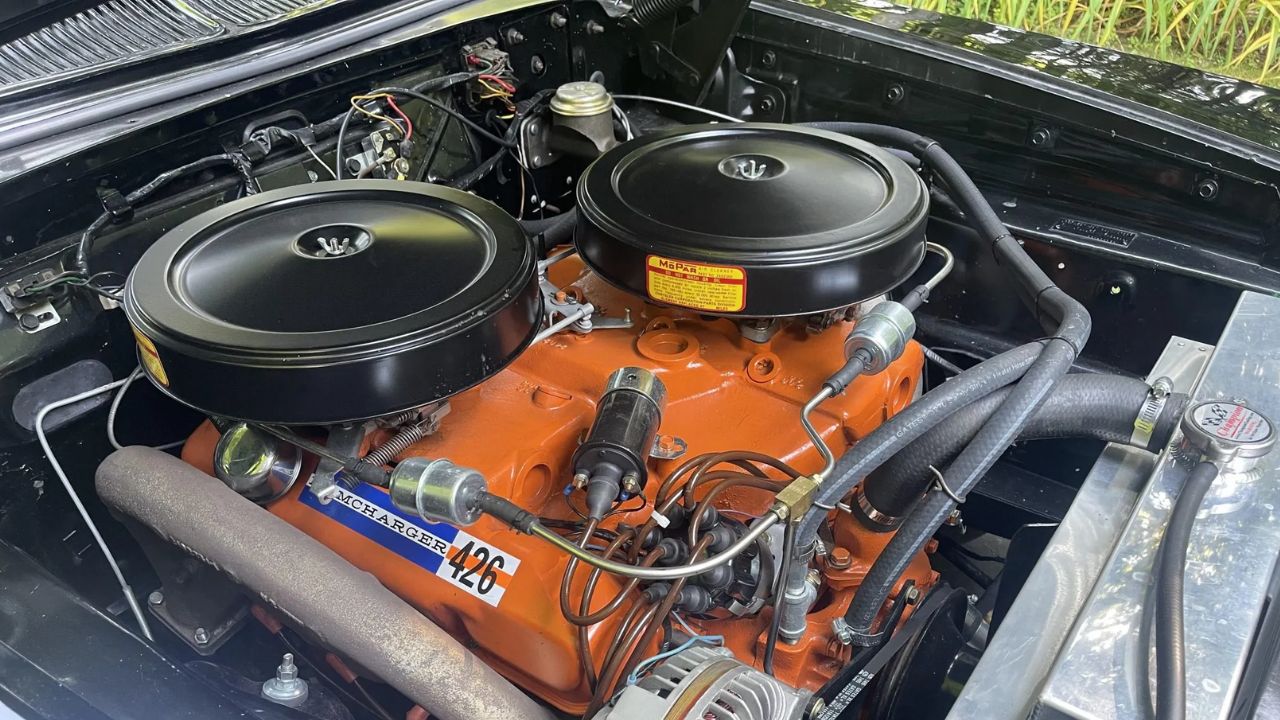
The Ramcharger 426 hit in ’63 with the evolved cross-ram design. It still had staggered runners, but airflow was better thanks to improved head castings. These cars were rated at 425 hp, though real output was likely higher. Torque came on hard in the midrange.
Most Ramchargers were sold with heavy-duty TorqueFlite autos or 4-speed manuals, and the 330 trim level kept things light. Interiors were vinyl and steel. Trunk space was huge, but irrelevant. If you saw one with slicks and a roll bar, it wasn’t a coincidence—they were built to run.
1964 Plymouth Belvedere Max Wedge
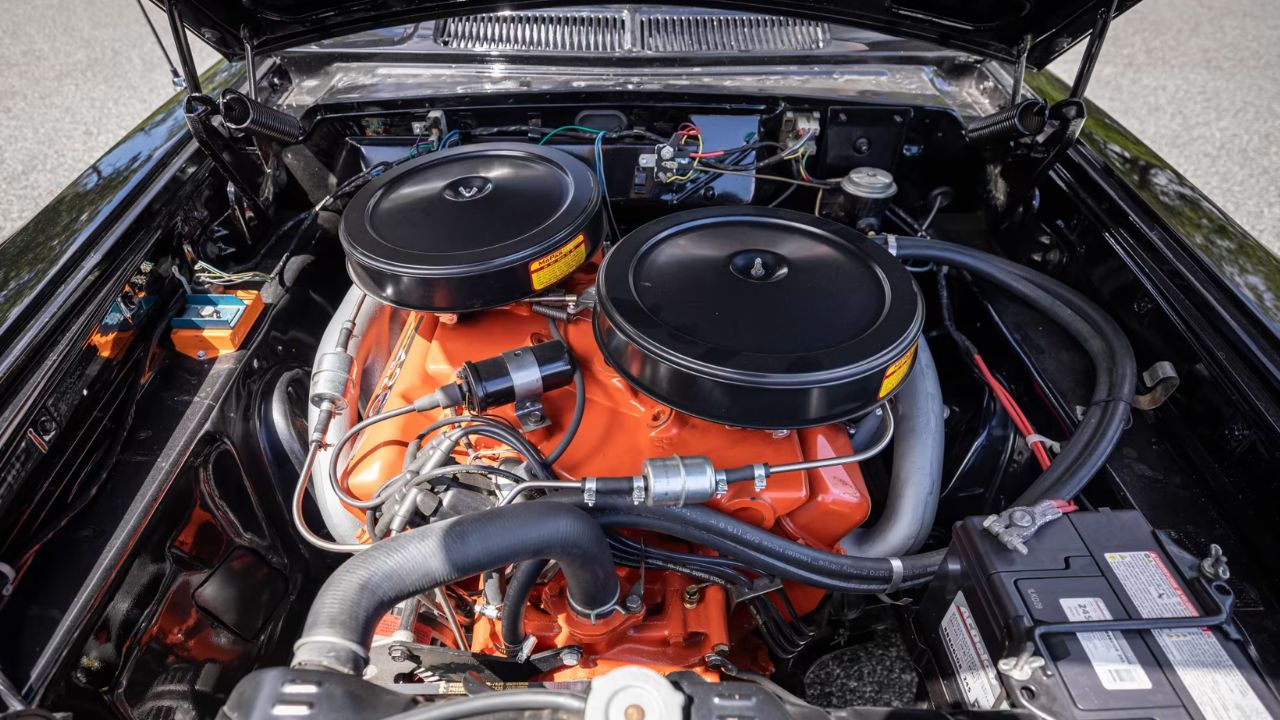
By ’64, the Max Wedge 426 had been refined with even better heads and a revised cross-ram layout. Power was rated at 425 hp again, but in reality, these cars were deep into the 11s with mild prep. They weren’t comfortable. They weren’t quiet. But they were effective.
The cross-ram intake gave the Belvedere a wide torque band and kept it alive in second and third gear, especially on longer tracks. Rear gearing was aggressive—usually 4.56s or 4.88s—and interiors were stripped. Bucket seats? Optional. Radio? Not likely.
1965 Dodge Coronet A990
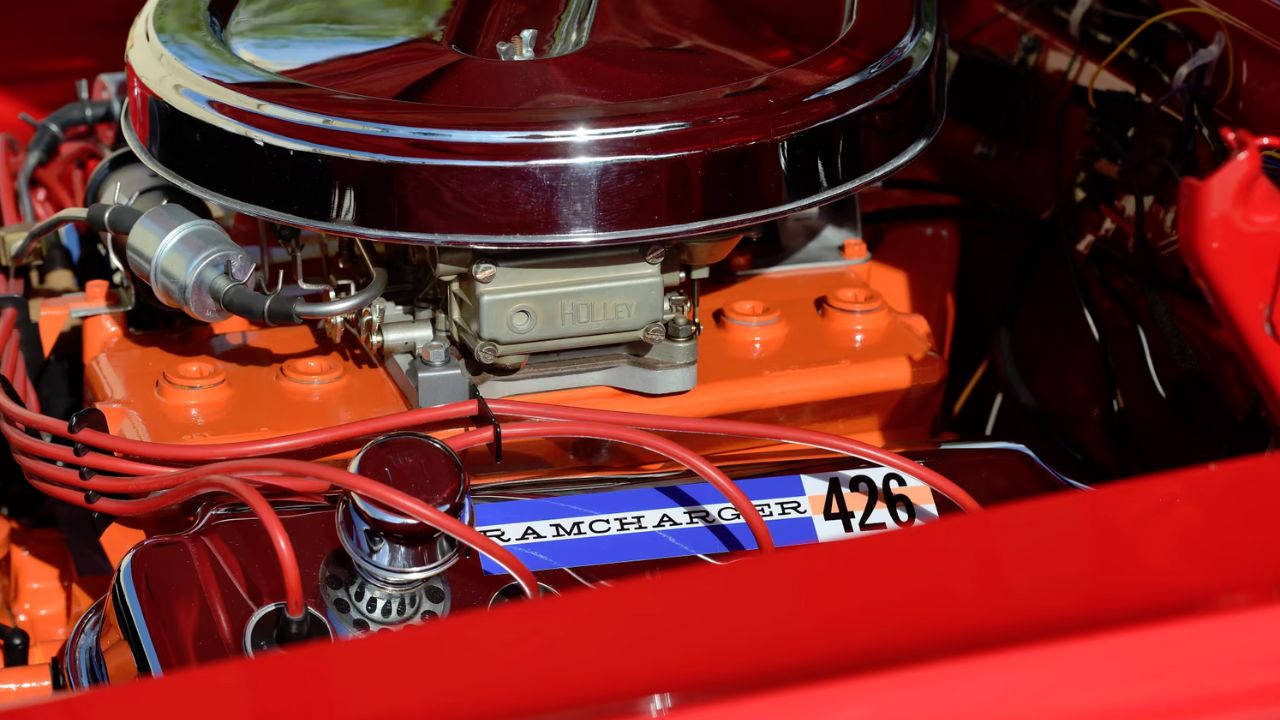
The A990 cars were factory-built for Super Stock with the 426 Race HEMI, but early builds retained a unique cross-ram intake before the transition to dual-carb inline setups. This was a short-lived configuration, but it made big numbers. The intake runners were short and steep for top-end breathing.
Built in low volume, the A990 Coronets used aluminum doors, bumpers, and even seat frames. Power steering and brakes were deleted. These were 10-second cars from the factory with skinny bias-ply tires and open headers. The intake may have looked odd, but it worked—and helped keep Mopar in the winner’s circle.
1963 Plymouth Sport Fury
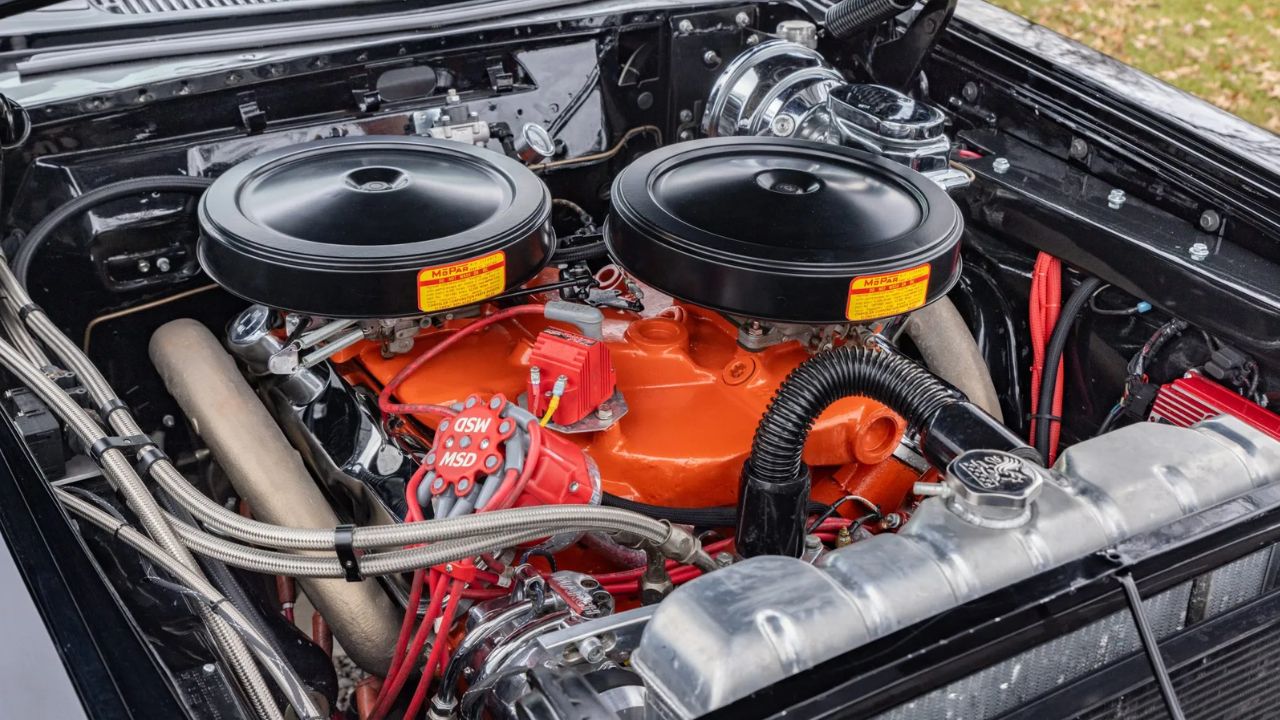
The 1963 Sport Fury is a lesser-known Max Wedge application but one worth calling out. It had the 426 Max Wedge option with the cross-ram dual quads, tucked under a stock-looking hood. These cars didn’t scream race car until you looked closely—or got left behind at a light.
Power was consistent with Dodge’s 426—rated at 425 hp. Interiors in the Sport Fury were a notch above the base models, with full dash clusters and nicer trim, but still no luxury. These were muscle machines before the term existed, and the cross-ram setup was central to their performance curve.