Back when Chevrolet rolled out the Tri-Five lineup from 1955 to 1957, the spotlight went straight to the Bel Air convertibles, Nomads, and fuel-injected V8s. That makes sense—they were stylish, quick, and everywhere in the magazines. But not every Tri-Five wore whitewalls and chrome like a tuxedo. Some were built for work, for families, or just for people who didn’t care about flash. And those are the ones that quietly stuck around.
This isn’t about the ones you already know. These are the Tri-Fives that got parked out back, run hard, or ignored completely—until now.
1955 Chevrolet 150 Utility Sedan

The 150 Utility Sedan was the base model of the Tri-Five lineup—no chrome, no frills, just steel and vinyl. It was aimed at fleets and tradesmen, so most people didn’t give it a second look. But that simplicity is what makes it interesting today. No radio, no passenger sun visor, not even a backseat if you wanted it that way.
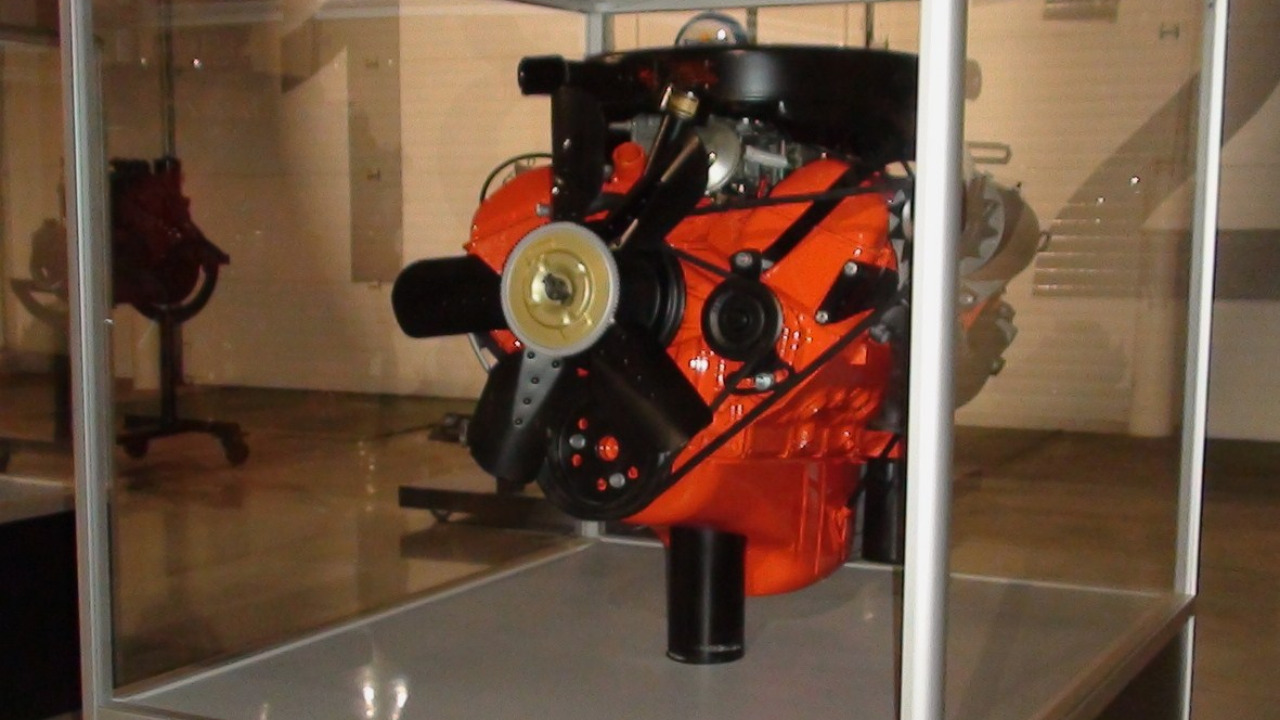
Under the hood, it came standard with the 235-cubic-inch “Blue Flame” straight-six pushing around 123 horsepower. Some did get V8s, though, including the new-for-’55 265 small-block. It was light, cheap, and surprisingly tossable when paired with a 3-speed manual.
1956 Chevrolet 210 Sedan Delivery

Built for hauling parts, flowers, or maybe bootleg vinyls, the 210 Sedan Delivery was essentially a panel wagon with no back seats and solid cargo space. It was one of those in-between models, not quite a Bel Air and not quite a work truck. Most were bought to be used up, so survivors are rare now.
It came with either the 235 inline-six or the 265 V8, and if you optioned it right, it could look almost exactly like a 210 wagon—just without windows. Manual brakes, manual steering, and tons of sheet metal in the back meant it wasn’t luxurious, but it was useful.
1955 Chevrolet 210 Handyman 2-Door Wagon

The 2-door 210 Handyman wagon has always lived in the Bel Air Nomad’s shadow, but it’s a much more honest car. Same body lines, less chrome, and far less fuss. And while the Nomad had flashy slanted B-pillars and fancy trim, the Handyman stuck with a practical upright design.
You could get it with any of the same drivetrains—Blue Flame six or the 265 V8—but you’d likely find one with a three-on-the-tree and rubber floor mats. It wasn’t trying to impress anyone. It just did what it needed to do and kept going.
1956 Chevrolet 150 Business Coupe

The Business Coupe was stripped even further than the Utility Sedan. It was built for traveling salesmen—no back seat, just a cargo shelf. That sounds limiting until you realize how light it was compared to other Tri-Fives. If you dropped in a V8, it could really move.
Most came with the six-cylinder and a 3-speed manual, and interiors were plain: vinyl bench seat, no trim, and a metal dashboard. But for people who wanted a Tri-Five to go fast on a budget, this was one of the better starting points—even if nobody was paying attention at the time.
1957 Chevrolet 210 Club Coupe

Everyone talks about the ’57 Bel Air, but the 210 Club Coupe offered nearly the same silhouette without all the add-ons. It came with chrome, sure, but not the excessive spears and fins that weighed the Bel Air down. And if you optioned the 283 V8 with fuel injection, you had a sleeper.
That Rochester fuel-injected 283 could make 283 horsepower—one horse per cube. That was serious stuff for ’57. The Club Coupe was also lighter than a Bel Air hardtop, which made a difference on the street. It just didn’t wear its speed on its sleeve.
1955 Chevrolet 150 Two-Door Sedan

The 150 2-door sedan is a favorite among drag racers today, but back then it was as plain as it gets. No stainless trim, dog-dish hubcaps, and a spartan interior. It looked like a school car or a city inspector’s ride. But that’s why it was perfect for hot-rodding.
With less weight than the fancier models and access to the same engines—including the 265 V8—it had serious potential. The solid rear axle and basic coil springs weren’t fancy, but they got the job done. And if it got dented? No one really cared.
1956 Chevrolet 210 4-Door Hardtop

Here’s the thing about the 210 4-door hardtop: it looked great, handled decently, and could be optioned with the same V8s as the Bel Air. But people dismissed it because of the extra doors. That’s always been the 4-door curse, especially with Tri-Fives.
But it had clean lines, the lack of a B-pillar made it look sleek when the windows were down, and you could haul a family or crew without needing a wagon. It came with the 265 or the newer 283 small-block, and if you ordered it right, it was just as quick as the coupes.
1957 Chevrolet 210 Beauville Wagon

The Beauville was the upscale nine-passenger wagon in the 210 line, and it sat right between utility and comfort. It was big—over 200 inches long—and heavy, especially with a third row. But it had presence, even if it wasn’t flashy.
Most Beauvilles came with the 283 V8 and Powerglide, but manual versions existed. The rear-facing third row was novel, and the tailgate split like a barn door. If you were taking a big group on a long drive in ’57, this was one of the better ways to do it—without jumping to a Buick or Oldsmobile.
1955 Chevrolet Bel Air 4-Door Sedan

Everyone celebrates the 2-door Bel Air hardtops, but the 4-door sedan was the one most families actually bought. It had all the flash—two-tone paint, chrome trim, plush interior—but with more practicality. It wasn’t “cool” in the traditional sense, but it outsold the coupes by a wide margin.
It shared the same 115-inch wheelbase and had the option of the 265 V8 or 235 inline-six. The interiors were colorful and well-finished, with padded dashes and two-tone upholstery. The rear seat was roomy, and the ride was comfortable, even on long trips.
1956 Chevrolet Nomad

Yes, it’s talked about now, but in its day, the Nomad wasn’t a sales success. It was expensive, a bit fragile in the trim department, and weirdly positioned. Was it a sport wagon? A luxury cruiser? A family hauler? It didn’t commit to any one role.
The 265 or 283 V8s were strong, and the handling was better than expected for a wagon, thanks to a low stance and firm springs. Inside, it had the Bel Air’s trim, two-tone seats, and a ribbed headliner that looked more aircraft than car. Today it’s a collector favorite, but for years, it was just “the oddball wagon.”