NASCAR’s competitive landscape in 2026 is shaped as much by emerging talent as by established champions, and the next wave of drivers is already forcing its way into the conversation. Several young racers are positioned to convert potential into results, from prospects climbing through development series to Cup drivers on the verge of a first victory. As I look across the grid and the feeder ranks, a handful of names stand out as the most likely breakout stories of the season.
Corey Day and the new pipeline of elite prospects
The clearest sign that the talent pipeline is accelerating comes from Corey Day, who has become a focal point of long term planning at the top of the sport. Day is listed in the No. 17 Chevrolet for Hendrick Motorsports in the NASCAR O’Reilly Auto Parts Series, a combination that signals how seriously one of the premier organizations views his upside. At just 20 years old and hailing from Clovis, he represents the modern archetype of a prospect who blends short track aggression with the polish required by a powerhouse team, and his placement in a Hendrick Motorsports Chevrolet underscores that he is being groomed for bigger stages.
What makes Day particularly intriguing is that he is not being developed in isolation, but as part of a broader wave of young drivers that analysts have already grouped among the most important names to monitor in 2026. Reporting that highlights him alongside other emerging talents in the O’Reilly Auto Parts Series frames Day as a central figure in the next generation, not a fringe experiment. When I weigh that context against the historical success rate of Hendrick Motorsports prospects, it is difficult to escape the conclusion that Corey Day is being positioned as a future Cup level headliner rather than a simple depth option.
Connor Zilisch and the rise of data driven development
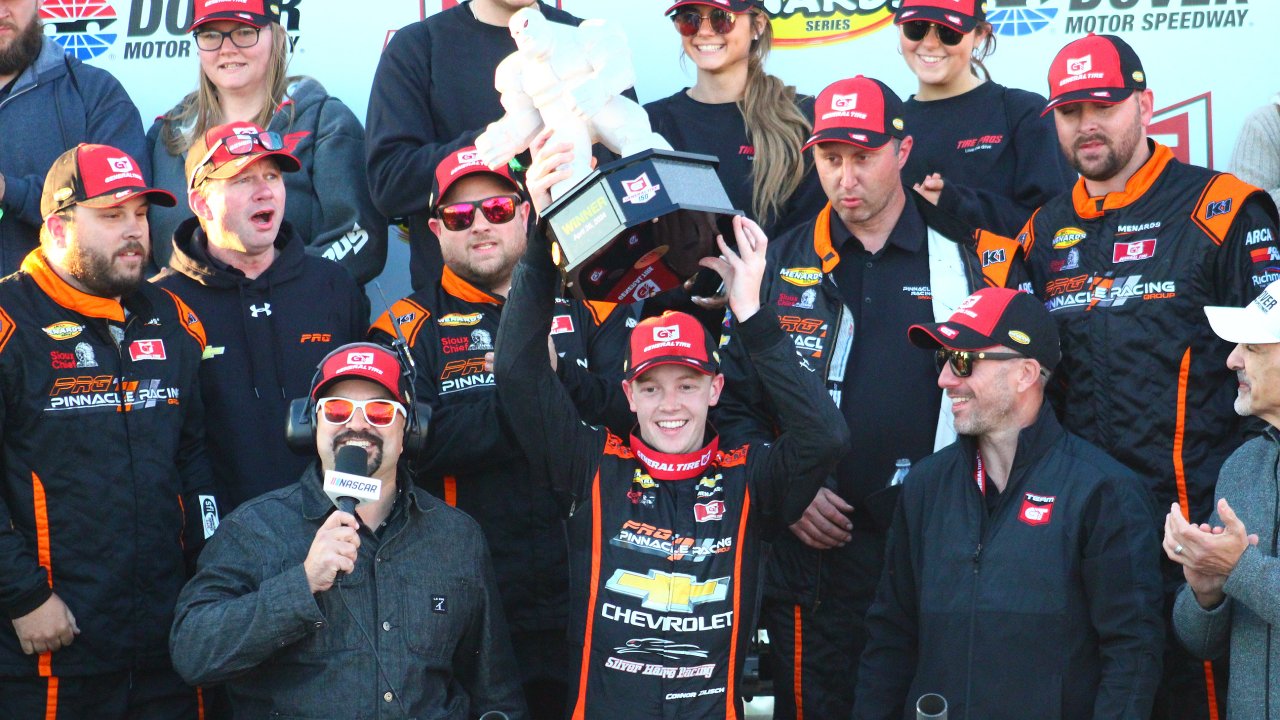
Connor Zilisch enters 2026 with a different kind of pressure, the pressure that comes from already being labeled the top prospect in the sport. In a recent ranking of rising drivers, Zilisch was identified as the No. 1 prospect, which sets a clear expectation that his trajectory should bend toward front running equipment and meaningful results. That kind of designation is not handed out lightly, and it reflects both his on track performance and the way teams increasingly evaluate young drivers through a blend of traditional scouting and data analysis.
From my perspective, the most telling detail is that Zilisch held that No. 1 status in a list that was updated after a full season of additional evidence. The same ranking noted that he had already been singled out as the top prospect the year before, which means his stock did not fade under closer scrutiny. Instead, his continued presence at the top of a refreshed “Ranking NASCAR” style evaluation suggests that his pace, adaptability, and race craft have held up as more teams and analysts have studied his work. That kind of sustained validation is exactly what separates a fleeting hot name from a genuine breakout candidate.
Ty Gibbs and the threshold of first time Cup success
While some prospects are still climbing the ladder, Ty Gibbs sits at the edge of a different kind of breakthrough, the transition from promising Cup regular to first time winner. Gibbs drives for Joe Gibbs Racing, one of the most accomplished organizations in the Cup Series, and he is entering a season widely framed as his best opportunity yet to convert speed into trophies. Analysts have already grouped him among a small set of drivers who are considered strong candidates to become first time Cup winners in 2026, a reflection of both his equipment and his rapid adaptation to the top level.
In my view, the combination of Joe Gibbs Racing resources and Gibbs’s own development curve makes his case especially compelling. The assessment that he belongs on a short list of drivers poised for a first Cup victory is grounded in the way he has already shown race winning pace without yet closing the deal. When I compare his situation to other young drivers in similar equipment, the pattern is familiar: sustained top ten speed, flashes of dominance at specific tracks, and growing comfort in traffic. That is why the argument that he can cross the line as a first time Cup winner in 2026 feels less like speculation and more like a logical next step supported by recent performance.
Carson Hocevar and the volatility of a breakout bid
Carson Hocevar represents a different flavor of breakout candidate, one whose path is defined as much by volatility as by raw speed. Evaluations of the 2026 field have singled him out as a potential first time Cup Series winner, even while acknowledging that he might not be one of the more popular drivers among his peers. That tension between reputation and performance is part of what makes his season so intriguing, because it suggests that his ceiling is high enough to overcome any lingering skepticism inside the garage.
Detailed predictions for 2026 go further than simply labeling Hocevar a dark horse, suggesting that he has the potential not only to win once but to challenge for a second victory if circumstances align. That kind of projection is rooted in the way he has already demonstrated race winning pace in spurts, even if the results column has not fully caught up. When I weigh those forecasts against the broader pattern of Cup drivers who break through after a year or two of learning, Hocevar fits the profile of a driver whose aggressive style could finally translate into the kind of finishes that change how both fans and competitors talk about him.
Fantasy rankings, fan sentiment, and the wider breakout field
Beyond the headline names, the 2026 breakout conversation is being shaped by two powerful forces, data driven fantasy rankings and the collective instincts of the fan base. On the analytical side, the 2026 NASCAR Draft Kit and its driver rankings provide a structured view of who is expected to outperform, with a clear invitation to “Sign up” and study the list “Below” for competitive advantage. Those rankings synthesize recent performance, team changes, and projected improvement into a tiered view of the field, which in turn highlights several young drivers as undervalued assets relative to their likely results.
At the same time, fan discussions are surfacing many of the same names, often with a more intuitive but no less insightful lens. A widely shared thread built around the question “What NASCAR driver do you think will have a breakout year in 2026?” shows how supporters are already debating which drivers are poised to surprise. When I compare that grassroots conversation with more formal “Predictions for NASCAR” style pieces that lay out “New Year” expectations for the season, I see a notable overlap in the drivers being mentioned, from established near winners to prospects like Corey Day and Connor Zilisch who are still climbing. That convergence between data, expert prediction, and fan sentiment is usually a reliable indicator that the sport is on the verge of welcoming several new stars into its weekly storylines.
More from Fast Lane Only: