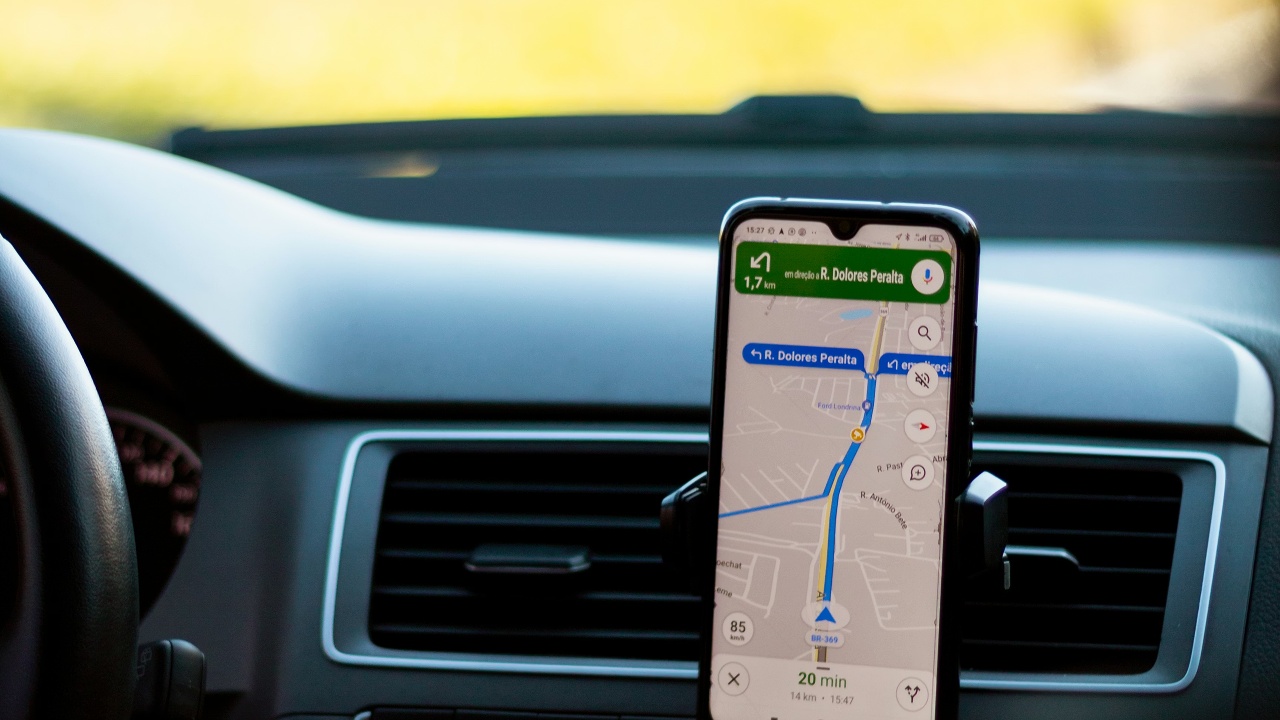
For years, in-car GPS systems have spoken in clipped commands, expecting drivers to adapt to the machine. Now the balance is shifting, as navigation technology begins to sound less like a robotic dispatcher and more like a co‑driver that can hold a conversation. The next generation of systems is using advanced language models and multimodal AI so drivers can simply talk through their journeys, while the car interprets intent, context, and even mood.
I see this shift as more than a user interface upgrade. It is a structural change in how vehicles perceive the road, understand the driver, and coordinate with cloud services, turning navigation from a static map into a responsive assistant that anticipates needs, manages safety, and quietly orchestrates the logistics of every trip.
From static maps to conversational copilots
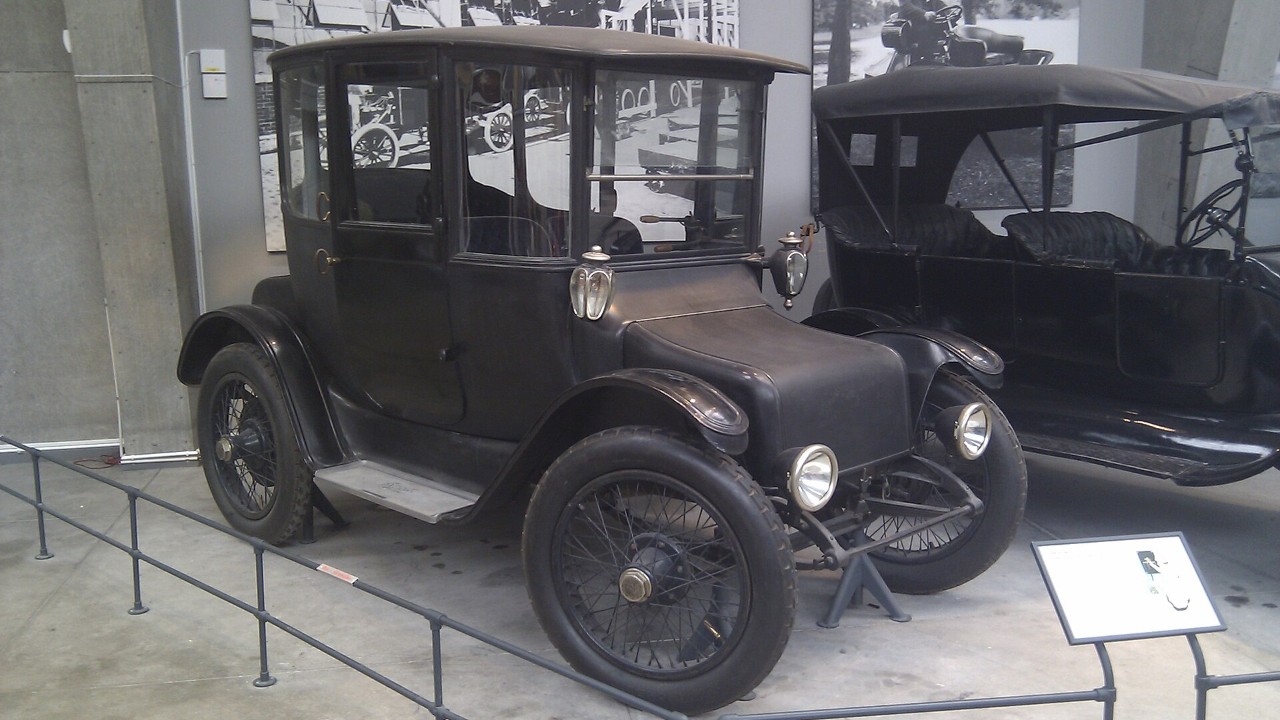
The first wave of GPS turned cars into basic guides, plotting routes and recalculating when drivers strayed off course. That alone was transformative, as early in‑dash systems showed how GPS could convert a vehicle into an intelligent companion that knew where it was and where it was going. Yet those systems were still fundamentally one‑way broadcasters, issuing instructions with little understanding of why a driver might prefer a scenic detour over the fastest route or a quiet side street over a busy arterial.
Today, the underlying software stack is being rebuilt around large language models and multimodal perception, so navigation can respond to natural speech and real‑time conditions. Automotive developers are increasingly leaning on Foundation models, the same class of technology behind modern large language systems, to interpret speech, sensor data, and map information in a unified way. Industry analysts argue that leaders who understand how machine learning and LLM capabilities reinforce each other will be best positioned to build these conversational copilots into their vehicles.
Big tech and automakers race to own the in‑car voice
As navigation becomes more talkative, the strategic question is who controls that voice. At CES in Las Vegas, HERE and Amazon presented a joint effort to embed uniquely branded, conversational navigation into automakers’ systems, promising assistants that can understand complex requests, plan multi‑stop journeys, and adapt to each driver’s habits. Their collaboration on next‑generation AI navigation signals that cloud providers see the dashboard as a prime battleground for voice‑driven services.
Traditional automakers are not ceding that territory. General Motors is weaving conversational AI into its connected car strategy, building on the long‑running OnStar platform that already links vehicles to live advisors and remote diagnostics. Reporting on GM’s roadmap describes how drivers will be able to speak naturally to the car about maintenance alerts, route changes, or nearby restaurants, with the system handling the back‑and‑forth instead of forcing drivers to tap through menus. A separate analysis of GM’s connected future underscores how OnStar technology is central to that push, turning the vehicle into a node in a broader AI‑enabled network rather than a standalone product.
Concept cars and production models test human‑like dialogue
Concept vehicles are often the first to showcase how far conversational navigation might go. BMW’s i Vision Dee, for instance, is framed around an assistant named Dee that the automaker envisions as a companion with human‑like conversational skills, learning from the driver over time. In that vision, navigation is not a separate app but part of an ongoing dialogue, where the car might suggest leaving earlier to avoid a storm or propose a charging stop based on the driver’s usual coffee preferences.
Some of these ideas are already filtering into production cars. The Kia EV3 integrates a voice system built on Chat technology, with a GPT‑based assistant that reacts to driving context and can offer tips on efficient or safer driving. Reviewers describe this Exciting implementation as a step toward a car that understands not just what the driver says but what the situation on the road demands, using GPT style models that have evolved to produce more accurate, grounded responses. In parallel, Volkswagen is upgrading its in‑car assistant with Cerence AI, explicitly targeting more human‑like conversations and a broader range of tasks that go well beyond simple voice commands.
From navigation to coaching: safety and telematics get a voice
Once a car can listen and respond in natural language, navigation becomes a gateway to a wider set of safety and telematics services. Fleet and telematics providers are already using AI to watch the road and the driver simultaneously, then speak up when something is amiss. One system described as Real Time Driver Coaching AI uses driver‑facing cameras to deliver immediate, contextual feedback, such as reminding a driver to check mirrors or maintain distance. In that model, the same conversational layer that guides a route can also intervene with targeted coaching, turning the GPS voice into a real‑time safety partner.
Connected dashcams are extending this approach by tying navigation data to driver monitoring. A system like Raven’s Driver Monitoring System, or DMS, is cited as an example of how AI can flag behaviors such as distraction, smoking, or eating while driving, then link those events to GPS traces. In the future, I expect these capabilities to merge more tightly with conversational navigation, so the same assistant that suggests a rest stop can also explain why it flagged a risky maneuver, using the route context and safety data to make its case in plain language.
Agentic AI and the road ahead
The most ambitious vision for conversational navigation goes beyond answering questions to taking initiative on the driver’s behalf. Some industry thinkers describe this as a shift toward agentic AI, in which systems can break down goals, plan steps, and act within defined boundaries. One analysis of the move from GPS to self‑driving frames this evolution as part of a broader trend, where a Business Development Manager in Automotive at a research firm highlights how competition and new AI frameworks are pushing navigation to become more proactive. In that context, the assistant is not waiting for a driver to ask about traffic, it is already rerouting, booking a charging slot, or coordinating with other systems in the background.
At CES, multiple auto and tech companies showcased cars that behave more like proactive companions than passive tools, with At CES coverage emphasizing how these vehicles anticipate needs and respond in real time. GM’s own plans for conversational AI, described in an industry report that notes how You will be able to talk to your car about maintenance, routes, or restaurants, fit squarely into this trajectory. As AI in vehicles continues to mature, I expect the line between navigation, assistance, and autonomy to blur, with the conversational layer serving as the human‑facing side of a much deeper, agentic decision engine that quietly manages the journey from start to finish.
More from Fast Lane Only