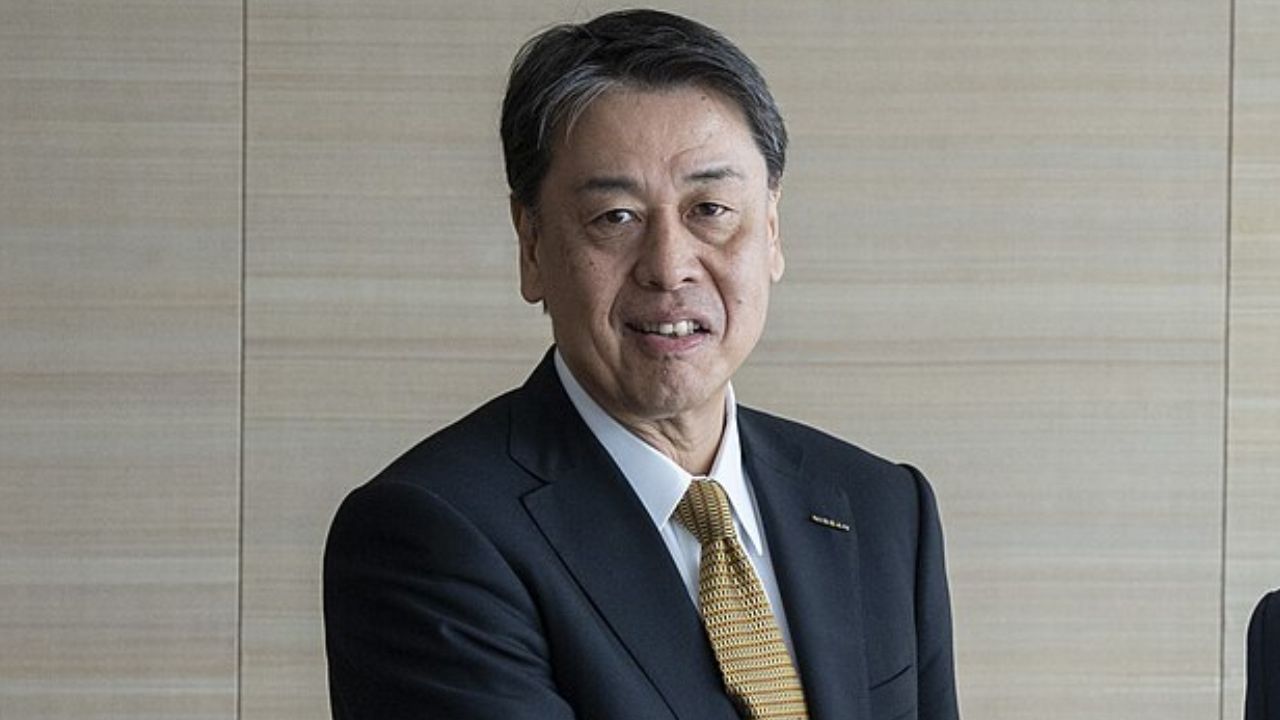
Nissan CEO Makoto Uchida recently acknowledged that Infiniti, the luxury division of the automaker, has struggled to maintain its identity and market presence. As the brand embarks on a strategic revival, it aims to redefine its path and reconnect with consumers.
The Decline of Infiniti
Infiniti has faced a significant decline in sales and market share in recent years. Once a strong contender in the luxury automotive sector, its sales plummeted to about 11,000 units in the U.S. in 2022, down from 30,000 in 2017. The brand’s share of the luxury market fell below 2%, a stark contrast to its peak when it consistently challenged rivals like Lexus and Audi. The decline has been attributed to several factors, including a lack of distinctive models and an unclear brand identity.
One of the key issues contributing to Infiniti’s identity crisis has been its inconsistent product offerings. While competitors like BMW and Mercedes-Benz have successfully launched new models that resonate with luxury consumers, Infiniti has struggled to innovate. The absence of a defining flagship vehicle, coupled with a limited array of options, has made it challenging for the brand to attract a loyal customer base. Additionally, Infiniti’s marketing efforts have not effectively communicated its unique value proposition, further exacerbating its struggles in a competitive landscape.
Makoto Uchida’s Vision for Infiniti
In light of these challenges, CEO Makoto Uchida has laid out a clear vision for revitalizing the Infiniti brand. He emphasizes the need for a turnaround that not only addresses the current shortcomings but also re-establishes Infiniti as a leader in the luxury segment. Uchida has indicated that a fundamental shift in strategy is necessary, focusing on innovation, sustainability, and a renewed commitment to customer satisfaction.
Uchida’s commitment to revitalizing Infiniti is reflected in his plans to enhance the brand’s product lineup. He believes that by investing in electric and hybrid technologies, Infiniti can cater to evolving consumer preferences while also addressing environmental concerns. This strategic pivot aims to align the brand with the growing demand for sustainable luxury vehicles, a trend that has become increasingly dominant in the automotive industry.
Strategic Changes in Product Offerings
Infiniti’s future product offerings will undergo significant updates, including a focus on electrification. The brand has announced plans to introduce several electric models by 2025, which will be crucial in repositioning it within the luxury market. The upcoming Infiniti QX80 all-electric SUV is expected to be a flagship model that showcases the brand’s commitment to innovation and sustainability.
In addition to new electric models, Infiniti will also revamp existing vehicles to ensure they meet modern consumer expectations. This includes updates to the Q50 sedan and QX60 SUV, incorporating advanced technology and luxury features that appeal to discerning buyers. By aligning its product offerings with current trends, Infiniti aims to not only regain lost market share but also attract a new generation of luxury consumers.
Consumer Perception and Brand Identity
To effectively navigate its comeback, Infiniti must address changing consumer perceptions of luxury. The luxury automotive market has evolved significantly over the past decade, with buyers increasingly valuing technology, sustainability, and unique brand experiences. This shift necessitates a reevaluation of Infiniti’s brand identity and how it communicates with its target audience.
In today’s market, the traditional markers of luxury—such as high price points and premium materials—are no longer sufficient to capture consumer interest. Instead, brands that emphasize innovation and social responsibility tend to resonate more with buyers. Infiniti’s challenge will be to redefine its identity in a way that aligns with these evolving perceptions, ensuring that it stands out in a crowded marketplace. A strong focus on customer engagement, such as through social media platforms like Instagram, will be essential in reshaping consumer sentiment.
Marketing and Communication Strategies
In conjunction with product updates, Infiniti is also revamping its marketing and communication strategies. Uchida has stressed the importance of enhancing brand messaging and engagement with consumers to build a stronger emotional connection. This includes a renewed focus on storytelling that highlights the brand’s heritage and commitment to quality and innovation.
Utilizing social media and digital platforms will play a crucial role in reaching target demographics, particularly younger consumers who are more likely to engage with brands through these channels. By showcasing new products, sharing customer testimonials, and highlighting sustainability initiatives, Infiniti can create a more dynamic and relatable brand image. Effective use of digital marketing strategies will not only enhance brand awareness but also drive customer loyalty in a competitive luxury market.
Competitor Analysis: Lessons from Rivals
To successfully navigate its comeback, Infiniti can learn valuable lessons from successful luxury brands like Lexus and Audi. These competitors have effectively carved out their niches by consistently delivering innovative products and maintaining a strong brand identity. For instance, Lexus has established itself as a leader in hybrid technology, which has resonated with eco-conscious consumers. Infiniti must identify its unique strengths and differentiate itself in a similar manner.
Furthermore, examining the marketing strategies of these rivals reveals the importance of brand storytelling and customer engagement. By adopting similar approaches, Infiniti can enhance its market position and attract a more diverse customer base. This includes not just focusing on the luxury aspects of its vehicles but also communicating the brand’s commitment to sustainability and innovation, areas where many consumers are increasingly placing their value.
The Role of Innovation and Technology
Innovation and technology will be central to Infiniti’s strategy moving forward. The brand plans to integrate cutting-edge technology in its vehicles, focusing on features that enhance the driving experience. This includes advancements in autonomous driving, connectivity, and safety features that cater to modern consumer expectations.
Moreover, incorporating customer feedback into product development will be crucial for ensuring that new models resonate with buyers. By actively engaging with customers and understanding their needs, Infiniti can create vehicles that not only meet but exceed expectations. This customer-centric approach will be vital in rebuilding trust and loyalty, ultimately driving sales and market share.
Future Outlook and Goals
As Infiniti charts its course for the future, several key performance indicators will measure the success of its comeback strategy. These may include sales growth, market share recovery, and consumer sentiment metrics. Uchida’s long-term vision involves not only regaining lost ground but also establishing Infiniti as a front-runner in luxury automotive innovation.
By focusing on electrification, enhancing the product lineup, and redefining brand identity, Infiniti aims to secure its place in the luxury market. The brand’s commitment to sustainability and customer engagement will be pivotal in navigating the evolving landscape of the automotive industry. With these strategic changes, Infiniti hopes to not only recover from its recent challenges but also emerge stronger and more relevant in the luxury segment.
More from Fast Lane Only