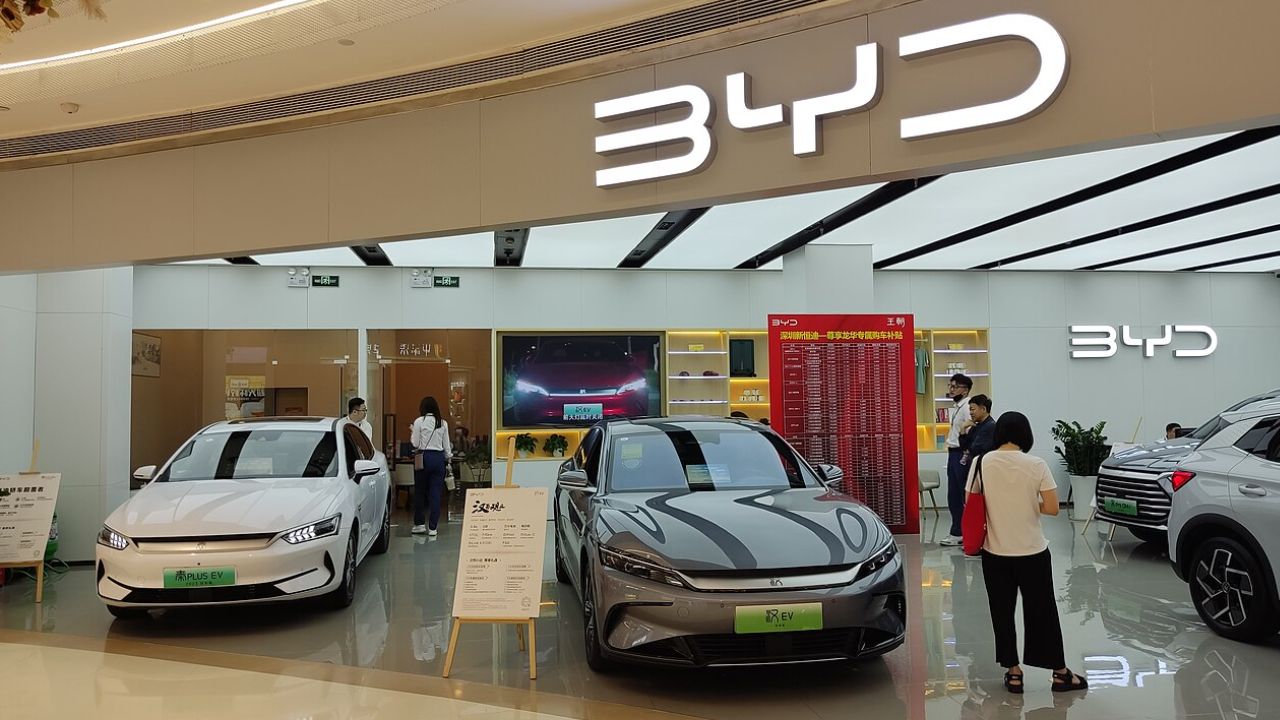
Recent data indicates a significant rise in interest among German consumers towards BYD, a leading Chinese electric vehicle (EV) manufacturer. This trend highlights a growing acceptance of foreign EV brands in the competitive German automotive market. With sustainability becoming a priority and consumers increasingly seeking alternatives to traditional internal combustion engines, BYD is well-positioned to capitalize on these changes.
Overview of BYD’s Market Position
Founded in 1995, BYD has evolved from a battery manufacturer into one of the world’s largest electric vehicle producers. The company has made substantial investments in technology and production capabilities, allowing it to compete not only on price but also on innovation. In the global automotive market, BYD has emerged as a formidable player, especially in the electric vehicle segment, where its rapid growth has caught the attention of consumers and investors alike.
In comparison to traditional German automakers like Volkswagen and BMW, BYD is still establishing its footing. However, its aggressive pricing and diverse product range, which includes everything from electric buses to passenger cars, have enabled it to gain traction. The importance of EV market share in Germany cannot be overstated; as the largest automotive market in Europe, it serves as a critical battlefield for electric vehicle adoption and brand loyalty.
Q1 Data Highlights
Data from the first quarter of 2023 shows that BYD experienced a remarkable 250% increase in sales in Germany compared to the same period last year. This surge is indicative of a shifting consumer landscape, with more buyers willing to consider non-European brands. Approximately 15% of all EV sales in Germany are now attributed to BYD, a significant milestone for the company in a market historically dominated by local manufacturers.
Demographic insights reveal that BYD’s appeal is particularly strong among younger consumers aged 25 to 40, who are often more open to innovative technologies and sustainability. Many of these consumers are influenced by social media trends and environmental awareness, making them a key target for BYD’s marketing strategies. This demographic shift suggests that BYD is effectively tapping into the desires of a more eco-conscious generation.
Factors Contributing to BYD’s Popularity
One of the primary factors driving BYD’s popularity in Germany is its competitive pricing strategy. With models like the BYD Atto 3 and BYD Han offering impressive features at lower price points than their German counterparts, the brand appeals to budget-conscious consumers looking for value without compromising on quality. For instance, the BYD Atto 3 starts at around €38,000, which positions it favorably against similar offerings from local brands.
Additionally, BYD has made headway with innovative technology that resonates with German consumers. The integration of advanced driver-assistance systems, long-range battery capabilities, and rapid charging options sets BYD apart in a crowded marketplace. The company’s proprietary Blade Battery technology not only enhances safety but also provides a longer lifespan compared to traditional lithium-ion batteries, further solidifying its reputation among tech-savvy buyers.
Challenges Faced by BYD in Germany
Despite its growing popularity, BYD faces several challenges in the German market. One significant hurdle is the complex landscape of trade regulations and potential tariffs that could impact pricing strategies. As a foreign automaker, BYD must navigate the intricacies of European Union regulations, which can complicate its operations and affect competitiveness.
Moreover, the competition from established German brands is intensifying. Companies like Volkswagen and BMW are rapidly ramping up their EV offerings, making it essential for BYD to differentiate itself continually. As these brands enhance their product lines and invest in marketing, consumer skepticism regarding BYD’s reliability and brand reputation may also pose a challenge. Building trust among consumers is crucial for BYD to maintain its momentum in this competitive environment.
Consumer Sentiment and Feedback
Consumer reviews and feedback on BYD vehicles in Germany have generally been positive, with many praising the brand’s affordability and innovative features. Users frequently mention the impressive range and performance of models like the BYD Dolphin, which has garnered attention for its efficient energy consumption and spacious interior. However, some consumers express concerns about the availability of service centers and dealership presence, which can influence their purchasing decisions.
The impact of customer service on brand perception cannot be underestimated. As BYD expands its footprint, establishing a robust dealership network and ensuring effective customer support will be essential. Additionally, social media platforms play a significant role in shaping consumer opinions. Positive experiences shared by early adopters can greatly enhance BYD’s reputation and attract new customers.
Impact of Marketing Strategies
BYD’s marketing strategies in Germany have focused on highlighting its commitment to sustainability and innovation. The company has leveraged digital marketing effectively, utilizing social media campaigns that resonate with environmentally conscious consumers. Collaborations with local influencers who advocate for green technology have also helped BYD build a strong online presence and enhance brand credibility.
Sustainability messaging is a cornerstone of BYD’s marketing efforts. By showcasing its electric vehicles as not only a viable alternative to traditional cars but also as a choice that contributes to a cleaner environment, BYD appeals to the growing segment of consumers who prioritize eco-friendliness. This strategic positioning is crucial in a market where sustainability is becoming a significant factor in purchasing decisions.
Future Projections for BYD in Germany
Looking ahead, predictions for BYD’s sales growth in Germany are optimistic. Analysts project that if current trends continue, BYD could capture up to 20% of the German EV market within the next few years. New models, such as the upcoming BYD Seal, are expected to attract even more consumers, further diversifying the brand’s offerings.
Technological advancements also loom on the horizon. BYD’s ongoing research and development efforts aim to enhance battery efficiency and reduce production costs, which could lead to even more competitive pricing. Strategic moves, such as expanding its local assembly operations, may help BYD mitigate tariff impacts and strengthen its market presence.
Comparative Analysis with Competitors
In the competitive landscape of the German EV market, BYD faces several key rivals, including Tesla and Volkswagen. Tesla has established a strong brand presence with its premium offerings and cutting-edge technology, while Volkswagen is aggressively pushing its ID series to capture the mass market. The differences in consumer appeal between BYD and its competitors lie mainly in pricing and brand perception.
BYD’s focus on affordability and value for money makes it particularly appealing to budget-conscious consumers, while Tesla’s brand image attracts those willing to invest in high-performance luxury vehicles. Insights from industry experts suggest that BYD’s potential to disrupt the market lies in its ability to offer compelling alternatives that cater to a broader audience, particularly as the demand for electric vehicles continues to grow.
As the competition heats up, the ability of BYD to maintain its unique selling propositions will be crucial. The company must continue to innovate and adapt to consumer preferences to fully capitalize on its current momentum.
More from Fast Lane Only