You are watching Nissan confront one of its most difficult crossroads in years. The company is bracing investors for a net loss of about $4.2 billion tied to sweeping restructuring, and its chief executive has openly acknowledged that a sale of the automaker is no longer unthinkable. For you as an industry watcher, employee, supplier, or customer, the combination of deep cost cuts and strategic uncertainty raises sharp questions about what Nissan will look like on the other side.
The scale of the $4.2 billion shock
If you follow Nissan’s financials, the headline number is stark: management expects a net loss of approximately $4.2 billion for the current fiscal year as restructuring charges hit the bottom line. That projected deficit, described in recent coverage of $4.2 billion in red ink, reflects not only weaker performance but also the cost of dismantling parts of the existing footprint.
The loss outlook follows earlier setbacks. You already saw Nissan report a net loss of nearly $1.5 in the first half of its 2025 fiscal year, a result that highlighted how far profitability had slipped even before the latest wave of charges hit. That earlier figure, detailed in coverage of nearly $1.5B in losses, set the stage for the more aggressive restructuring that is now unfolding.
For you as an investor or analyst, the key takeaway is that Nissan is choosing to absorb heavy short term pain in order to reset its operations. The $4.2 billion forecast is not simply a reflection of weak sales. It is also the bill for plant exits, workforce reductions, and asset sales that management argues are necessary to restore long term viability.
Restructuring that reaches deep into the company
Nissan has been signaling for more than a year that its turnaround would be extensive. In its own progress update, the company set a goal to Achieve cost savings of around 400 billion yen through a wide range of initiatives and to Adjust the cost structure so it can sustain a healthier operating margin. That ambition is spelled out in a corporate outline that describes how Nissan intends to Achieve cost savings and reshape its fixed and variable expenses.
You have already seen concrete steps behind those numbers. Earlier restructuring plans called for a cut of global production capacity by about 20 percent and a reduction of the workforce by roughly 9,000 people, moves that were highlighted when 9,000 people were flagged for job losses worldwide. Supplier commentary has since described how that strategy is rippling through the ecosystem, with one analysis noting that Nissan is projecting a $4.2 net loss and that partners are already cutting shifts in response, as captured in a LinkedIn post by Ahmad Pratama, Graduate student, MS Finance (STEM), who highlighted the strain on suppliers.
The restructuring also extends to real estate and manufacturing sites. You have already watched Nissan return to the red after five years, with a ¥221.9 Billion loss described as a “Triple Punch” that coincided with a decision to sell its headquarters building. That episode, detailed in coverage of Nissan’s ¥221.9 Billion setback and Back in the, showed how far management is willing to go to raise cash and shrink its physical footprint.
Factory exits and a leaner global footprint
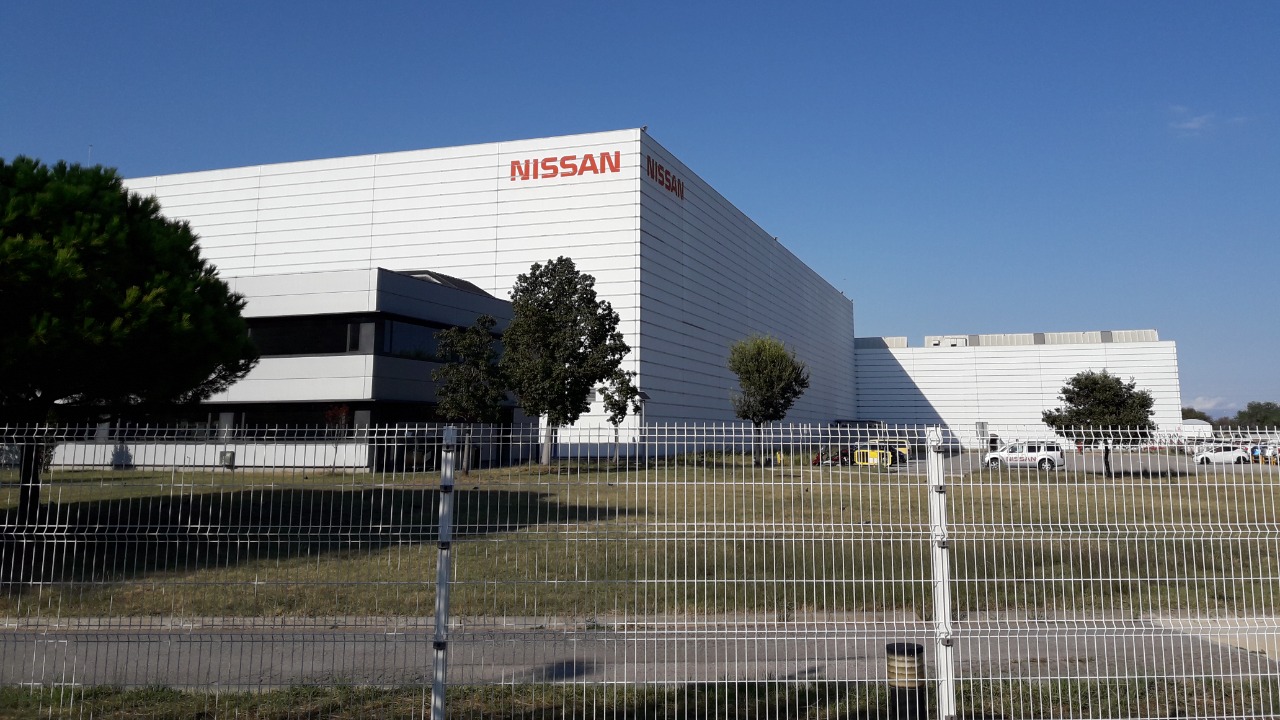
Plant closures are now a central feature of how you should think about Nissan’s future scale. The company has already announced plans to exit operations at plants in Argentina and India, along with its Civac truck plant in Mexico, while also revisiting capacity at key Japanese sites such as Oppama and Shatai Shonan. Those changes were summarized in an overview of how Already it has to withdraw from Argentina and India and scale back in Mexico.
More recently, Nissan’s radical restructuring plan has been described as already in full swing, with seven factories and two design studios slated for closure and a workforce reduction of roughly 10 percent compared with the previous fiscal year. That picture, laid out in a detailed account of how Nissan’s radical restructuring is shrinking its global presence, helps you understand why the near term costs are so high.
For you as an employee, supplier, or local official in one of these regions, the implications are immediate. Production shifts can mean job losses, reduced local investment, and a different mix of imported versus locally built vehicles. For Nissan, the goal is to align capacity with demand and free up capital for new products and technology.
Strategic pivot: from volume to value
Even as the company cuts, it is trying to reposition its product strategy. Management has emphasized that the turnaround is not only about shrinking but also about building a more competitive lineup. One analysis of the financial outlook noted that, besides restructuring, Nissan is teaming up with a U.K. startup to develop more appealing in car software and connectivity, a reminder that the company wants to differentiate its future models. That partnership was cited in an overview that explained how Besides restructuring, Nissan is also investing in digital features for cars sourced from Japan, India and China.
In its own turnaround roadmap, Nissan has set a Target for fiscal year 2026 that includes a more efficient cost base and a stable operating margin of 4 percent, a target described in the company’s internal briefing on how Target for fiscal plans to optimize its cost structure. For you, that means the automaker is explicitly trying to move away from chasing raw volume and toward a model in which each vehicle sold contributes more profit.
You can already see hints of that shift in product planning discussions, from renewed focus on core models like the Nissan Rogue and Qashqai to more selective bets on electric vehicles and hybrids. While those specific model details are not fully spelled out in the provided sources, the broad direction is clear: fewer marginal plants and a tighter range of vehicles that can carry their weight financially.
Why the CEO is not ruling out a sale
The most striking development for you as an observer is the CEO’s public stance on ownership. In recent interviews, the leader at the top of Nissan has been described as leaving the door open to a Possible Sale, acknowledging that the company must consider all options as it pushes one of the most aggressive restructuring programs in its recent history. That framing appears in coverage that explicitly refers to how Nissan CEO Leaves and to how the Automaker Pushes Massive Restructuring and Billion Loss Looms.
Another account of the same message described how difficult it is to run a car company in dire straits such as Nissan and highlighted the role of Ivan Espinosa in steering product strategy while the broader restructuring is already in full swing, with seven factories affected. That perspective on Nissan and Ivan reinforces the idea that leadership is keeping every strategic option on the table.
For you as a shareholder or partner, a potential sale could take several forms. It might mean a deeper tie up with another automaker, a strategic investor taking a significant stake, or even a full change of control. The CEO’s comments do not guarantee any of those outcomes. They do, however, signal that management is prepared to entertain them if the current plan does not restore sustainable profitability.
How investors and stakeholders should read the signals
The projected $4.2 Billion loss has already drawn attention from financial commentators, some of whom have cited it in discussions of how Discovered coverage of Nissan CEO Leaves Door Open to Possible Sale and Automaker Pushes Massive Restructuring and Billion Loss Looms reflects market anxiety. That concern is echoed in references to $4.2 Billion that highlight the pressure on the balance sheet.
More from Fast Lane Only