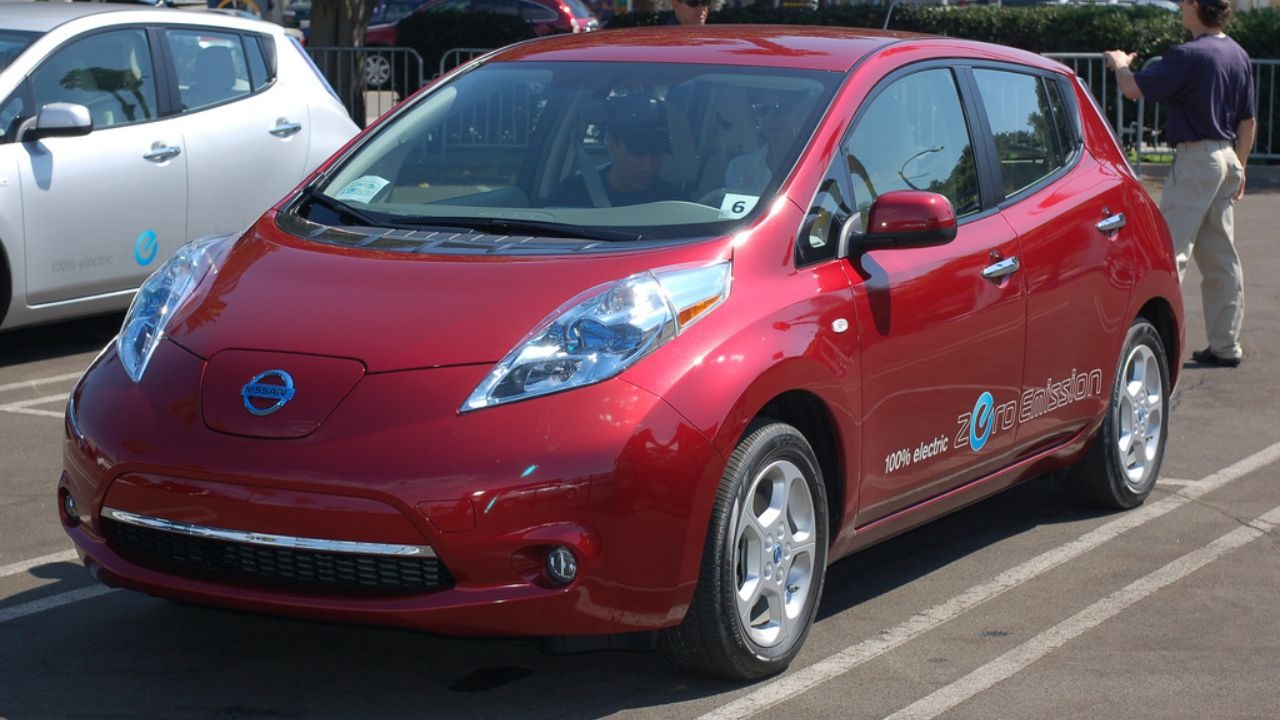
You keep hearing that the Nissan Leaf is the bargain of the used EV world, then someone warns you that one bad battery can wipe out the savings. The truth that matters most when you shop is simple: the car is only as good as the pack you are buying, and you can measure that pack far more precisely than a quick test drive suggests. If you understand how Leaf batteries age, how to read their health indicators, and where the legal and warranty lines sit, you can walk into any used Leaf deal with your eyes open instead of crossing your fingers.
Once you see how capacity, age, and charging habits translate into real range, you can decide whether a particular Leaf fits your commute or will box you into constant top ups. You do not need a lab or an engineering degree, just a clear checklist and a willingness to walk away if the numbers do not add up.
Why Leaf battery health makes or breaks the deal
When you buy a used Leaf, you are really buying a specific amount of usable kilowatt hours, and that number is what determines whether you glide through your week or live at the charger. The Leaf has historically used relatively small packs, so a few kilowatt hours of loss hit you harder than in a larger luxury EV. Reporting on why Nissan Leaf points out that the car’s value is tightly linked to its remaining capacity, because a pack that has lost a chunk of its original energy storage can turn a once practical commuter into a short-hop city car.
You are also dealing with chemistry, not magic. Every lithium ion pack sheds capacity over time, and the Leaf is no exception. Guidance on how Nissan Leaf explains that heat, high states of charge, and deep discharges all accelerate this loss. Because the Leaf relies on passive air cooling instead of active liquid thermal management, you feel those effects more sharply in hot regions, and that is why two cars of the same year can have wildly different real-world ranges.
How much capacity you can realistically expect
Before you panic, you should also hear the good news. Analysis of long term owners shows that a healthy Leaf pack can deliver a decade or more of useful commuting if it has been treated reasonably well. One guide notes that, unlike many early EVs that suffered rapid early fade, a well cared for Leaf can keep doing school runs and daily commutes for years, especially if you follow a simple 5 minute Nissan before you buy. That quick inspection ties the state of health to the model year and battery size, so you can sanity check the seller’s promises against what the chemistry should look like.
The generation and pack size matter. Coverage of the Leaf’s early years breaks down how the 2011 to 2015 cars with 24 kWh packs often lost capacity faster, especially in hot climates, while later 30 kWh, 40 kWh, and 62 kWh versions generally hold up better. One breakdown of 2011 to 2015 explains how buyers started using the displayed state of health, or SOH, as a pricing tool, because a few percentage points of loss translate directly into miles you no longer have. If you know that, you can decide whether a cheaper early car with some degradation beats a newer, more expensive Leaf with a larger usable buffer.
What the bars and numbers really tell you
Inside the cabin, the car gives you more information than most sales listings admit. The capacity gauge on the right side of the cluster shows 12 bars when the pack is fresh, and those bars are separate from the taller state of charge display. Guidance aimed at used buyers explains that losing a bar on that capacity side is a sign that the battery has already shed a noticeable slice of its original energy, and that is why losing capacity bars should factor into your offer. A car that shows 9 or 10 bars can still work well for a short commute, but you should not pay the same price as a 12 bar example.
If you want a more precise picture, you can combine the dashboard with software. Dealer guidance on understanding Nissan Leaf explains that 100% SOH means the battery is like new and that lower SOH means the pack has lost some of its original capacity. Apps that talk to the car’s diagnostics port can show you that SOH number directly, and once you have it you can translate it into range for your own driving pattern instead of guessing from a seller’s anecdote about “going all week on a charge.”
Degradation patterns, climate, and charging habits
Not all capacity loss is created equal, and you can use the pattern to judge how the previous owner treated the car. Technical explainers on lithium ion aging describe how even when not, batteries experience calendar aging, which is the gradual loss of capacity from internal reactions. That calendar loss speeds up when a pack sits at a high state of charge and in warmer environments, so a Leaf that spent its life fully charged in a hot driveway will usually look worse than one that cycled between moderate charge levels in a cooler garage.
Usage patterns layer on top of that. Owner reports and buyer guides point out that early Leafs without active cooling suffered more in regions with long hot summers, and that frequent rapid charging can add stress. A community breakdown of typical loss suggests that if you bought a 70% SOH 2013 Leaf car, you would get one for about 10,000 to 12,000 dollars and it would give you on average 6.5 years before it got down to 60% SOH, which is when range becomes tight for many commutes. That back of the envelope math, shared in a discussion of basic Leaf battery, gives you a way to think in years of usefulness instead of just staring at a percentage.
Warranties, replacement options, and legal red flags
Because the pack is so central, you should also know where Nissan’s obligations begin and end. Official warranty language explains that every Nissan LEAF is backed by a New Vehicle Limited Warranty that provides 36-month and 36,000-mile basic coverage along with a separate EV battery warranty that runs longer. One dealer summary of the battery warranty notes that the lithium ion pack is covered for capacity loss down to a specific bar threshold for a period of years, which means some used Leafs still have factory backing if the gauge has dropped faster than Nissan expected.
If your dream car falls outside that window, you are not out of options, but you do need to factor the cost into your offer. Research on LEAF batteries and notes that the Nissan LEAF has model years that range from 2011 to 2022 and battery sizes that range from 22 to 62 kWh, and that replacement packs or used modules from later cars can restore range at a price. Salvage listings for 40 kWh and 60 kWh packs show that you can source components from dismantlers, but labor and programming add up, so you should compare the all-in cost of a weaker Leaf plus a future swap against simply buying a healthier example up front.
More from Fast Lane Only