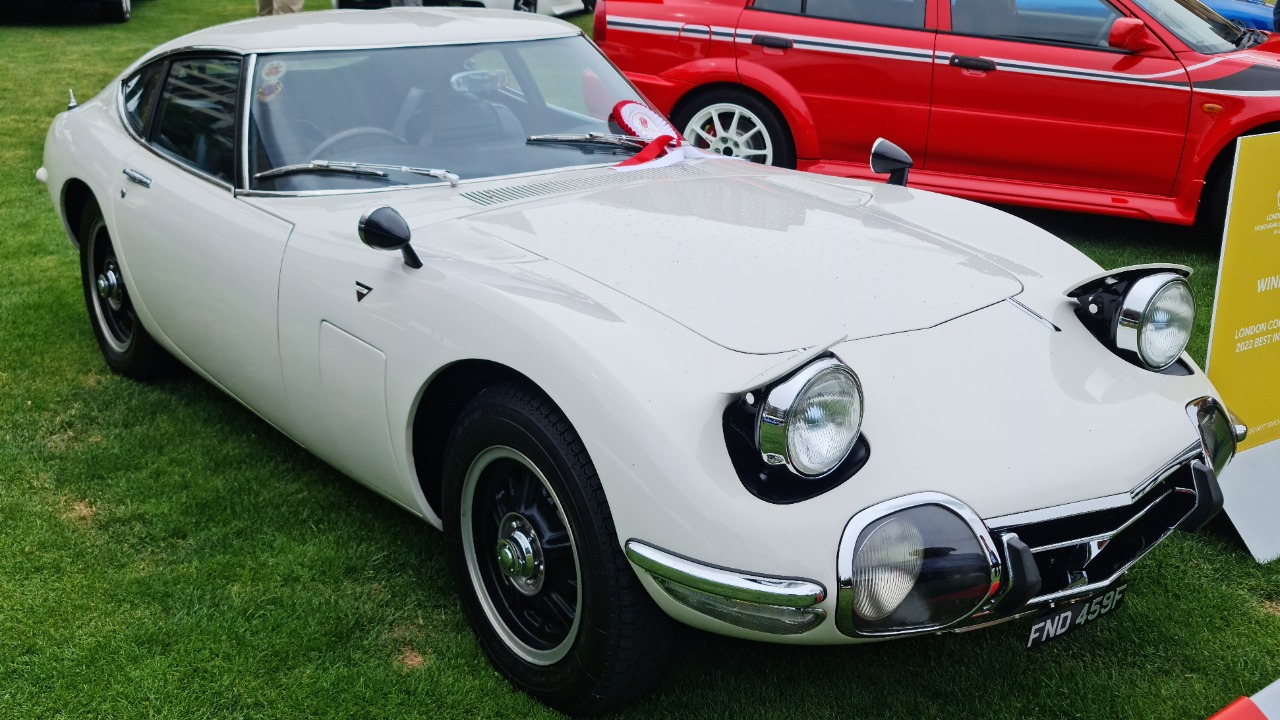
You meet the Toyota 2000GT for the first time and it instantly rewires what you expect from a Japanese car of the 1960s. Instead of a sensible runabout, you find a low, impossibly elegant coupe that looks ready to trade punches with anything from Italy or Britain. Trace its story and you see why enthusiasts still call it Japan’s first true supercar and why Europe never quite looked at Toyota the same way again.
From its secret hand-built origins to its star turn alongside James Bond, the 2000GT gave you a front row seat to Japan’s automotive coming of age. You can follow that journey from the factory floor in Shizuoka Prefecture to record runs on high-speed test tracks and finally to auction rooms where collectors now pay millions for the privilege of owning one.
How a quiet collaboration created a Japanese supercar
Picture Toyota in the early 1960s and you probably see conservative saloons rather than exotic coupes. That is exactly why the 2000GT feels so radical when you understand that it grew out of a project first sketched for Nissan, then taken over by Toyota after Nissan management walked away from the idea of such an ambitious sports car. According to one detailed history of the car’s development, the design that would become the Toyota 2000GT was originally pitched to Nissan, then found a new home when Toyota seized the to build something that could stand beside European exotics. Suddenly, a company known for practical sedans was committing to a front mid-engine, rear-wheel-drive two-seater with the kind of proportions usually reserved for Jaguar or Ferrari.
The secret ingredient sat outside Toyota’s own walls. The body and much of the fabrication work happened at Yamaha’s factory in Shizuoka Prefecture, Japan, where the 2000GT was built largely by hand rather than on a mass-production line. A museum account of the project explains that the car was “secretly fabricated entirely by hand” at a Yamaha Motor facility, with Toyota using that craftsmanship to push far beyond its normal production methods and create a car that could rival European supercars like Lamborghini and Porsche. Look at period photos of the slender roofline and the impossibly long bonnet and you can see how that partnership let Toyota move from conservative family cars to a halo machine shaped to impress the most jaded European eye.
Design and performance aimed squarely at Europe
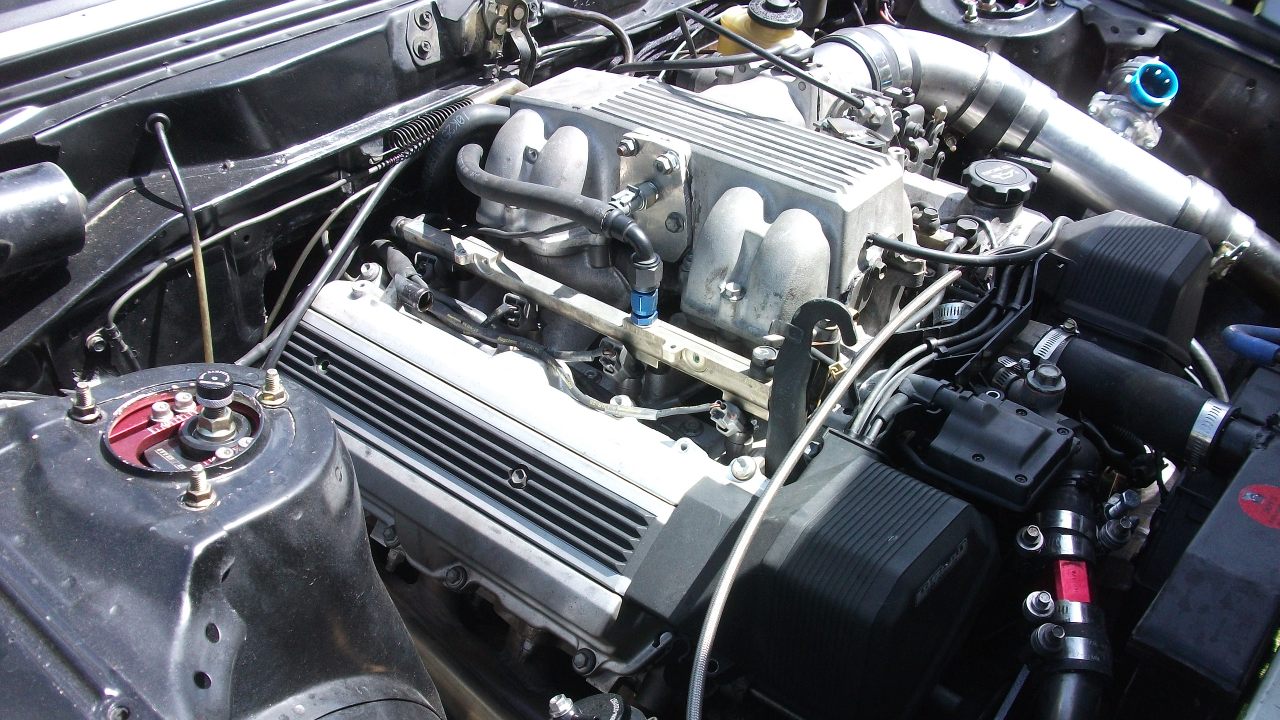
From the driver’s seat, the 2000GT feels like it was built to challenge Europe on its own terms. The layout is a classic GT formula, with a long nose, short tail and a cabin set far back over the rear axle so you sit almost on the rear wheels. Technical references describe it as a limited-production front mid-engine, rear-wheel-drive, two-door, two-seat sports car, and that layout gives you the balance and steering precision you expect from a serious grand tourer. Under the bonnet, a two-liter twin-cam inline-six produced a quoted 149 horsepower, a figure that might sound modest today but, in the late 1960s, put the car comfortably in the same conversation as contemporary European rivals.
The engineering ambition shows up in details you might not notice at first glance. The car’s chassis used a rigid backbone structure rather than a simple ladder frame, and its low-slung body kept the center of gravity close to the road so you could carry serious speed through corners without drama. Factory and museum material describe how special racing versions of the 2000GT quickly claimed three world endurance records after the car’s introduction at the Tokyo Motor Show, proof that the sleek coupe had the stamina to match its looks. Study the car in person at places like the Toyota Automobile Museum and the combination of compact dimensions, delicate detailing and purposeful stance makes it clear that this was never meant to be just another domestic sports car.
From test track hero to James Bond co-star
On paper, the 2000GT earned respect by setting endurance records, but its global reputation really ignited when it moved from the test track to the cinema screen. The car gained international fame after appearing in the James Bond film You Only Live Twice, where it shared scenes with James Bond himself and introduced audiences across Europe to a Japanese coupe that looked every bit as glamorous as the Aston Martins they were used to seeing. For that movie, Toyota created a unique open-top roadster version of the 2000GT so the cameras could capture the actors more easily, a one-off that still fuels arguments among fans about whether the coupe or the convertible is the ultimate expression of the design.
Listen to the official Toyota Untold podcast devoted to the car and you hear how that Bond appearance turned the 2000GT into a rolling ambassador for Japan in European cinemas. Viewers saw a Japanese car keeping up with helicopters, weaving through mountain roads and gliding through city streets with the same poise as any European GT. That screen presence mattered because it arrived at a moment when many European drivers still thought of Japanese cars as basic and utilitarian. Suddenly you, as a viewer or a young enthusiast, could associate Toyota with a spy’s getaway car rather than just a sensible family saloon, and that shift in perception helped open European minds to the idea that Japan could build aspirational machines as well as practical ones.
Driving character and the sound that sold skeptics
Numbers and film appearances only tell part of the story. To really understand why the 2000GT shocked European expectations, you need to hear and feel it. Period footage and modern tests show that when you turn the key, the inline-six comes to life with a smooth, mechanical growl that builds into a hard-edged wail as the revs climb. In a detailed on-road feature, a host describes driving what he calls the most collectible Japanese car of all time, a 1966 Toyota GT convertible that captures the same spirit as the coupe, and you can hear how the engine note blends refinement with urgency as the car sweeps along open roads. Watching that Toyota GT segment, you get a sense of how the sound and feel of the car would have surprised European drivers who expected Japanese engines to be quiet but uninspiring.
From behind the wheel, the 2000GT invited you to drive it like a European GT rather than a lightweight sports car. The steering is reported to be precise and communicative, the gearbox snicks cleanly from ratio to ratio, and the car settles into a relaxed lope at speed that makes long-distance touring feel natural. Modern enthusiasts who share their experiences with the car often describe it as their dream classic, the kind of machine you imagine taking out on an early morning run over mountain passes. Combine that driving character with its compact footprint and you start to see why the 2000GT could hold its own on the same twisty roads where European icons like the Jaguar E-Type and Porsche 911 built their reputations.
Rarity, record prices and a legacy that still shapes Toyota
Part of the 2000GT’s mystique comes from how few people ever got to own one. Toyota produced just 351 examples between 1967 and 1970, according to auction and historical records, a production run that makes the car rarer than many of the European exotics it competed against. One detailed report on a Bond-related car notes that Toyota built those 351 Jaguar E-Type inspired coupes during that short window, with a single roadster created for the James Bon film You Only Live Twice, which helps explain why collectors now chase surviving cars so aggressively. That scarcity, combined with the car’s historical role as Japan’s first true supercar, has steadily pushed values into territory that would have seemed unthinkable when it was new.
More from Fast Lane Only