Nissan is telling Australian drivers something many enthusiasts thought they would never hear again: the manual gearbox is back on the agenda. After years of pivoting toward automatics and CVTs, the company is publicly acknowledging fresh demand for three-pedal cars and signaling that future models for Australia will not all be auto-only.
The shift reflects a broader rethink inside Nissan about what performance and engagement mean in a market dominated by SUVs and utes. It also hints that the global retreat from manual transmissions may have hit its low point, with Australia emerging as a test bed for a carefully targeted revival.
How Nissan’s stance on manual gearboxes has shifted in Australia
For much of the past decade, Nissan’s Australian showroom mirrored global trends that treated manual transmissions as a niche for budget models or hardcore track specials. Volume sellers such as family SUVs and dual-cab utes increasingly defaulted to automatics, while performance nameplates that once relied on manual loyalists were quietly steered toward paddles and software.
That posture is now changing. Product planners have begun talking openly about manual options for future Australian deliveries, including performance-focused variants that had previously been assumed to be automatic only. The message to dealers is that three-pedal configurations are no longer seen as dead weight on the order sheet, but as a legitimate way to differentiate certain trims and reconnect with long-time Nissan fans.
The internal push is not happening in isolation. The head of Nissan’s performance division has said that demand for traditional gearboxes is rising again, with a noticeable shift in customer feedback toward more engaging drivetrains. That sentiment has filtered through to regional teams, which now see Australia as a market where a modest but vocal group of buyers will pay for the right manual offering.
In practice, the change means manual options are being baked into early planning for upcoming models rather than treated as last-minute add-ons. Engineering resources are being allocated to tune clutch feel, shift action, and traction systems around human inputs instead of relying exclusively on software-controlled automatics. For a company that spent years optimizing CVTs for efficiency and smoothness, it marks a meaningful recalibration.
Signals from Nismo and the global performance strategy
Nissan’s Australian rethink is closely tied to what is happening inside Nismo, the brand’s performance arm. Nismo’s leadership has publicly argued that manual gearboxes still matter for driver-focused cars, and that the market for them is not as small as many product planners assumed during the peak-automatic years. The Nismo boss has gone so far as to say that manual transmission demand is coming back, a clear signal that the performance division sees business value in keeping the format alive.
That global stance gives the Australian arm more leverage to argue for manual variants of performance models, from hot hatches to tuned crossovers. When the people responsible for halo cars say three pedals are still part of the brand’s DNA, regional markets can justify the extra complexity of homologating and certifying manual versions for local conditions.
Branding is also at stake. Nissan has invested heavily in Nismo as a badge that stands for track credibility and driver engagement, and allowing that sub-brand to slide into an all-automatic future would risk blurring the line between Nismo and more comfort-oriented trims. By keeping manuals in the mix, Nissan can maintain a clearer hierarchy within its performance range, with manual-equipped variants positioned as the purist choice for enthusiasts who value control over convenience.
Australia’s history with enthusiast models makes it a logical place to lean into that strategy. Local buyers have long embraced manual versions of performance icons, and used-car values for older manual Nissans often outstrip their automatic equivalents. Nismo’s public support for manuals gives Nissan Australia a powerful narrative to tap into that heritage while aligning with the brand’s global performance story.
Why a manual comeback matters in the Australian market right now
The timing of Nissan’s manual revival is not accidental. Australian buyers are grappling with rising fuel costs, growing regulatory pressure on emissions, and a market saturated with automatic SUVs that feel interchangeable. Against that backdrop, a manual option can function as a differentiator, a way for Nissan to stand out in a crowded segment without relying solely on price cuts or gadget-heavy interiors.
There is also a generational element. A younger wave of enthusiasts, raised on automatic hot hatches and dual-clutch sports cars, is discovering manual driving through social media, track days, and the used-car scene. For these buyers, a new manual Nissan offers a bridge between analog driving experiences and modern safety and connectivity tech, letting them participate in car culture in a way that a purely software-managed powertrain cannot fully replicate.
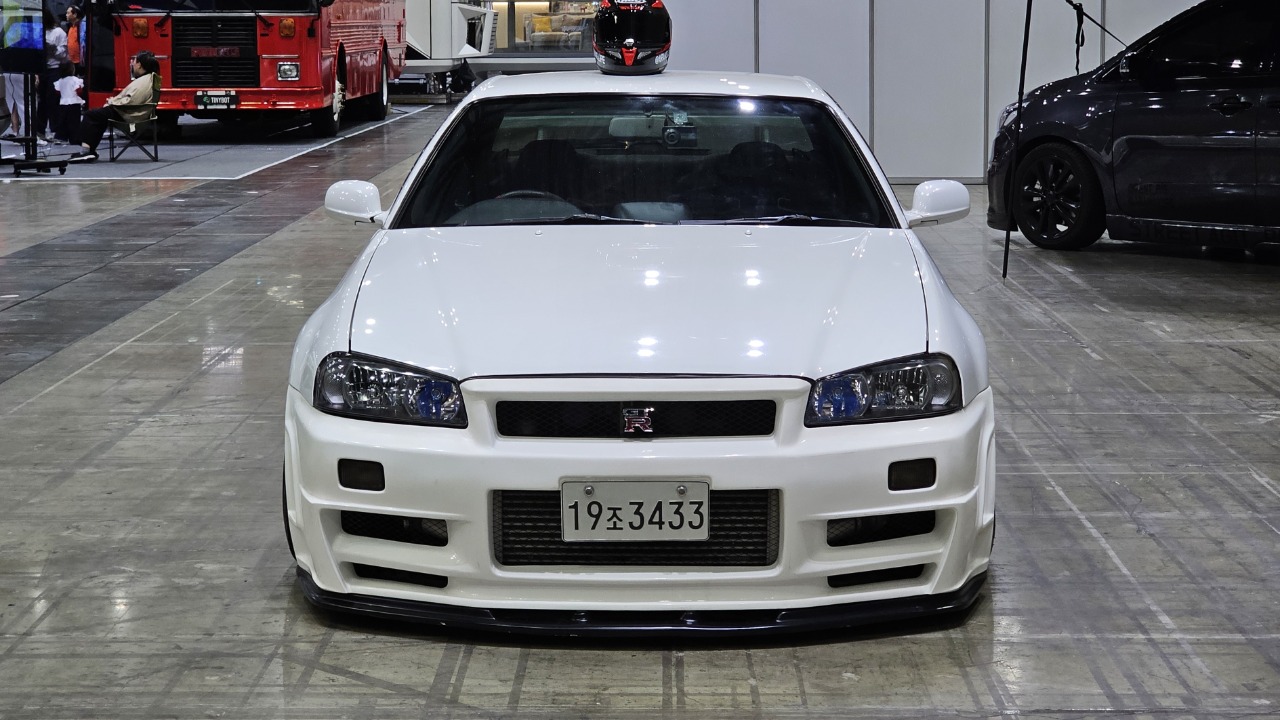
At the same time, long-time Nissan customers who grew up with manual Pulsars, Skylines, and early Z cars have spent years watching their options shrink. Bringing back three-pedal variants signals that the brand still sees them, and that their preferences carry weight alongside fleet buyers and urban commuters. That kind of goodwill can translate into repeat purchases and stronger loyalty in a market where brand-switching is common.
From a broader industry perspective, Nissan’s move challenges the idea that manual transmissions are inherently incompatible with modern safety and emissions standards. While manuals can be harder to optimize for standardized test cycles, they also allow attentive drivers to keep engines in efficient ranges and avoid unnecessary torque converter losses. For specific models and use cases, especially enthusiast-oriented ones, the trade-offs can favor a manual option without undermining regulatory compliance.
How Nissan could integrate manuals into future Australian lineups
The practical question is how far Nissan will take its new enthusiasm for three pedals. The company is unlikely to bolt manuals onto every model, particularly in segments where towing, traffic-heavy commuting, and fleet sales dominate. Instead, the most realistic scenario is a targeted rollout focused on performance-biased trims and select entry-level variants.
One obvious avenue is to pair manual gearboxes with turbocharged petrol engines in compact and mid-size vehicles that already attract enthusiast interest. By tuning these drivetrains for responsive low and mid-range torque, Nissan can deliver cars that feel lively on Australian roads without chasing headline power figures. Manual-equipped trims could be bundled with sportier suspension setups, more supportive seats, and subtle exterior cues that signal their driver-focused intent.
Another pathway is to integrate manuals into special editions that celebrate Nissan’s heritage. Limited-run models that reference classic Nismo or motorsport liveries could use a manual-only specification as a core part of their appeal. This approach would keep volumes manageable while allowing the brand to test demand and refine its manual hardware and calibration for modern expectations.
There is also scope for manuals to coexist with emerging electrified platforms. While full battery-electric vehicles rely on single-speed transmissions, hybrid and mild-hybrid systems can theoretically pair with manual gearboxes. If Nissan decides to explore that territory, Australia’s enthusiast base would be a logical audience for an experiment that combines electric assistance with a traditional shifter and clutch.
What Nissan’s move says about the future of driving enjoyment
Nissan’s decision to talk openly about manual transmissions for Australia carries symbolic weight beyond individual model plans. It suggests that large automakers are re-evaluating the assumption that convenience always wins, and that there is still commercial value in catering to drivers who want a more involved relationship with their cars.
For enthusiasts, the message is cautiously optimistic. Manuals are unlikely to reclaim their former dominance, but they no longer look destined for immediate extinction. Instead, they appear set to occupy a smaller yet more clearly defined niche, tied to performance and character rather than basic transport. Nissan’s Australian strategy hints at a future where three pedals survive as a deliberate choice, not a leftover from a previous generation of hardware.
More from Fast Lane Only
- Unboxing the WWII Jeep in a Crate
- 15 rare Chevys collectors are quietly buying
- 10 underrated V8s still worth hunting down
- Police notice this before you even roll window down
*Research for this article included AI assistance, with all final content reviewed by human editors.