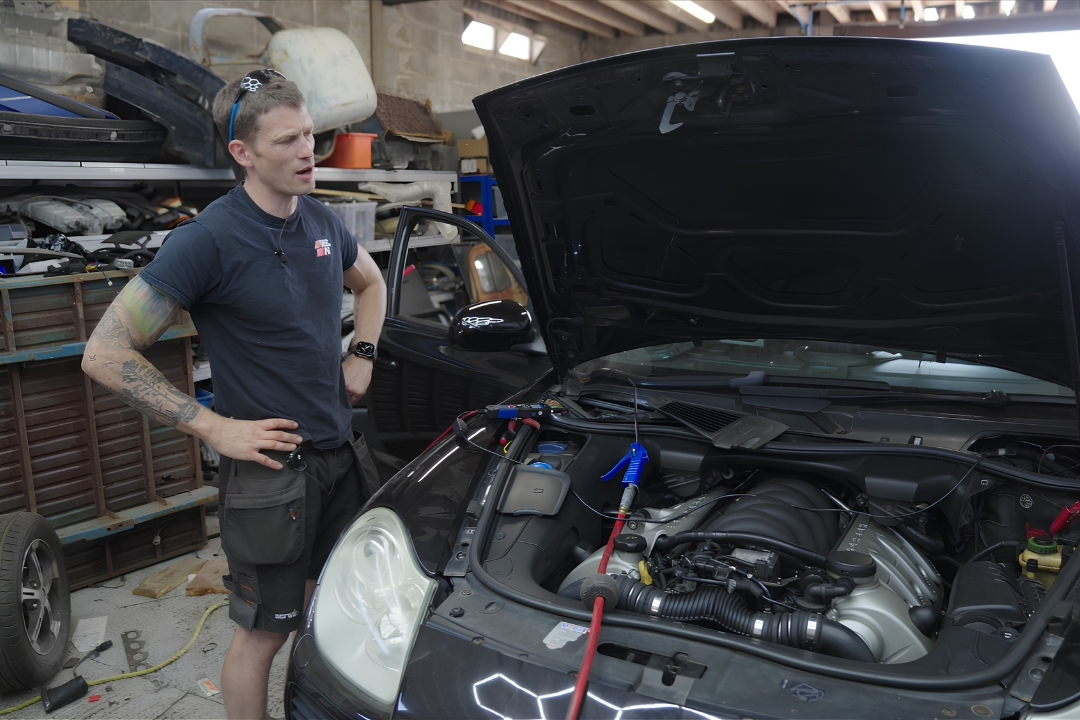
The first sign was small enough to ignore. A dark coin-sized stain appeared near the front of the driveway, the kind you chalk up to “old car stuff” and promise you’ll handle later. Then it got wider, shinier, and somehow more confident, like it had a mortgage and plans for expansion.
“It’s fixed,” he said, casually, the way people say the Wi‑Fi is “basically fine.” And for a day or two, it almost seemed true. But by the end of the week, the spot had spread into a lopsided puddle that looked less like a drip and more like the car was quietly marking territory.
A Spot That Wouldn’t Quit
Oil stains are sneaky because they don’t always show up where the leak actually starts. Wind, road grime, and the way a car sits on a slight slope can make the drip land a few inches—or a few feet—away from the source. So when the driveway spot keeps growing, it doesn’t automatically mean someone lied; it usually means the problem wasn’t fully solved.
And yes, the stain itself can “grow” even if the leak is small. Fresh oil spreads across concrete like it’s on a mission, especially in warm weather. Add a little rain, and it can feather out at the edges, making the whole thing look worse overnight.
Why “Fixed” Sometimes Means “Temporarily Quiet”
A lot of quick fixes are really just a truce. Tightening a loose drain plug, swapping a worn washer, or cleaning up residue can make it seem like the leak is gone—until the engine heats up, pressure builds, and the seep comes right back. Cars have a talent for waiting until you’re confident before they reintroduce the problem.
There’s also the classic “it was leaking before, and now it’s just dripping what was already there.” Oil can cling to the underside of an engine, the splash shield, or the frame, and it may take a few drives for that leftover mess to drip off. The annoying part is that the driveway doesn’t care whether it’s “new” oil or “old” oil—it still looks like trouble.
The Usual Suspects Under the Car
When a driveway stain keeps returning, the leak often comes from a handful of common places. The oil filter can be slightly loose, double-gasketed, or have a damaged seal—small mistake, big drip. The drain plug or its crush washer can also be the culprit, especially if it was overtightened, cross-threaded, or reused one too many times.
Then there are gasket leaks: valve cover gaskets up top, oil pan gaskets down low, and sometimes the front or rear main seal. Those tend to seep slowly at first, then worsen over time, particularly as rubber ages and heat cycles do their thing. If the spot is closer to the middle of the car, it can also be transmission fluid, which is a different problem but equally committed to ruining concrete.
How to Tell If It’s Actually Oil
Not every dark puddle is engine oil, and it’s worth checking before anyone starts buying parts. Engine oil is usually brown to black and slick, and it has that unmistakable “garage” smell. Transmission fluid tends to be reddish or amber when fresh (though it can darken), and coolant is often green, pink, or orange and feels more watery than oily.
A simple driveway test helps: put a piece of cardboard under the engine overnight and see where the drip lands. If you want to be extra organized, place it after driving so the engine is warm—some leaks only show up when seals expand or pressure rises. The cardboard won’t fix anything, but it’s a surprisingly good detective.
What People Miss After They “Fix” It
One common mistake is cleaning the top but not confirming the source. If the underside is already coated in grime, a new drip can travel along that greasy path and fall from a totally different point, like a tiny prank. Mechanics often use degreaser and a UV dye to track leaks because the “where it lands” clue is unreliable.
Another miss: the oil level. If the car’s running low, it may not leave a puddle every day, which can create a false sense of victory. Then the oil is topped off, the engine has more to lose, and suddenly the driveway turns into a crime scene again.
The Real-World Risks of Ignoring It
A small leak can stay small for a while, but it can also turn into a big one at the worst possible moment—like during a long drive or in heavy traffic. Low oil can mean higher engine wear, overheating, or in severe cases, engine failure. It’s one of those problems where “it still runs” isn’t the reassurance it feels like.
There’s the safety side, too. Oil dripping onto hot exhaust components can create smoke and a burning smell, which is scary even if it doesn’t start a fire. And if the leak is significant, fluid on the roadway—or on your own tires—can reduce traction in ways nobody wants to discover the hard way.
What to Do Next (Without Starting a Driveway War)
If the spot is growing, the next best step is to verify what’s leaking and how fast. Check the dipstick regularly for a few days, ideally at the same time each day with the car on level ground. If the level is dropping noticeably, that’s a “soon” problem, not a “someday” problem.
Then it’s worth doing a clean-and-check approach: wipe down visible areas around the filter and drain plug, and look for fresh wetness after a short drive. If you can see oil collecting around the filter rim or dripping from the plug, you’ve got a straightforward lead. If everything looks dry but the driveway disagrees, that’s when a shop inspection (or leak dye) can save a lot of guessing.
Cleaning the Stain So It Doesn’t Become Permanent Decor
Even after the leak is fixed, the driveway stain will hang around like it’s part of the landscaping. For fresh oil, absorbent material like kitty litter, oil-dry, or even baking soda can pull up a lot before it soaks in. Grind it in a bit, let it sit, then sweep it up and repeat if needed.
For older stains, a dedicated concrete degreaser or dish soap plus a stiff brush can help. The goal is to break the oil’s grip on the concrete pores, not just make it look wet and hopeful. And if the spot keeps reappearing after cleaning, that’s usually a sign the leak is still active, not that the driveway is being dramatic.
When It’s Time to Stop Guessing
If there’s smoke, a strong burning smell, or a fast drop in oil level, it’s time for a professional look. The same goes if the leak is near belts, pulleys, or the exhaust—areas where oil can cause secondary problems. A good shop can often identify the source quickly, and the cost of diagnosis is usually cheaper than the cost of being wrong three times in a row.
And for what it’s worth, “I fixed it” can still be true in spirit. Sometimes the first fix addresses one leak, only for the next weakest seal to start seeping right after. The driveway spot doesn’t care about effort, but it does offer one helpful service: it’s an honest little reporter, telling you exactly when the car’s still got something to say.
More from Fast Lane Only
- Unboxing the WWII Jeep in a Crate
- 15 rare Chevys collectors are quietly buying
- 10 underrated V8s still worth hunting down
- Police notice this before you even roll window down
*Research for this article included AI assistance, with all final content reviewed by human editors.