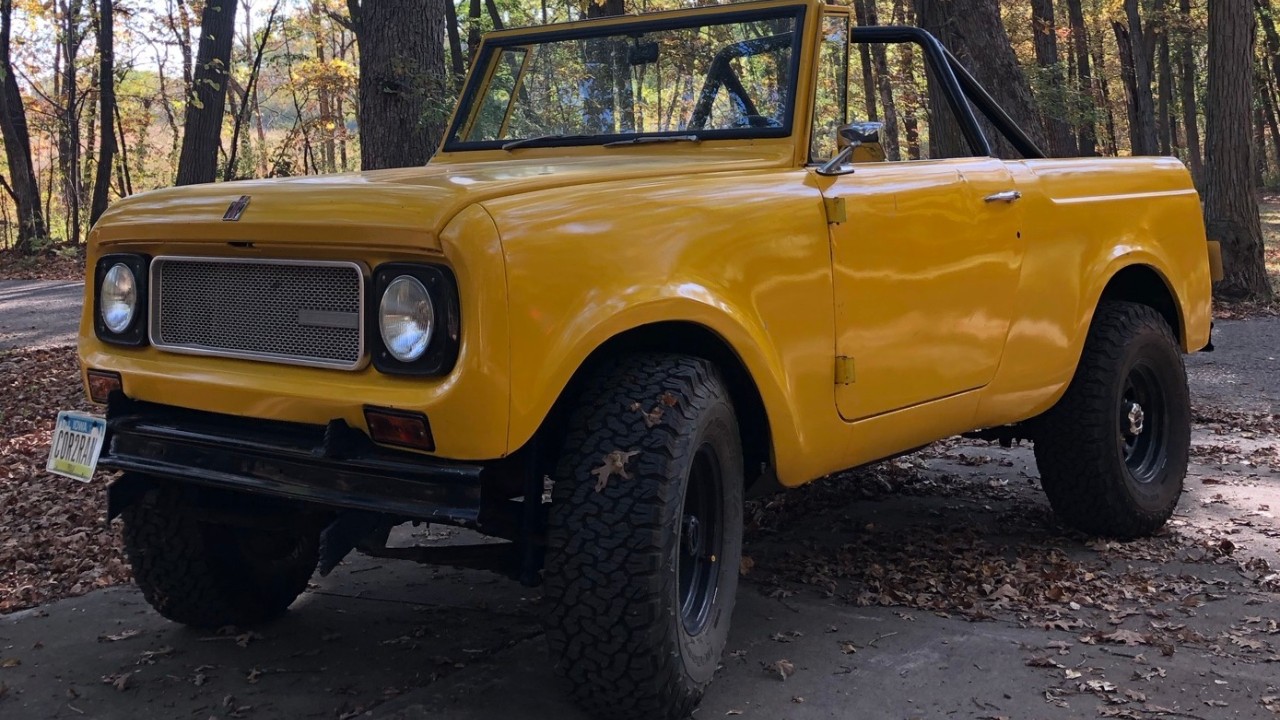
International Harvester built 532,674 Scouts between 1960 and 1980, and its designer sketched the very first International Scout at a kitchen table. That’s the spirit of the classic off-roader. Most began as simple, tough trucks for farmers, ranchers and weekend explorers, not as status symbols.
Times changed. Today, a clean first-generation Bronco or an early G-Wagen can draw as big a crowd as a new supercar. Some of these trucks were best-sellers, while others barely found buyers when new. Either way, their boxy shapes and honest hardware have aged into something people genuinely admire.
These nine are our picks for the off-roaders that still turn heads. The choices are our opinion. The production numbers, engines and dates come from auction records, restoration specialists, road-test archives and model histories we checked for this story.
1. 1961 International Scout 80
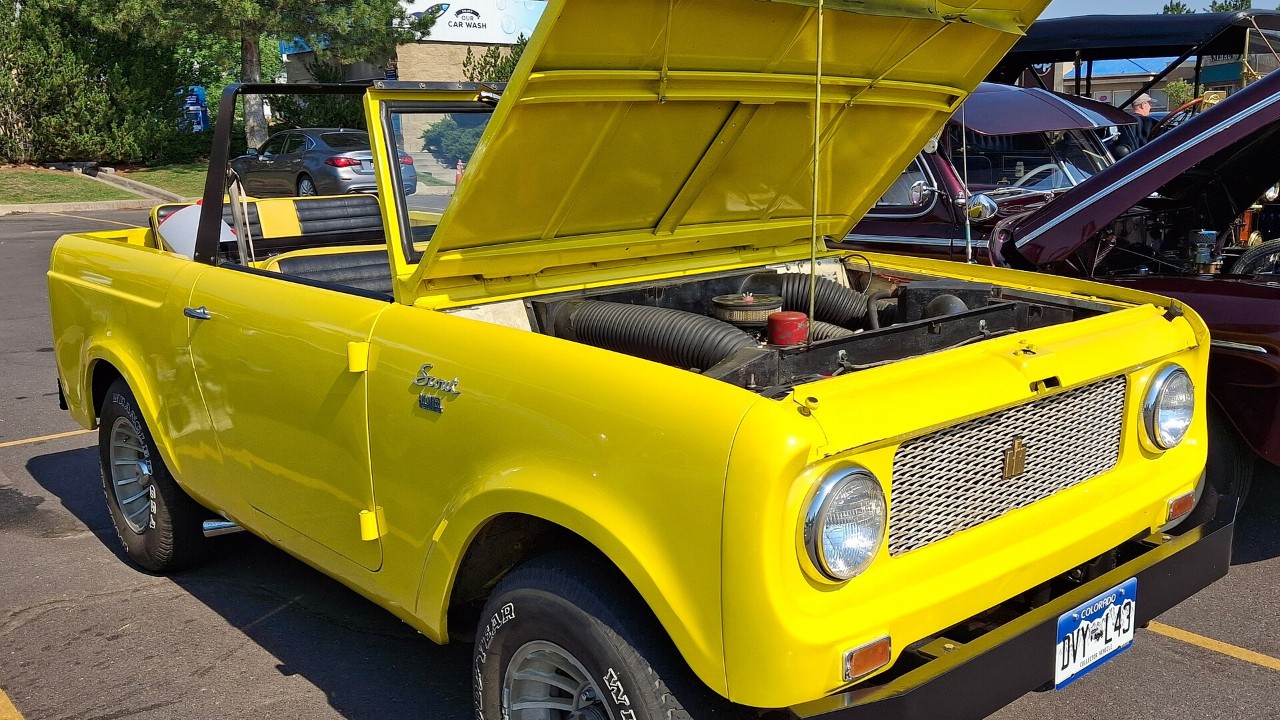
International Harvester wanted a rival for the two-door Jeep CJ, and chief designer Ted Ornas delivered it. He later recalled sketching the concept at his kitchen table after earlier flat-sided designs were rejected. The whole project took 24 months. The Scout 80 debuted in late 1960 as a 1961 model.
In base form, the International Scout was an open-top two-door with an optional soft top. Power came from International’s 152-cubic-inch four-cylinder. It was plain, but a company that knew farm equipment built it, and buyers took to it. The Scout 80 stayed in production through 1965, when the Scout 800 replaced it.
Our take: the first International Scout is the purest of the breed, and its flat, simple face looks great next to anything modern. If you’re cross-shopping early 4x4s, our story on the 1966 Bronco and the 1966 Scout shows how the two rivals split. We’d buy the most solid body we could find, because rust is the enemy here.
2. 1969 Chevrolet K5 Blazer
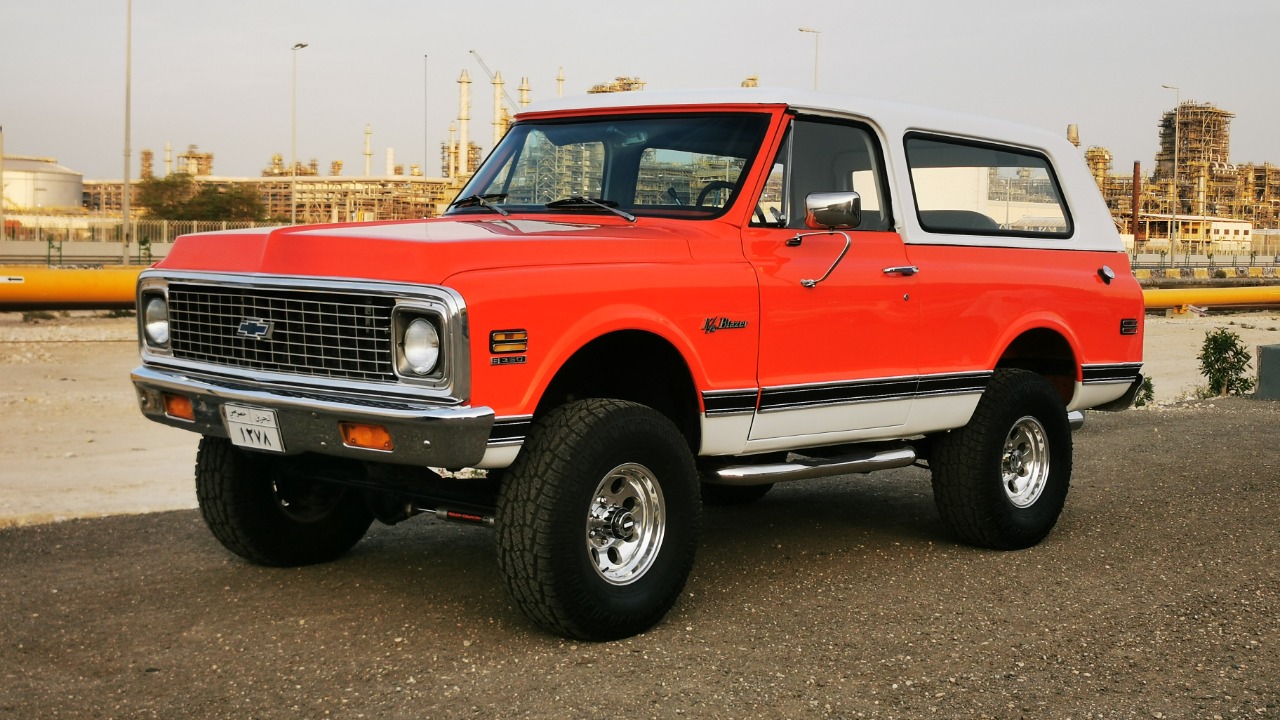
Chevrolet arrived late to the small-SUV fight, but it brought a bigger truck. The K5 Blazer launched for 1969 with a removable roof, so owners could run it with a hardtop, an optional soft top or nothing at all. Buyers could also pick two-wheel drive or four-wheel drive, with six- or eight-cylinder engines.
The first generation ran only four model years, from 1969 to 1972. That short run makes the early trucks the ones enthusiasts chase. According to restoration shop Velocity Restorations, the Blazer’s main rivals were the Jeep CJ and the Ford Bronco. Velocity also links the K5 to the International Scout II, and it warns that rust collects in the floors, wheel wells, inner fenders and door bottoms.
Our take: the first-year K5 has the right mix of full-size presence and open-air fun. It looks just as good at a beach as on a trail. Buyer advice: check every rust spot Velocity lists, because fresh paint can hide a lot.
3. 1977 Dodge Ramcharger SE

Dodge answered the Blazer in 1974 with the Ramcharger and its twin, the Plymouth Trailduster. That was Plymouth’s first truck in 32 years. The Ramcharger rode on a full-size pickup chassis with a wheelbase nine inches shorter than a short-bed truck, and it also had a removable roof.
According to Auto Restorer, the earliest 1974 trucks used door frames with no window posts. That gave them a true convertible feel with the top off, but Dodge built them that way for only six months. Engines ran from the 225 Slant Six to the 318 and 360 small-blocks and the 400 and 440 big-blocks. By 1977, buyers could also order the SE trim.
We think the Ramcharger is the most overlooked of the big 1970s 4x4s. It had the same open-top formula as the Blazer, but far fewer people remember it. A well-kept SE with a V8 makes a bold statement in any parking lot.
4. 1979 Mercedes-Benz 280 GE
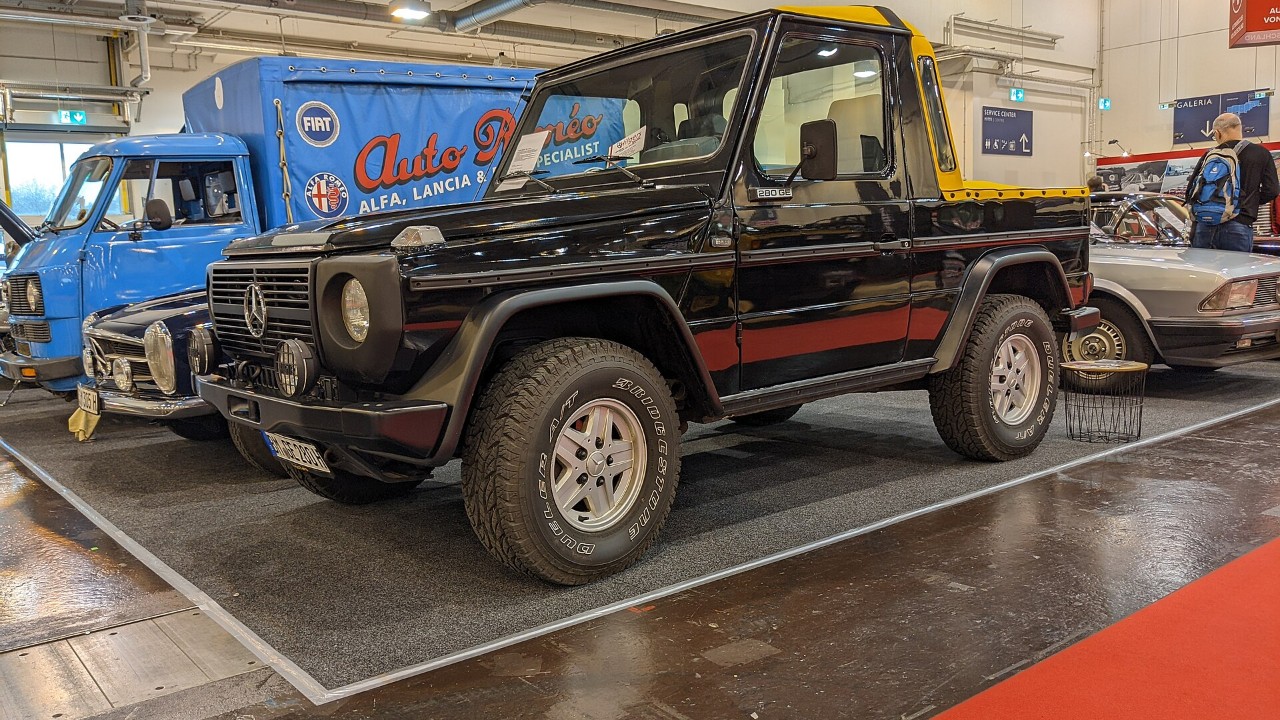
The G-Class began with a suggestion from the Shah of Iran, who proposed that Mercedes build a military vehicle. Daimler-Benz then signed an agreement with Steyr-Daimler-Puch in Graz, Austria, in 1972. Mercedes engineered the truck in Stuttgart, and Graz planned the production. The W460 went on sale in September 1979.
The 280 GE used an M110 inline-six displaced 2,746 cc and made 156 bhp. Underneath, a body-on-frame chassis carried three fully locking differentials, which few passenger vehicles offer even now. In 1980, the Vatican took delivery of a special G-Wagen with a clear top, and it became the Popemobile.
Our take: the early 280 GE is the G-Wagen before the luxury makeover, and that’s why it looks so cool. Mercedes has built the G-Class since 1979, so the original reads as the real thing. Mercedes keeps finding new ways to sell it, too, including the return of a G-Wagen drop-top.
5. 1967 Kaiser Jeepster Commando
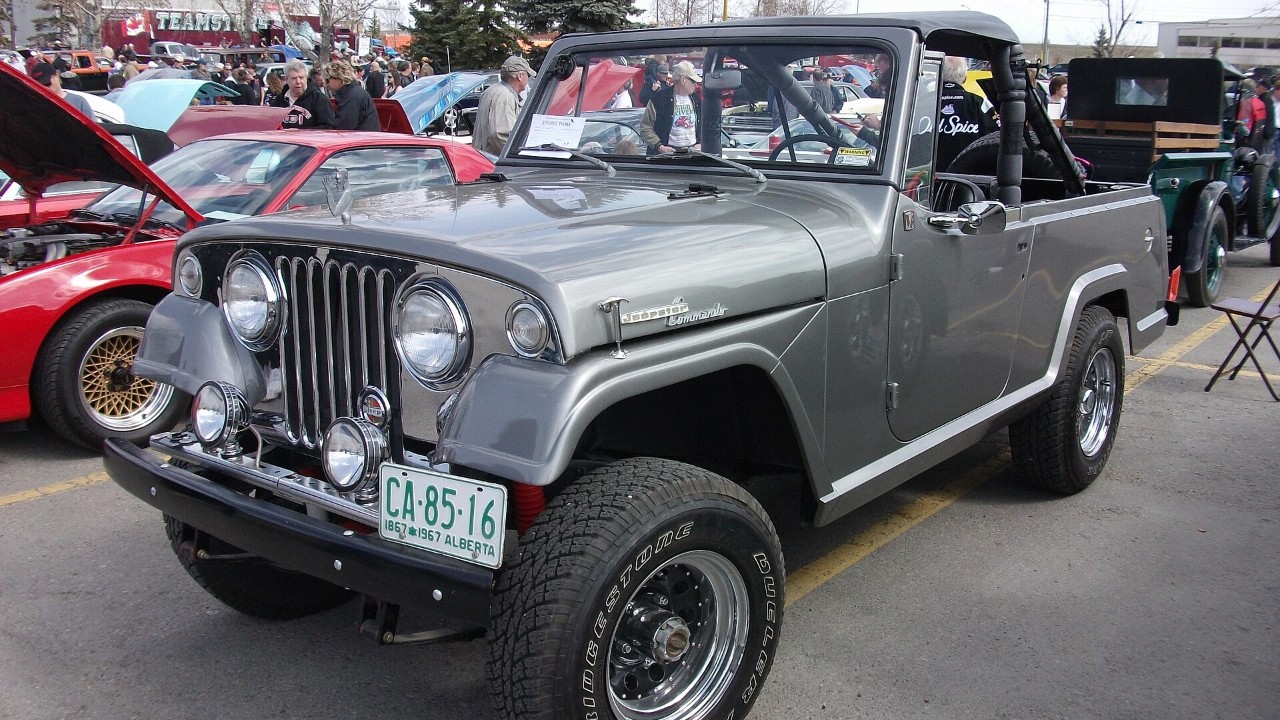
Kaiser Jeep launched the Jeepster Commando in 1966 as a more stylish small 4×4. Buyers could choose a pickup, a convertible, a roadster or a two-door wagon. The standard engine was the 134-cubic-inch Hurricane four, rated at 75 horsepower. Meanwhile, the optional 225-cubic-inch Dauntless V6 made 160 horsepower.
Kaiser built 12,621 of them in 1967, the first full year. However, American Motors bought Kaiser Jeep in 1970. For 1972, AMC renamed it the Jeep Commando, gave it a longer wheelbase and a new full-width grille, and fitted AMC engines. The model ended after 1973.
Our take: the early Kaiser-built Commando, before AMC’s full-width grille, is the one we’d want. It has more personality than a CJ and more curves than a Bronco. The V6 is the engine to look for, since it adds real punch without a heavy V8.
6. 1972 Toyota Land Cruiser FJ40
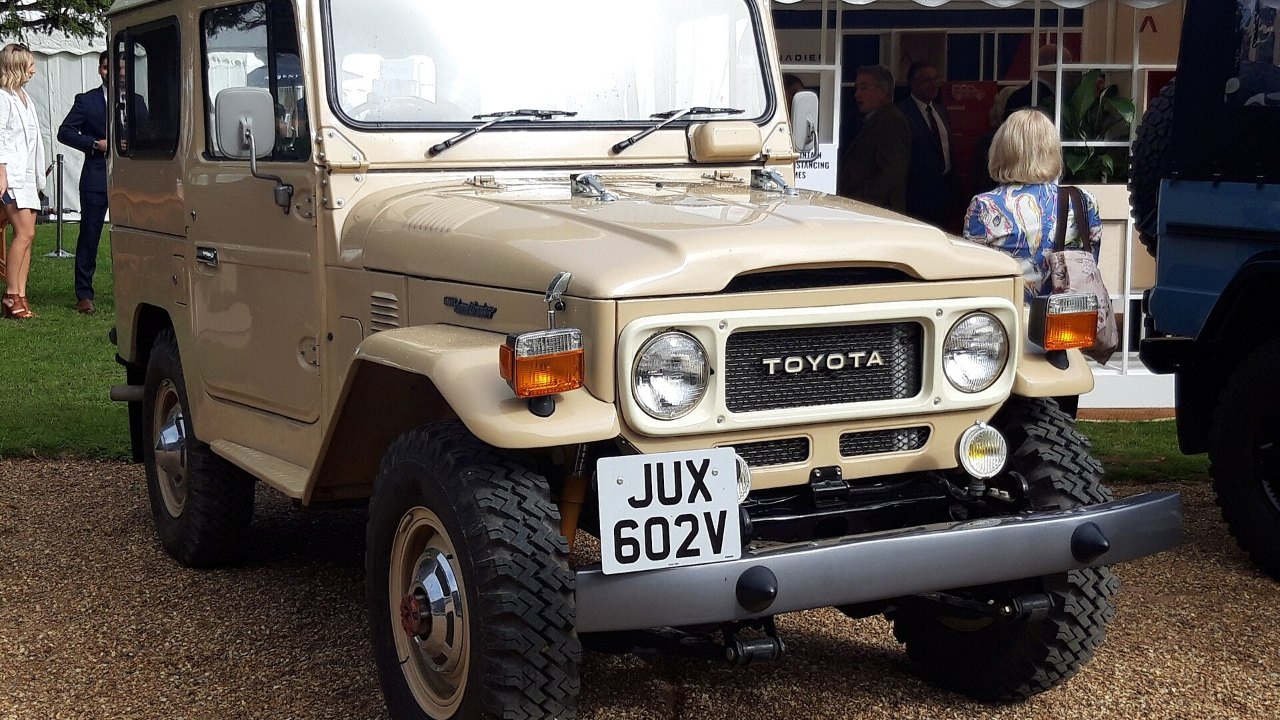
The FJ40 dates from 1960, and Toyota kept building it until 1984. By the time the 70 Series replaced it, the Land Cruiser line had passed one million units. A 1972 truck used a three-speed manual with a two-speed transfer case, which gave six forward gears. Toyota switched to a four-speed for 1974.
Its engine was a 3,878 cc overhead-valve inline-six. For the 1973 truck RM Sotheby’s sold in London, the catalog lists 125 hp. That truck spent 25 years as a service vehicle at a summer camp in Italy’s Abruzzo region. It then sold in 2016 for £20,160 after a full restoration.
Our take: the FJ40 turns heads because it looks like it was built to work, and it was. Buyer advice: favor a solid, original truck over a quick cosmetic restoration. For more on how it went global, see our story on why the FJ40 became a global icon.
7. 1966 Ford Bronco U13 Roadster
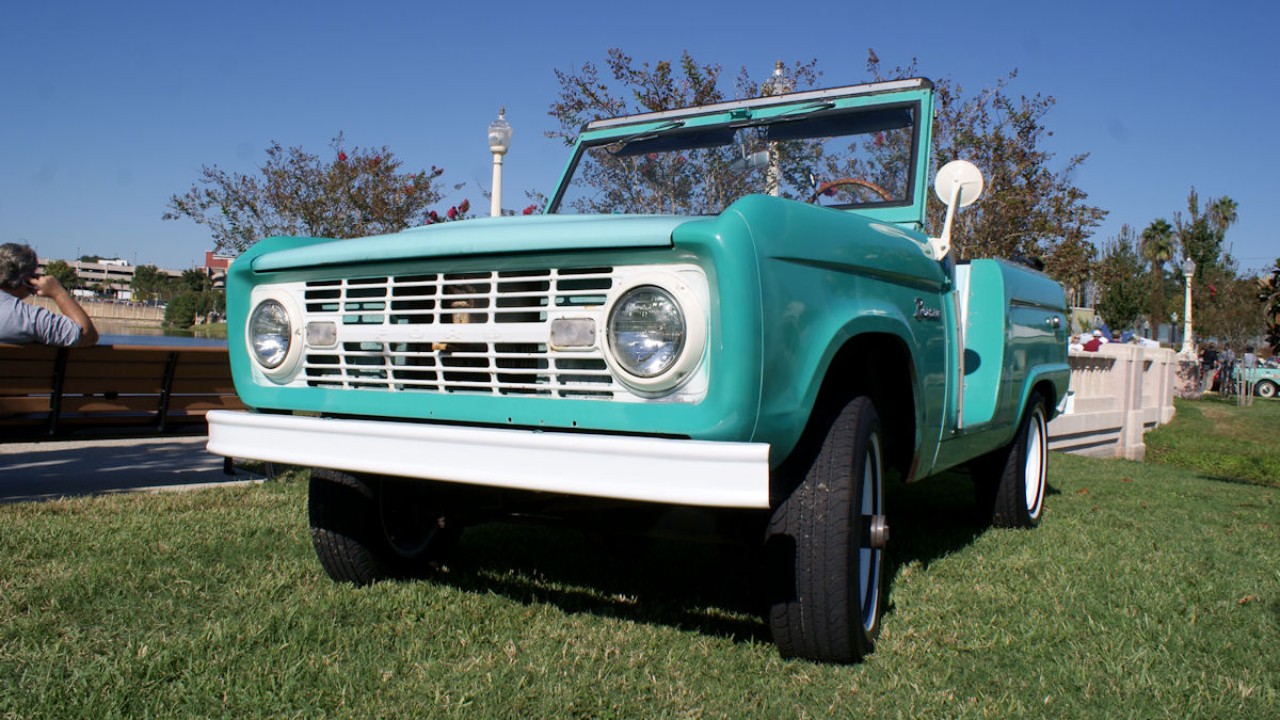
The Bronco arrived for 1966, and the U13 Roadster was its open-top version. In other words, Ford meant it for warm weather and dirt roads.
Buyers didn’t want that much fresh air. According to Ford Authority, about 5,000 U13 Roadsters were originally built. Ford Authority estimates only about 250 exist today. That makes a true roadster one of the rarest early Broncos.
Our take: few classic 4x4s draw a crowd like a real U13. It looks like a beach buggy with Ford’s toughness underneath. Buyer advice: confirm the VIN and body details with a Bronco specialist, before you pay roadster money.
8. 1992 AM General Hummer H1
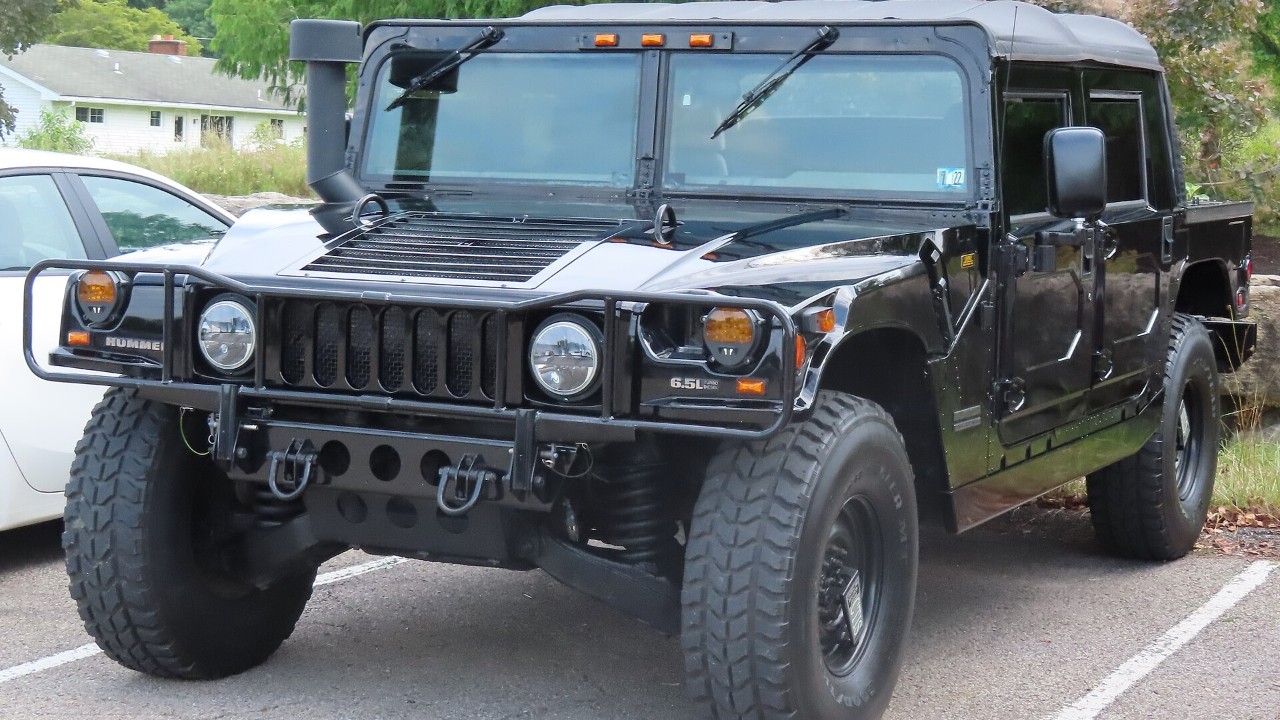
The Hummer H1 exists because Arnold Schwarzenegger pushed AM General to sell a civilian version of the military Humvee. The first trucks arrived for 1992, built in Mishawaka, Indiana, alongside the Humvee. At first, civilian trucks used a 6.2-liter GM diesel V8, and AM General also offered a 5.7-liter gasoline V8.
Meanwhile, the hardware was serious. Portal gears at the wheels raised the half shafts, which helped the H1 reach 16 inches of ground clearance. A central tire inflation system let drivers adjust pressure from inside, lower for trails and higher for pavement. AM General built 11,818 civilian H1s through 2006, with a peak of 1,432 in 1995.
We think the H1 turns more heads than almost any truck on the road. It is wider and lower than you expect, and it has an unmistakable military stance. With fewer than 12,000 built, an early 1992 truck is a real find.
9. 1986 Suzuki Samurai JX
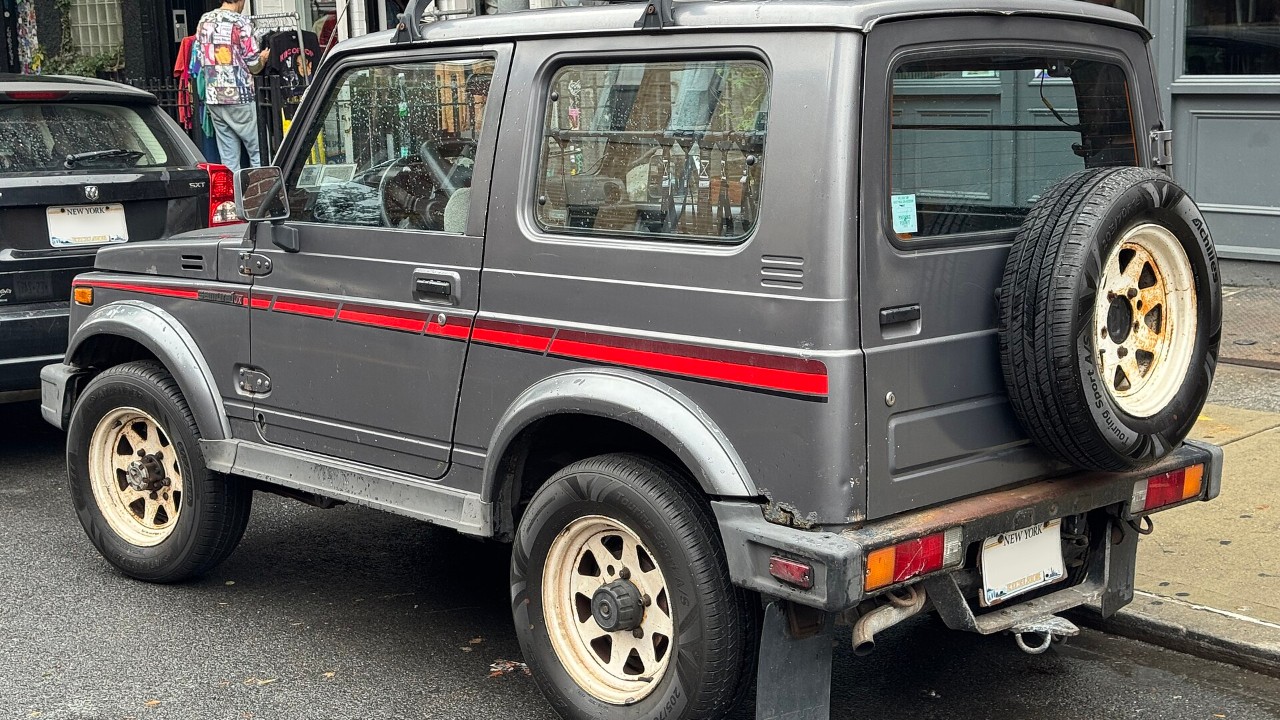
The Samurai landed in America for 1986 at just $6,550. Suzuki hoped to sell 1,200 a month. Instead, according to SlashGear, it sold about 47,000 in its first year. The U.S. model used a 1.3-liter overhead-cam four, which SlashGear lists at 63 horsepower.
Buyers could choose the base JA or the better-equipped JX, which Zuki World says were offered from 1986 to 1990. Then, in 1988, Consumer Reports rated the Samurai “Not Acceptable” over rollover risk, and sales fell sharply. Suzuki sued and later dropped the case in 2004. U.S. sales ended in 1995.
Our take: the Samurai is small, light and wildly capable off-road, and that’s why people grin when they see one. A first-year 1986 JX is the version we’d want. Suzuki’s first-year sales of roughly 47,000 trucks show just how fast America fell for it.
More from Fast Lane Only