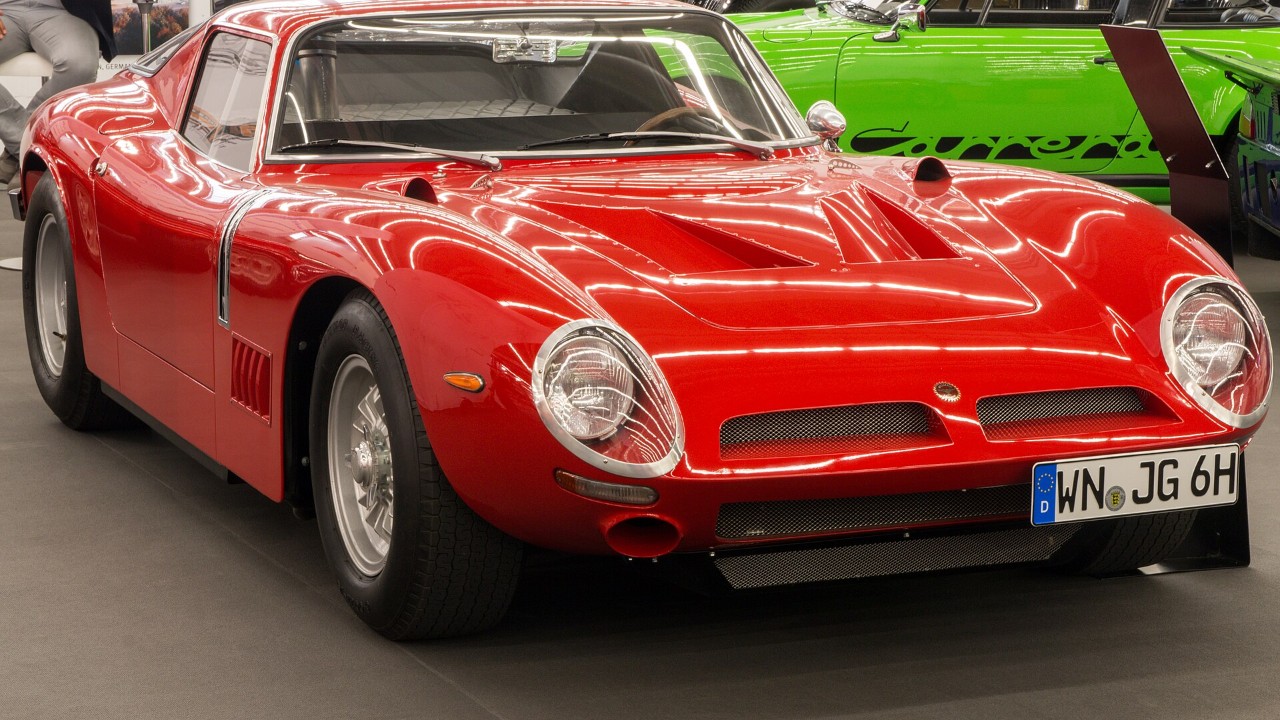
In the 1960s, a small group of European builders mixed Italian bodies, American V8s and handmade chassis into cars like the Iso Grifo. Most of them built cars by the dozen, not by the thousand. Today, those tiny production runs are why you almost never see one on the road.
Some of these cars came from famous names like Maserati and Lancia. Others came from firms that barely lasted a decade, or from a small German maker that BMW soon absorbed. Either way, each one left behind only a few hundred cars or fewer, and every year a few more disappear into private collections.
These nine are our picks for rare collector cars that are getting harder to find. The selection is our opinion. The production counts, engines and design credits come from auction catalogs, coachbuilder histories and published model records we checked for this story.
1. 1966 Bizzarrini 5300 Strada
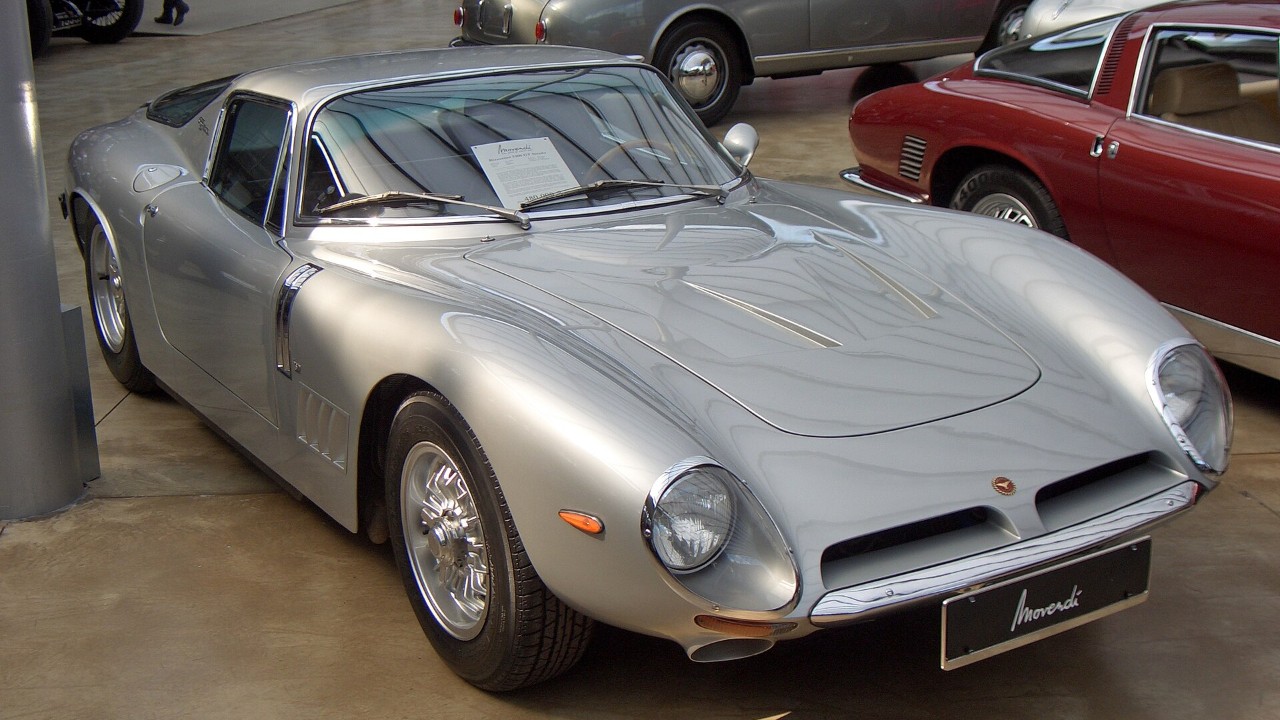
Giotto Bizzarrini left Ferrari in 1961 and went on to engineer the Iso Grifo race car, the A3/C. When he split with Iso, he kept building the car under his own name. The road version became the 5300 GT Strada, and RM Sotheby’s says only 133 were built through 1968.
Its heart was American. The original engine was a 5,359 cc Chevrolet small-block V8 rated at 350 bhp. That RM catalog car had raced in local hill climbs and rallies in Italy and France during the 1960s and 1970s. At its London sale in 2015, it carried an estimate of £495,000 to £700,000 and did not sell.
Our take: the Strada is the rawest car on this list, a Le Mans-bred shape you could register for the road. With so few built and most already in serious collections, the chance of finding one for sale gets smaller every year. If you ever see one at a show, stop and look at how low it sits.
2. 1956 Maserati A6G/54 Zagato
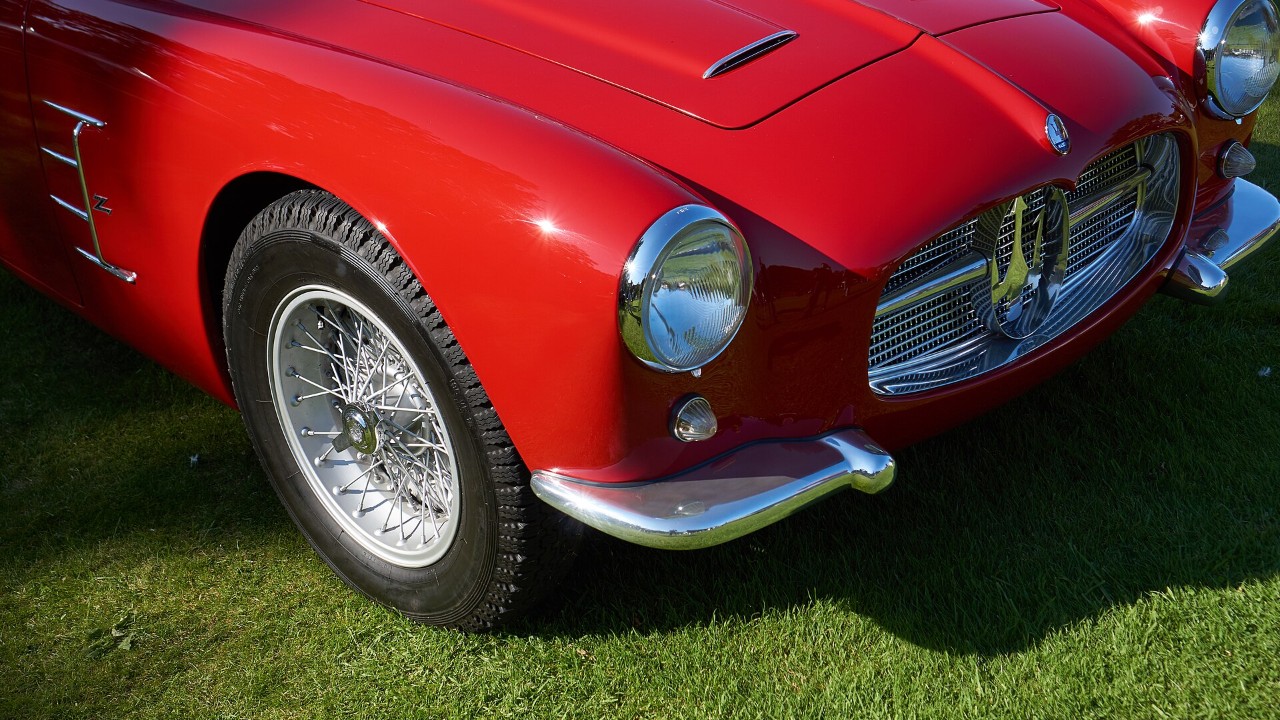
Before Maserati built big GT cars, it sold a small run of two-liter road cars with racing roots. The A6G/54 used a 1,986 cc twin-cam inline-six derived from the A6GCS and A6GCM competition cars. It breathed through three Weber carburetors. According to Sports Car Digest, output reached 160 horsepower once twin-spark ignition arrived in 1956.
Zagato bodied roughly 20 of the berlinettas. They were light, compact and meant to be raced. For example, chassis 2155, the car Sports Car Digest profiles, ran the 1956 Mille Miglia, where it crashed near Ravenna. It then spent several seasons in hillclimbs and Monza races.
In our view, this is the definitive 1950s Italian GT in miniature. Its tiny numbers and racing histories mean most surviving cars are well known by chassis number. As a result, a new one almost never surfaces. Expect to meet these at concours events, not in classified ads.
3. 1970 Lancia Fulvia Sport Zagato 1.3 S
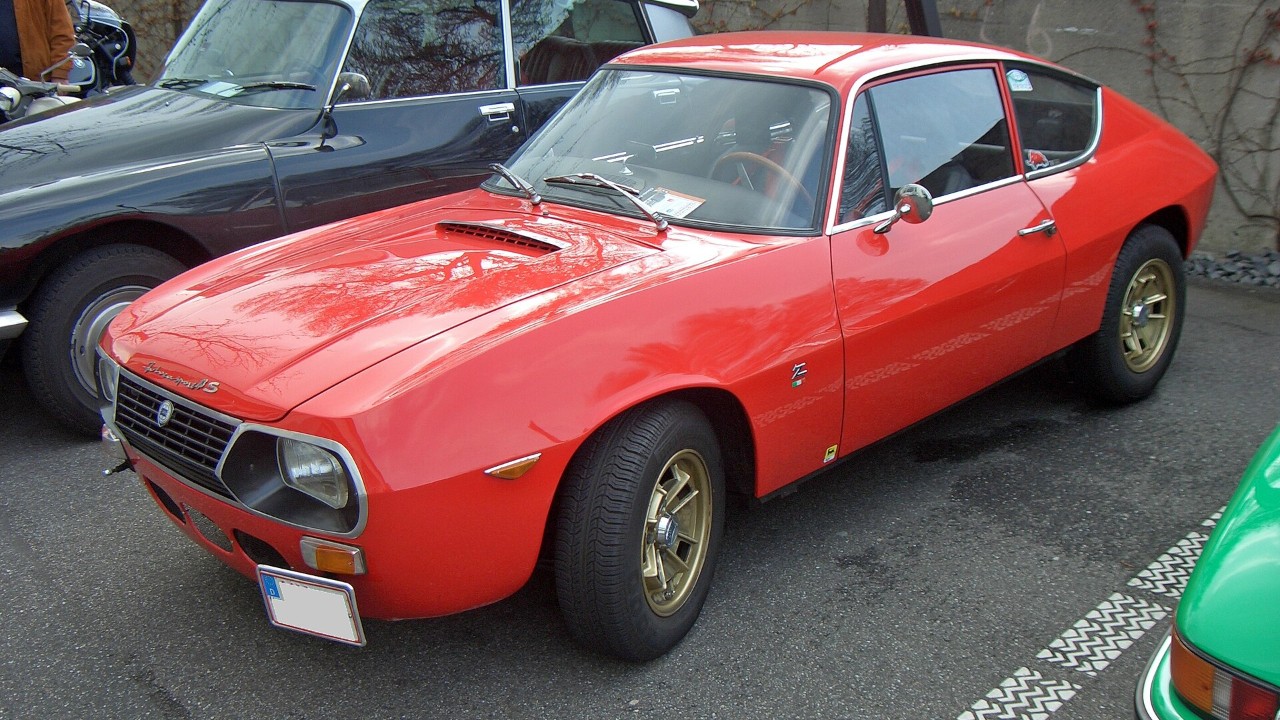
Ercole Spada designed the Fulvia Sport, and Zagato built it in Terrazzano di Rho starting in 1965. It was sleeker than the regular Fulvia coupe, so it reached higher top speeds. According to Carrozzieri Italiani, the first cars had all-aluminum bodies. From 1968 to 1970, Zagato switched to steel with aluminum hood, doors and spare-wheel cover.
The 1.3 S version used a 1,298 cc V4 rated at 93 horsepower. Zagato built 1,898 of them between 1968 and 1970. Then, at the end of 1970, a fully steel, redesigned body took over. Across all versions, about 6,183 Fulvia Sports were made by 1972, though gaps in the chassis numbers make that figure approximate.
Our take: the Fulvia Sport is the most attainable car here, but good ones are thinning out as rust and racing take their toll. The early aluminum-paneled cars are the ones to watch. For more on the regular Fulvia’s rally career, read our story on why the 1965 Lancia Fulvia had a purpose.
4. 1959 Daimler SP250
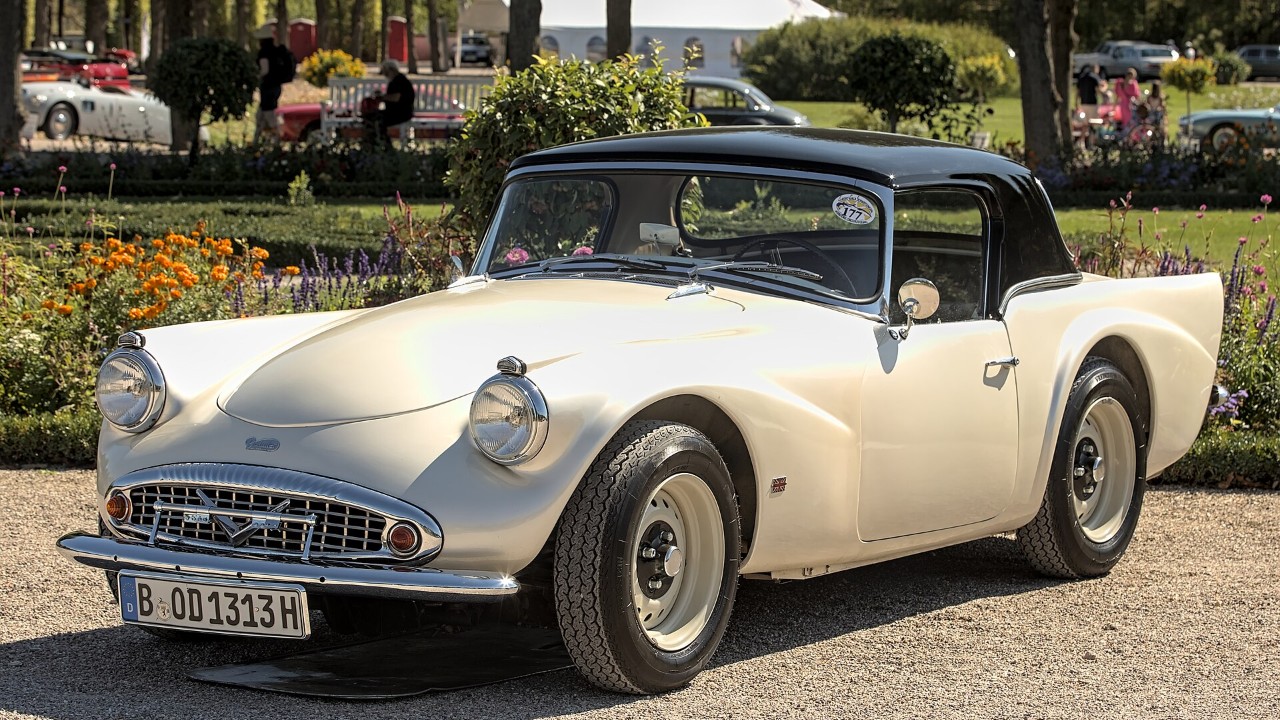
The SP250 nearly carried a different name. Daimler showed it as the Dart at the New York Motor Show in April 1959. However, Chrysler’s Dodge division owned the Dart name and threatened legal action. So Daimler simply used the project code, SP250, as the model name.
Under the fiberglass body sat a 2,547 cc V8 designed by Edward Turner, better known for Triumph motorcycles. It had hemispherical aluminum heads and was rated at 140 horsepower. Daimler chose fiberglass because tooling cost about £16,000, compared with £120,000 for steel. Between 1959 and 1964, Daimler built 2,654 cars. Meanwhile, London’s Metropolitan Police ran a fleet of black SP250s to catch speeders.
We love this car for its odd face and its sweet little V8. Its numbers are higher than most cars here, but clean, unmodified examples are the ones collectors chase. If you want one, the later B and C-spec cars, with Jaguar’s stiffened chassis, are the ones to look for.
5. 1952 Cunningham C-3
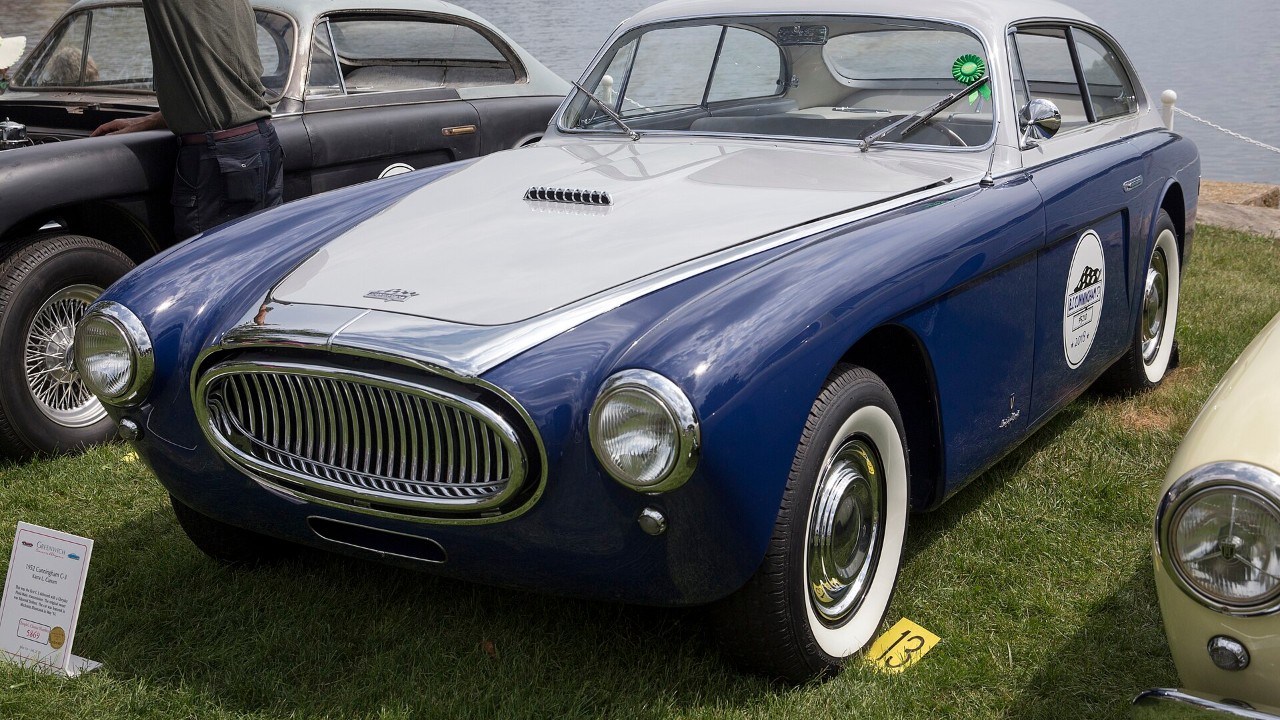
Briggs Cunningham was building American cars to race at Le Mans. To homologate them, he needed to build at least 25 road cars. That rule explains the C-3. Cunningham built 27 of them, just over the line.
The bodies were Italian. Giovanni Michelotti styled the coupe while working at Vignale in Turin, and Vignale bodied most of the cars. Power came from Chrysler’s 331-cubic-inch FirePower Hemi V8, raised from 180 to 220 horsepower. Early factory prices were $8,000 for a convertible and $9,000 for a coupe. That was a lot of money in the early 1950s.
Our take: the C-3 exists because of a racing rule, and that’s exactly what makes it fascinating. Twenty-seven cars spread across seven decades means sightings are rare. Most survivors are now museum or collection pieces, so a public sale is a genuine event.
6. 1969 Monteverdi 375S
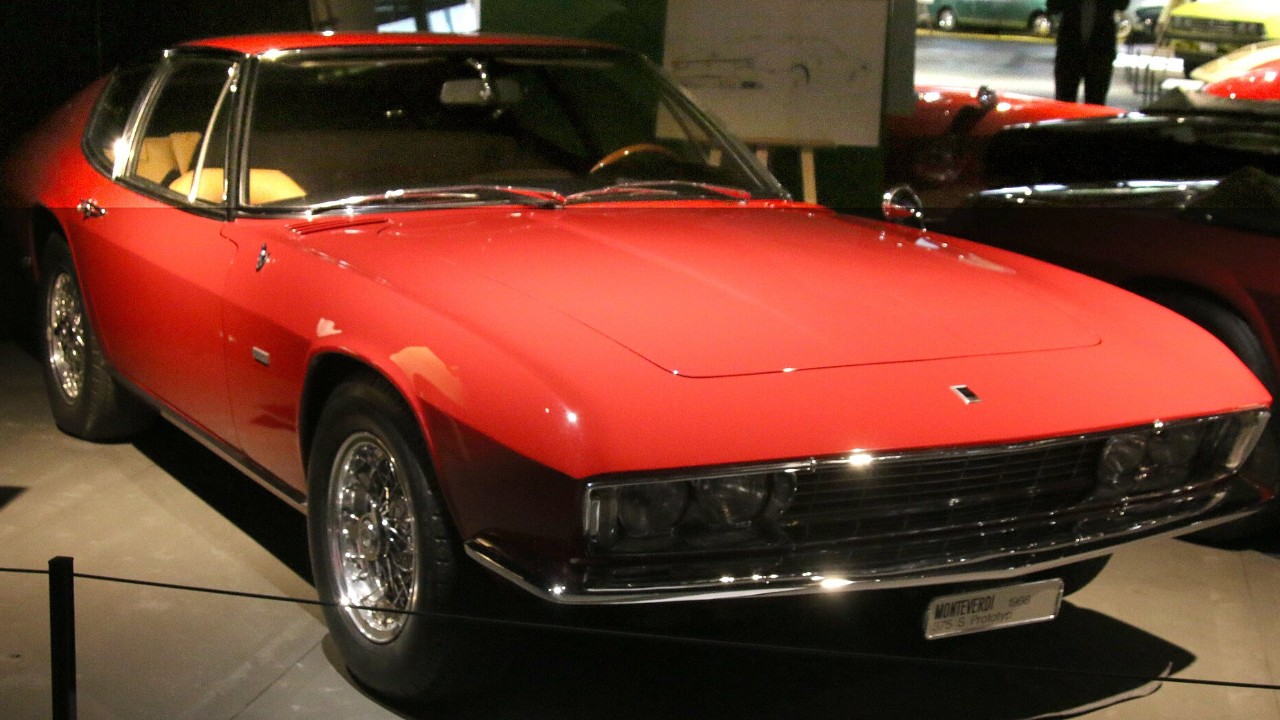
Peter Monteverdi sold Ferraris in Switzerland before he decided to build his own luxury GT. His High Speed 375 S appeared at the Frankfurt show in September 1967. Pietro Frua designed the body, and a Chrysler V8 rated at about 375 horsepower SAE gross supplied the power.
The partnership soon turned sour. According to Swiss classic magazine Zwischengas, only ten Frua-built 375 S cars were made. From the summer of 1968, Carrozzeria Fissore built about ten more Frua-designed bodies. Then Monteverdi stopped paying Frua royalties, and Frua won a court order that banned the design, which forced a new body for 1969.
In our view, the Frua-bodied 375 S is the prettiest Monteverdi ever built. Because the design was cut short in court, there will never be more of them. That alone makes it one of the hardest cars here to track down.
7. 1966 Iso Grifo GL
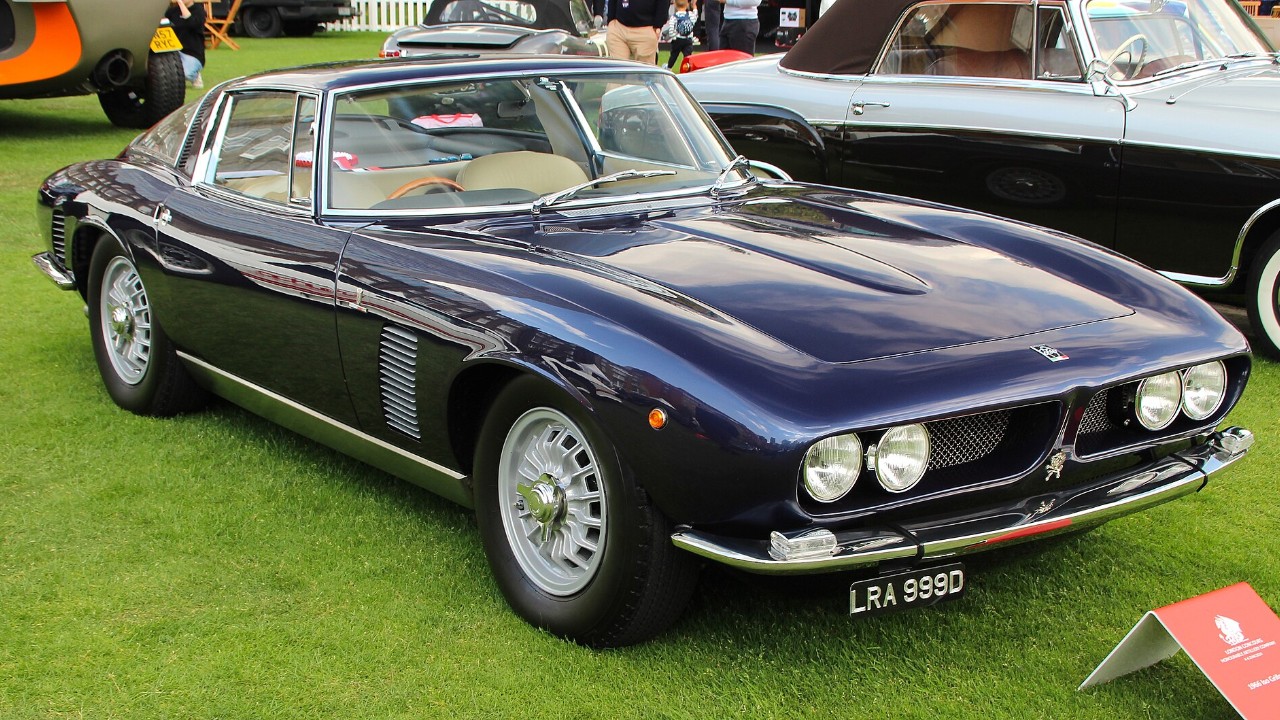
The Iso Grifo was the car that started the Bizzarrini story. Giorgetto Giugiaro styled it at Bertone, and Bizzarrini engineered the mechanicals. Iso built it at Bresso, Italy, from 1965 to 1974. The road-going GL used a Chevrolet 327 V8, rated at 300 horsepower in standard form.
Iso made 330 Series I cars and 83 Series II cars, for 413 in all. Only 90 of those had the later seven-liter engines. Iso also built 14 Series I cars with a targa roof, which makes those the rarest of the early Grifos. We’ve written about how the 1970 Iso Grifo mixed Italian design with American power, and the formula started here.
Our take: the Iso Grifo GL is the most usable car on this list. It has a Chevy engine you can service anywhere, wrapped in one of Giugiaro’s best shapes. Despite that, with just 330 early cars built, finding a well-documented 327 car keeps getting harder.
8. 1966 Marcos 1800 GT
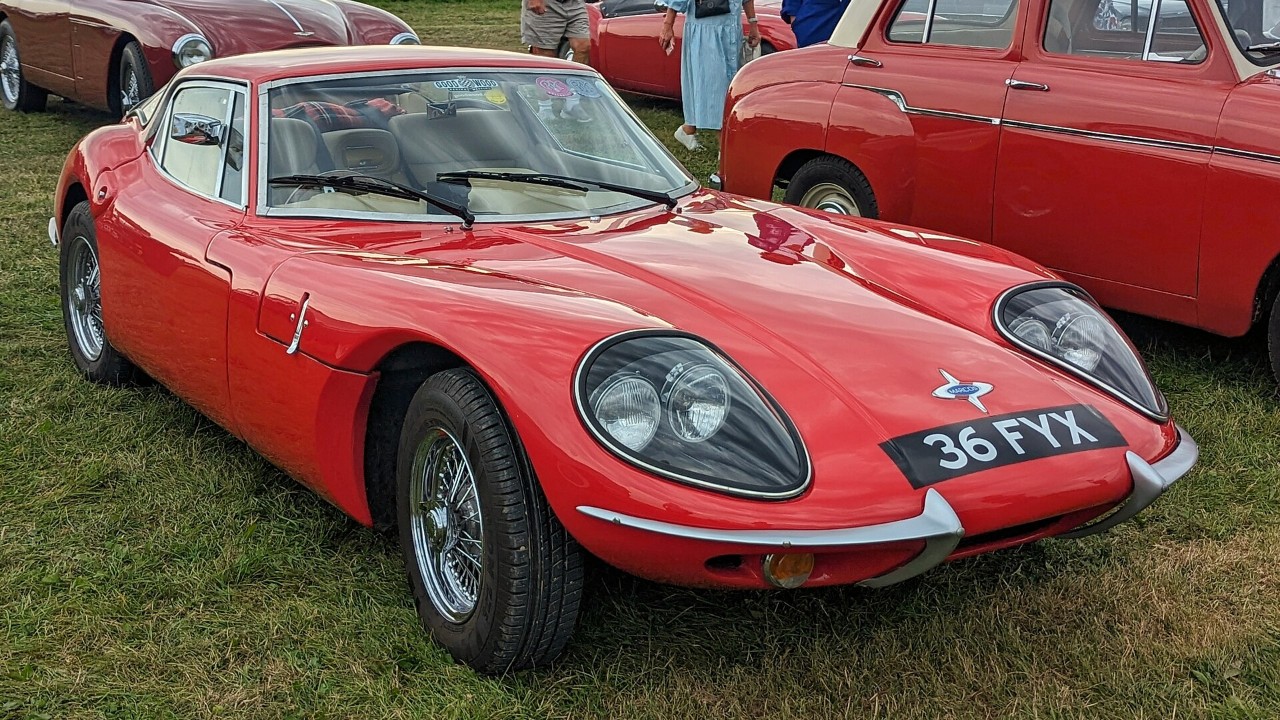
The Marcos 1800 sounds like a sports car from a fairy tale. Its chassis was made of plywood, glued together from 386 separate pieces. Brothers Dennis and Peter Adams shaped the body. Marcos introduced the car in 1964 and fitted it with Volvo’s 1.8-liter four, rated at 96 horsepower.
It was quick for its size, with a top speed of 116 mph and 0 to 60 mph in 8.2 seconds. After the first 33 cars, Marcos swapped the de Dion rear suspension for a live Ford axle. Then, in 1966, the Ford-engined 1500 replaced it. By then, about 106 cars had been built, though some records say 99.
We think the 1800 is one of the most charming oddballs of the 1960s. A wooden chassis demands careful storage, so condition varies widely. As a result, a sound, original Volvo-engined car is the one we’d hold out for.
9. 1966 Glas 2600 V8
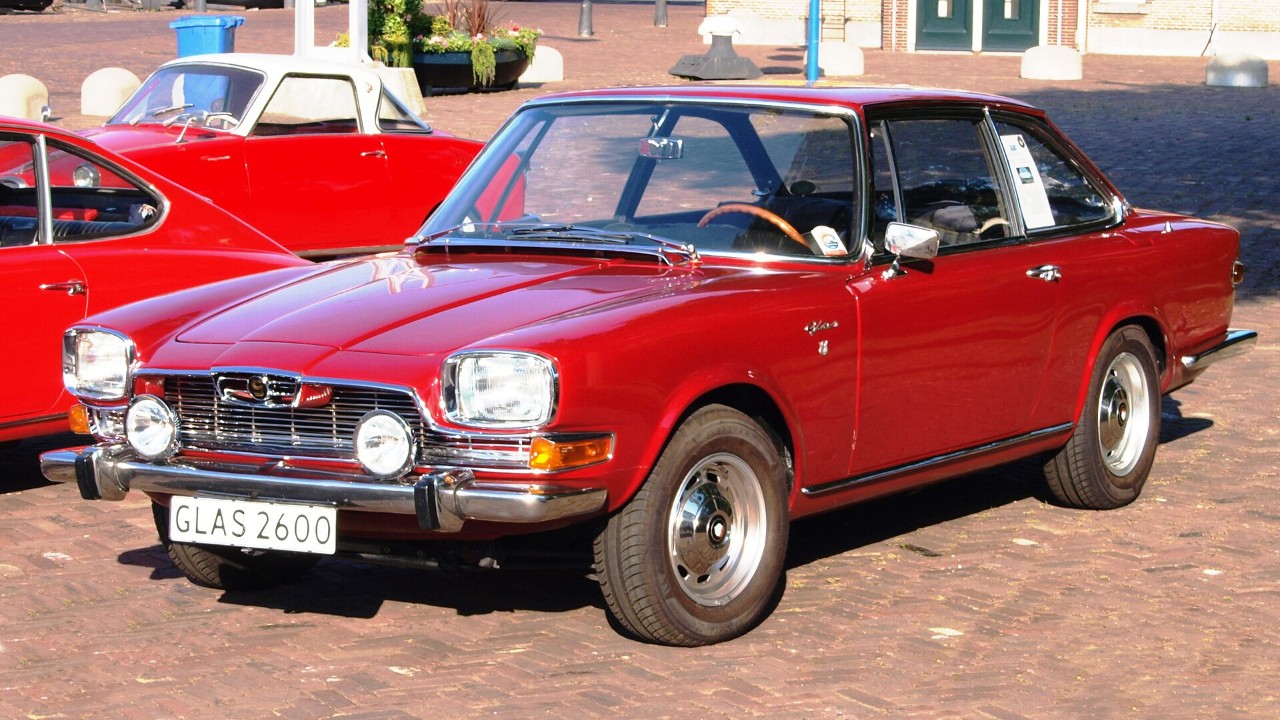
Glas was a small carmaker in Dingolfing, West Germany, so its V8 coupe was a bold move. It debuted at the Frankfurt Motor Show in September 1965. Pietro Frua penned the body, and its Maserati-like lines earned it the nickname “Glaserati.” The 2,580 cc V8 was exactly two of Glas’s 1,290 cc fours joined together.
Each cylinder bank had its own overhead cam, driven by a rubber timing belt. Glas claimed 150 PS. However, BMW took over Glas in September 1966, and the car later became the BMW-Glas 3000 V8. According to historian Werner Oswald, Glas built 277 of the 2600 V8s and BMW built 389 of the 3000 V8s before production ended in May 1968.
Our take: the Glaserati is the forgotten link between Glas and BMW. With fewer than 300 of the 2600 cars built, any survivor is a rare sight, even in Germany.
More from Fast Lane Only