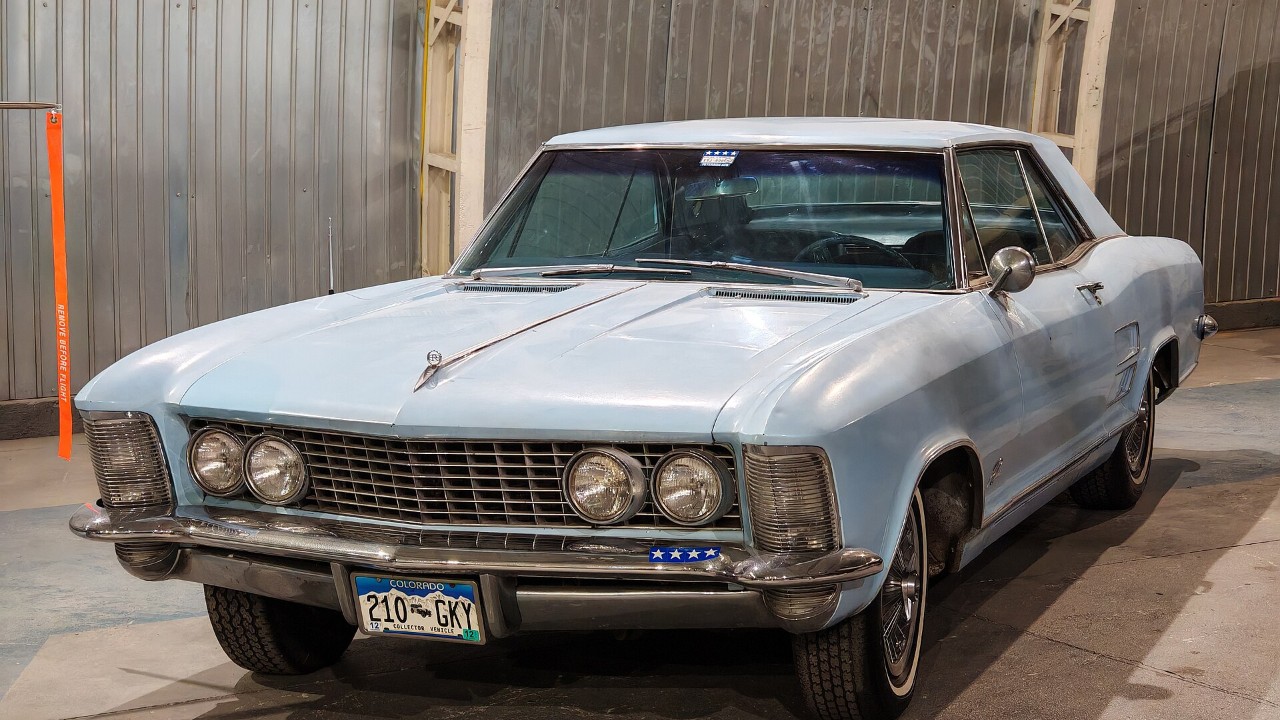
The Buick Riviera wore its name for more than three decades, from the 1963 personal-luxury coupe to the final 1999 cars. Most fans remember the first one and the 1971 boattail. However, the long middle of the story gets far less love.
That middle is where we like to look. Buick tried a concept with a chopped roof, a turbo V6, a touchscreen dashboard and a supercharged swan song. Some of these cars sold well and then faded from memory. Others came in tiny batches for an anniversary and disappeared into garages.
These 12 are our picks, and “we’d never sell” is our verdict, not a market forecast. The years, engines and production counts come from published model histories, period-focused sources and GM’s own heritage writing. If you love the Riviera but want something other than the usual three, start here.
1. 1963 Buick Riviera Silver Arrow concept
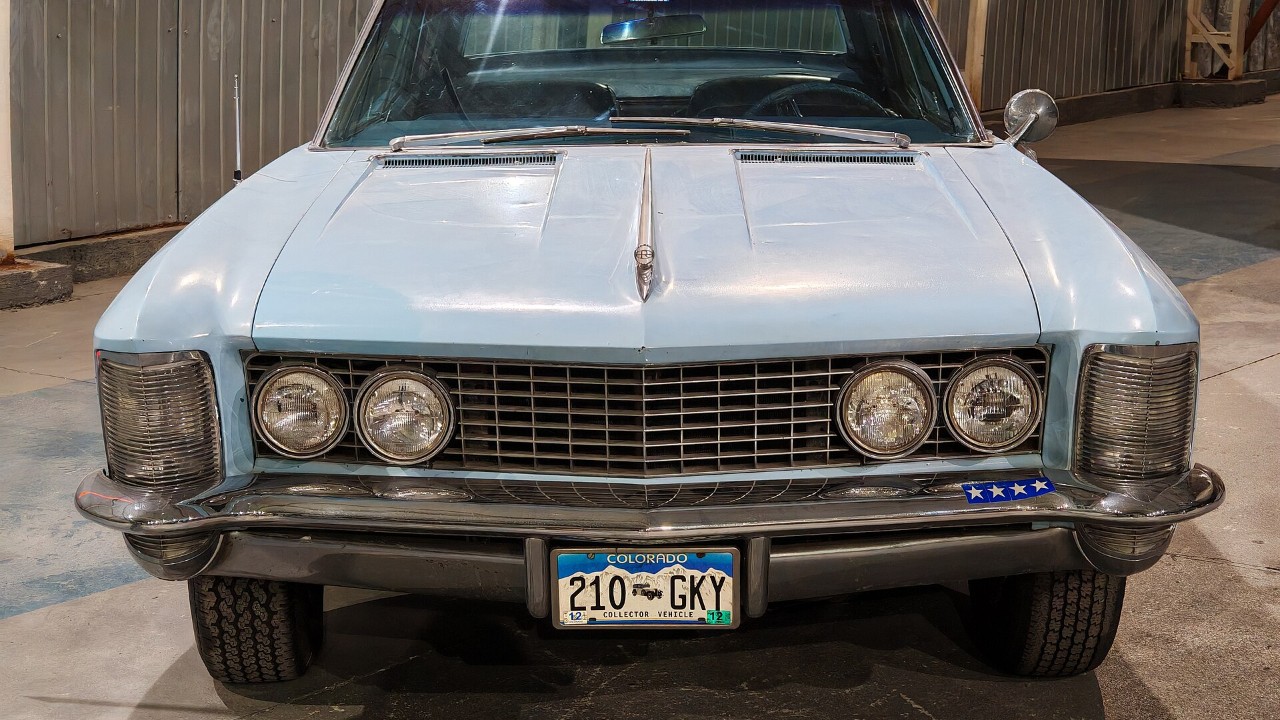
Bill Mitchell, GM’s vice president of styling, wanted his own version of the new Riviera. So he took a production 1963 car and handed it to Creative Industries, a Detroit prototype shop. The result became the Silver Arrow, and it was the first of several Silver Arrow show cars.
According to Mac’s Motor City Garage, the shop lowered the roof about two inches and reshaped the rear pillars. It also stretched the front fenders and hood by several inches, which deepened the vee in the grille. Inside, contoured buckets in silver leather replaced the stock seats. The 401 Nailhead V8 stayed essentially stock, with black wrinkle-finish detailing. Meanwhile, the base car had an upscale past of its own. The production Riviera began as a Cadillac idea under the code XP-810, and LaSalle badges were once on the table. Mitchell’s Silver Arrow simply pushed that shape further.
Our take: this is the purest Riviera ever built, because it’s the one its designer kept tweaking. You can’t buy it, of course. The car lives at the Sloan-Longway Museum in Flint, Michigan, and appears only now and then. For the backstory of the production car, read how the 1963 Riviera changed Buick’s future. If it were ours, it would never leave the garage.
2. 1966 Buick Riviera GS

For 1966, Buick gave the Riviera an all-new body. The big 425-cubic-inch Nailhead V8 carried over. Meanwhile, the Gran Sport package stayed on the option list for buyers who wanted more muscle with their luxury.
Buyers clearly liked the new look. Model histories put 1966 Riviera sales at 45,308, a record for the car at the time. That made the second-generation Riviera a hit right out of the gate. The GS added performance hardware to a body that already looked fast at a standstill. In our view, it turned a calm personal-luxury coupe into a proper highway express without spoiling the ride.
Our take: the 1966 car is the most underrated shape in the Riviera family. The first-generation car gets the attention, yet the 1966 has cleaner sides and a more relaxed stance. We explored the package in how the Riviera GS turned Buick brutal. If you shop for a GS, ask for paperwork, because badges are easy to add. A real one is a keeper in our book. We’d pick a dark color, which shows off the clean body sides best, and take it on a long interstate trip.
3. 1973 Buick Riviera GS Stage 1
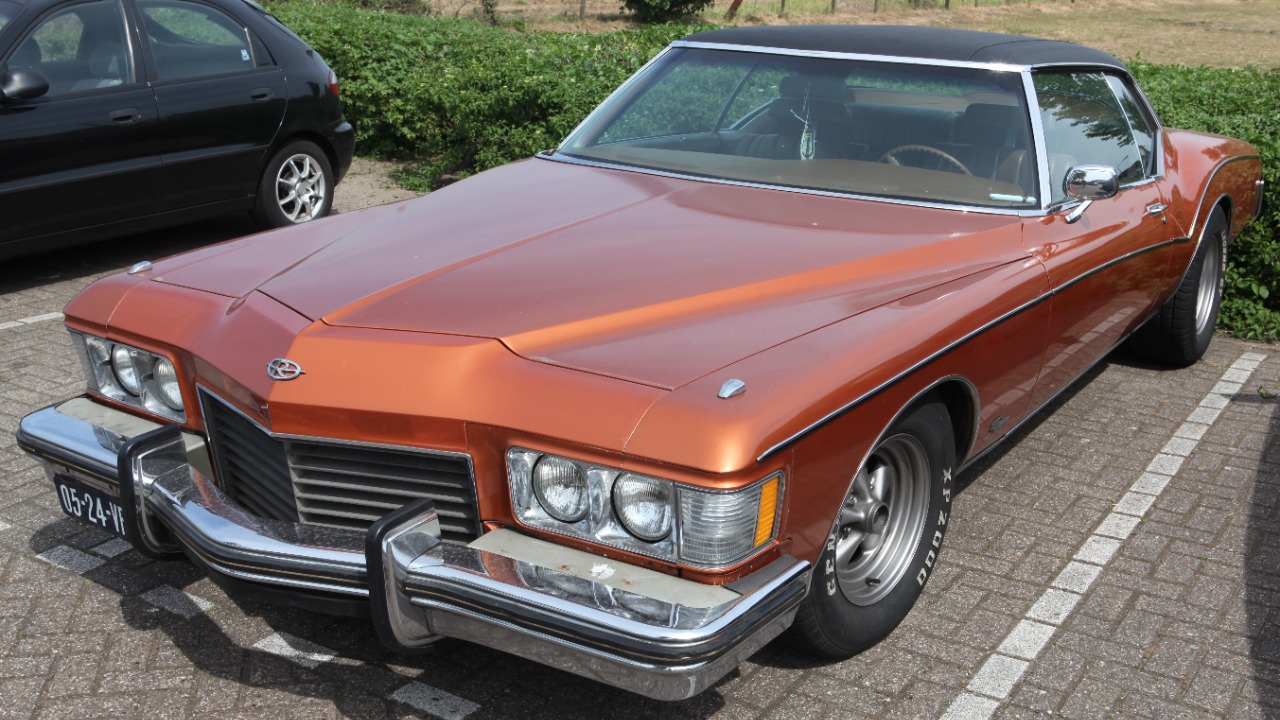
By 1973, the boattail Riviera faced tighter emissions rules and new net horsepower ratings. Even so, Buick kept a performance option alive. The standard 455 V8 made 250 net horsepower, and the Stage One package raised that to 260. It also added a limited-slip differential.
That year, the Gran Sport name meant a ride-and-handling package rather than an engine upgrade. So a 1973 car with both GS and Stage One gets the full set. Buick built 34,080 Rivieras for 1973. By comparison, the 1972 Gran Sport rated 250 horsepower under the new net system. Riviera production had been 33,728 that year, so the 1973 car held its ground in a tough market.
Our take: this is a boattail-era Riviera with real muscle, and that combination gives it a special place for us. The Stage One engine and the limited-slip rear make it more than a styling statement. Before you buy, confirm the Stage One equipment with documentation. Also look for the limited-slip rear, since it came with the Stage One kit. We’d hold onto a verified car for good and drive it on long, sweeping roads.
4. 1977 Buick Riviera
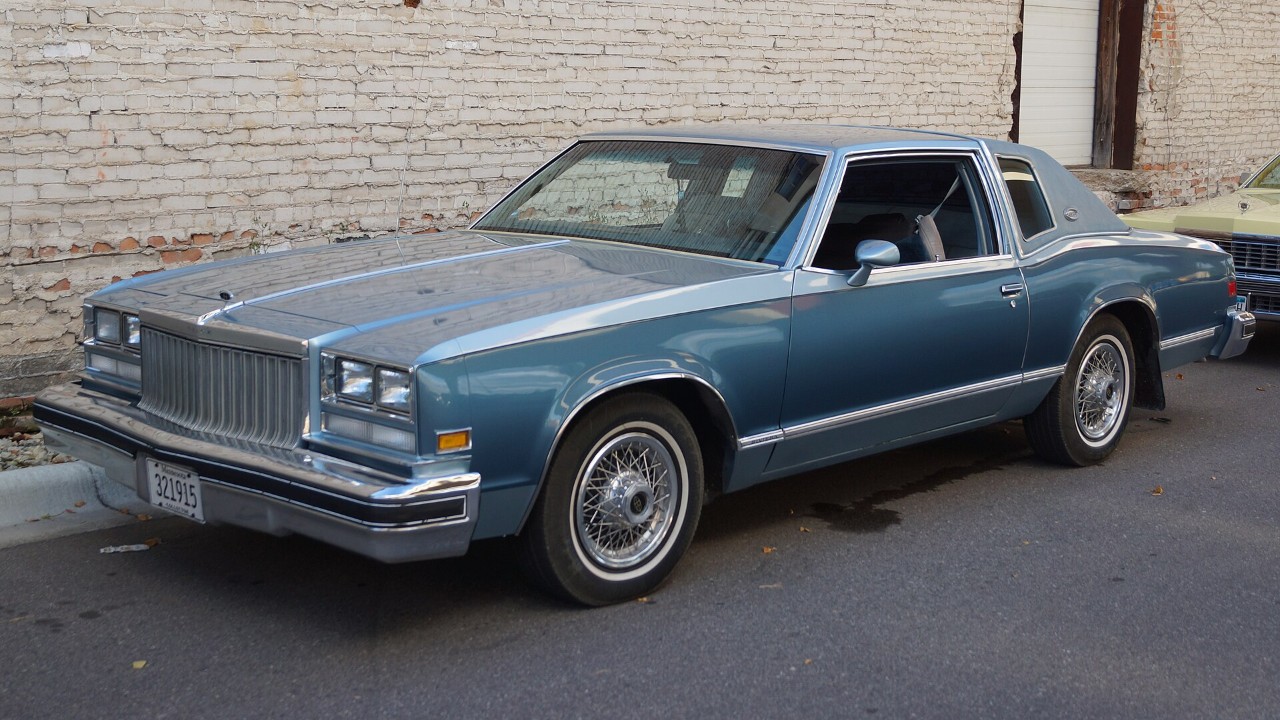
In 1977, the Riviera shrank and moved onto Buick’s smaller B platform. It now shared its basic structure with the LeSabre coupe. The wheelbase dropped to 115.9 inches, and the car weighed about 660 pounds less than before.
It remained a big car at 218.2 inches long, and the cabin kept the plush feel Riviera buyers expected. Two V8s were on the menu. Buick’s own 350 made 155 horsepower, while an Oldsmobile 403 made 185. California cars got a 170-horsepower Olds 350 instead. Buick built 26,138 of these Rivieras, and the design lasted only two model years. As a result, you rarely see one at a show today.
Our take: the 1977 car is the forgotten Riviera in our view, squeezed between the boattail and the front-drive cars. It’s a comfortable, honest cruiser with a V8 and a crisp 1970s profile. Find one with the 403 if you can. Then enjoy a car almost nobody else at the show will bring, because we certainly would. Its two-year run means fewer survivors to choose from, so be patient. We think the square lines will age better than many fans expect.
5. 1978 Buick Riviera LXXV
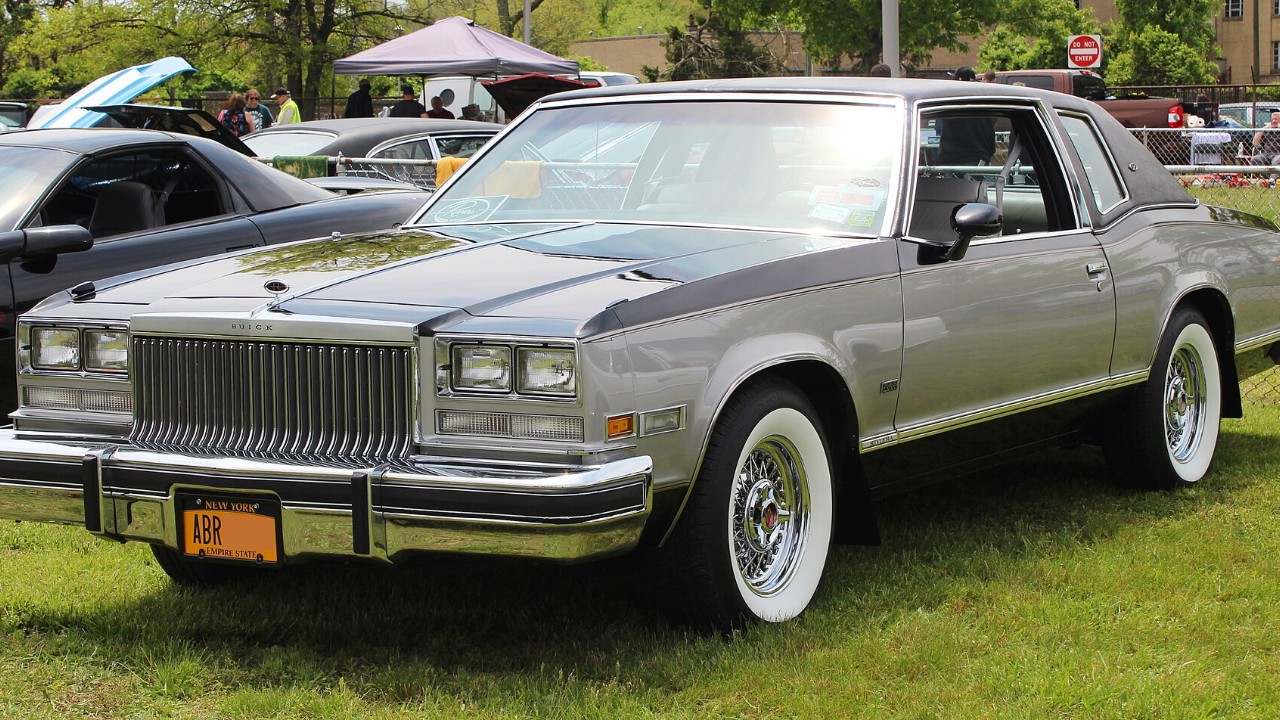
Buick turned 75 in 1978, and it marked the date with a special Riviera. The LXXV edition wore silver and black paint. Inside, it had gray leather seats with black trim and deep pile carpet.
The package went beyond paint, too. It included four-wheel disc brakes, brushed chrome trim and LXXV nameplates. Because Buick offered one color scheme, every LXXV shares the same silver-and-black look. Model histories put LXXV production at 2,889 cars. That’s a small number for a Buick of the era. In fact, the LXXV marked the end of the rear-drive B-body Riviera, since the 1979 car switched to front drive.
Our take: this edition is a tidy time capsule of Buick’s late-1970s idea of luxury. The silver and black scheme still looks sharp, and the four-wheel discs make it nicer to drive. If you find one, check that the trim pieces and nameplates are all there. Ask the seller for the original window sticker if it survives, because that one sheet tells the whole story. We would treat a clean, original LXXV as a family heirloom.
6. 1979 Buick Riviera S-Type
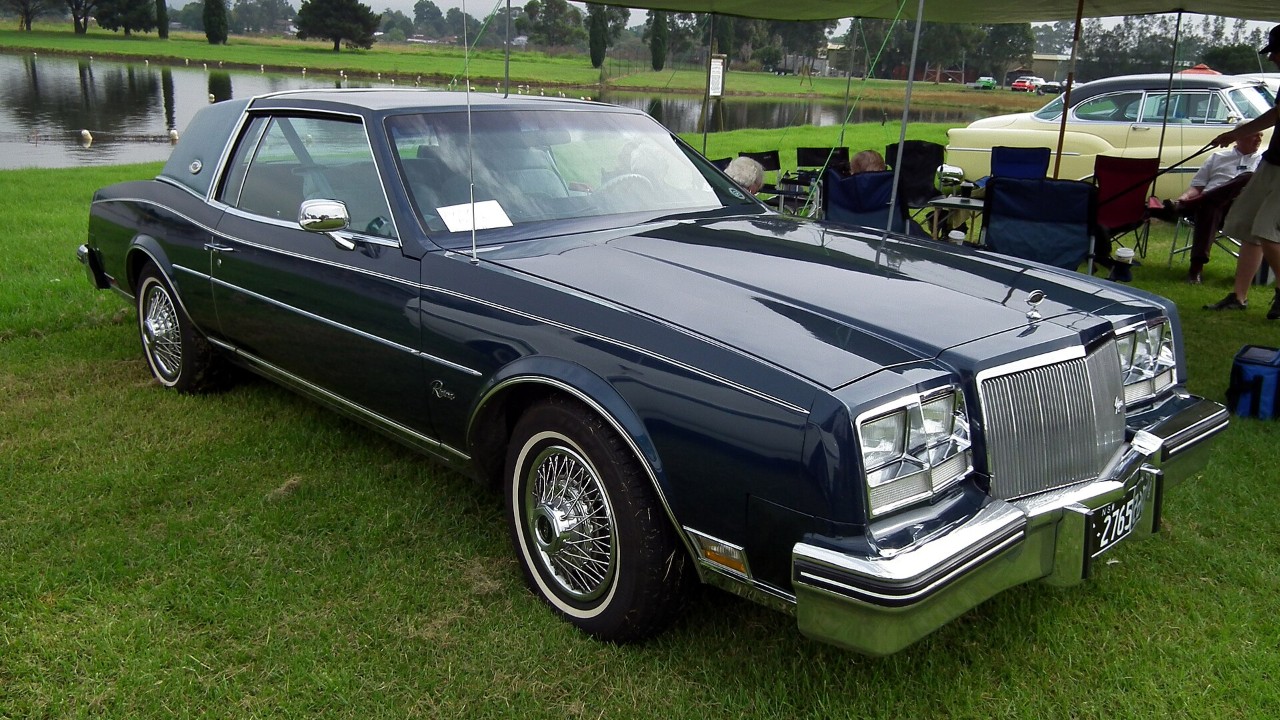
The 1979 Riviera was a big change. It moved to front-wheel drive on a 114-inch wheelbase and shared its platform with the Cadillac Eldorado and Oldsmobile Toronado. Motor Trend named it Car of the Year, and Buick built 52,181 that season.
The S-Type was the version for drivers. It used a turbocharged 3.8-liter V6 rated at 185 horsepower. According to Curbside Classic, Buick called the turbo model the S-Type in 1979 and 1980 and the T-Type later on. Sales more than doubled over 1978 in the launch year. The Truth About Cars adds that the generation’s engines ranged from the turbo six to a 5.7-liter Oldsmobile V8 in gas or diesel form.
Our take: the S-Type proved a turbo six could move a luxury coupe, and Buick kept that recipe going for years. It’s also the first front-drive Riviera, which gives it a historic role. If you want one, have the turbo system inspected, and confirm the car is a real S-Type. Turbo heat is hard on old hoses, so budget for replacements. A sorted example is one we’d keep.
7. 1983 Buick Riviera XX
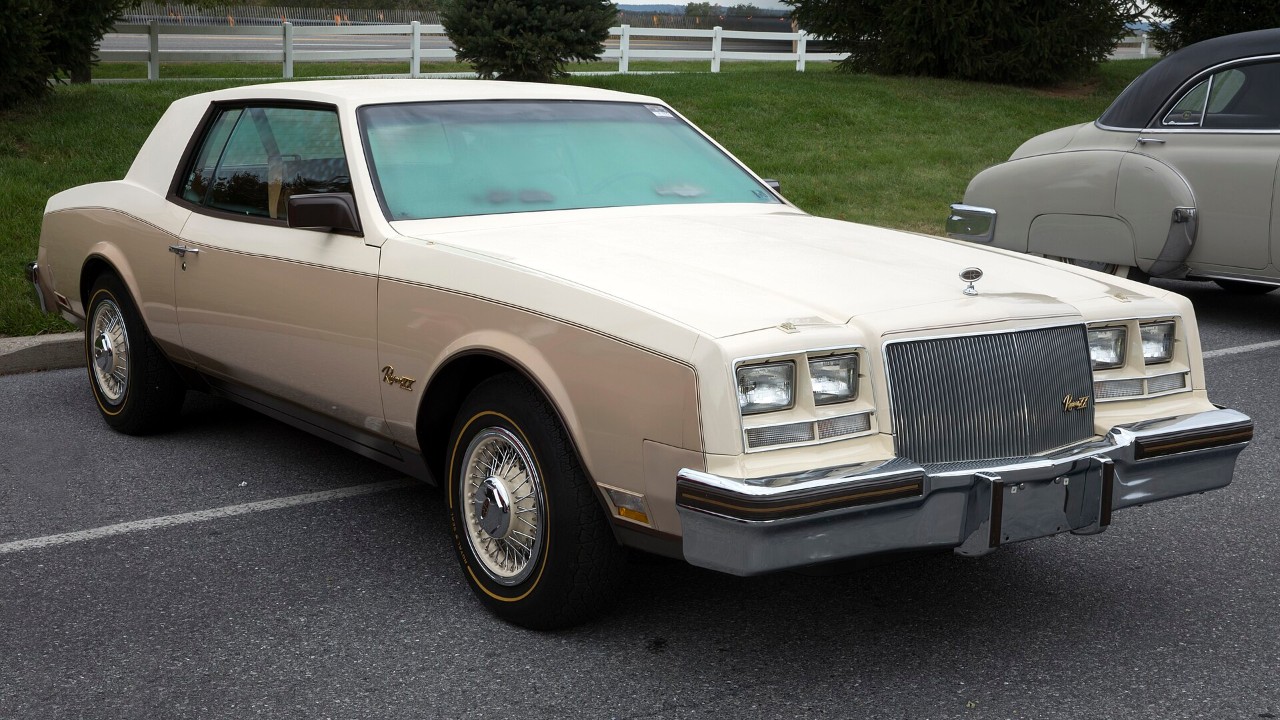
For the Riviera’s 20th birthday, Buick built an anniversary coupe called the XX. The Truth About Cars describes a limited run of 500 coupes, while another model history says 502. Either way, it’s a tiny number.
The XX was all about rich details. It wore two-tone cream and tan paint and rode on real wire wheels. Inside, it used upgraded leather and velour, with a single slab of walnut on each door panel. The badges were 24-karat gold. It also got a slightly revised grille that previewed the 1984 cars, so the XX works as a small bridge between two model years.
Our take: the XX is a 1980s luxury coupe that went all in on craftsmanship, and that’s why we love it. It feels like Buick’s thank-you note to Riviera fans. Because so few exist, protect the walnut and gold trim at all costs. If you own one, we’d say keep it, since a replacement may never come along. In our view, it’s the most elegant Riviera of the 1980s, and we’d keep it out of the sun to protect the cream paint.
8. 1985 Buick Riviera convertible
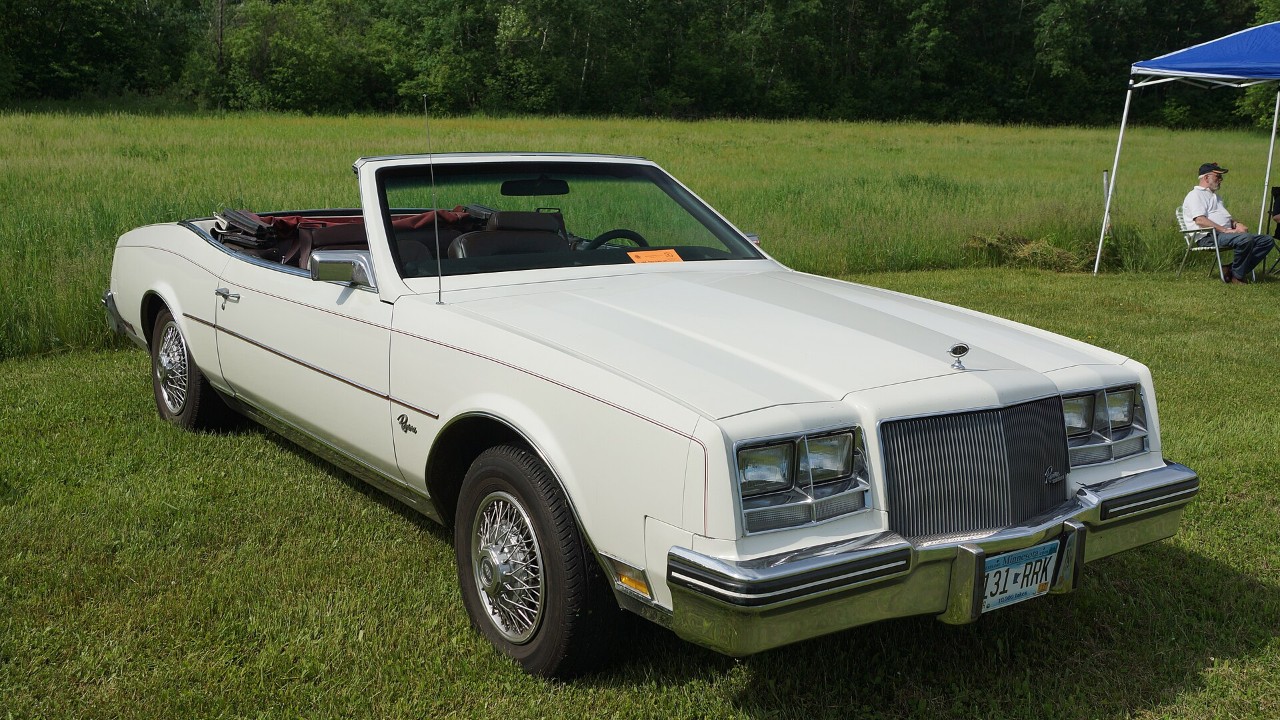
The Riviera had never been a convertible until 1982. That year, Buick offered one priced at $23,944. ASC handled the conversions, so each car began life as a coupe.
Production stayed low every year. Model histories list 1,248 for 1982 and 1,750 for 1983. Then output fell to 500 in 1984 and 400 in 1985. Meanwhile, the overall Riviera line sold about 65,000 cars in 1985, its best year of the generation. So a 1985 convertible is a rare variant from a popular car. A twin-turbo convertible also paced the 1983 Indianapolis 500. Altogether, those figures add up to just 3,898 convertibles over four years.
Our take: the 1985 convertible is the rarest year of the open Riviera, and it’s a great summer cruiser. In our view, the low count makes it worth extra care. Before buying, check the top mechanism, the body seals and the ASC paperwork. Then check the rear seat area for water stains, since old convertible tops can leak. If we had one, it would never, ever go on the market.
9. 1986 Buick Riviera T-Type
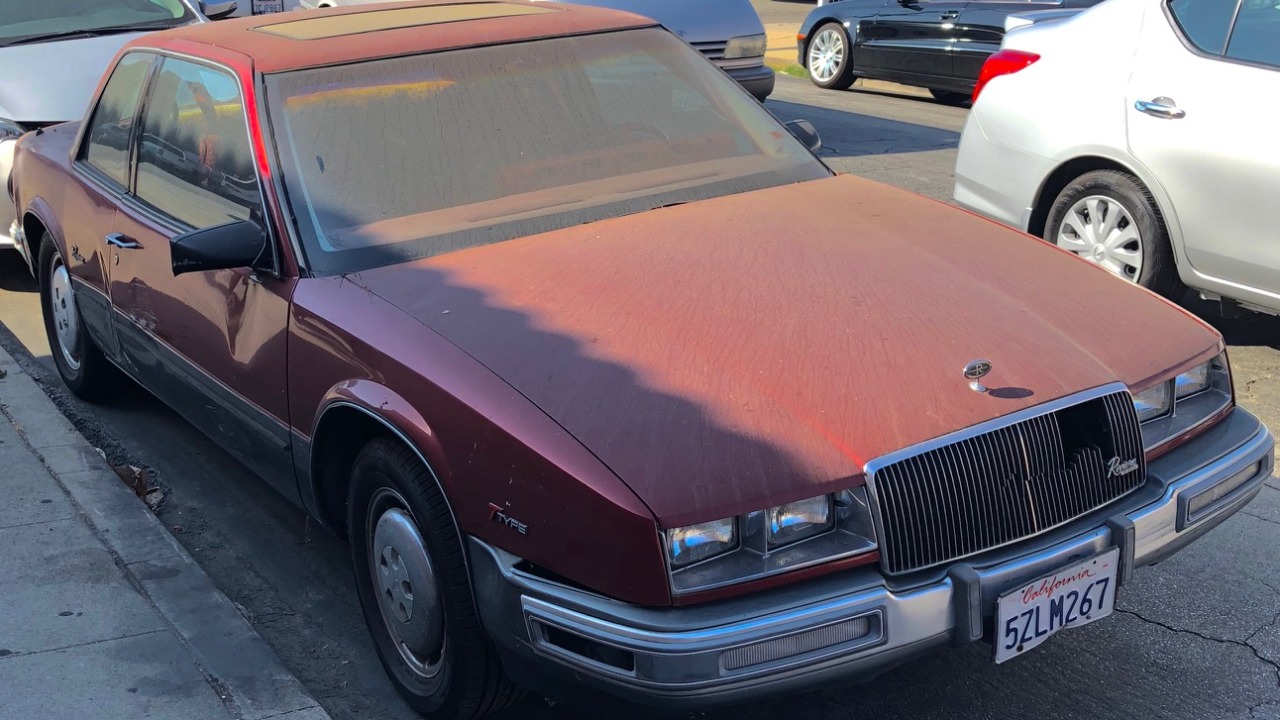
For 1986, the Riviera shrank again into a unibody, front-drive coupe on a 108-inch wheelbase. Its V6 made 140 horsepower that first year. A T-Type listed at $21,577, against $19,831 for the base car.
The talking point was the dashboard. GM’s own Retro Rides story explains that the Graphic Control Center was a touchscreen with green text on a black screen. It ran the radio, climate control and trip computer. It also showed diagnostics, a calendar and maintenance reminders. Technicians even had a semi-secret service mode. Later, the same idea spread to the Buick Reatta and the Oldsmobile Trofeo under other names. However, GM’s story concedes that the small virtual buttons made it hard to use while driving.
Our take: the 1986 T-Type is a museum piece for tech history, decades before touchscreens took over cars. Production fell from 22,138 in 1986 to 15,223 in 1987, which makes clean ones scarce. Test every screen function before you buy. Once it works, we’d never let it go. Even with its quirks, the screen makes the car a conversation starter at every show.
10. 1989 Buick Riviera
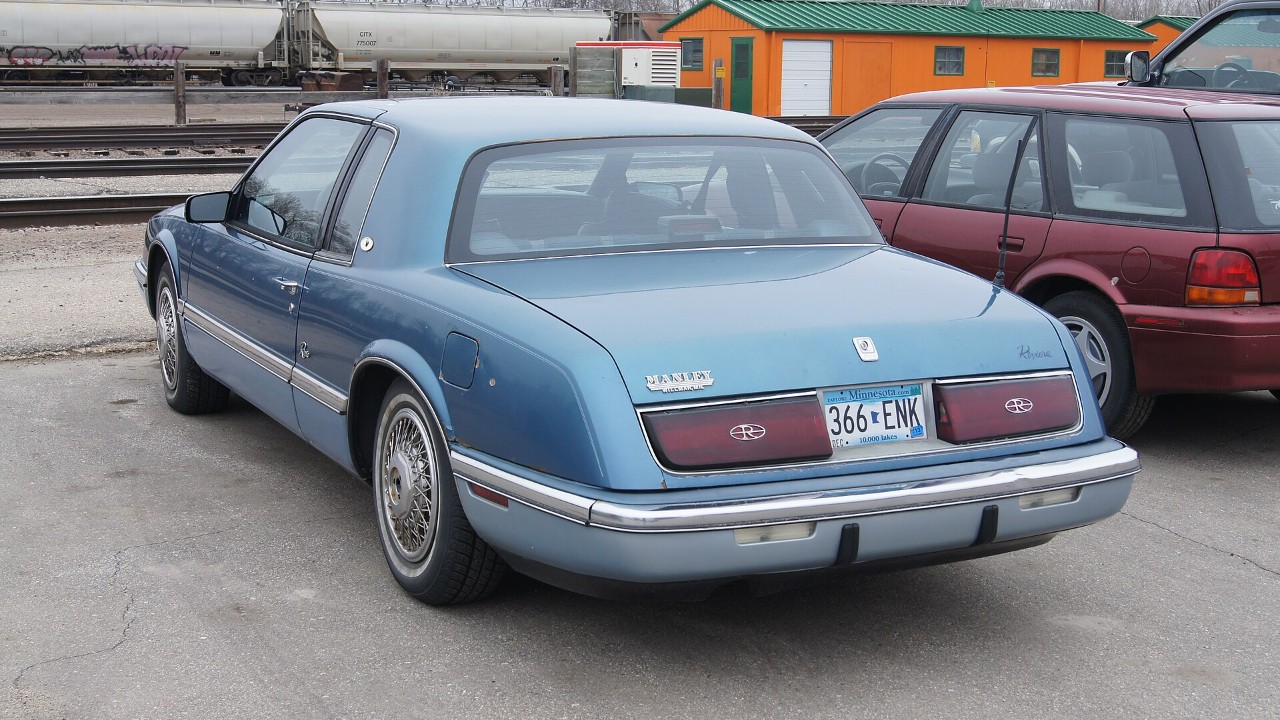
Buick listened to buyers who found the 1986 car too small. For 1989, it added 11 inches of length on the same wheelbase. The new nose and tail gave the Riviera back some of its old presence.
The fix worked, at least for a while. Sales climbed to 21,189 in 1989, up from only 8,625 in 1988. By then, the V6 made 165 horsepower. Later in the run it reached 170 with tuned port injection. In other words, the restyle brought back the long-hood look without a new platform. Since the wheelbase stayed put, all of the extra length went into the overhangs, and that’s exactly what the shape needed.
Our take: the 1989 car is the comeback Riviera, and it deserves more respect than it gets. It’s easy to live with, simple to park, and it looks far more elegant than the car it replaced. Look for low-mileage, garage-kept examples. We’d pick a 1989 or 1990 car with the 165-horsepower V6 for the best mix of looks and power. A well-kept 1989 is the kind of car we’d hand down rather than sell.
11. 1995 Buick Riviera
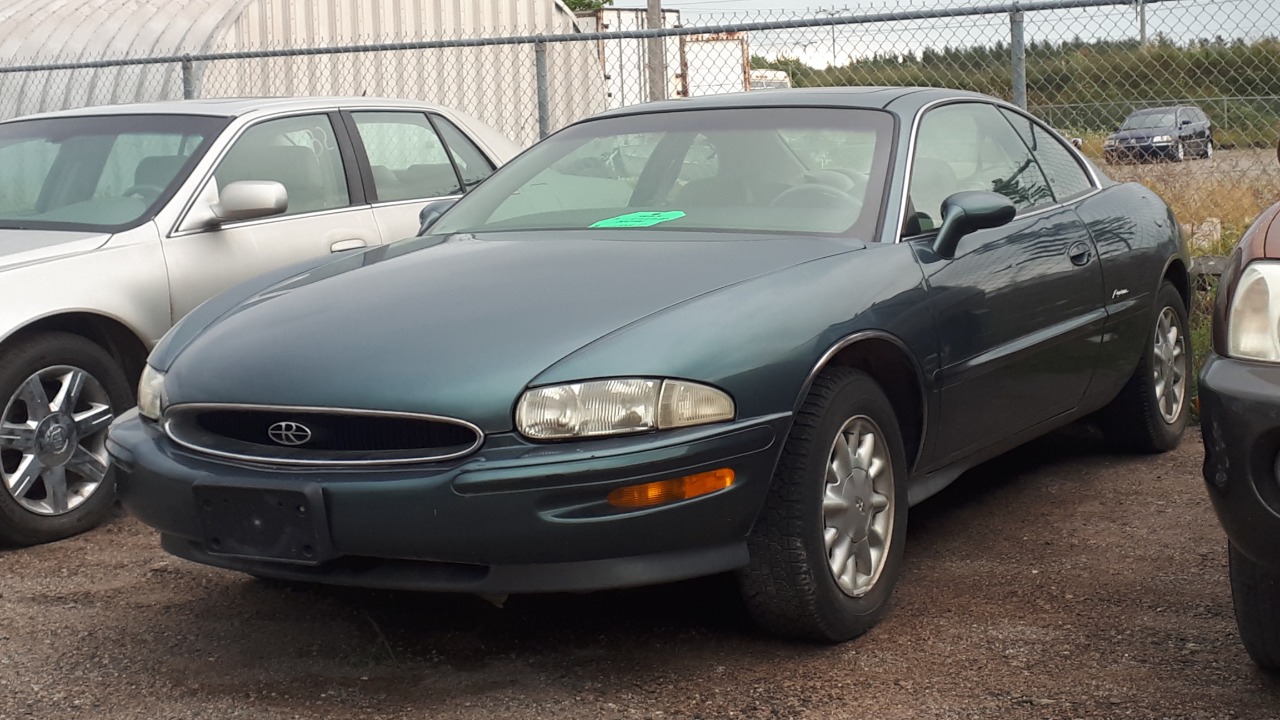
The last generation arrived for 1995 with a dramatic, oval-themed body. Buick built it in Orion Township, Michigan, on the front-drive G platform under the Oldsmobile Aurora. The base 3800 V6 made 205 horsepower, and an optional supercharged version made 225.
Consumer Guide notes that the Riviera and Aurora shared no styling or interior features despite their common platform. It also lists the watch points, including intake-manifold coolant leaks on the 3.8. Buick built 41,422 Rivieras for 1995, by far the best year of this generation. The supercharged engine rose to 240 horsepower for 1996, and for 1998 it became standard.
Our take: this is the boldest shape Buick put on the road in the 1990s, and it has aged well. The supercharged engine gives it real punch. Have the intake manifold and transmission checked before you buy. Consumer Guide says early cars could drop into neutral at highway speeds, and it warns that battery acid can rust the floor pan. So look closely under the battery, too. A clean supercharged 1995 is one we’d park and polish forever.
12. 1999 Buick Riviera Silver Arrow
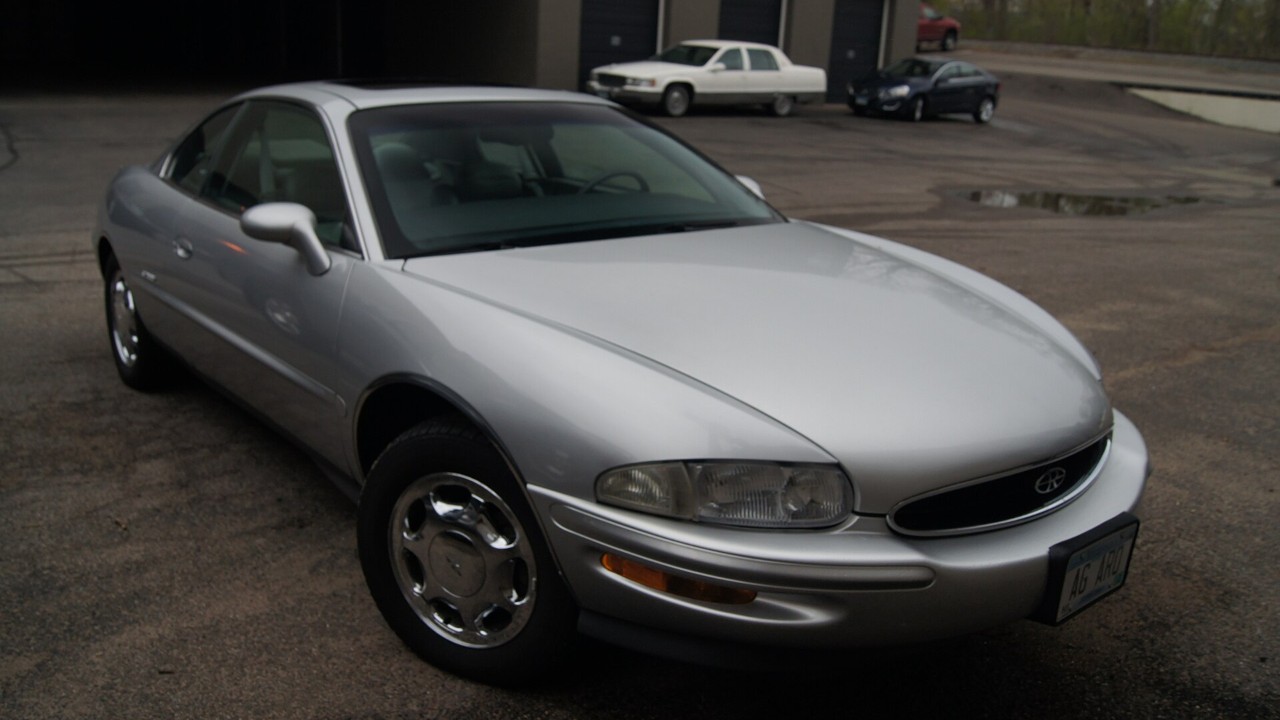
The Riviera story ended with a nod to the beginning. The final 200 cars of 1999 became Silver Arrow models, with special silver paint and trim. That name went back to Bill Mitchell’s 1963 show car.
By then, the supercharged 3800 V6 was standard, rated at 240 horsepower. Consumer Guide says Buick stopped building the Riviera midway through the 1999 model year because of slow sales. Total production that year came to only 1,956 cars, and the 1995-99 generation finished at 89,579. That means roughly one in ten final-year cars wore Silver Arrow trim.
Our take: the 1999 Silver Arrow closes the circle on a 36-year nameplate, and we find that hard to resist. It has the strongest engine of its generation and a direct link to Mitchell’s concept. Keep the window sticker and badges with the car. Since Consumer Guide flags intake-manifold coolant leaks across all years, check the gaskets before a long drive. Of all 12 here, this is the one we’d guard most closely. It’s the last Riviera Buick ever built, and it wears the right name.
More from Fast Lane Only