A boxy little Datsun sedan won the Trans-Am under-2.5-liter championship two years running, with John Morton driving a BRE Racing 510 to the title in 1971 and again in 1972. That result told American buyers something the sales brochures could not. Nissan’s cheap compacts and pickups could take a beating and keep going.
Plenty of Datsuns earned a reputation for toughness in daily use, too. Simple overhead-cam fours, leaf-sprung rear axles and plain cabins gave owners little to break. However, not every model aged the same way, and rust claimed many of them long before their engines gave up.
So these are our picks for the Datsuns that feel the most overbuilt. We have no mileage records to quote for them, so the verdicts are our opinion. Every engine, date and figure in each entry, however, comes from the record.
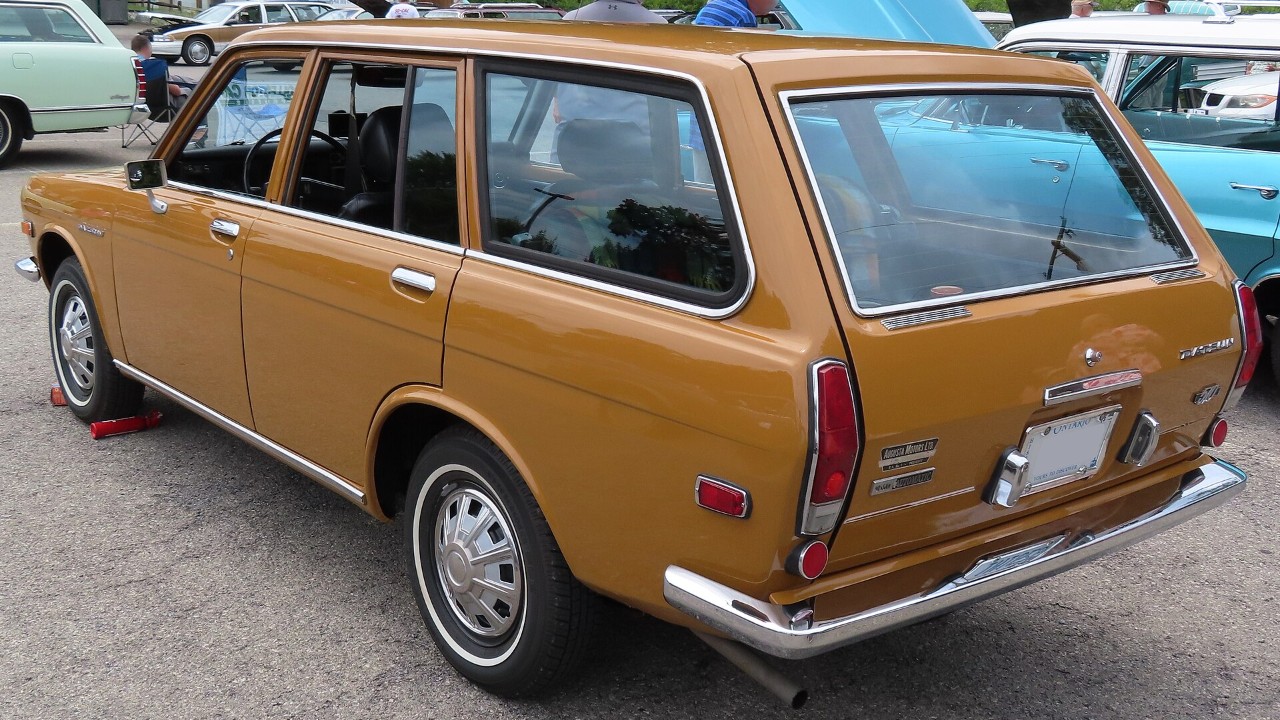
1. 1972 Datsun 510 wagon
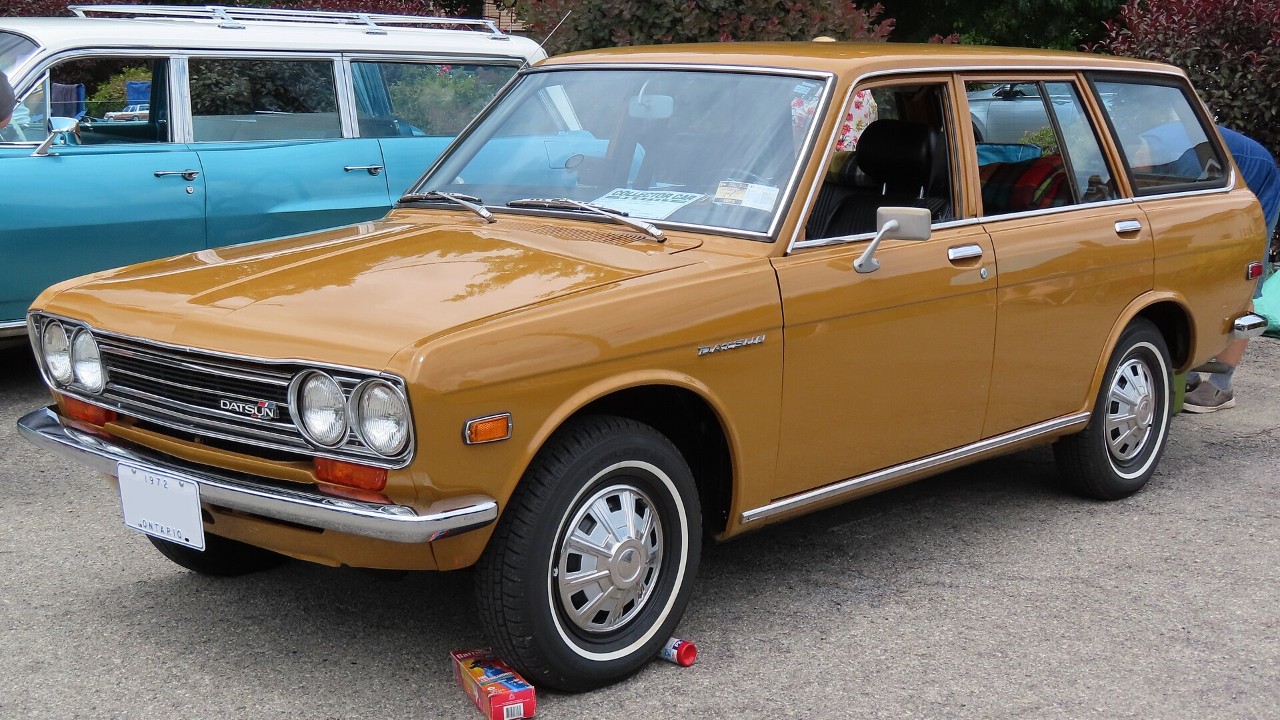
The 510 arrived in the United States in October 1967 as a four-door sedan. Datsun added the two-door in June 1968, and the wagon and coupe followed in November 1968. North American cars used the 1.6-liter L16, an overhead-cam four with a Hitachi carburetor and a four-speed manual, rated at 96 horsepower gross.
The wagon differs from the sedan in one big way. Sedans got four-wheel independent suspension, but every 510 wagon rode on a solid rear axle with leaf springs. Car & Classic’s 510 buyer guide says that setup makes the estate’s handling less responsive. It also calls the car reliable and says the engine is mechanically simple to service.
That trade is why the wagon makes our list. A leaf-sprung axle has fewer joints and bushings to wear out than a semi-trailing-arm rear end, and it carries a load without complaint. In our view, the 510 wagon is the version built for hauling rather than racing, and that suits a long life. Because the sedan gets most of the attention, a solid wagon can also be the friendlier buy. Check the floors and rear wheel arches first, since rust ends more of these cars than wear does.
2. 1977 Datsun 620 King Cab
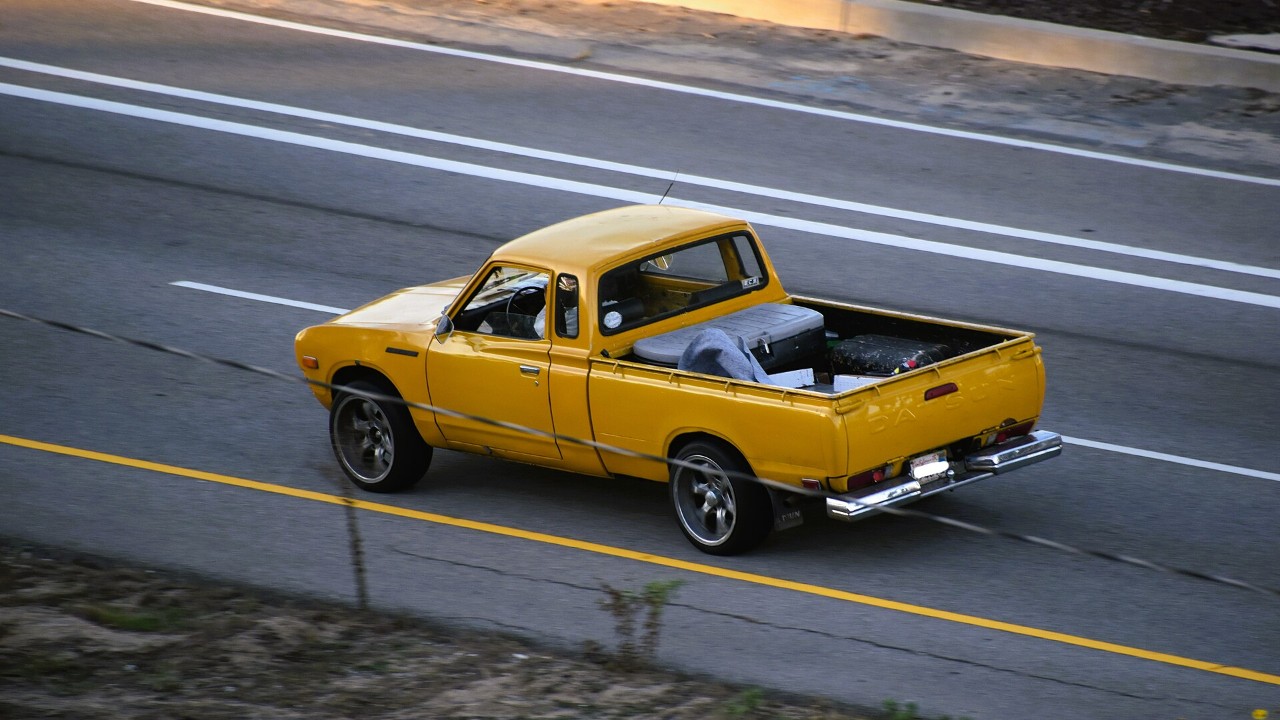
Datsun released the 620 pickup in February 1972 and built it until 1979. For the 1975–1979 North American trucks, power came from the 2.0-liter L20B, rated at 110 horsepower SAE gross or 97 net. Then for 1977, the longer King Cab arrived. It was the first Datsun pickup with that extended cabin, which gave owners room behind the seat for tools or a jacket.
One survey detail says a lot about who bought these trucks. About 40 percent of North American 620 buyers said they never used the truck for work. In other words, many people bought a small pickup as a daily driver, and that is a tough test for any vehicle.
The L20B is the reason we picked this truck. It is the same engine family that powered the 610, 710 and 200SX, so parts knowledge runs deep among Datsun fans. Meanwhile, the King Cab body adds real-world usefulness without changing the simple chassis underneath. In our opinion, a 1977 King Cab is the sweet spot of the 620 line. If you shop for one, check the bed floor and the cab corners, since those areas trap water.
3. 1968 Datsun 521 pickup
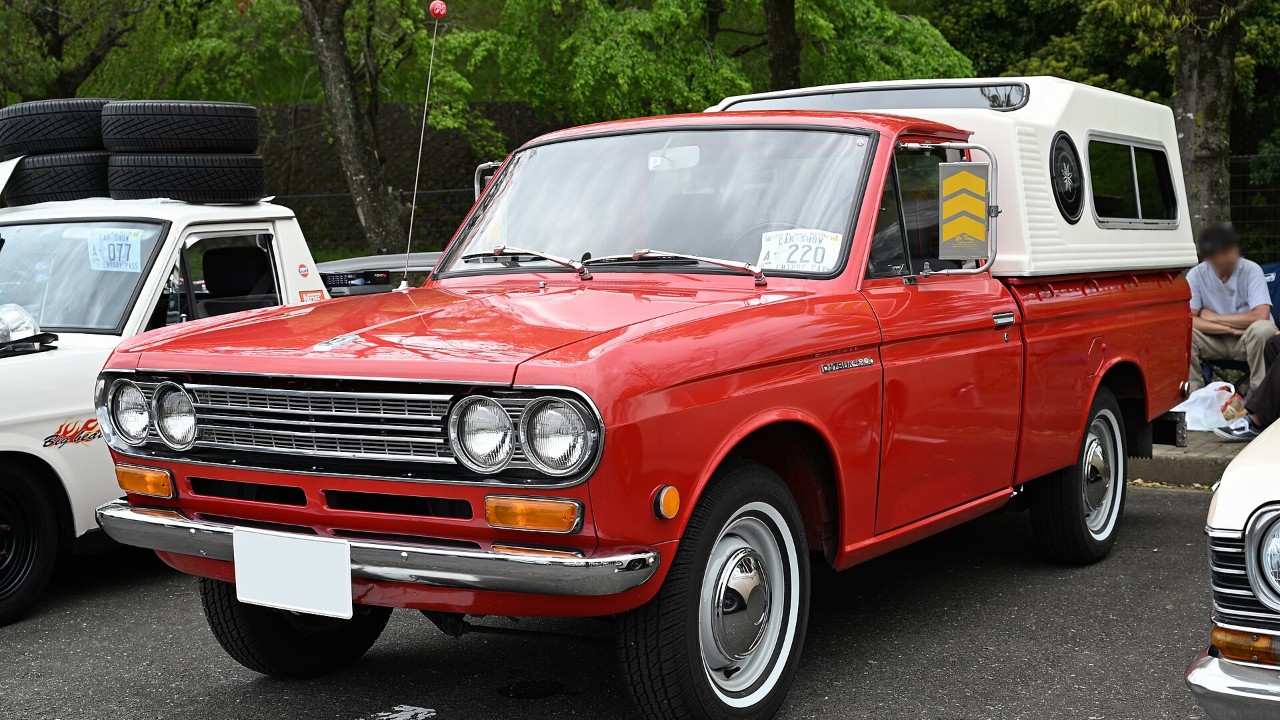
The 521 began as a facelift. Datsun built the 520 pickup from May 1965 to May 1968, then gave it a flat-deck front end and called it the 521 from June 1968. Production ran until 1972. Early 521s used the 1.3-liter J13 or the larger 1.5-liter J15, which made 77 horsepower. Later trucks could get the L16 at 94 horsepower.
In our view, these trucks were small, honest and easy to live with. For the longer back story, our list of seven Datsun and Nissan pickups from the 1955 120 to the 1986 Hardbody traces how the line grew.
A 1968 truck sits right at the hand-off between the 520 and 521. We like it because it pairs the small, simple J engines with the cleaner 521 nose. In our view, there is almost nothing on a truck like this that a careful owner cannot fix in a home garage. Before you buy, confirm which engine it carries, because many of these trucks got engine swaps over the decades.
4. 1982 Datsun 720 King Cab
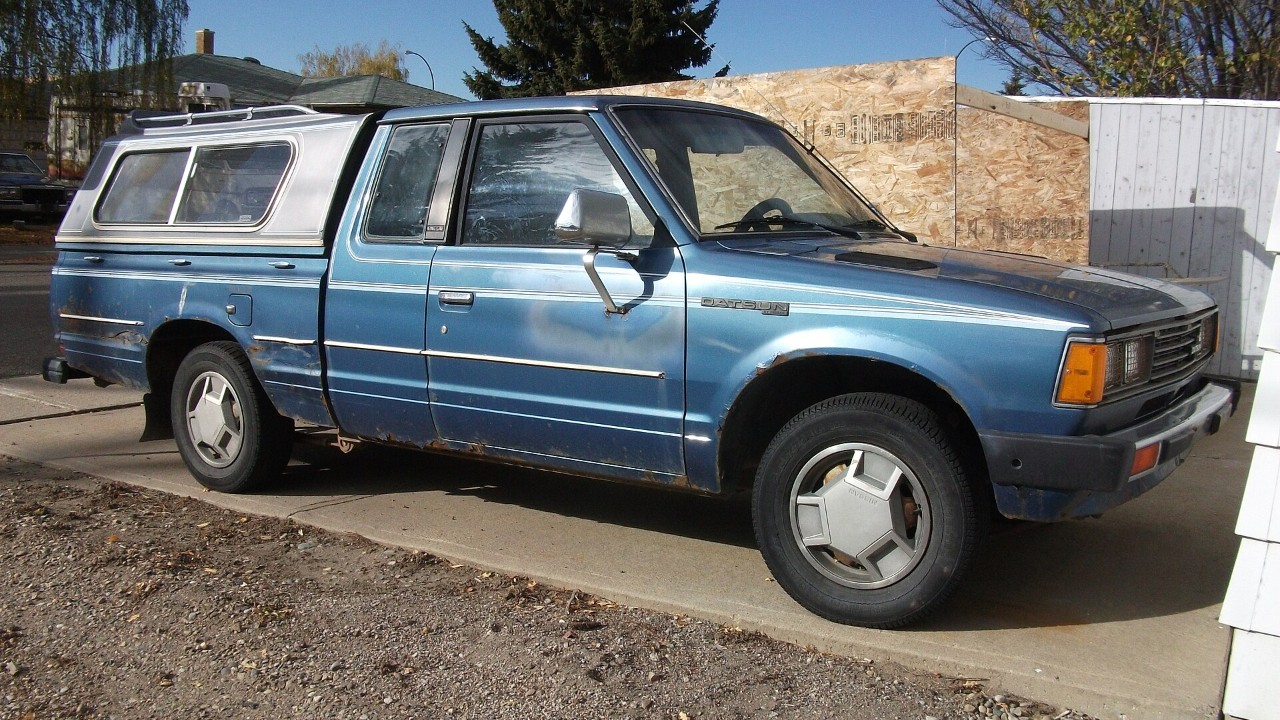
Datsun introduced the 720 in October 1979 to replace the 620, and North American sales began in 1980. The King Cab carried over, and this time buyers could also order it with four-wheel drive. For 1982, the U.S. lineup added the SD22 diesel, though only in two-wheel-drive trucks. Datsun kept selling that diesel in America through 1985.
The 720 also marks a turning point in where these trucks came from. Starting with the 1983.5 model year, Nissan assembled the 720 at its then-new plant in Smyrna, Tennessee, and it kept building them there until 1986. As a result, a 1982 truck predates Tennessee assembly of the 720.
Diesel 720s dominated sales in many markets abroad, and that tells you something about the truck’s job overseas. In our view, a slow but frugal diesel King Cab is the closest thing Datsun sold to a work tool built for the long haul. Expect leisurely acceleration, though. If you want one, look for a truck with a documented service history and a rust-free frame, because those matter more than the odometer.
5. 1979 Datsun 210 hatchback
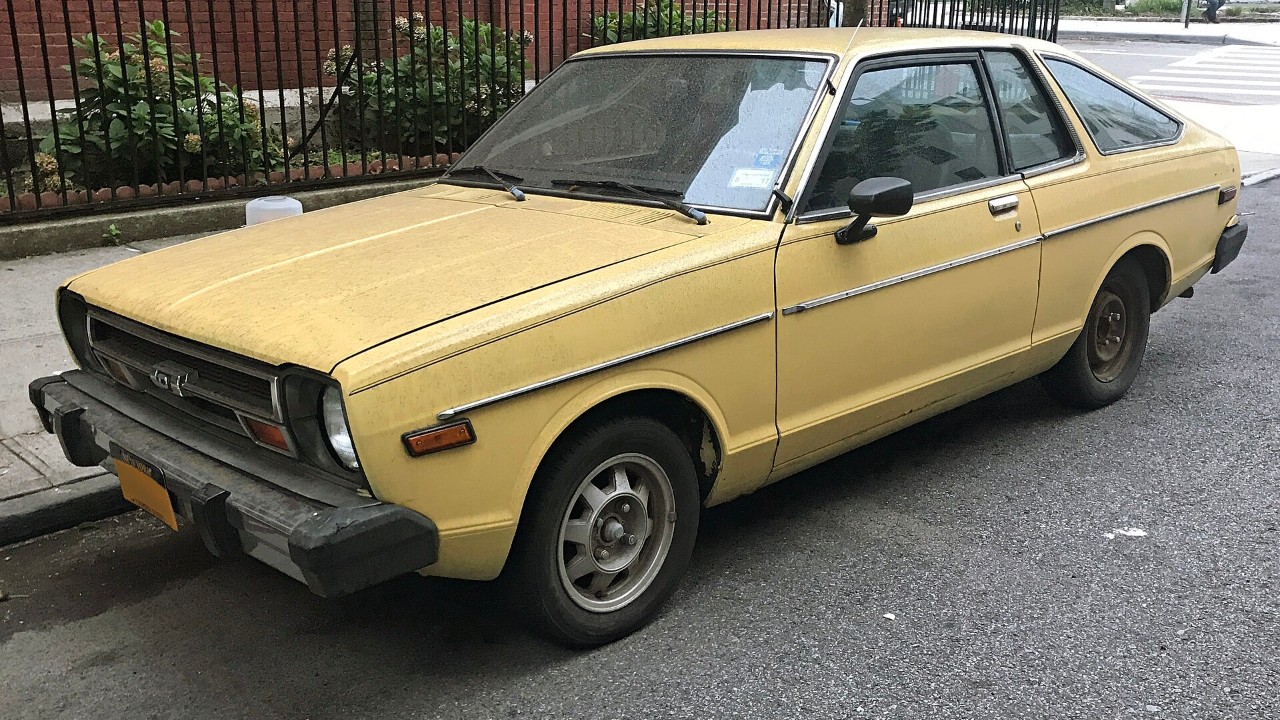
The B310 generation of the Sunny went on sale in North America as the Datsun 210 from 1978 to 1982. It came in several shapes, including a three-door hatchback coupe, sedans and a five-door wagon. Under the hood, North American cars used A-series fours: the A12A, the A14 or the A15.
Fuel economy was the selling point. For 1981, Datsun offered a “210 MPG” model with a small-port A14 and a five-speed overdrive gearbox, built to stretch every gallon. That version earned a 40 mpg rating under U.S. standards. Then again, the regular hatchback gave up little in daily use, and it was easier to find on a dealer lot.
We include the 210 because its whole design favors a quiet, unstressed life. A small engine and a light body leave few weak points. In our opinion, the hatchback is the most practical body, since the big rear opening turns a tiny car into a small hauler. It is not fast, and it was never meant to be. If you find one, check the front strut towers and rocker panels, because these cars rarely died from engine trouble.
6. 1972 Datsun 1200 coupe
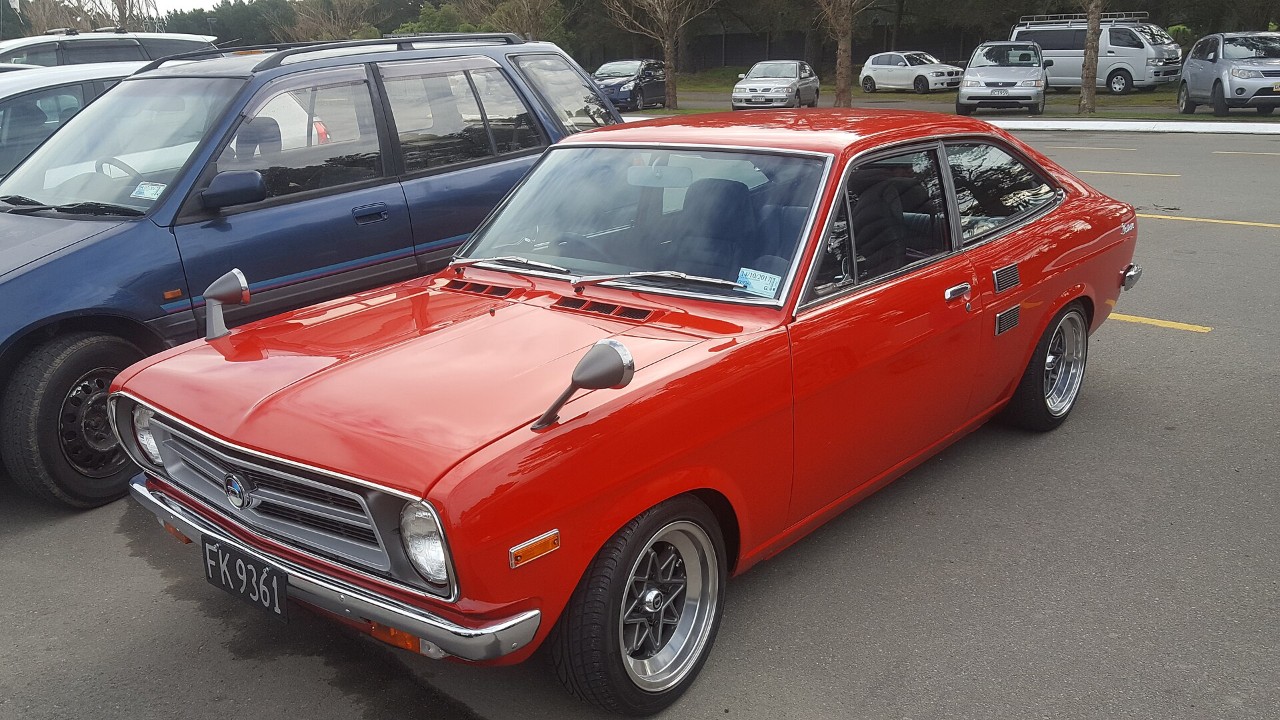
Nissan launched the B110 Sunny in January 1970, and export markets knew it as the Datsun 1200. Its 1,171 cc A12 was an enlarged version of the earlier A10. In the United States, the 1200 first came with 69 horsepower. In Japan, the coupe went after the Toyota Corolla Levin and Sprinter Trueno.
The little coupe proved itself on track early. It debuted at the 1970 Fuji 200 in the TS1300 class, where Makoto Suzuki won in a works Nissan. That same year, a 1200 won Class A at the Bathurst 500 in Australia. It also became a strong rally car in Australia and New Zealand, where rough roads punish weak parts.
Those results are why we see the 1200 as overbuilt for its size. A car that wins its class at Bathurst in its first year is tougher than its price tag suggests. In our view, the coupe is also the best-looking body, with a fastback roof that makes the small car look eager. Because many were raced, a stock, unmodified example is the one to look for.
7. 1973 Datsun 610 sedan
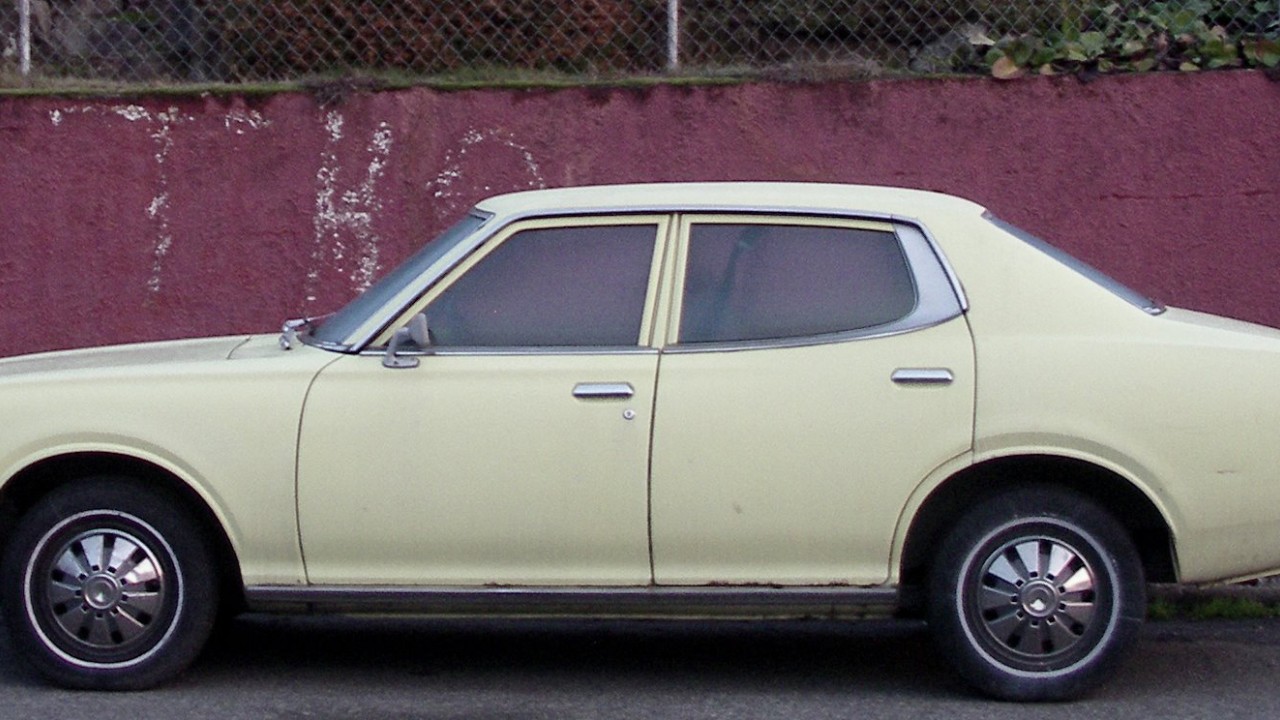
The 610 replaced the 510 and sat a step above the 710 in Datsun’s lineup. According to Curbside Classic’s look at the 710, the 610 was slightly bigger and more expensive, and it kept the independent rear suspension the 710 lost. For 1973, the 610 used the 1.8-liter L18.
The engine grew soon after. From 1974 to 1976, the 610 got the 2.0-liter L20B, rated at 110 horsepower in U.S. trim for 1974 and 1975. That engine line has an interesting family tree, too. Nissan designed the original L20 using a Mercedes overhead-cam engine as a model.
We like the 610 because it took the durable L-series four and put it in a roomier, quieter car. Our earlier story on the 1973 Datsun 610 looks at the car in more depth. In our opinion, this is the Datsun for someone who wants a 510-style chassis with more comfort. Since the 610 rusted like other Datsuns of its time, check the floors and trunk before you buy.
8. 1974–1977 Datsun 710 wagon
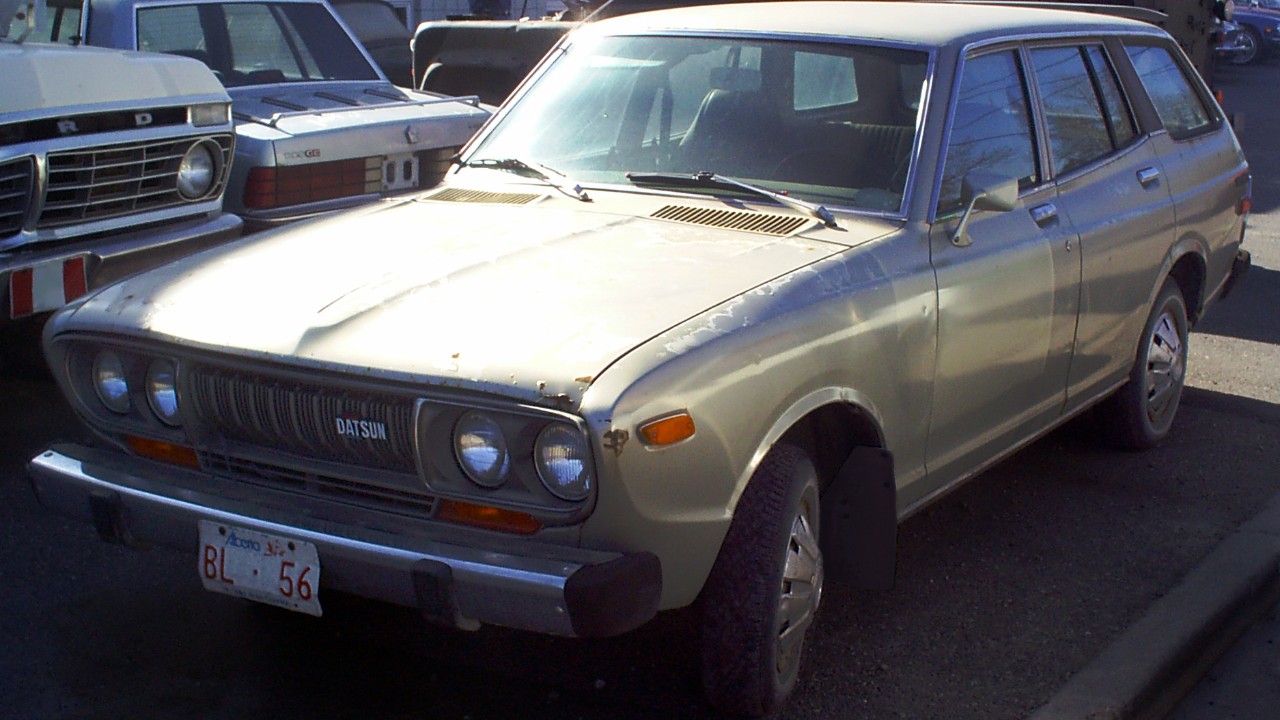
The 710 replaced the original 510 as Datsun’s mainstream compact, and the wagon took on the family-hauling job. In the United States, it used the L-series overhead-cam four, sold first as a 1.8-liter. From 1975 to 1977, the 710 moved up to the 2.0-liter L20B. Curbside Classic calls this engine family “tough,” and early 710 sales were brisk during the energy crisis.
The chassis went simpler, too. The 710 dropped the 510 sedan’s independent rear suspension for a leaf-sprung solid rear axle. Smog rules also cut into performance, so the car lost some of the 510’s sporting feel. Even so, the parts it kept were the sturdy ones.
That is why we picked the wagon. A solid rear axle, an L-series engine and a big cargo area make for a car that can carry a lot for a long time. In our view, the 710 wagon is underrated because it lived in the 510’s shadow. Rust and fragile head gaskets were common complaints for Datsuns of this era, according to Curbside Classic’s readers. Check the cooling system and the body closely before you buy one.
9. 1979 Datsun 200SX
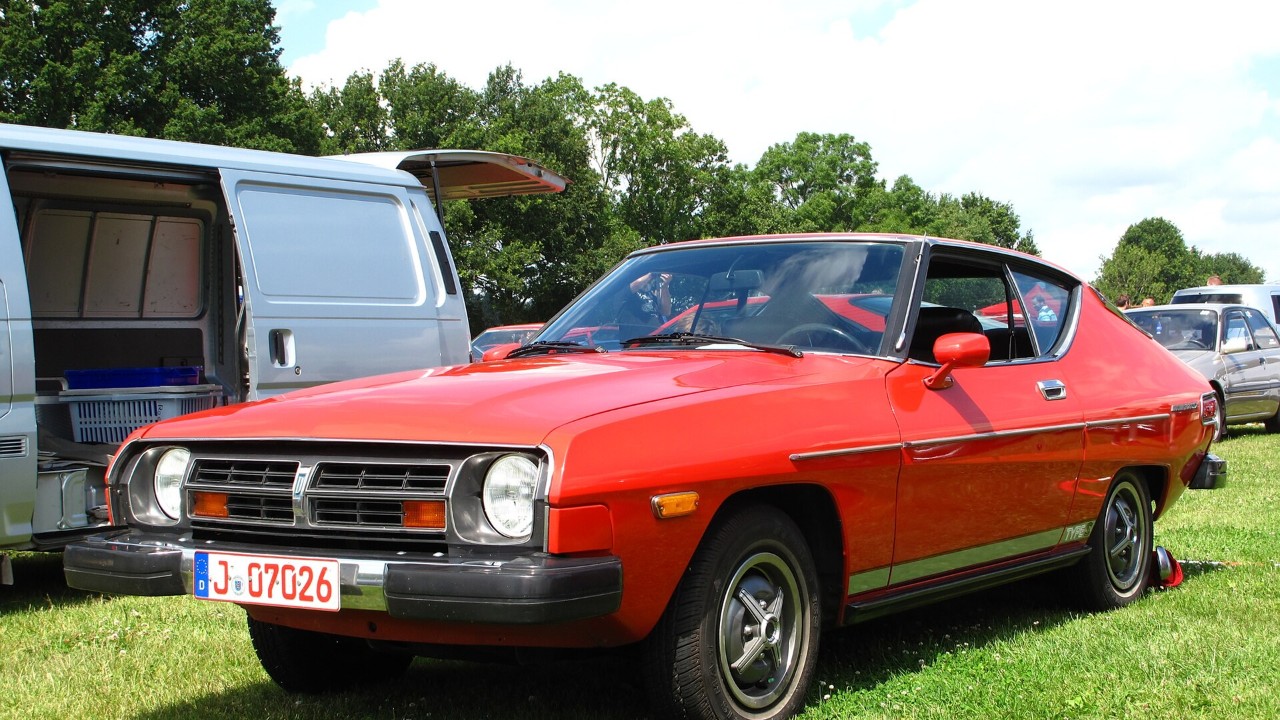
The 200SX gave Datsun a sporty coupe for buyers who could not stretch to a Z car. From 1975 to 1979, it used the 2.0-liter L20B, and in 1977–1978 form the engine made 97 horsepower. That makes a 1979 car one of the last 200SX models with this engine before the next generation arrived.
The L20B links this coupe to some of Datsun’s hardest-working vehicles. The same engine powered the 620 pickup from 1975 through 1979 and the 610 and 710 sedans. In other words, the 200SX shares its heart with Datsun’s work trucks.
That shared hardware is the reason the 200SX lands here. It wraps a work-truck engine in a sporty body, which in our opinion is a fine recipe for a long-lived daily driver. The car is no rocket, though, and smog equipment of the era took some of the edge off. If you shop for one, look for a car with its original emissions parts intact, since missing pieces can make it hard to tune and register.
10. Early-1980s Datsun 810 Maxima diesel wagon
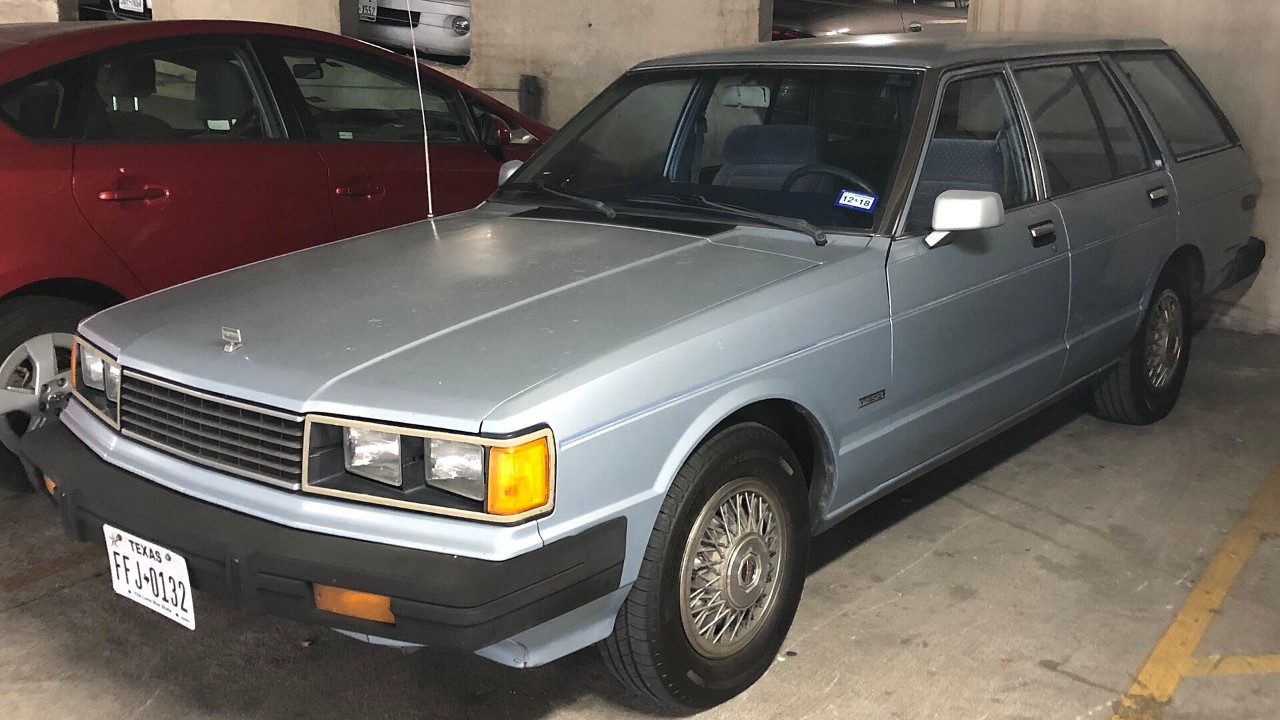
The 810 came as a four-door sedan and a five-door wagon. From mid-1981 through 1983, U.S. buyers could also order the LD28, a 2.8-liter overhead-cam inline-six diesel. It came with a five-speed manual or a four-speed automatic with overdrive. Wagons used a leaf-sprung live rear axle and rear drum brakes, while sedans had independent rear suspension.
The car had a famous party trick as well. Its voice warning system used a small phonograph to play a recorded female voice. The 1981 model was the first U.S. “talking car,” and its only message was “Please turn off the lights.” For 1982, Datsun rebranded every 810 as the Datsun Maxima.
A slow-revving six-cylinder diesel in a leaf-sprung wagon is about as heavy-duty as a Datsun passenger car got. In our view, that makes the diesel wagon the most overbuilt car on this list. It is also one of the hardest to find. If you track one down, have a diesel specialist check the injection pump and glow plugs before you buy.
11. 1968 Datsun Fairlady 1600
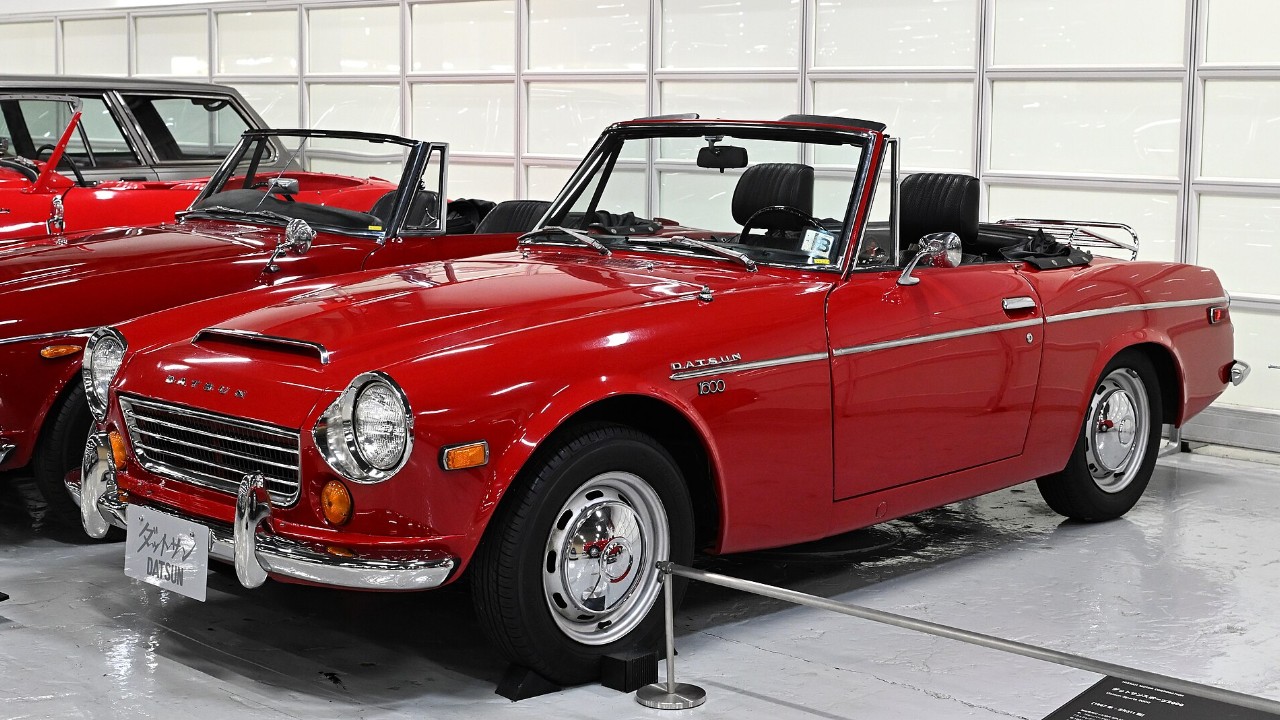
Datsun showed the Fairlady 1600 at the 1964 Tokyo Motor Show and put it into production in March 1965. It ran until April 1970. The car used a 1.6-liter R16 four rated at 96 PS, or about 95 horsepower. Later, the 2000 joined it with a 1,982 cc U20 engine.
The roadsters proved their strength in racing. The 1600 and 2000 together won 10 national SCCA championships. Datsun built about 40,000 of its Sports cars from 1959 to April 1970, which counts every version in the family.
We pick the 1600 because it shows the toughness ran through the sporty cars too. A roadster that wins national championships has to survive hard laps, and the 1600 makes far less power than the 2000, so its engine works less hard. In our opinion, it is also the friendlier car to own. Check the body for rust first, and look for an example with solid metal before you worry about the engine.
12. 1967–69 Datsun 1000 DeLuxe two-door sedan
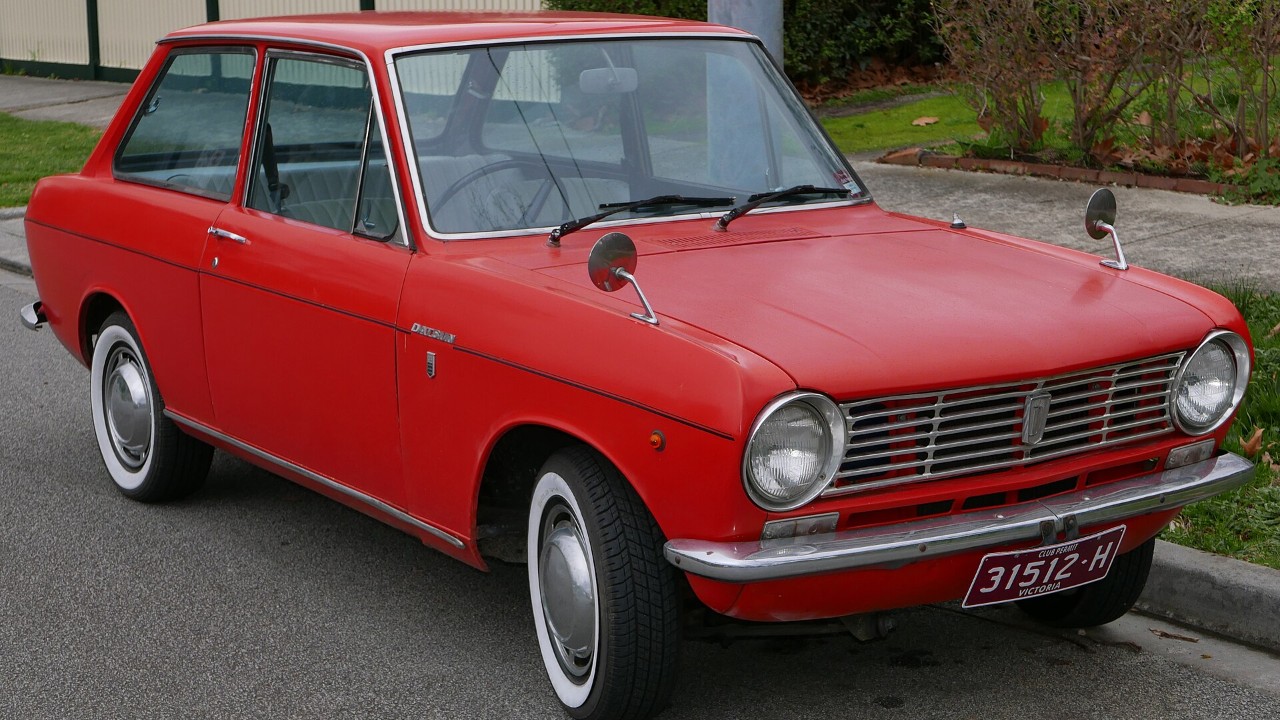
The first Sunny, the B10, launched in September 1966, and export markets knew it as the Datsun 1000. It used a 988 cc A10 four with a four-speed gearbox. Initial output was 62 PS gross at 6,000 rpm, a modest figure even by the standards of the day.
The A10 started a long line. Nissan later enlarged it into the A12 for the Datsun 1200, and A-series engines went on to power the 210 as well. For the larger story of the cars that came before the 240Z, see our list of eight Datsuns sold in America before the 240Z.
We close with the 1000 because it is where the A-series story begins. In our view, a tiny engine that grew through several sizes over the years shows sound engineering from the start. The two-door DeLuxe is light and plain, so there is little to fail. If you find one, buy the most complete car you can, since trim parts for the B10 are very hard to replace.
More from Fast Lane Only