Oldsmobile first used the Cutlass name on an experimental sports coupe in 1954. A decade later, the first Cutlass 4-4-2 turned the nameplate into a performance badge. From then until the late 1980s, the Cutlass covered almost every job a car could do, from family hauler to drag-strip coupe.
Most of those cars were ordinary, and that was the point. By 1975, the Cutlass was the second-best-selling car line in the country. However, scattered across the catalog were short runs, odd packages and limited editions that few buyers ever ordered.
These are our picks: seven harder-to-find Cutlasses that, in our view, Oldsmobile absolutely nailed. That verdict is our opinion, while the production numbers, engines and prices come from GM Heritage, auction houses, Hagerty and period sources.
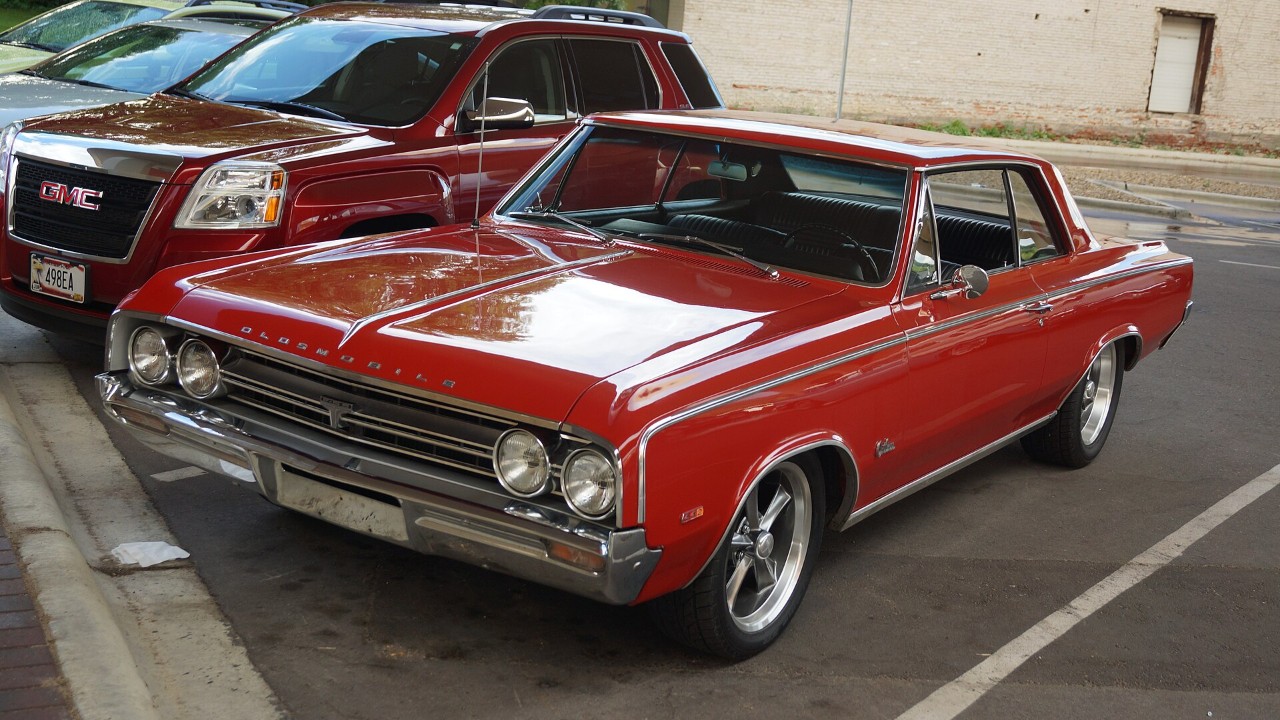
1. 1964 Oldsmobile Cutlass 4-4-2 hardtop
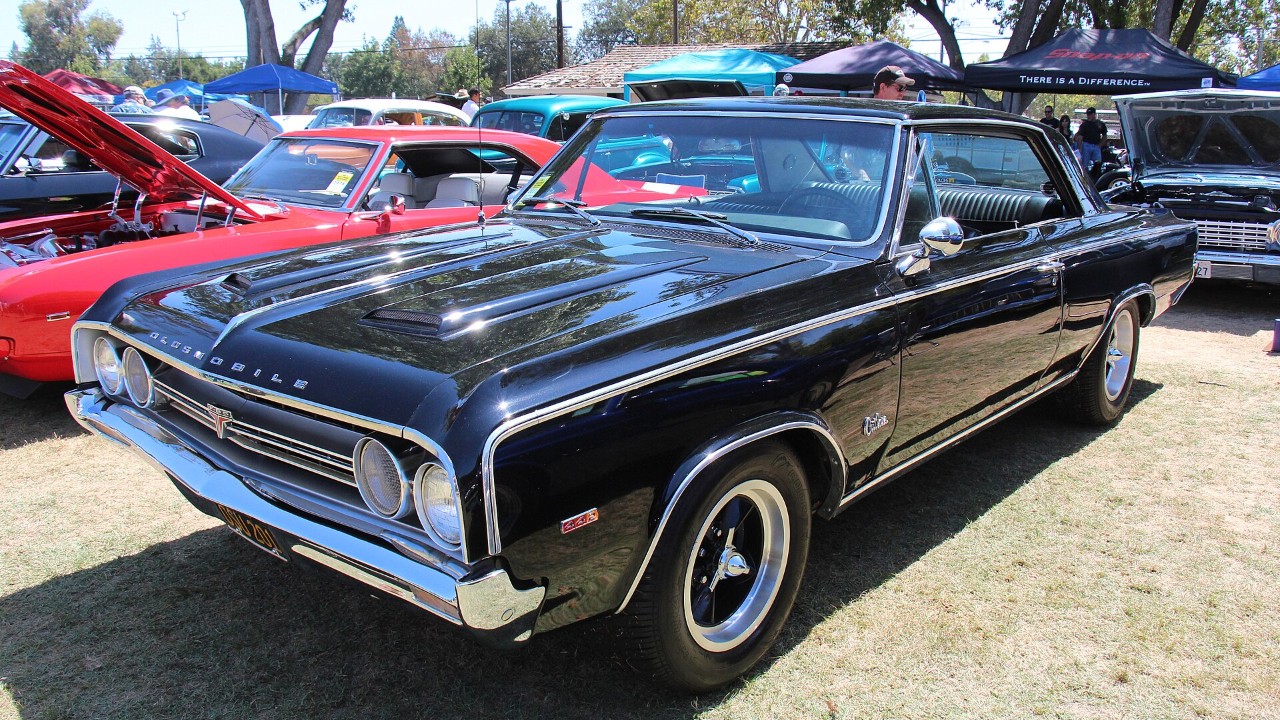
The first 4-4-2 started life as a police package. According to Hagerty’s history of the 4-4-2, Oldsmobile introduced it late in the 1964 model year, also calling it the “Police Apprehender Pursuit” option. At the time, it cost $285 on an F-85 and just $136 on a Cutlass. Back then, the name stood for a four-barrel carburetor, a four-speed manual and dual exhaust.
Under the hood sat a 330-cubic-inch V8 with a hotter cam. It made 310 hp and 355 lb-ft, 15 hp more than the base GTO engine, Hagerty notes. Even so, sales were small. Oldsmobile sold 2,999 that first year, about a tenth of the GTO’s total. Most were Cutlass hardtop coupes. Later, Motor Trend timed one at 7.5 seconds to 60 mph.
Our take: the 1964 car is the Cutlass 4-4-2 in its purest form. It had no big-block and no stripes, just a tuned small V8 and police-grade suspension. That restraint is exactly why we like it so much. We cover its odd beginnings in more depth in our piece on Oldsmobile’s first 4-4-2 police option.
2. 1969 Oldsmobile Cutlass S Holiday Coupe
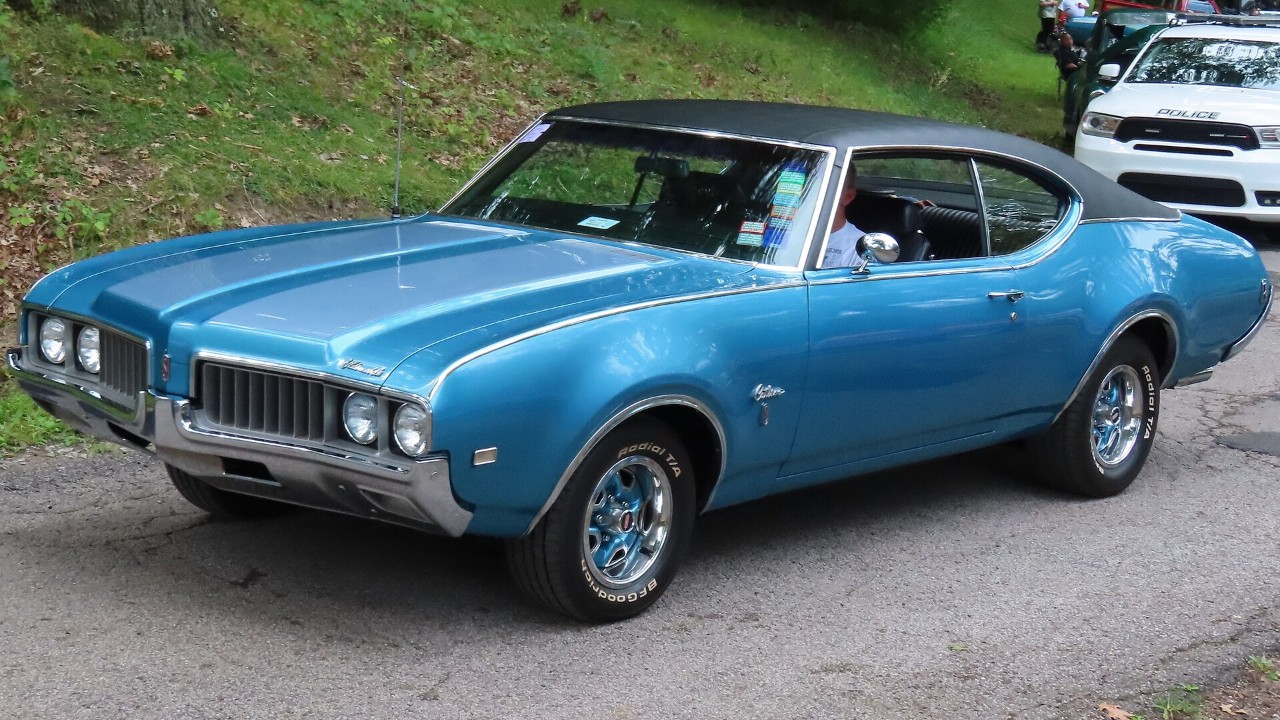
In Oldsmobile language, “Holiday” meant a pillarless hardtop. The Cutlass S Holiday Coupe rode on the A-body that GM restyled for 1968, with a 112-inch wheelbase for two-door models and a semi-fastback roofline. For 1969, the engine lineup carried over from 1968, so buyers had a choice of 350 V8s.
The standard 350 used a two-barrel carburetor. Then came a four-barrel version rated at 310 hp. At the top sat the W-31 option, conservatively rated at 325 hp, which we covered in our story on the W-31 Ram Rod 350. Also new for 1969, the three-speed Turbo Hydra-matic 350 joined the option list for every 350.
Our take: the Holiday Coupe is the Cutlass most people forget, because it sits between the base car and the 4-4-2. Yet that is what we like about it. With the right 350 and no B-pillar, it looks clean and drives with real punch. However, an unmodified, original example is the version we would hunt for, because it shows the car as Oldsmobile meant it.
3. 1970 Oldsmobile Cutlass Rallye 350
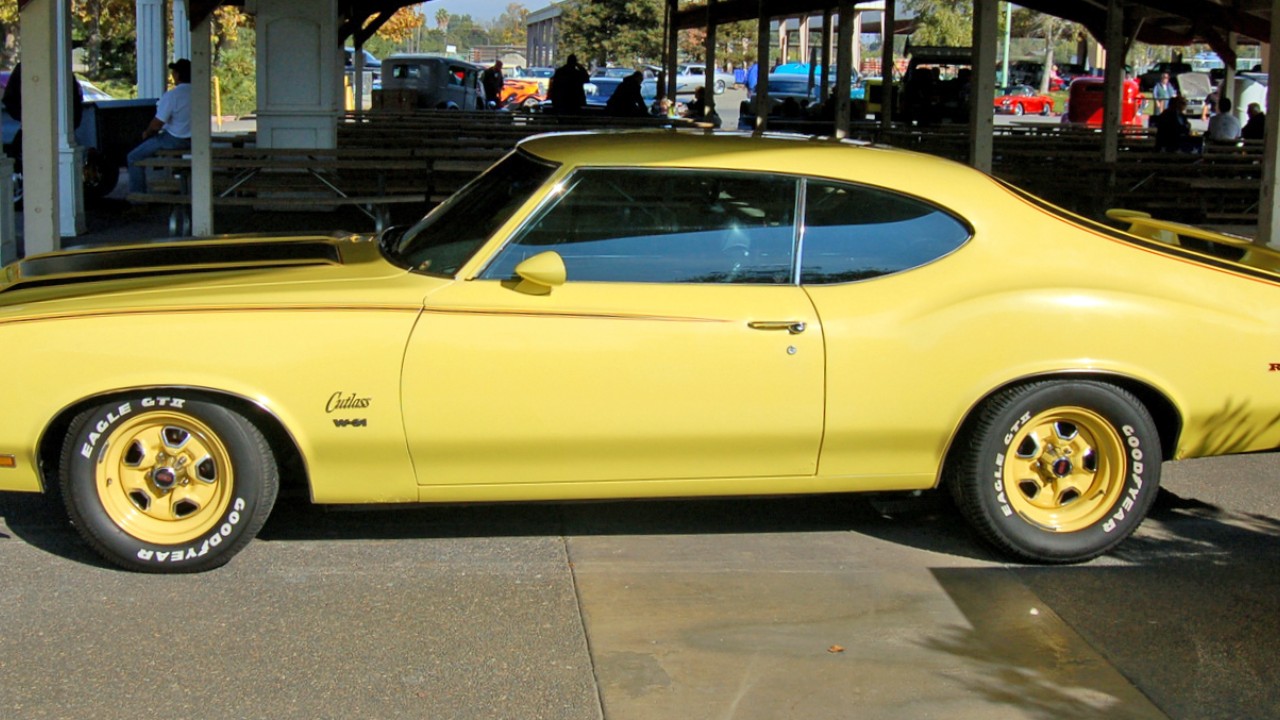
The Rallye 350 lasted one model year. Oldsmobile built it as a response to rising insurance costs on full-size muscle cars. According to Curbside Classic, it came as the W-25 package on F-85 or Cutlass coupes. At heart, the package was cosmetic, with urethane-coated bumpers in body color, a special hood, a spoiler and stripes.
Power came only from a 350 V8 rated at 310 hp. A three-speed manual came standard, while a four-speed or the THM-350 automatic cost extra. The car also undercut a 1970 Road Runner by $68. Even so, Oldsmobile built just 3,547, and some sat unsold on dealer lots into 1971. In fact, a few dealers even swapped the painted bumpers for chrome.
In our view, that slow start is also why the Rallye 350 earns a spot. Loud paint, color-matched bumpers and a one-year run make it one of the most distinctive Cutlasses ever built. Check the bumpers if you shop for one, since originals matter here.
4. 1970 Oldsmobile 4-4-2 W-30 convertible
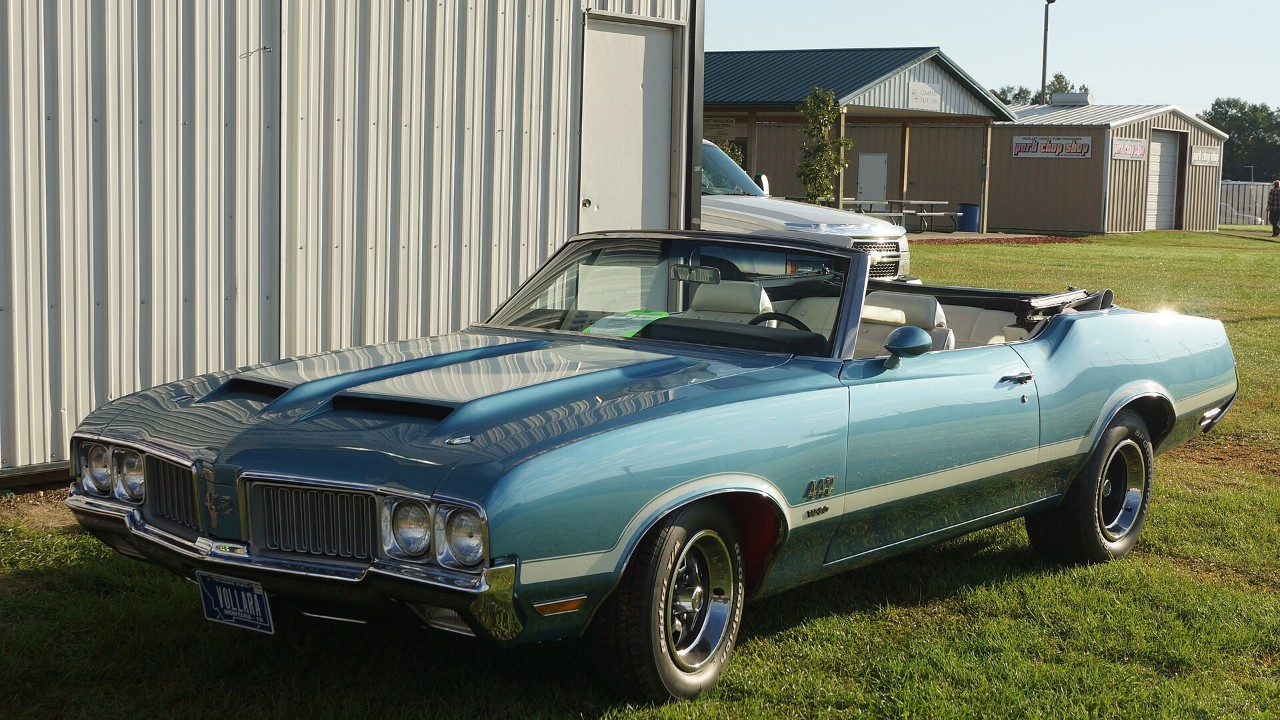
The 1970 4-4-2 came with a 455-cubic-inch V8 rated at 365 hp. On top of that, the W-30 option raised output to 370 hp. According to GM Heritage, the package added forced-air induction, an aluminum intake manifold, a fiberglass hood and lightweight body insulation. A 4-4-2 also paced the 1970 Indianapolis 500.
Now put that drivetrain in a convertible. RM Sotheby’s describes its Fort Lauderdale lot as believed to be one of just 264 W-30 convertibles for 1970. Of those, only 96 had a four-speed manual. In addition, the fiberglass hood alone saved 18 pounds, the listing adds. Finally, that car sold for $247,500 in 2022.
Our take: a big-block, open-top Cutlass with a factory performance package is about as good as this nameplate gets. As you would expect, the price reflects it. If you find one, insist on paperwork, because documentation is what backs up a price like that.
5. 1972 Oldsmobile Hurst/Olds Indy 500 Pace Car
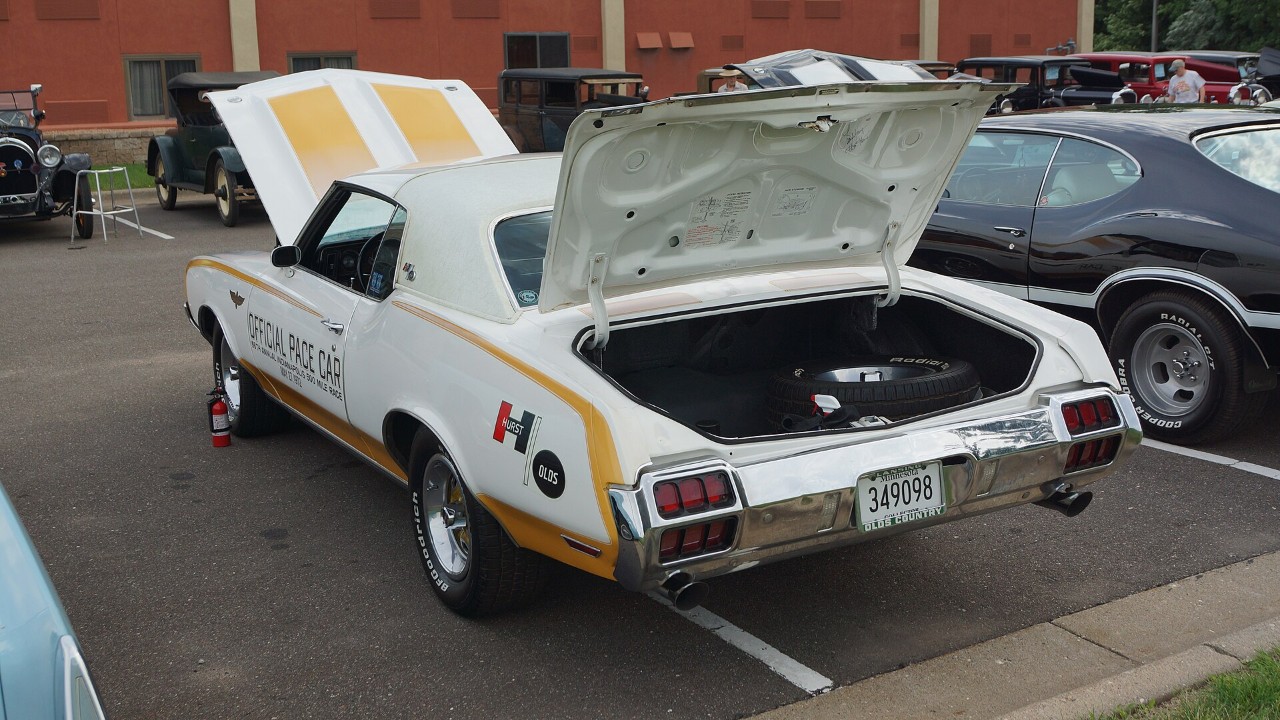
Hurst and Oldsmobile teamed up again in 1972, and the car they built paced the Indianapolis 500. As a base, it used the Cutlass Supreme Holiday coupe and the Cutlass Supreme convertible. GM Heritage lists a 455 V8 rated at 300 hp. More precisely, the W-30 version made 300 net hp, while the standard engine made 270.
Production stayed tiny, though. GM Heritage puts the 1972 Hurst Oldsmobile run at about 624 to 629 cars. Of those, 130 were convertibles, and only 10 of the convertibles carried the W30 option. Meanwhile, Oldsmobile had a long history at the Brickyard. It first paced the race in 1949 and served as pace car 11 times through 2001.
In our opinion, this is the most collectible car on the list. It combines Hurst, a 455, the Indy 500 and a production run measured in hundreds. As a result, few Cutlasses carry that much history in one package.
6. 1979 Oldsmobile Cutlass Calais Hurst/Olds W-30
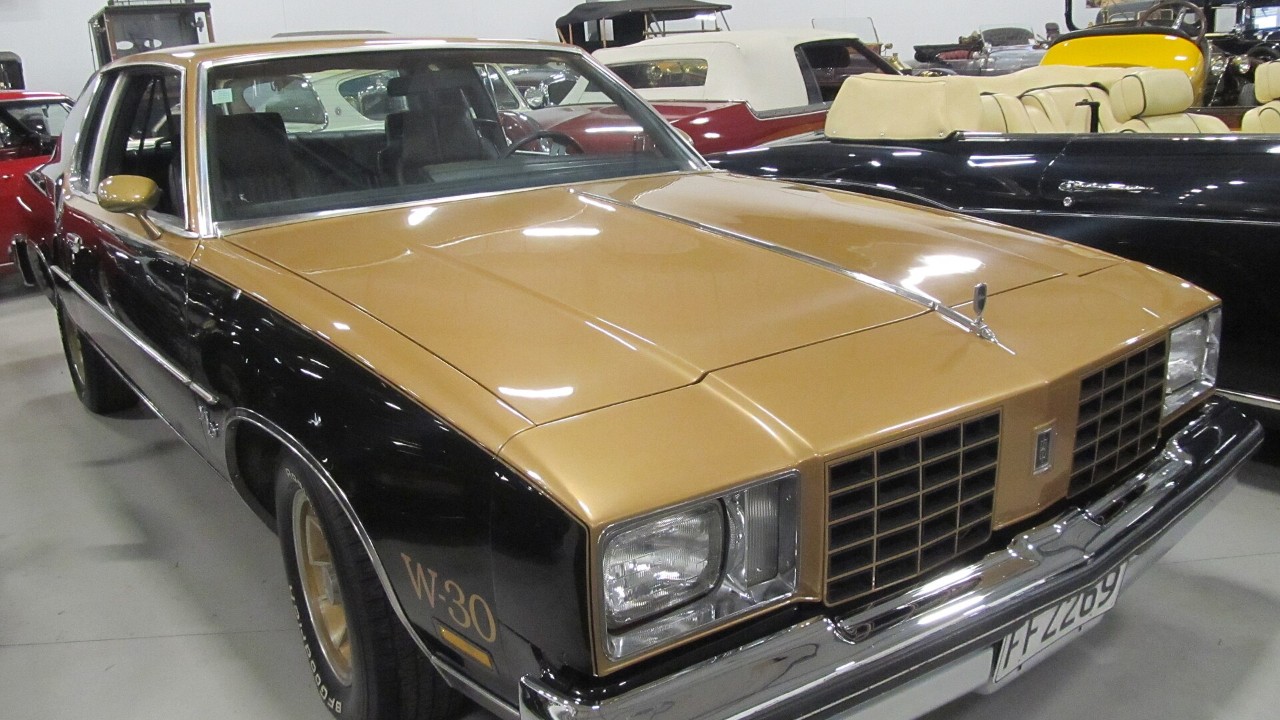
The Hurst/Olds came back for 1979 on the downsized Cutlass Calais. According to Old Cars Weekly, it used a 350-cubic-inch Oldsmobile V8 rated at 170 net hp. By comparison, most other GM cars got a 305 with 130 hp. However, a Turbo Hydra-Matic 350 was mandatory, paired with a Hurst Dual-Gate shifter in its final year.
Oldsmobile built 2,499 cars, just under the 2,500 that would have triggered extra certification. Of those, 1,334 were black and gold, and the rest were white and gold. Meanwhile, the W-30 option added $2,054 to a $5,631 base price. Also, only 537 left the factory with T-tops.
Our take: this is the Cutlass that kept the performance idea alive in the late 1970s. Gold paint and a real 350 make it one of the best-looking malaise-era cars, in our view. If you shop for one, a T-top car is the one to chase, because so few were built.
7. 1987 Oldsmobile Cutlass Supreme 442
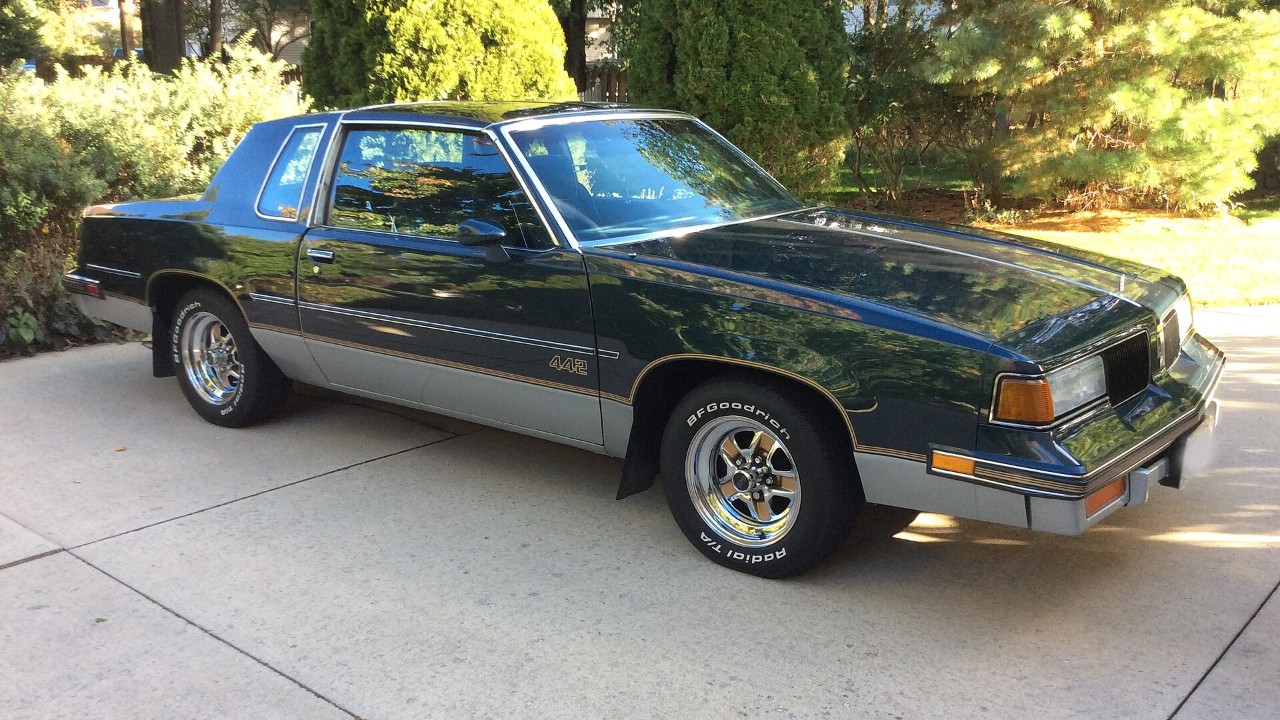
The last Cutlass Supreme-based 442 arrived in the final years of rear-wheel drive. Under the hood, the only engine was a 307-cubic-inch V8, the LG8. It made 180 hp from 1983 to 1985 and 170 hp for 1986. Oldsmobile built about 3,000 in 1985, then 4,273 in 1986 and 4,208 in 1987.
The formula was simple: a rear-drive coupe, a V8 and the 442 name. As a result, it felt like an echo of the early cars, even as Oldsmobile’s lineup changed around it. For more Cutlass picks, see our list of Cutlasses that are still relevant.
In our opinion, Oldsmobile ended this chapter well. After all, the 1987 car closed out a run that started with that 1964 police package. With fewer than 4,300 built for 1987, a clean example is worth the hunt.
More from Fast Lane Only