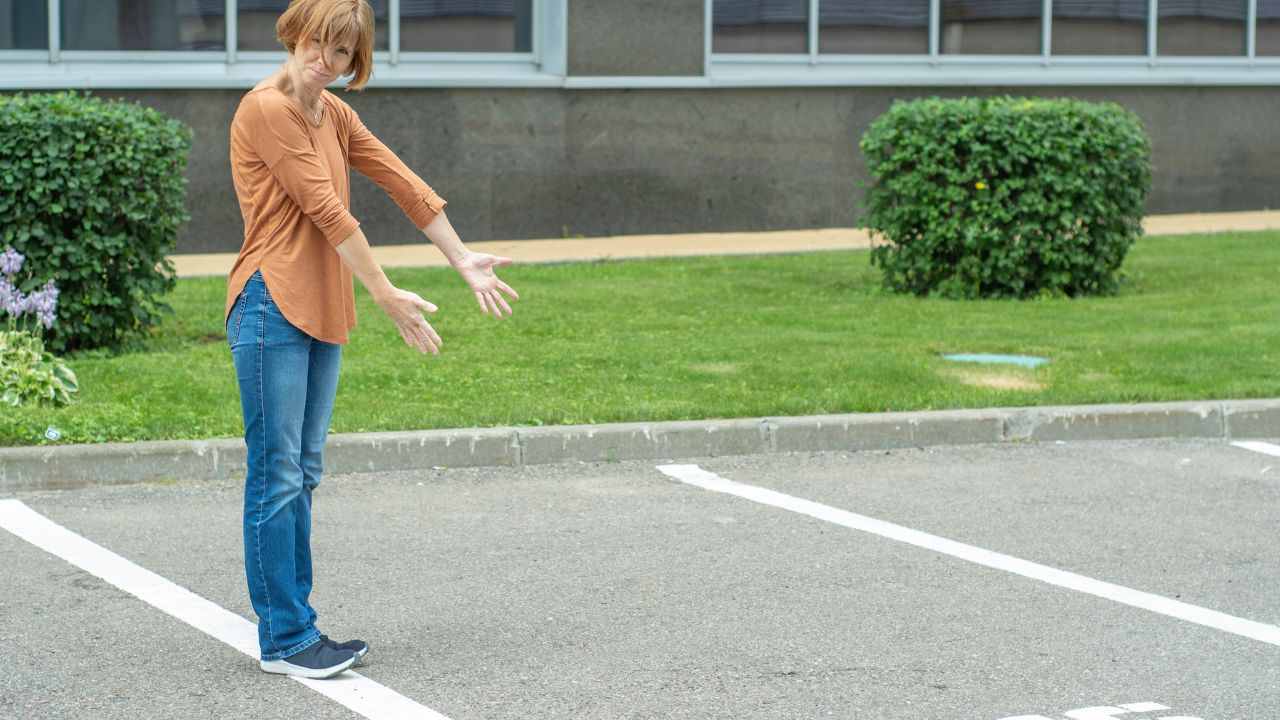
A resident of a gated apartment complex says she walked outside expecting a normal morning and got the kind of surprise that makes your stomach drop: her car was gone. Not stolen, she soon learned—towed. The part that’s turning heads, though, is her claim that her parking permit was “right there,” clearly visible, exactly where the complex requires it.
Now she’s stuck juggling tow fees, phone calls, and a whole lot of “How did this even happen?” while neighbors swap similar stories in the group chat. It’s the kind of situation that feels small at first—one car, one spot—until you realize how quickly it can turn into a headache for anyone who parks where rules are strict and mistakes are expensive.
“It was my spot, my permit, and my car still got taken”
The owner, who asked to be identified only as Mary, said she’s lived in the complex for more than a year and has always used the same assigned space. She described her permit as a bright, easy-to-see tag placed according to the property’s guidelines. “I’m not the gal trying to sneak into visitor parking,” she joked, adding that she’s meticulous because towing is a known issue in the area.
Mary said she noticed the tow happened overnight, between the time she parked after work and the time she left the next morning. When she called the property’s after-hours line, she says she was directed to a towing company contracted by the complex. “They told me it was towed for not displaying a valid permit,” she said. “I just kept thinking, ‘But it is displaying. It’s right there.’”
The complex’s rules: clear on paper, messy in real life
Like many apartment communities, the complex has posted signs warning unauthorized vehicles will be towed at the owner’s expense. Residents are typically assigned spaces, and permits are meant to help tow operators quickly confirm who belongs where. On paper, it sounds simple: have a permit, park correctly, don’t get towed.
In practice, residents say it can get confusing fast. Permits fade, fall, or get replaced, and different tow drivers may interpret the same rule differently—especially at night with a flashlight and a long list of cars to check. Mary insists her permit wasn’t expired and hadn’t moved. “If they looked, they would’ve seen it,” she said.
A towing company response: “We follow the property’s authorization”
When contacted, a representative for the towing company said they operate based on authorization from the property and enforce the rules as provided. While they didn’t address Mary’s case specifically without an invoice number, they said disputes typically come down to what the driver documented at the time of tow. Many companies take photos before hooking up a vehicle, especially in private-lot situations.
That’s where Mary says things get tricky. She claims she asked for proof and was told the photos showed no visible permit—something she strongly disagrees with. “If the photo doesn’t show it, then either they didn’t take the photo from the right angle or something happened after,” she said. “It feels like trying to argue with a receipt printer.”
The price of getting your car back, even if you’re right
Mary said the biggest sting wasn’t just the tow itself, but the rapid pile-up of fees. Between the towing charge, a storage fee, and the time-sensitive nature of retrieving a vehicle, she felt pressured to pay first and ask questions later. That’s a common complaint in towing disputes: you often need your car back immediately, even while the disagreement is still unfolding.
She said she paid to release the car so she could get to work, then started collecting documentation afterward. She took photos of the permit in place, snapped pictures of the signage near her building, and saved screenshots of her resident portal showing her assigned spot. “I’m basically building a tiny courtroom in my camera roll,” she said.
Neighbors say it’s not the first time
After Mary shared what happened, other residents told her they’d had close calls or similar experiences. One neighbor said a guest was towed even though they’d registered the license plate with the front office earlier that day. Another said their car was nearly towed because their permit slid slightly behind a tinted portion of the windshield.
It’s hard to verify every story, but the pattern residents describe is familiar: strict enforcement plus inconsistent interpretation can create a lot of accidental “violations.” And when a tow truck is involved, there’s not much room for a friendly correction. You don’t get a warning note; you get an empty parking space.
What documentation matters most in a permit dispute
Consumer advocates say the most helpful evidence usually falls into a few buckets: photos, timestamps, and written policies. If a permit must be placed in a certain corner of the windshield, take a photo of it in that exact position—ideally wide enough to show the whole car and the surrounding context. It also helps to photograph the posted towing signs and any relevant parking spot markings or numbers.
Written communication can be even stronger. Emails or portal messages confirming your assigned space, your permit number, or your vehicle registration can help clarify whether the tow was authorized appropriately. If you wind up disputing charges, a calm, organized timeline tends to go further than a furious phone call, even if the furious phone call is emotionally correct.
What Mary is asking for now
Mary says she’s requesting reimbursement of the towing and storage fees, arguing the tow was improper. She also wants the complex to review how tow authorizations are handled and whether residents can be notified before a tow in borderline cases. “If I’m in the wrong, fine,” she said. “But if I’m right, I shouldn’t have to pay a few hundred bucks for someone else’s mistake.”
She’s filed a complaint with property management and says she’s considering additional steps if the dispute isn’t resolved. Those steps can vary depending on local rules, but they often include requesting a hearing (where available), contacting a city consumer protection office, or pursuing reimbursement through small claims court. Mary said she hopes it doesn’t come to that. “I’d rather spend my weekend doing literally anything else,” she said.
A small problem that taps into a bigger frustration
Towing disputes tend to spark strong reactions because they hit people where life is most fragile: time, money, and mobility. A car isn’t just a vehicle—it’s how you get to work, pick up your kid, buy groceries, and keep appointments. Losing it unexpectedly, even for a day, can ripple into missed shifts and late fees that don’t show up on the towing receipt.
For Mary, the most maddening part is the simplicity of her claim. She didn’t park in a fire lane. She didn’t borrow someone else’s space. She says she followed the rules—and still ended up hunting down her own car like it was playing hide-and-seek with a tow yard.
Whether the photos ultimately back her up may decide how this particular dispute ends. But her experience is already prompting residents to double-check permits, take fresh pictures for their records, and maybe—just maybe—park with the kind of caution usually reserved for parallel parking in front of an audience.
More from Fast Lane Only