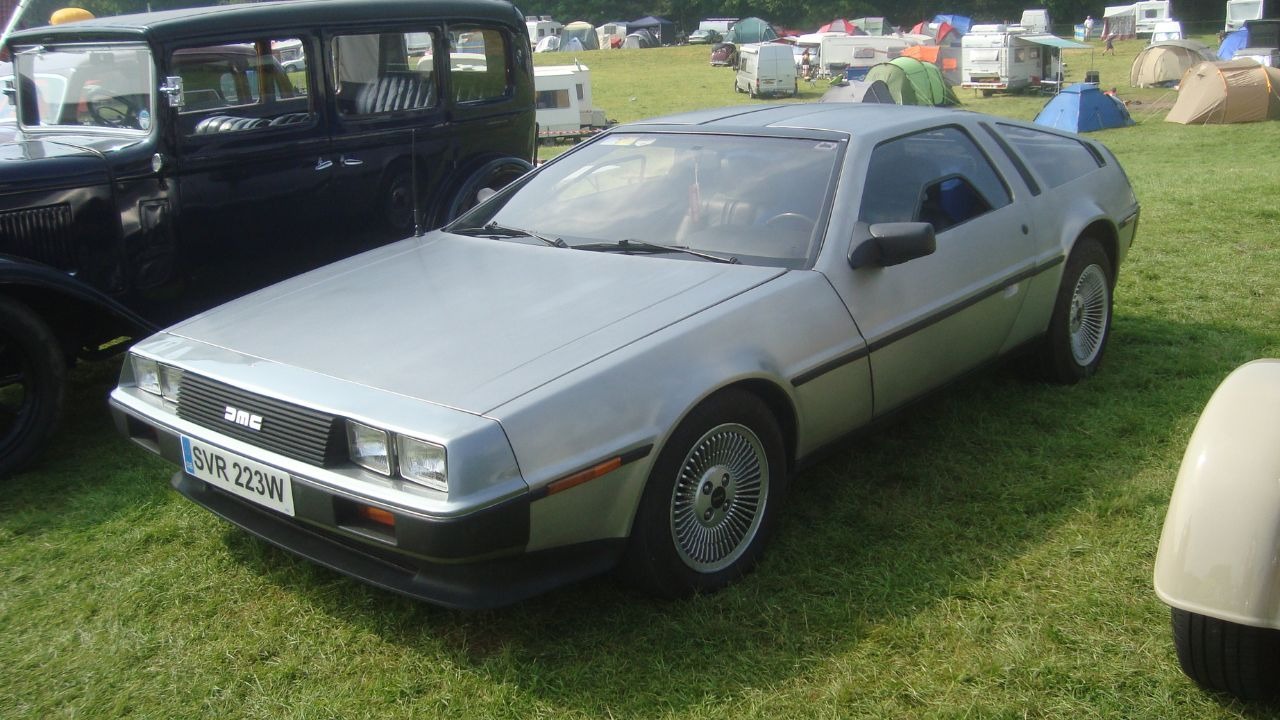
Buying a 1981 DeLorean DMC-12 sounds like a simple premise: you get stainless steel, gullwing doors, and one of the most recognizable silhouettes of the late 20th century. Then reality sets in—parts sourcing, specialized knowledge, and the quirks of a low-volume car built during a turbulent moment. A lot of owners quickly learn that keeping one on the road is less a solo hobby and more a social one.
Why the DeLorean tends to pull owners into groups
The DMC-12 wasn’t produced for long, and even when new it was a bit of an outlier: a stainless-bodied sports car with unique hardware and a layout that doesn’t share much with mainstream American cars of the era. That means many repairs don’t start with a quick trip to the local parts counter or a generalist shop that’s seen ten of them before. You can do plenty yourself, but it’s a lot easier when you’ve got someone to call who’s already fought the same battle.
It’s also a car where small adjustments matter—door alignment, latch behavior, and the way the torsion bars and gas struts work together can make the difference between a door that feels “right” and one that becomes a constant project. Owners who’ve been around the platform often have practical, hard-won tricks that aren’t obvious from a generic service manual. That kind of knowledge naturally spreads through meetups, club forums, and “let me show you” garage sessions.
The role of specialists and regional networks
DeLorean ownership has long benefited from a relatively tight ecosystem of dedicated vendors and marque specialists. Even if you do your own wrenching, you’ll eventually need parts or services that are DeLorean-specific: items tied to the stainless body, interior trim pieces, door components, and the unique mix of period electronics and switches. Owners swap recommendations on which suppliers have the best reproduction parts, which original components are worth refurbishing, and which updates are sensible for a driver.
Regional networks often form because having a nearby expert is a big deal. Not every mechanic is comfortable diagnosing an older PRV V6 setup or dealing with aging fuel system components on a car that may have spent time sitting. It’s common for owners to plan service around known DeLorean-capable shops, and those hubs naturally become gathering points where local owners trade advice, parts, and encouragement.
Door talk: the quickest way to start a conversation
Few cars have a “shared experience” as instantly recognizable as a DeLorean’s doors. People will ask about them at gas stations, but owners also end up talking to each other about them constantly because the doors are equal parts signature feature and ongoing maintenance topic. Aligning them properly, keeping weather seals happy, and maintaining consistent door effort isn’t mysterious, but it’s specialized, and it rewards technique.
That’s where community becomes practical. Owners compare notes on strut choices, the feel of different setups, and how to interpret subtle changes—like a door that starts to “float” differently at the top of its travel. Someone who’s done a torsion bar adjustment safely and correctly becomes an invaluable resource, not because it’s impossible to learn, but because it’s the kind of job you’d rather do with guidance the first time.
Parts swapping, small-batch fixes, and the culture of keeping cars alive
With many classic cars, reproduction parts are a huge industry. With the DeLorean, you’re often dealing with a mix: some items are reproduced, some are refurbished originals, and some solutions come from small batches made for the community. That dynamic encourages owners to communicate—when a run of a specific component becomes available, word travels fast, and group buys or coordinated orders can make sense for hard-to-find pieces.
There’s also a strong “document it for the next person” mindset. Owners commonly share what worked, what didn’t, and what they’d do differently, because they know another DMC-12 is likely to face the same issue eventually. Over time, that creates a living body of knowledge: troubleshooting threads, repair photos, and step-by-step guides that help keep cars driving rather than turning into static display pieces.
Events, clubs, and why the DeLorean is a social car even when it’s parked
DeLoreans attract attention everywhere, but organized events change the vibe from “spectacle” to “conversation.” At shows, owners can talk to people who already understand the car’s design choices, its production-era context, and the reality of running one today. That makes the ownership experience feel less like you’re fielding the same movie references and more like you’re sharing a niche interest with people who get the details.
Clubs and gatherings also help owners stay motivated. A DeLorean can be a long-term project, and progress sometimes comes in small wins: sorting a rough idle, dialing in door fit, tracking down an interior piece, or resolving an electrical gremlin. Seeing other cars at different stages—daily drivers, restorations, sympathetically preserved examples—helps set realistic expectations and provides a roadmap for what’s achievable.
How community shapes the “right” way to own one
One of the more surprising parts of DeLorean ownership is that the community often influences how you define success. For some, it’s originality and careful preservation; for others, it’s drivability upgrades that make the car easier to live with. Because owners talk openly about their choices, you end up with a broader view of the platform—what’s period-correct, what’s reversible, and what changes genuinely improve reliability without undermining the car’s character.
That shared perspective can prevent common missteps, too. Instead of chasing guesses, new owners can learn the typical failure points for a car that’s decades old and often stored seasonally. The result is a car that’s more likely to be driven and enjoyed, backed by a network of people who’ve already learned that a 1981 DeLorean DMC-12 isn’t just a vehicle purchase—it’s entry into a surprisingly helpful, hands-on community.