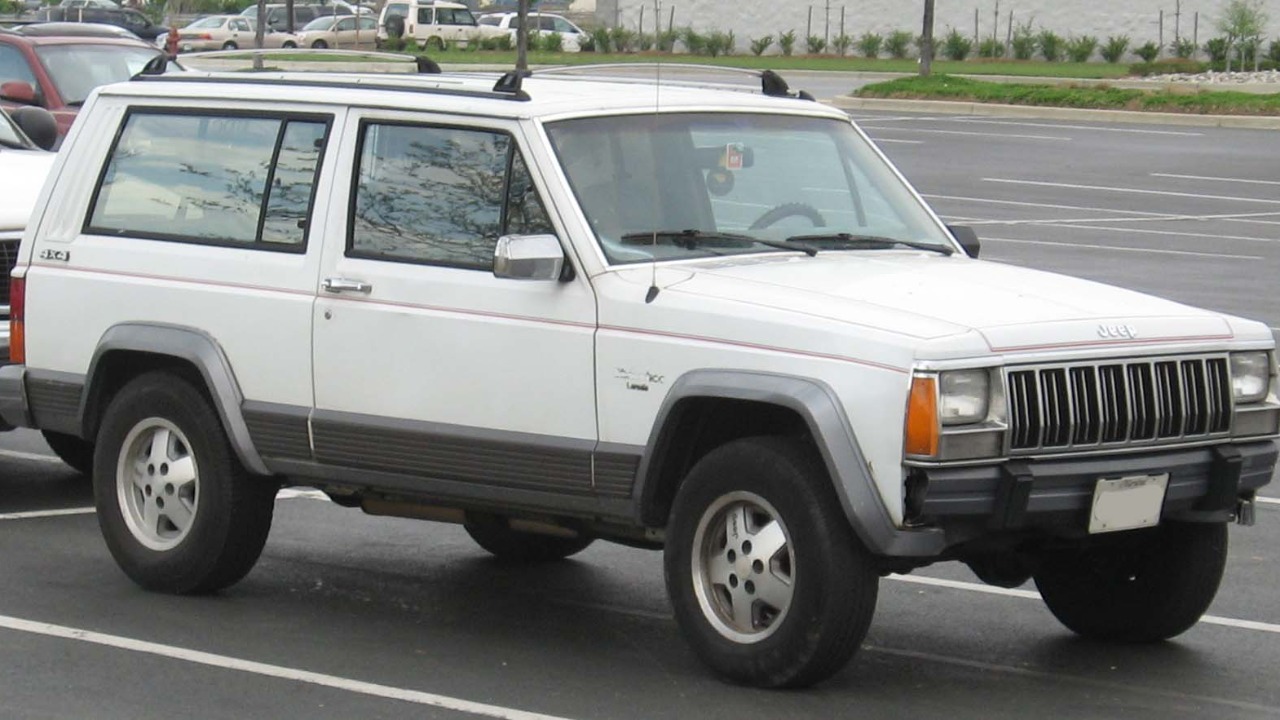
On an early XJ Cherokee, it’s common to see owners sort out cooling and electrical concerns before they chase cosmetic projects or bolt-on upgrades. That order makes sense: these Jeeps are simple and durable, but age, heat, and previous “creative” repairs can stack the deck against a comfortable, reliable driver. Start with the basics, verify what you actually have, and the rest of the vehicle becomes a lot easier to live with.
Cooling system: fix the fundamentals before chasing symptoms
The 1984 Cherokee could be found with different engines depending on trim and market, and each has its own quirks, but the cooling system strategy is similar across the board. Begin with a careful visual inspection for crusty hose ends, damp seams on the radiator, and residue around the water pump and thermostat housing. On a vehicle this old, a “works most of the time” cooling system is usually one heat soak away from becoming an overheating problem.
Don’t overlook the radiator cap and the condition of the overflow/pressure bottle and hose routing. A weak cap can let coolant boil at a lower temperature, and brittle hoses can suck air back in as the system cools. If you’re dealing with unknown maintenance history, it’s reasonable to replace aged hoses, clamps, and the thermostat with quality parts and then refill with the correct mix after a thorough flush.
Fans, shrouds, and airflow: the overlooked half of cooling
A surprising number of “overheating” complaints come down to airflow rather than coolant flow. Make sure the fan shroud is present and properly positioned; it’s not just a piece of plastic, it’s what forces the fan to pull air through the radiator core instead of around it. If the Jeep has a mechanical fan, check that the fan clutch isn’t freewheeling when it should be pulling air, especially when the engine is hot.
If there’s an auxiliary electric fan, confirm it actually cycles on when expected and that it isn’t wired in a way that bypasses normal control logic. Previous owners sometimes add manual switches or patch in relays, which can work for a while but often leaves a system that behaves inconsistently. Also check for packed debris between the A/C condenser (if equipped) and the radiator, since leaves and dirt can block airflow in a way that’s hard to see from the front.
Electrical basics: grounds, charging health, and old connectors
On 1980s vehicles, electrical issues are often less about “bad computers” and more about voltage drop and tired connections. Start by cleaning and tightening battery terminals, then move on to engine-to-body and battery-to-engine grounds. A marginal ground can mimic all kinds of problems, from hard starts to dim lights to weird gauge behavior.
Next, verify charging system operation with a multimeter rather than relying on the dash gauge alone. Alternators and external connections age, and a charging system that’s only barely keeping up can create intermittent ignition and accessory issues. While you’re under the hood, inspect connectors for green corrosion, heat damage, and brittle plastic locking tabs—common realities on an XJ that’s been through decades of heat cycles.
Ignition and fuel delivery: electrical troubleshooting that pays off fast
Once the basics are solid, the next “electrical” layer is the ignition side: plugs, wires, cap, and rotor on distributor-equipped setups. Even if the Jeep runs, worn secondary ignition parts can show up as stumble under load, hard starts when damp, or a general lack of crisp throttle response. Using good-quality components and routing plug wires neatly away from hot or sharp surfaces helps long-term reliability.
Fuel delivery checks fit here, too, because a weak fuel pump or restricted filter can feel like an ignition misfire. If the vehicle has sat, stale fuel and varnish can complicate diagnosis, so it’s worth confirming fuel pressure (if you have the equipment) and looking for cracked vacuum lines that can lean out the mixture. Many driveability complaints on old rigs end up being a few small issues stacked together rather than one dramatic failure.
How cooling and electrical problems overlap on an old Cherokee
Cooling and electrical systems don’t live in separate worlds. Poor charging or bad grounds can keep an electric fan from running at full speed, and hacked wiring can cause fans to run constantly or not at all. On the other side, chronic overheating accelerates the aging of wiring insulation, connectors, sensors, and under-hood plastic parts, making electrical gremlins more likely over time.
That’s why it’s smart to diagnose with an eye toward root causes. If a Jeep runs hot only in traffic, you think airflow and fan control; if it runs hot at speed, you look harder at radiator efficiency, coolant flow, and restrictions. If gauges read strangely, verify engine temperature with an external method before you condemn parts—bad grounds and aging sending units can skew readings and send you down the wrong path.
Handled in a calm, methodical way, these two systems set the tone for the whole build. Once cooling is stable and the electrical foundation is clean and predictable, you can move on to suspension, brakes, and comfort upgrades without worrying that a summer commute or a rainy night drive will turn into a troubleshooting session on the shoulder.