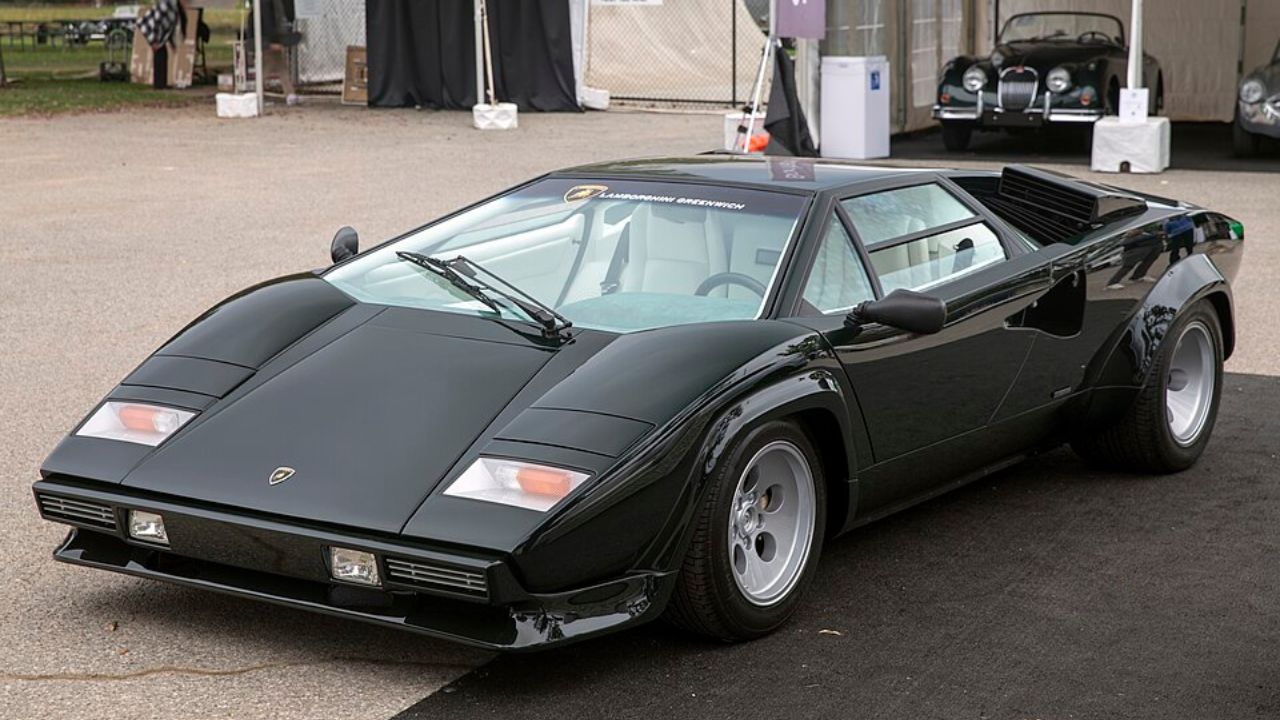
Buying a 1986 Lamborghini Countach is a little like buying into a piece of 1980s engineering culture. It’s dramatic, loud, and raw, but it also comes from an era when low-volume exotics were built with hand-assembled quirks and solutions that aren’t always obvious until you start living with the car. Many owners learn quickly that the Countach doesn’t just reward maintenance—it expects it.
Why the 1986 Countach is a different kind of “classic”
By 1986, the Countach had evolved a long way from the early LP400 cars, but it was still a largely hand-built Italian exotic with the compromises that come with that territory. The driving experience is intentionally mechanical: a high-strung V12, lots of heat and noise, and a chassis that feels like it was designed around the engine first and the humans second. Those same traits that make it special also mean small issues don’t tend to fix themselves.
It also helps to remember the context: Lamborghini in the 1980s was a small manufacturer with limited parts standardization compared to mass-market brands. That doesn’t mean the Countach is fragile, but it does mean that age, storage habits, and prior workmanship matter even more than mileage. A well-maintained example can be surprisingly dependable for what it is, while a neglected one can become a constant project.
Rubber, heat, and time: the real enemies
Even when a Countach isn’t driven much, time still works on it. Rubber hoses, seals, and gaskets harden with age, and the engine bay’s heat cycles accelerate that process. Owners often find that cooling-system hoses, fuel lines, and various O-rings become “maintenance items” simply because the materials are decades old.
Heat management is part of the car’s personality, too. The mid-mounted V12 and tightly packaged bodywork create a hot environment that’s tough on wiring insulation, connectors, and anything made from rubber or plastic. A car that’s been parked for long stretches can develop its own set of problems—sticking components, dried seals, and varnish in fuel-related parts—so careful recommissioning is often smarter than trying to “just start it and see.”
Carburetors (on many cars) and the art of keeping them happy
Many Countachs of the era used multi-carb setups, which are part of the car’s charm and also part of the upkeep. Multiple carburetors mean multiple opportunities for drift in balance and adjustment, especially if the car sits or sees big temperature swings. When they’re right, the response and sound are unforgettable; when they’re off, the car can run rough, smell fuel-rich, or be stubborn about hot starts.
Keeping a carbureted Countach content is often about basics done meticulously: fresh fuel, clean filters, correct float levels, and careful synchronization by someone who understands the model. Vacuum leaks from aging hoses or gaskets can mimic more serious issues, so diagnosis can be as much patience as it is parts replacement. Owners who drive their cars regularly—and keep the fuel system clean—often report fewer carb-related headaches than those who store the car for long periods.
Clutch feel, shifting technique, and the “ownership learning curve”
The Countach’s controls demand a bit of recalibration if you’re used to modern sports cars. The clutch can feel heavy, the shifter can be deliberate, and the whole drivetrain likes to be treated with mechanical sympathy. Cold gear oil and tight tolerances can make early miles feel notchy until everything is up to temperature, and that’s normal in the context of 1980s exotic design.
Because access and labor are a big part of maintenance cost on cars like this, preventing wear matters. Smooth engagement, avoiding rushed shifts when cold, and keeping fluids fresh can help the car feel better and reduce the odds of turning a minor drivability complaint into a larger job. Owners often discover that “maintenance” includes developing the right habits, not just writing checks.
Electrical gremlins: more nuisance than mystery
Electrical issues on older Italian exotics have a reputation, and the Countach can certainly deliver the occasional head-scratcher. Many problems come down to age: oxidized grounds, tired relays, corroded connectors, and wiring that has lived near heat for decades. The good news is that a lot of these faults are fixable with careful cleaning, proper inspection, and methodical troubleshooting rather than exotic parts.
What catches new owners off guard is how a small electrical weakness can cascade into weird symptoms—intermittent lighting, finicky accessories, or inconsistent starting behavior. A preventative approach helps: verifying grounds, protecting connectors, and ensuring the charging system is healthy. When the car’s electrics are brought back to a solid baseline, it usually becomes far less temperamental day to day.
Parts, specialists, and the value of correct workmanship
A major part of Countach maintenance is simply knowing where to go and who to trust. Parts sourcing can involve specialty suppliers and the kind of research that’s normal for low-production classics. Even when parts are available, quality can vary, so many owners prefer proven sources and keep records of what was installed and when.
Equally important is choosing a shop—or an individual technician—who truly knows the Countach. Correct routing of hoses, proper setup of linkages, careful torque practices, and attention to heat shielding can make the difference between a car that feels sorted and one that’s always chasing the next small issue. Owners often discover that the most expensive path is repeating the same job twice because it was done “close enough” the first time.
For many 1986 Countach owners, maintenance becomes part of the bond rather than a constant frustration. The car responds well to being kept in tune, driven thoughtfully, and serviced proactively, and it tends to reward that effort with a uniquely analog experience that modern cars can’t replicate. If you go in expecting occasional wrench time and a bit of old-school personality, the Countach’s needs start to feel less like surprises and more like the routine of preserving something genuinely special.