The Dodge Super Bee, with its bold design and powerful performance, has captured the hearts of muscle car enthusiasts for decades. Among its various iterations, one particular factory build stands out as the rarest, making it a coveted piece of automotive history. The mystique surrounding this vehicle not only stems from its engineering but also from the stories and passion that collectors bring to its legacy.
History of the Dodge Super Bee
The Dodge Super Bee was first introduced in 1968 as a response to the growing demand for high-performance muscle cars that could deliver both speed and style. Positioned as a more affordable alternative to the Plymouth Road Runner, the Super Bee was part of Dodge’s Coronet lineup and quickly made a name for itself on the streets and racetracks. Featuring a sleek design, aggressive stance, and a variety of powerful engine options, the Super Bee was designed to appeal to the youthful, performance-oriented demographic of the time.
From its inception, the Super Bee boasted impressive specifications that included a standard 383 cubic-inch V8 engine, with optional upgrades to the 426 HEMI and the 440 cubic-inch V8. The bold styling featured a distinctive “bee” logo on the rear quarter panel, racing stripes, and a muscular body that emphasized its performance capabilities. As the late 1960s progressed, the Super Bee became synonymous with the muscle car culture that was sweeping the nation, making appearances in films and television shows, and even dominating the drag racing scene.
What Makes This Super Bee the Rarest?
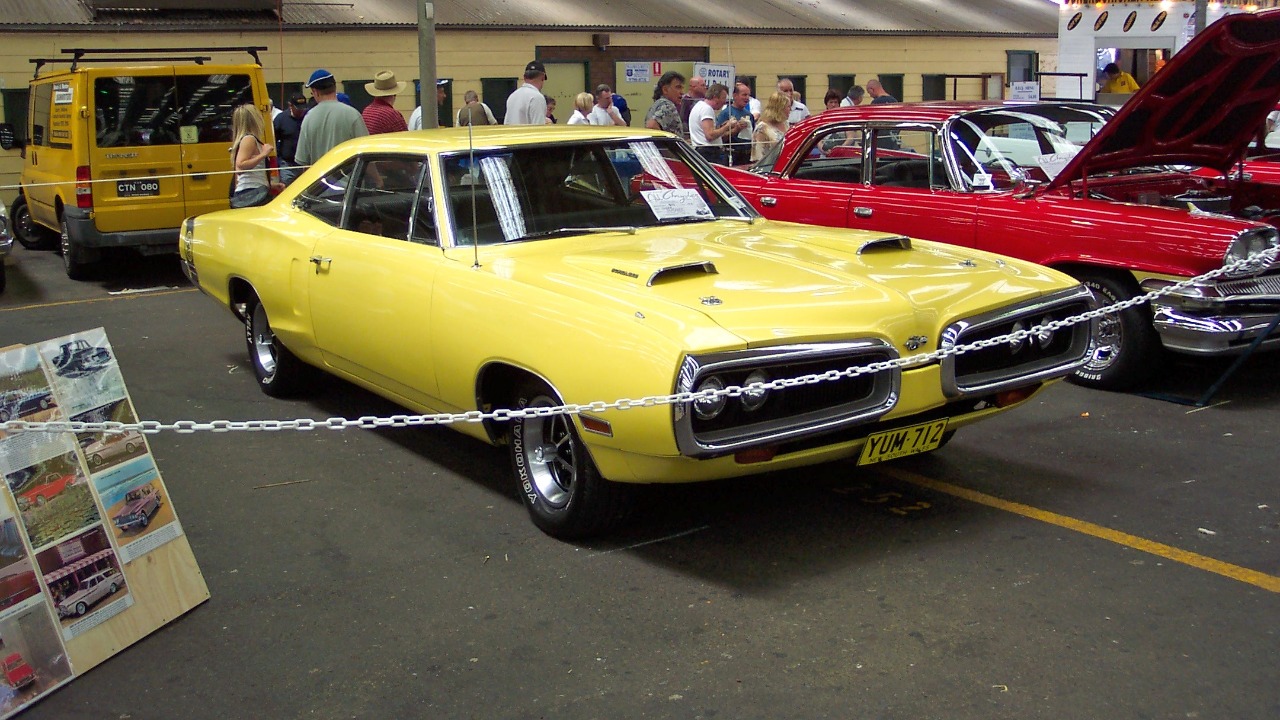
When discussing the rarest factory build of the Dodge Super Bee, enthusiasts often refer to the 1970 model equipped with the highly coveted 426 HEMI engine. Only 70 of these unique vehicles were produced, making it an extremely rare find among collectors today. The combination of the HEMI engine—known for its immense power and performance—and the Super Bee’s lightweight construction resulted in a high-performance vehicle that was not only quick off the line but also agile on the road.
In contrast to other models of the Super Bee, such as the 1969 model year which saw significantly higher production numbers—over 20,000 units—the 1970 HEMI Super Bee stands out due to its limited availability and specialized features. Other variants, while still celebrated, simply cannot match the exclusivity that comes with this particular build. Factors that contribute to its rarity include not just the low production numbers but also the vehicle’s appeal to a niche market that appreciated its performance capabilities over standard features, leading many of these cars to be driven hard, thus reducing their survival rates.
Collector Interest and Market Value
The market for rare Dodge Super Bees has been on the rise, driven by the increasing interest in classic muscle cars, especially those with unique specifications. Auction prices for the rare 1970 HEMI Super Bee have soared in recent years, with some models fetching upwards of $200,000 at high-profile auctions such as Barrett-Jackson and Mecum. This trend reflects not only their rarity but also the nostalgia and emotional connection many have with the muscle car era.
Several factors influence the value of this specific model. Condition is paramount; a well-preserved vehicle with original parts and documentation can command a premium price. Provenance, or the history of ownership, also plays a critical role. For instance, a Super Bee previously owned by a famous racer or featured in a notable film can elevate its market value significantly. Collectors often share stories of their passion for these vehicles, detailing restoration projects where they have sought out rare parts or even fabricated them to maintain authenticity, underscoring the dedication many enthusiasts have towards preserving automotive history.
Restoration and Preservation Challenges
Restoring a rare Dodge Super Bee is not without its challenges. One of the most significant hurdles is sourcing original parts. Given the limited production numbers, many components can be hard to find, forcing owners to either resort to aftermarket alternatives or custom fabrications. This dilemma often raises the question of originality versus performance; while some owners prioritize keeping the vehicle true to its factory specifications, others may choose to upgrade certain aspects for improved drivability, which can detract from its historical value.
Expertise plays a crucial role in the restoration process. Not every mechanic is familiar with classic muscle cars, especially those with unique builds like the HEMI Super Bee. Owners often have to reach out to specialized restorers who have experience working on such vehicles to ensure that the work performed honors the car’s history. Success stories abound, illustrating how dedicated owners have managed to breathe new life into these classic machines, showcasing not only their commitment but also the growing community around the Dodge Super Bee that champions its legacy.
The Future of the Dodge Super Bee
As the automotive landscape evolves, the future of the Dodge Super Bee remains a topic of speculation, particularly among younger generations who may not have been exposed to the classic muscle car culture. However, there is a renewed interest in vintage cars as younger enthusiasts seek to connect with the past. Events such as the Muscle Car and Corvette Nationals and various local car shows provide platforms for showcasing these vehicles, fostering a sense of community and appreciation for automotive history.
The shift towards electric vehicles presents both challenges and opportunities for the legacy of classic muscle cars. While some may argue that the rise of electric performance vehicles could overshadow traditional muscle cars, there is an enduring allure to the raw power and mechanical charm of a Dodge Super Bee that electric cars struggle to replicate. As long as there are collectors and enthusiasts passionate about preserving these icons, the Dodge Super Bee will continue to hold a special place in automotive history.
More from Fast Lane Only
- Unboxing the WWII Jeep in a Crate
- 15 rare Chevys collectors are quietly buying
- 10 underrated V8s still worth hunting down
- Police notice this before you even roll window down
*Research for this article included AI assistance, with all final content reviewed by human editors.