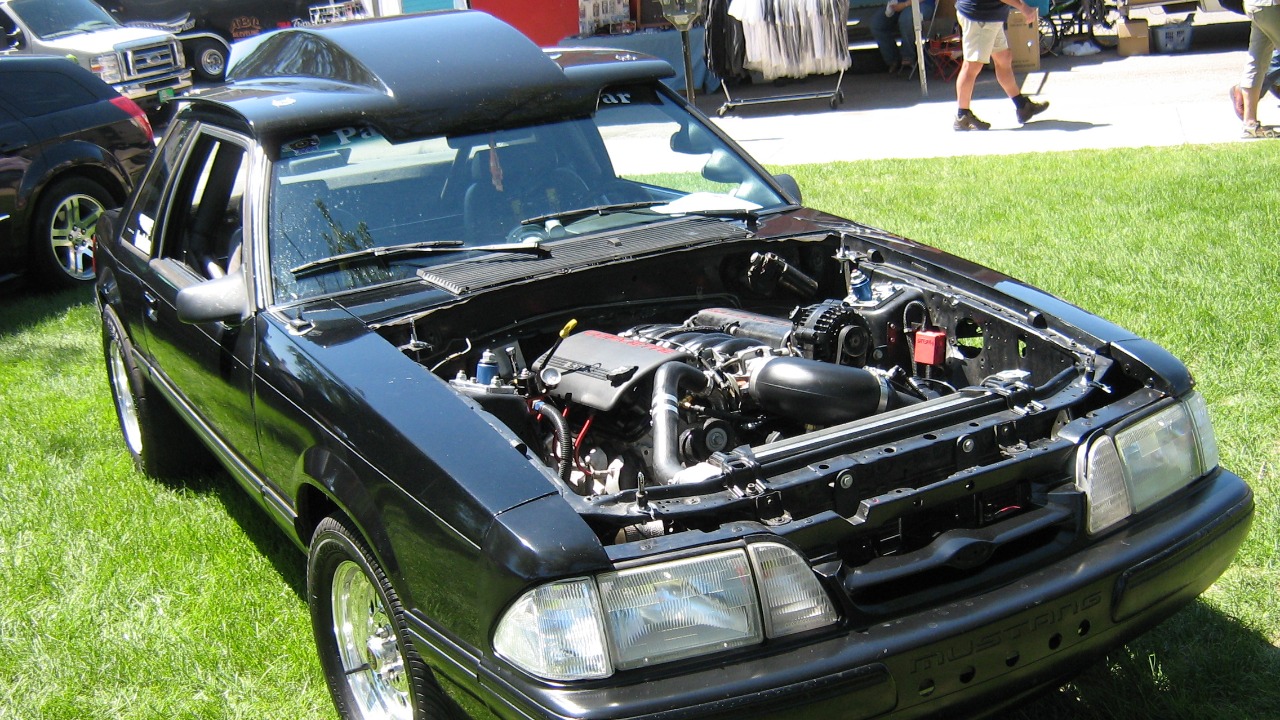
The world of automotive engineering is rich with innovation, but some engines rise above the rest, earning legendary status among mechanics. By delving into their design, performance, and the enduring legacy they leave in the automotive community, we can better understand what makes these engines iconic.
Engineering Excellence
When it comes to legendary engines, innovative design features play a crucial role in their acclaim. Take, for instance, the classic Ford small-block V8, which was revered for its remarkably lightweight, compact pushrod overhead valve (OHV) simplicity that maximized power delivery while keeping maintenance straightforward. This design layout has paved the way for countless variations and adaptations, ensuring its place in automotive history. Similarly, the introduction of variable valve timing in engines like the Honda K-series has allowed for improved performance across a wide range of RPMs, showcasing how engineering advancements can redefine expectations.
Durability and reliability are equally important factors. Legendary engines are often built with robust construction and high-quality materials that withstand the test of time. For example, the Toyota 22R engine is renowned for its longevity, often surpassing 300,000 miles with minimal issues. This reliability not only earns the trust of drivers but also makes these engines favorites among mechanics, who appreciate the ease of working with engines that are built to last. In addition, simplicity in maintenance is a key characteristic that many mechanics cherish. Engines like the Chevrolet LS series are designed with accessible components, allowing for straightforward repairs and routine maintenance that keep them running smoothly.
Performance Prowess
When discussing performance, legendary engines often stand out for their incredible power and torque. For instance, the iconic Chevrolet 454 big-block V8 delivers impressive horsepower and torque figures, making it a favorite for muscle car enthusiasts. The ability of certain engines to achieve remarkable power outputs, often exceeding expectations for their size and class, is a testament to their engineering prowess. Additionally, engines like the Nissan RB26DETT are celebrated for their ability to produce substantial power while maintaining reliability, making them a popular choice in the tuning community.
Tuning potential is another aspect that adds to their legendary status. Many renowned engines possess an innate adaptability that allows them to be modified for performance enhancements. The Subaru EJ20 engine, for example, has a dedicated following among enthusiasts who love to tweak and tune it for greater output, showcasing its versatility. The driving experience these engines provide is equally compelling. The distinct sound, responsiveness, and feel of driving a legendary engine contribute significantly to the overall enjoyment of the vehicle. The BMW M3’s S54 inline-six is a prime example of this, delivering a driving experience that keeps enthusiasts coming back for more.
Cultural Impact and Legacy
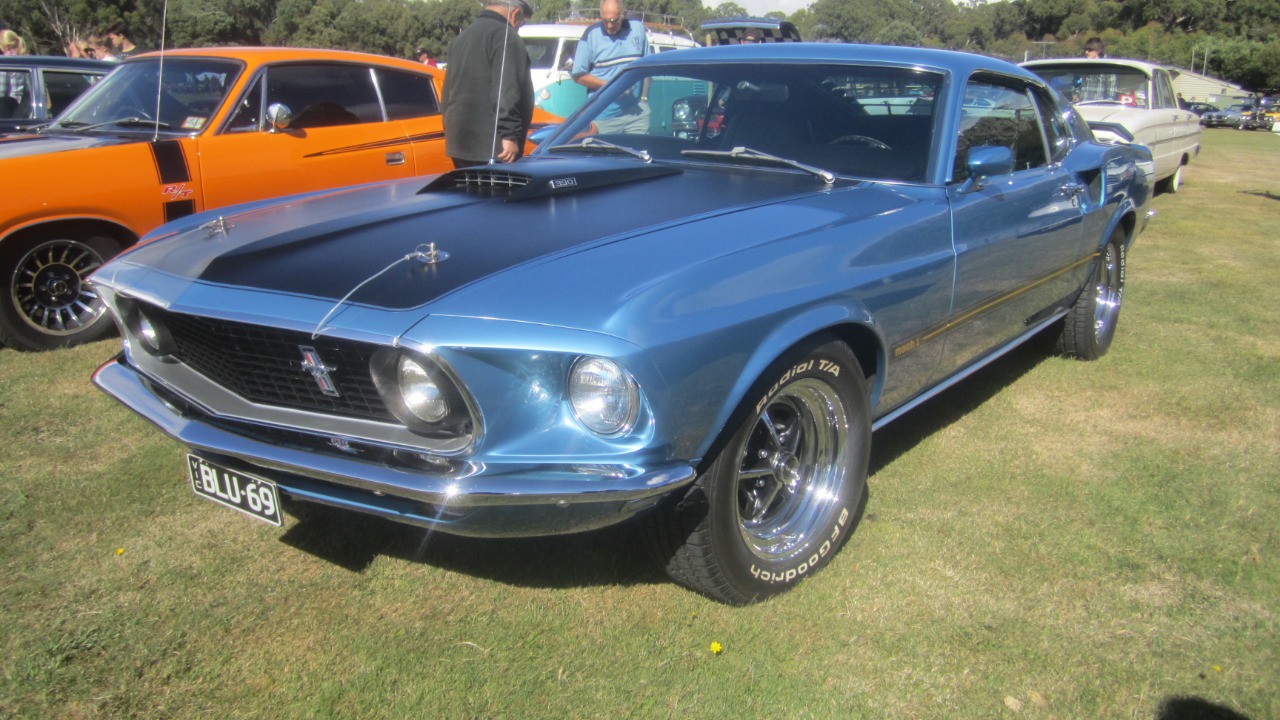
Legendary engines are often linked to iconic models and brands that have left a lasting mark on automotive culture. The Ford small-block V8, for instance, has powered a multitude of vehicles, from classic Mustangs to modern hot rods, solidifying its status as a cornerstone of American muscle. Similarly, the BMW M series engines have become synonymous with performance and luxury, creating a legacy that enthusiasts admire. These engines not only represent engineering excellence but also embody the spirit of the brands they belong to.
Motorsport success plays a significant role in establishing an engine’s reputation. Engines like the Ford Cosworth DFV have dominated Formula 1 racing for years, achieving numerous championships and records. This success has reinforced their legendary status among mechanics and car fans alike. Furthermore, the influence of these engines extends beyond their original designs; they have inspired future developments in automotive technology. The innovations found in legendary engines often serve as a foundation for subsequent generations of engines, shaping the industry for years to come.
Community and Enthusiast Support
One of the most enriching aspects of legendary engines is the community that surrounds them. Various forums, clubs, and gatherings bring mechanics and enthusiasts together to share their knowledge and passion. Online platforms like the LS1Tech forum are dedicated to the Chevrolet LS engine, where members exchange tips, modifications, and restoration stories. These communities foster a sense of camaraderie and shared interest that keeps the legacy of legendary engines alive.
The availability of parts and resources is another crucial factor in sustaining the legacy of these engines. Manufacturers often continue to produce replacement parts for popular engines, ensuring that they remain viable options for restoration and maintenance. For example, the continued availability of parts for the Volkswagen air-cooled engines has made them a popular choice for restoration projects. Additionally, the aftermarket support for engines like the Honda B-series has led to a thriving market for performance upgrades, further cementing their status among enthusiasts.
Restoration projects also play a significant role in keeping the legacy of legendary engines alive. Many mechanics and car enthusiasts take on the challenge of restoring classic vehicles equipped with these engines, often documenting their journeys online. The restoration of a 1969 Dodge Charger, for example, captures the hearts of many, as fans appreciate the craftsmanship and dedication required to bring these machines back to life. While the challenges of sourcing parts and overcoming mechanical issues can be daunting, the satisfaction of reviving a legendary engine is a rewarding experience that strengthens the bond between mechanics and their craft.
Technological Evolution
As emissions standards become more stringent, legendary engines have had to adapt while maintaining their performance reputation. The Ford Modular V8 is a prime example of an engine that has evolved over the years to meet modern environmental regulations without sacrificing power. By incorporating technologies such as variable valve timing and improved fuel management systems, these engines have successfully blended performance with environmental responsibility.
Furthermore, the integration of modern technology has allowed traditional engine designs to thrive. Many classic engines have incorporated advancements such as fuel injection and turbocharging, enhancing their performance without losing their original character. The Volkswagen 1.8T engine, for instance, seamlessly blends its turbocharged design with the classic characteristics of its predecessors, making it a beloved choice among enthusiasts. This harmony of old and new technologies helps preserve the essence of legendary engines while ensuring they remain competitive in today’s automotive landscape.
Looking ahead, the future of legendary engines may face challenges from the rise of electric and hybrid technologies. As the automotive industry shifts toward electrification, the traditional internal combustion engine’s legacy will inevitably evolve. However, the craftsmanship and engineering excellence of these legendary engines will continue to influence future designs, ensuring that their impact on the automotive world endures.
Personal Stories and Anecdotes
The stories and testimonials from mechanics who have worked extensively with legendary engines provide a unique insight into their lasting appeal. Many mechanics recount their experiences, noting the joy and satisfaction derived from working on these engines. For example, a mechanic might share a story about restoring a classic Porsche 911’s air-cooled flat-six engine, highlighting the intricate details and the connection formed with the vehicle during the process. Such personal anecdotes emphasize the emotional bond that mechanics often develop with these iconic engines.
Restoration success stories are also prevalent within the community, showcasing the enduring functionality and appeal of legendary engines. For instance, a complete restoration of a 1970 Chevrolet Chevelle SS with a 454 big-block engine might be celebrated in car shows, drawing admiration from fellow enthusiasts. These projects exemplify the dedication and craftsmanship that go into preserving automotive history, reinforcing the notion that legendary engines are not just machinery; they are integral pieces of automotive culture.
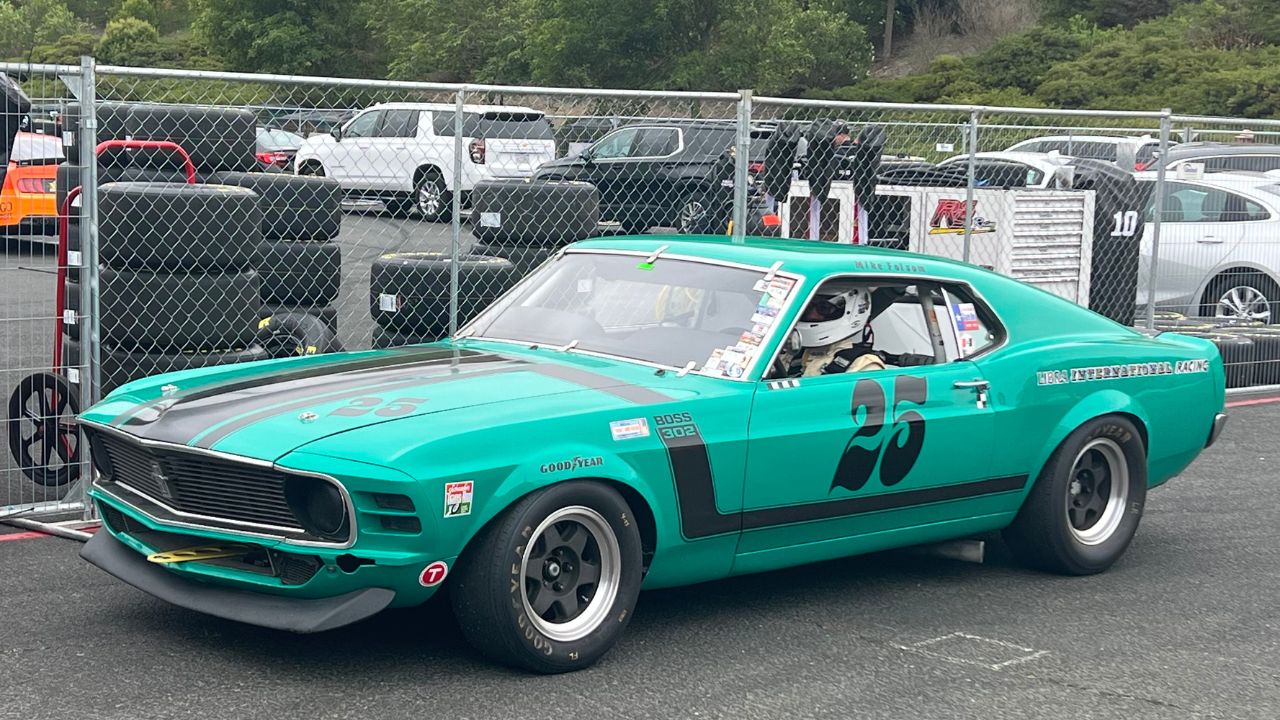
Finally, the lessons learned from generations of mechanics regarding the maintenance and care of these engines are invaluable. Tips passed down through the years, such as proper oil change intervals for the Ford 302 engine or recommended tuning practices for the Nissan SR20DET, serve as a testament to the shared knowledge within the community. These lessons not only help keep these engines running smoothly but also foster a sense of tradition and respect for the craftsmanship that goes into each legendary engine.
More from Fast Lane Only
- Unboxing the WWII Jeep in a Crate
- 15 rare Chevys collectors are quietly buying
- 10 underrated V8s still worth hunting down
- Police notice this before you even roll window down
*Research for this article included AI assistance, with all final content reviewed by human editors.