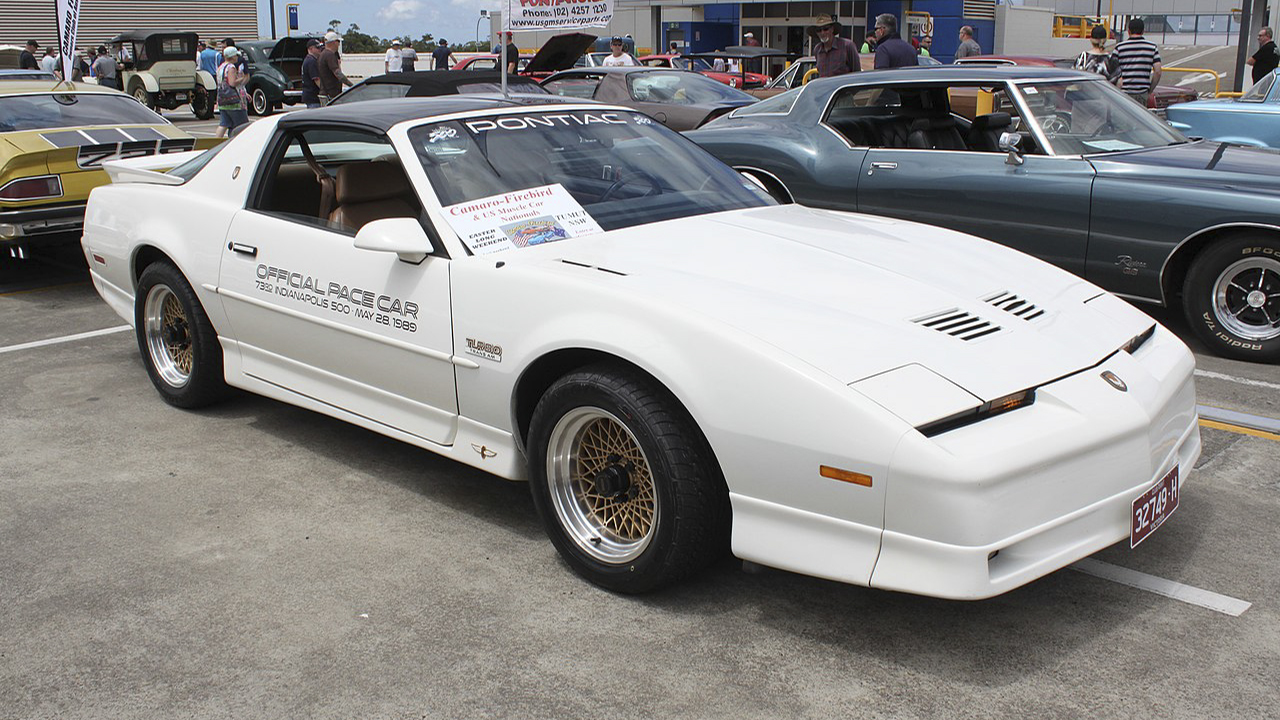
Among fourth-generation F-body enthusiasts, the 1989 Pontiac Turbo Trans Am sits in a unique spot: it looks like a late-’80s Trans Am, but its heart comes from Buick’s turbocharged V6 program. Because the car was a limited-run, pace car–inspired special, many owners treat it less like a blank canvas and more like a time capsule. That mindset has helped keep a surprising number of these cars close to how they left Pontiac showrooms.
Why originality matters more on this model
The Turbo Trans Am’s identity is tightly tied to its factory configuration—right down to its turbo 3.8-liter V6 and the way the package was put together for 1989. In the collector world, that makes “as-built” details count more than they might on a common third-gen Firebird. Even owners who drive them regularly often try to preserve the components that make the car immediately recognizable as a genuine Turbo Trans Am rather than a regular Trans Am with a swap.
There’s also a practical reason: the car’s story is already compelling without modifications. It represents the late-’80s moment when turbo V6 performance had real credibility, and when special editions were used to spotlight a brand’s engineering. When the factory recipe is part of the appeal, it’s easier to understand why many owners choose restoration and careful maintenance over personalization.
Factory drivetrain pieces owners tend to keep
The centerpiece is the turbocharged Buick-derived V6, and owners frequently prioritize keeping it intact instead of chasing bigger numbers with non-original conversions. Common preservation moves include rebuilding the original engine rather than replacing it, retaining the stock-style turbo setup, and keeping factory-style sensors and brackets where possible. Even when internal parts are refreshed, the goal is often to maintain the correct look and function rather than create an obvious custom build.
Supporting hardware often gets the same treatment. It’s not unusual to see owners hunting for correct intercooler and intake plumbing pieces, stock-appearing exhaust routing, and original accessory drives because those details are part of what judges and knowledgeable buyers look for. The end result is a car that still feels like a period GM performance package instead of a modernized reinterpretation.
Original electronics and calibration are part of the car’s character
Late-’80s engine management isn’t as plug-and-play as modern standalone systems, so owners who want to preserve the factory experience often keep the original-style control electronics and calibrations. That can mean repairing stock wiring rather than re-looming everything for a universal harness, and keeping the factory-style ECM setup rather than converting to aftermarket management. For many, the satisfaction is in making the original system work correctly, not replacing it.
There’s also a documentation angle here. A Turbo Trans Am that still runs on its original-style configuration is easier to represent honestly when it’s sold or shown, because the story matches what you see. Even owners who make mild drivability tweaks often try to keep changes reversible, so the car can return to a factory baseline without a long parts hunt.
Cosmetic components: wheels, interior bits, and the details people notice
With special editions, the small pieces carry a lot of weight. Owners frequently try to retain factory wheels, correct exterior trim, and original badging because those items are highly visible and hard to fake convincingly. When wear sets in, the preference is often to refurbish what’s there rather than substitute a similar-looking modern piece that changes the car’s stance or overall vibe.
The interior is another area where preservation shows. Original upholstery patterns, factory-style steering wheels, and correct switchgear can be difficult to replace with the right look and feel, so many owners focus on careful cleaning, repairs, and sympathetic restoration. A Turbo Trans Am that still smells and presents like a late-’80s GM performance coupe has an authenticity you can’t recreate with newer universal parts.
How the collector market nudges owners toward preservation
Values and buyer expectations don’t singlehandedly dictate how people treat their cars, but they do influence decisions. When a model is known for being collectible, owners tend to think twice before making changes that can’t be undone. For the Turbo Trans Am, that often translates into saving take-off parts, keeping original components in storage, and documenting any replacements so the car’s history stays clear.
Another factor is that knowledgeable shoppers pay attention to consistency. A car that still has its factory-style pieces—especially the parts unique to the Turbo Trans Am package—signals that it’s been cared for with an enthusiast’s respect for what it is. That tends to reward owners who resist the urge to “improve” everything and instead focus on correctness and condition.
Best practices owners use to keep factory components alive
Preservation doesn’t mean neglecting maintenance; it usually means doing it more thoughtfully. Owners often stick to routine fluid changes, cooling system upkeep, and vacuum/boost system inspections, since turbo cars are sensitive to small problems that can snowball. Catching issues early can keep original hard parts in service rather than forcing major replacements.
Storage and usage habits matter, too. Many owners limit harsh heat cycles, avoid questionable fuel, and let the car warm up properly to reduce stress on older seals and turbo-related components. When restoration is needed, the careful approach is to rebuild and refurbish original pieces where feasible and choose replacements that match factory design so the car retains its period-correct feel.