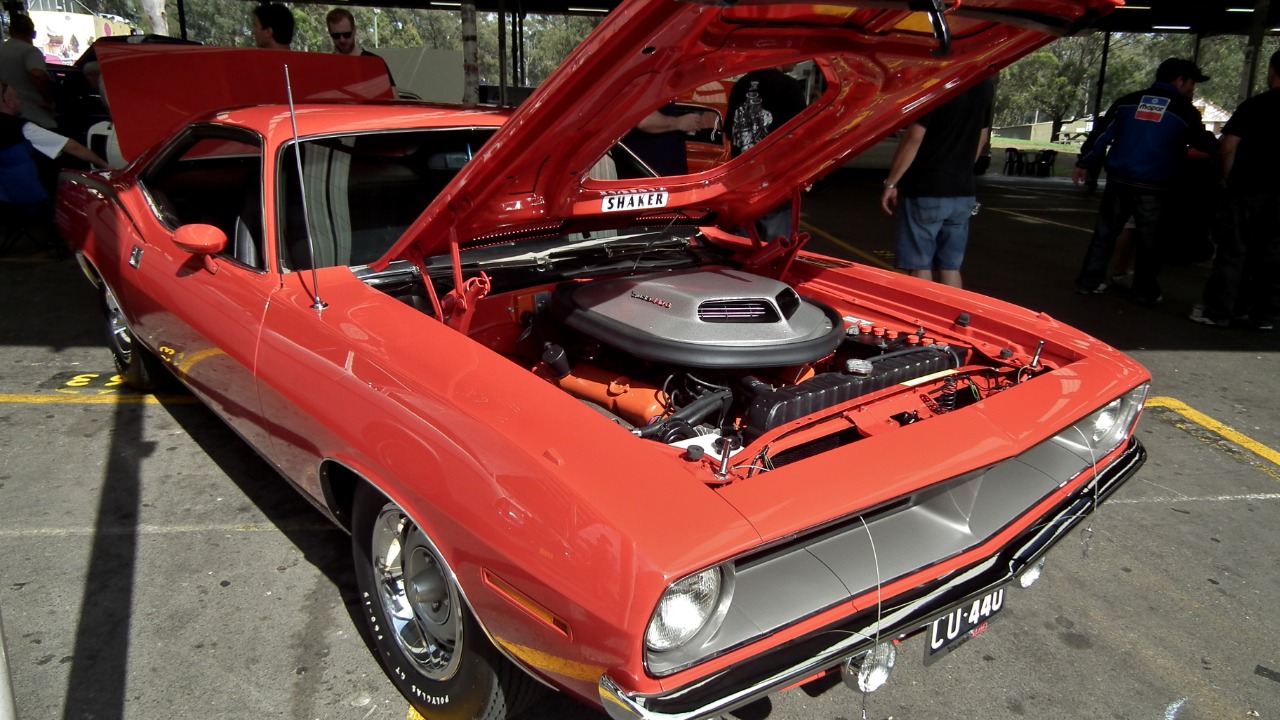
The Plymouth 440 Six Pack is more than just an engine; it is a cornerstone of American automotive history, embodying the raw power and performance that defined the muscle car era. Yet, its path to production was anything but straightforward, facing numerous challenges that almost prevented its introduction to the market. Understanding the hurdles that the 440 Six Pack overcame provides valuable insight into the competitive landscape of the late 1960s and early 1970s, a time when muscle cars were at the height of their popularity.
Background of the Plymouth 440 Six Pack
The 440 Six Pack is a high-performance V8 engine that was introduced in the late 1960s, specifically in 1967. It features a 440 cubic inch displacement, which translates to approximately 7.2 liters, and is equipped with three two-barrel carburetors, giving it its “Six Pack” nickname. This unique setup not only offered significant power—up to 390 horsepower in its later iterations—but also provided enhanced throttle response. The engine was designed to deliver exhilarating performance, making it a favorite among enthusiasts and racers alike.
During the muscle car era, which spanned from the mid-1960s to the early 1970s, American automakers were in a fierce competition to produce the fastest and most powerful cars. The 440 Six Pack emerged in a landscape dominated by other powerful engines, such as the Chevrolet 396 and Ford’s 427. Its significance lies not only in its raw power but also in how it captured the spirit of a generation that craved speed and performance on the open road.
Development Challenges
The development of the 440 Six Pack was fraught with technical challenges that could have derailed its production. Engineers at Chrysler faced difficulties in optimizing the engine’s performance while ensuring it remained reliable and efficient. The initial design phases involved extensive testing and revisions to achieve the desired balance between power and drivability. Issues such as carburetor tuning and exhaust flow had to be meticulously addressed, requiring significant resources and expertise.
Additionally, internal debates within Chrysler about the direction of the engine’s development created tension among the engineering and marketing teams. Some executives questioned whether the company should focus on fuel-efficient models rather than high-performance engines, especially as the market began to shift. Budget constraints further complicated matters, as the company had to allocate resources judiciously during this tumultuous period in the automotive industry.
Market Competition
The muscle car market was intensely competitive, with major players like Ford and Chevrolet pushing the envelope in terms of horsepower and speed. Ford’s Mustang and Chevrolet’s Camaro were not just popular; they set the benchmarks for what consumers expected from a muscle car. The introduction of the 428 Cobra Jet by Ford in 1968 and the 454 big block by Chevrolet in 1970 posed direct challenges to Plymouth’s ambitions with the 440 Six Pack, forcing the company to innovate rapidly.
Market demand for high-performance vehicles surged during this time, driven by a youthful demographic eager for speed. Plymouth recognized this trend and understood that to compete effectively, they needed to offer an engine that could stand toe-to-toe with the best in the business. The pressure to deliver a competitive product led to heightened scrutiny of the 440 Six Pack’s performance metrics and overall appeal. Plymouth’s marketing strategies also evolved in response to this competitive landscape, promoting the 440 Six Pack as a powerhouse of performance that could rival its competitors.
Regulatory Pressures
As the muscle car era progressed, regulatory pressures began to mount, particularly concerning emissions and fuel economy. In the early 1970s, the U.S. government implemented stricter emissions regulations, which posed a significant challenge for manufacturers of high-performance engines like the 440 Six Pack. Chrysler had to navigate these new regulations carefully, ensuring that their flagship engine complied without sacrificing its performance edge.
Fuel economy concerns also became a hot topic as oil crises and rising gas prices led consumers to rethink their vehicle choices. Plymouth had to balance the desire for power with the growing demand for efficiency. To meet these challenges, engineers explored various strategies such as optimizing combustion efficiency and incorporating advanced materials that could help reduce weight without compromising strength. The result was a modified version of the 440 Six Pack that still delivered exhilarating performance while adhering to the new regulatory standards.
Final Approval and Production Decision
The final decision to approve the production of the 440 Six Pack involved several key figures at Chrysler, including engineers, executives, and marketing specialists who understood the importance of this engine in solidifying Plymouth’s place in the market. Consumer interest, evidenced by market research and early feedback from enthusiasts, played a pivotal role in swaying the decision-makers. The excitement surrounding the muscle car segment was palpable, and Chrysler could not afford to miss out on this opportunity.
Effective marketing strategies also contributed to the 440 Six Pack’s production. Plymouth launched campaigns that highlighted the engine’s power and performance, targeting a demographic that thrived on speed and excitement. By showcasing the 440 Six Pack in popular models like the Plymouth Road Runner and Dodge Charger, the company positioned itself as a formidable competitor in the muscle car arena. Ultimately, the combination of consumer interest and strategic marketing led to the 440 Six Pack finding its place in Plymouth’s lineup, ready to take on the competition.
Legacy and Impact on Car Culture
The legacy of the Plymouth 440 Six Pack extends far beyond its production years. Today, it is revered among muscle car enthusiasts and collectors who appreciate the raw power and performance it represents. Classic car shows and auctions often feature models equipped with the 440 Six Pack, showcasing their enduring appeal and the nostalgia they evoke for a bygone era of American automotive history. In the collector’s market, these cars often fetch premium prices, reflecting their status as icons of muscle car culture.
Furthermore, the 440 Six Pack played a significant role in shaping Plymouth’s identity and brand legacy. It became synonymous with performance and innovation during a time when many manufacturers were scrambling to keep up with consumer demands for speed. Comparisons with modern performance engines reveal a continued appreciation for the 440 Six Pack’s engineering, as many contemporary models still strive to capture the essence of its performance characteristics. The influence of the 440 Six Pack on car culture is undeniable, serving as a benchmark for what a high-performance engine should be.
More from Fast Lane Only
- Unboxing the WWII Jeep in a Crate
- 15 rare Chevys collectors are quietly buying
- 10 underrated V8s still worth hunting down
- Police notice this before you even roll window down
*Research for this article included AI assistance, with all final content reviewed by human editors.