The Ford Mustang, an iconic symbol of American muscle cars, experienced a significant absence from the market for decades. This article delves into the little-known reasons behind its disappearance, exploring the historical, economic, and cultural factors that contributed to this hiatus.
Historical Context of the Ford Mustang
The Ford Mustang was launched in April 1964, marking the beginning of a new era in American automotive history. It was designed to appeal to a younger demographic, featuring a sporty design and an affordable price point. In its first year alone, the Mustang sold over 418,000 units, creating a sensation that would redefine the automotive landscape. The pony car segment was born, with competitors like the Chevrolet Camaro and Dodge Challenger soon following suit. The Mustang became more than just a car; it was a cultural phenomenon, representing freedom and the spirit of the American youth.
Throughout the late 1960s and early 1970s, the Mustang underwent significant evolution. Key milestones included the introduction of the Mustang Fastback in 1965, which gained fame through its appearance in the movie “Bullitt” (1968), starring Steve McQueen. The performance upgrades, including the powerful V8 options, solidified the Mustang’s place in automotive history. During this period, it also became a staple in popular media, appearing in numerous films, television shows, and music, further embedding it in American culture.
Decline in Popularity and Sales
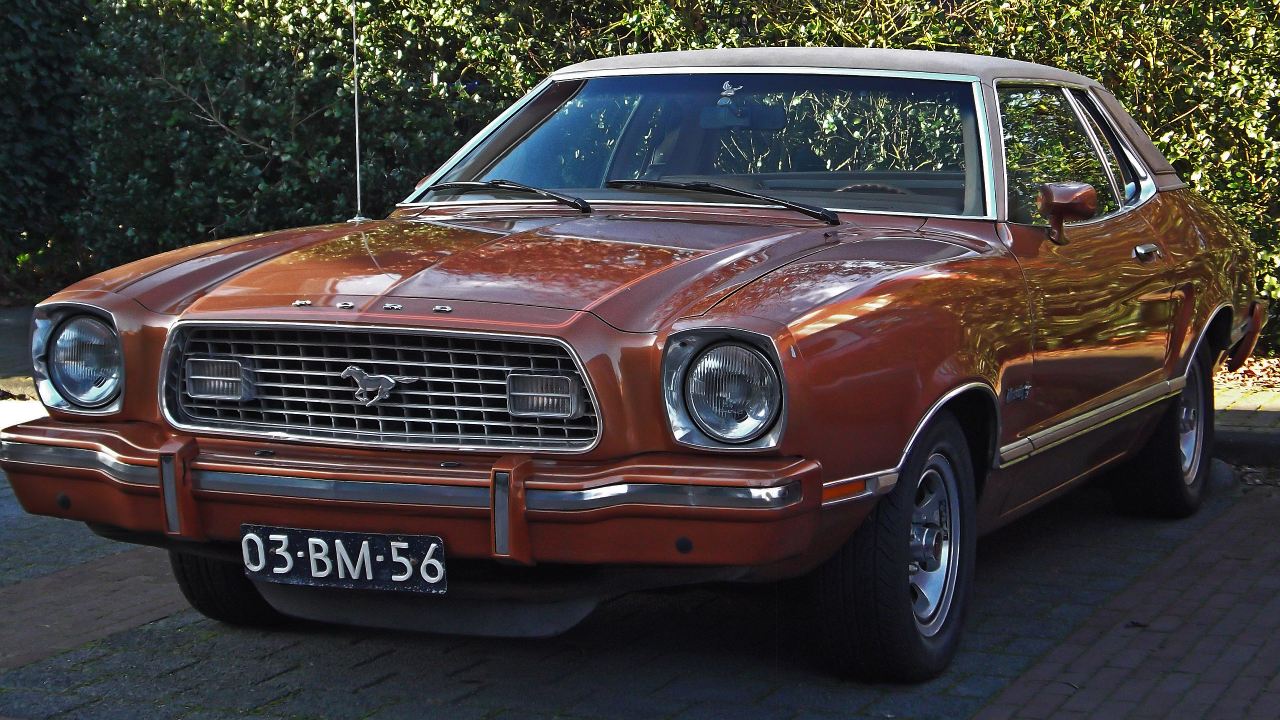
As the 1970s progressed, the allure of the Mustang began to wane. Changing consumer preferences started to shift towards fuel efficiency and compact cars, driven largely by economic factors and a growing awareness of environmental issues. The 1973 oil crisis struck, leading to skyrocketing fuel prices and a national reevaluation of automobile consumption. The Mustang, once celebrated for its power and performance, found itself struggling to meet the new demands of the market.
Competition from foreign automakers, particularly Japanese brands like Toyota and Honda, further eroded Mustang sales. These companies offered reliable, fuel-efficient vehicles that appealed to cost-conscious consumers. By the late 1970s, the Mustang’s sales had drastically declined, prompting Ford to rethink its strategy. The classic muscle car, once a symbol of American automotive pride, was now overshadowed by smaller, more economical vehicles.
Corporate Strategies and Decisions
In the 1980s and 1990s, Ford made several strategic decisions that significantly impacted the Mustang’s future. The company underwent various management changes, and corporate restructuring efforts often prioritized other models over the Mustang. During this time, the focus shifted towards more practical vehicles, such as SUVs and family sedans, which were rapidly gaining popularity in the market.
Market research indicated that consumers were looking for cars that offered not only performance but also efficiency and practicality. Unfortunately, this led to the Mustang being sidelined, with Ford opting to invest in models like the Taurus and Explorer. The corporate decision to dilute the Mustang’s performance heritage in favor of broader market appeal resulted in an identity crisis for the vehicle, further distancing it from its original fan base.
Regulatory and Environmental Factors
Throughout the late 20th century, the auto industry faced increasingly stringent environmental regulations. The introduction of emissions standards in the 1970s and 1980s forced manufacturers to rethink their designs and technologies. Muscle cars like the Mustang, which were traditionally associated with high horsepower and lower fuel efficiency, struggled to comply with these new regulations. The need for catalytic converters and other emissions-reducing technologies often came at the expense of performance.
Ford, along with other automakers, had to adapt to these regulatory challenges. While some manufacturers found a way to innovate by developing more efficient engines, others, including Ford, often struggled to maintain the balance between performance and compliance. As a result, the Mustang faced a decline in its traditional muscle car appeal, contributing to its diminished presence in the market.
The Resurgence of the Mustang
The late 1990s marked a turning point for the Mustang, leading to its revival. A key event was the introduction of the 1994 Mustang, which underwent a significant redesign that resonated with both older fans and a new generation of car enthusiasts. The retro styling harkened back to the classic models of the late ’60s, capturing nostalgia while incorporating modern technology and safety features.
Ford capitalized on the growing trend of retro marketing, tapping into the public’s longing for classic cars. This strategy not only reintroduced the Mustang to the market but also aligned it with a resurgence of interest in American muscle cars. The success of the modern Mustang, especially with models like the 2005 redesign, showcased how blending classic design elements with contemporary performance could attract a diverse consumer base.
Cultural Impact and Legacy
The Ford Mustang has maintained its status as a cultural icon throughout the years. Its representation in films, music, and art has only solidified its legacy. From the high-speed chase in “Bullitt” to its starring role in the “Fast & Furious” franchise, the Mustang has been woven into the fabric of American pop culture. Songs like “Mustang Sally” and mentions in various television shows have contributed to its enduring appeal and recognition.
Moreover, the Mustang has significantly influenced the broader automotive landscape. It inspired other manufacturers to create their own muscle cars, such as the Chevrolet Camaro, Dodge Challenger, and even the revival of the Pontiac Firebird. Its legacy continues to impact automotive design and performance standards, reminding us that the spirit of American muscle is alive and well. Today, the Mustang stands not only as a testament to the evolution of automotive engineering but also as a symbol of American ingenuity and resilience in the face of changing market dynamics.
More from Fast Lane Only
- Unboxing the WWII Jeep in a Crate
- 15 rare Chevys collectors are quietly buying
- 10 underrated V8s still worth hunting down
- Police notice this before you even roll window down
*Research for this article included AI assistance, with all final content reviewed by human editors.