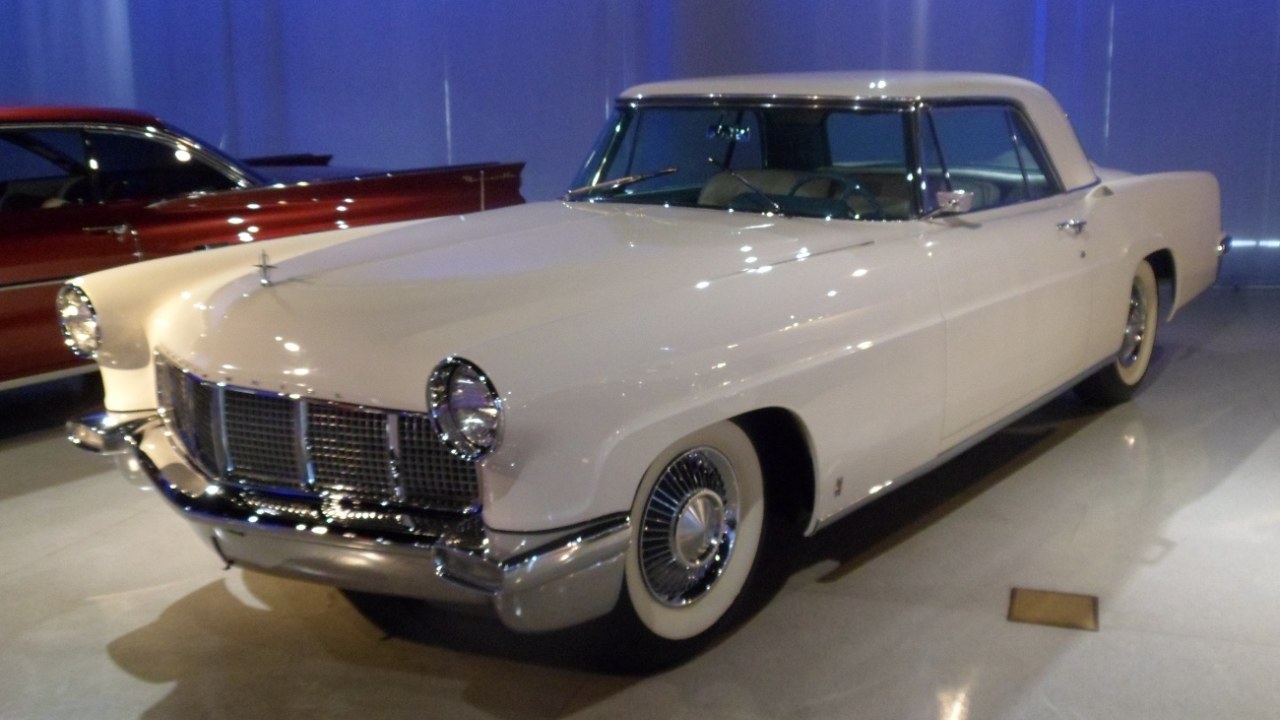
A new Continental Mark II cost nearly $10,000 in 1956, when a Corvette stickered for $2,800. Such a gap sums up the personal-luxury coupe: two doors, a long hood and a cabin built around the people in the front seats. Detroit kept building them for three decades, from the hand-finished Continental Mark of the 1950s to the fuel-injected Lincoln of 1986.
The seven coupes below each come with their own production count, price or engineering detail. Some sold by the tens of thousands, and some barely reached a few hundred.
1. 1956 Continental Mark II
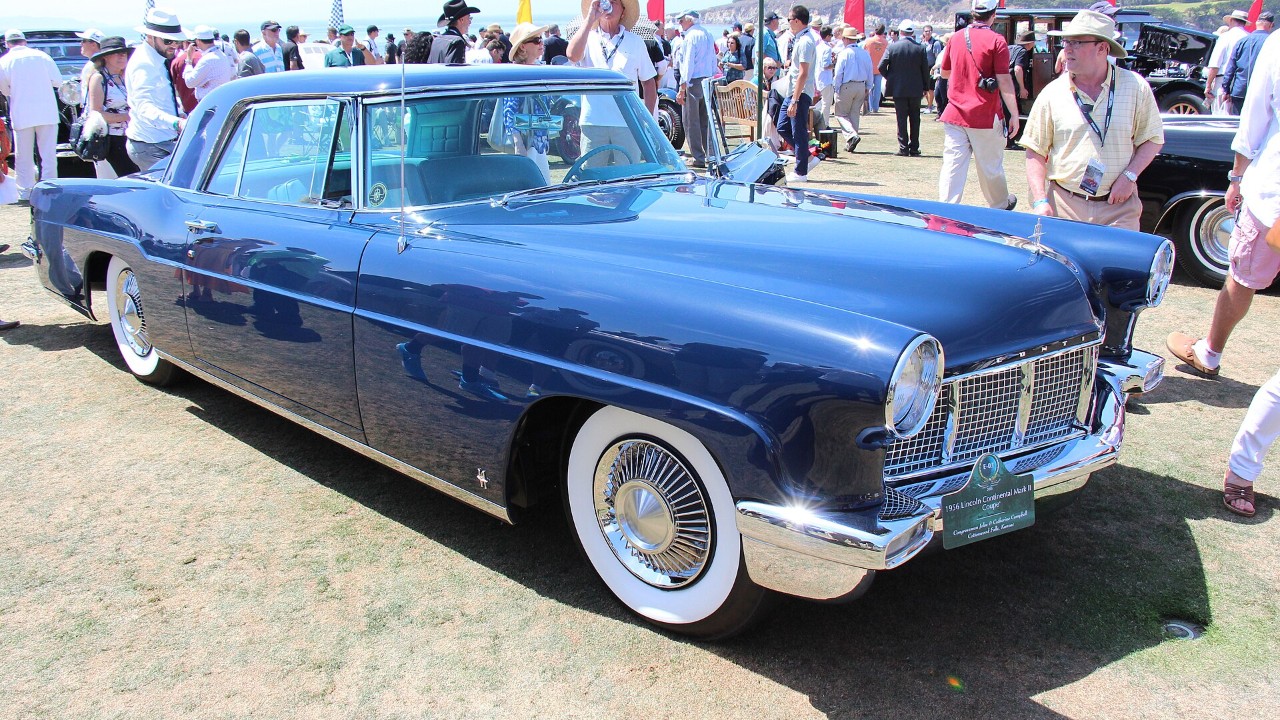
Ford treated the Mark II as a showpiece, not a volume car. It used a perimeter frame so the roofline could sit low, and the coupe weighed almost 5,000 pounds. Each one also took twice as many man-hours to build as a contemporary Lincoln.
Buyers could tailor their cars with more than a dozen exterior colors and nearly 50 upholstery choices, Hagerty reports. Even so, Ford built just 2,250 in 1956. Under the hood sat a 368-cubic-inch V-8 rated at 285 horsepower, which Hagerty calls “no hot rod.” Instead, the point was the craftsmanship.
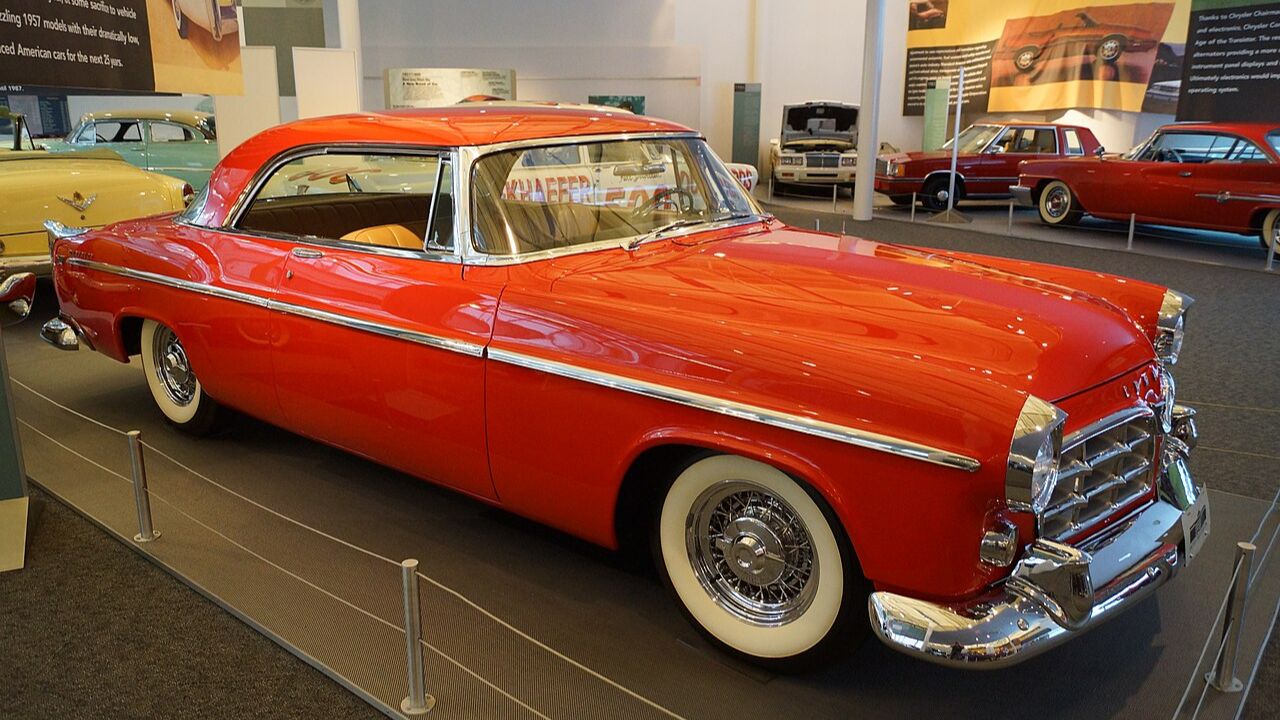
2. 1960 Chrysler 300F
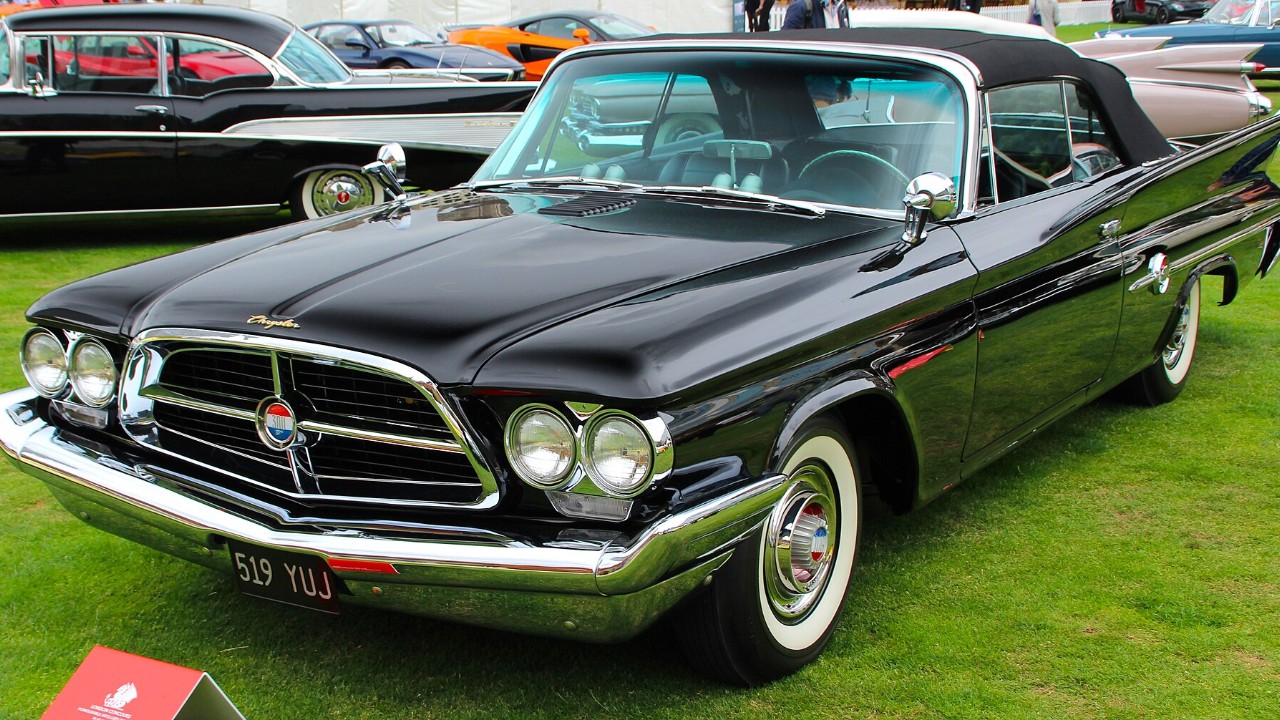
The 300F mixed luxury with real speed. Inside, four individual bucket seats replaced the usual bench. Outside, the 1960 letter car came as a hardtop or a convertible.
Chrysler built 964 hardtops and 248 convertibles, according to Autotrader Classics. Its 413-cubic-inch V-8 used a cross-ram dual-quad intake with 30-inch tubes, good for 375 horsepower and 495 lb-ft. Meanwhile, an optional version made 400 horsepower. Only that engine could get the French-built Pont-a-Mousson four-speed manual, and roughly 15 cars received it before Chrysler cancelled the option. The base price was $5,841.
3. 1970 Chrysler 300 Hurst
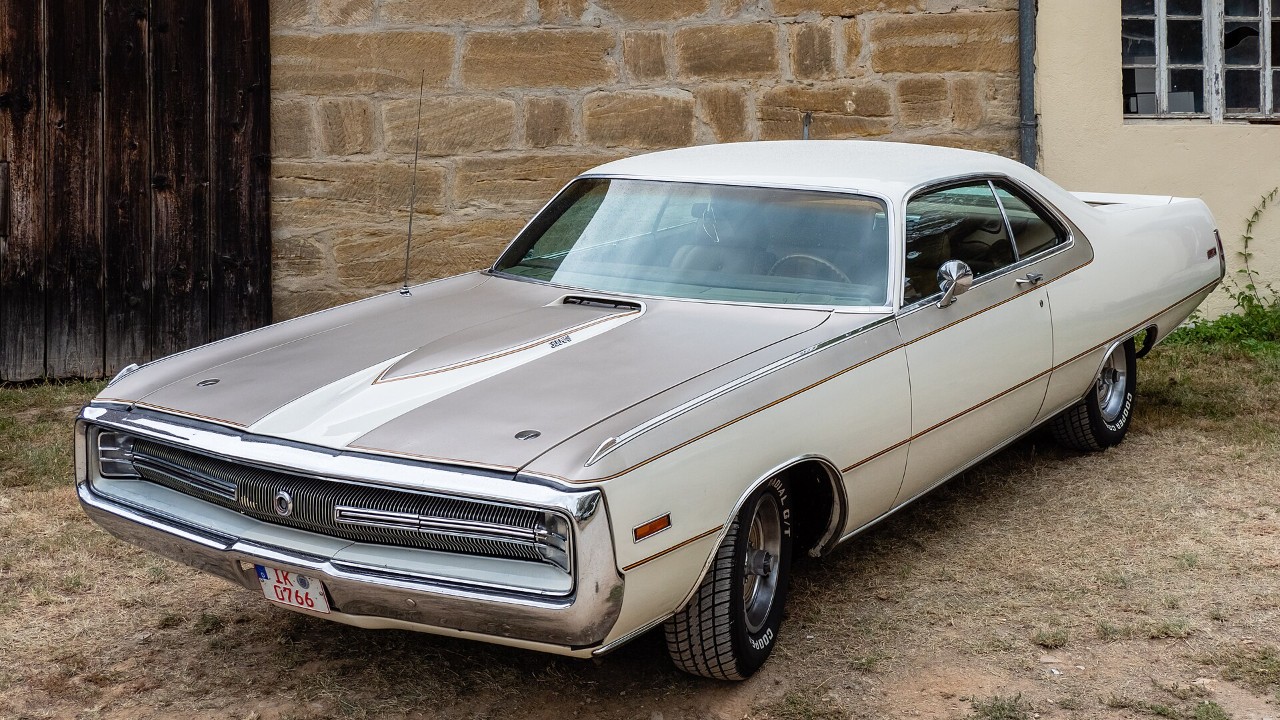
In 1970, Hurst put its name on a full-size Chrysler 300 hardtop. The car kept the standard factory tune, so the changes were about looks and comfort. Hurst and Chrysler planned a single-year run of 500 cars.
According to Mac’s Motor City Garage, Mopar experts say 485 were completed, though the figure may be 501. Each wore Spinnaker White and Satin Tan paint with a fiberglass hood and deck lid. In fact, its hood scoop fed air to the cabin, not the engine. Power came from a 375-horsepower 440 TNT V-8 with a TorqueFlite automatic, and the seats were leather power units borrowed from the Imperial. The base price was $4,234, but typical options pushed it past $5,200.
4. 1975 Dodge Charger SE
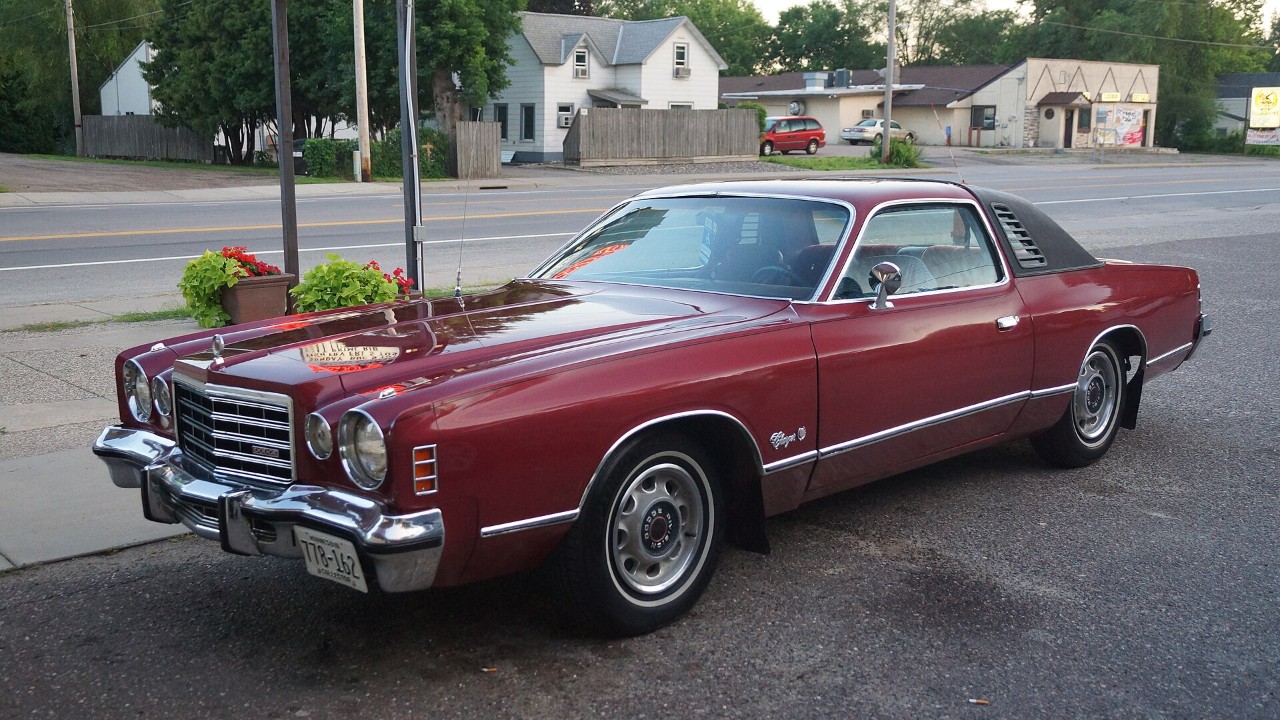
For 1975, the Charger name moved upmarket. The new Charger SE shared its body with Chrysler’s new Cordoba, so the two were the same car under different emblems. Instead, Dodge gave its version a different grille, its own tail lamps and slatted quarter windows.
The price was nearly identical, too. Mac’s Motor City Garage lists a $4,903 base, just $169 below the Cordoba. Still, the Dodge sold about 30,000 units that year, while the Cordoba logged 150,000 in its first year. At mid-season Dodge added a Charger Daytona package with two-tone paint and sport mirrors for $132.
5. 1978 AMC Matador Barcelona
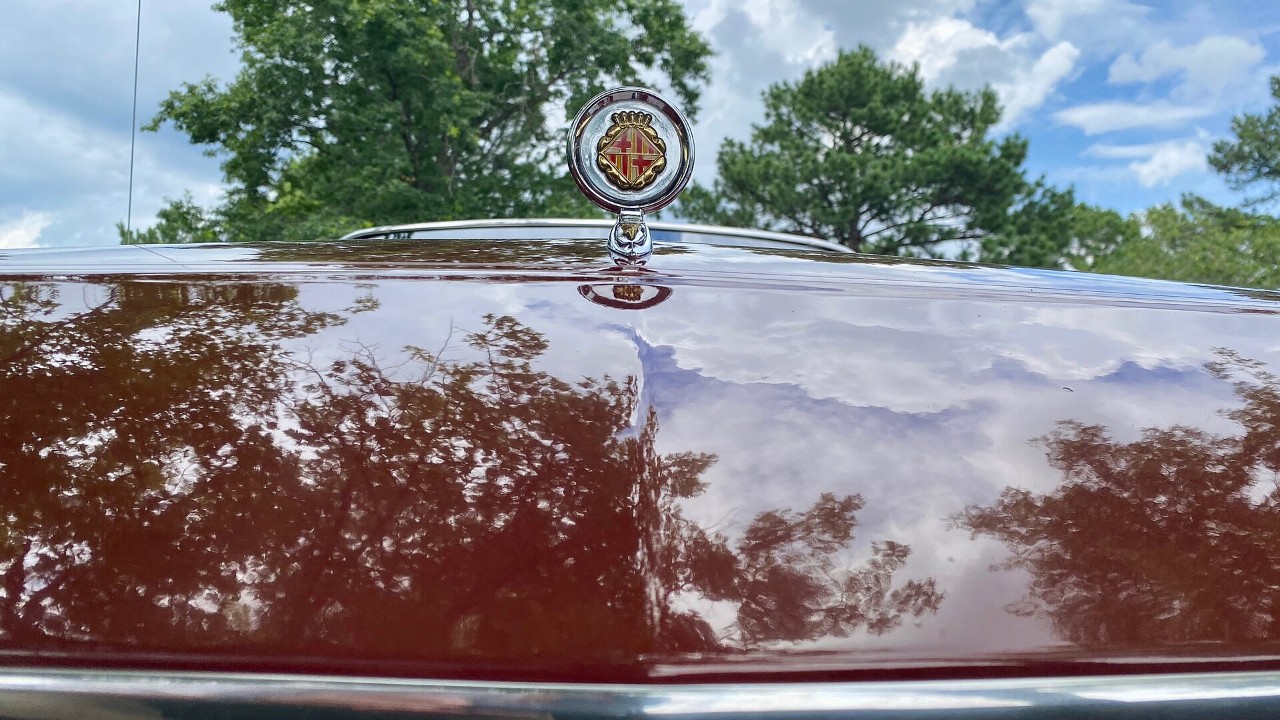
Designer Richard Teague drew the Matador coupe, which arrived with the second-generation Matador in 1974. AMC first dressed it as an Oleg Cassini designer edition for 1974 and 1975.
Then came the Barcelona for 1977 and 1978. As The Truth About Cars describes it, the package added crushed-velvet seats along with its own door trim and headliner. Paint was two-tone gold at first, and a dual-red scheme joined it for 1978 only. Under the hood, the example the site profiled ran AMC’s 360 V-8, a 5.9-liter engine. No sourced production total exists for the trim, so we won’t guess one.
6. 1978 Dodge Magnum XE
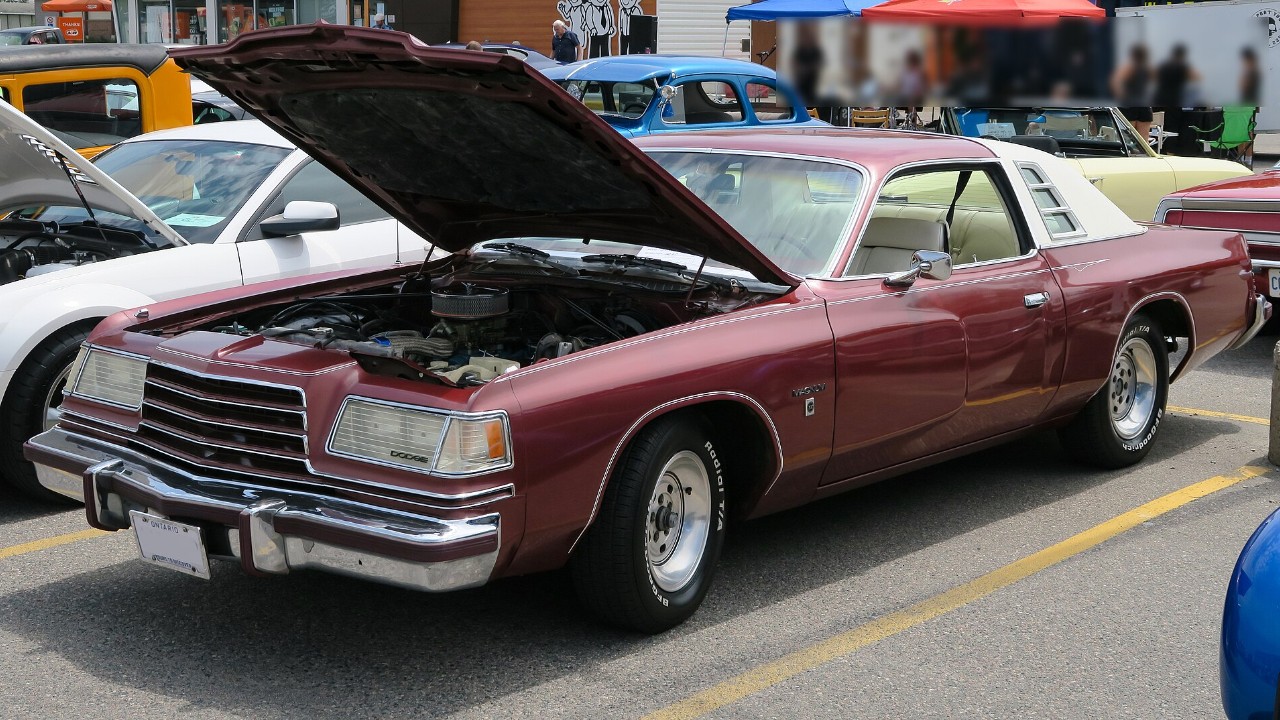
Dodge designed the Magnum to replace the 1975–78 Charger SE, and this time it gave the car its own face. Chrysler designer Carl Cameron styled the front end, even though the car still rode on the corporate B-body. There was one trim level, XE, with bucket seats and deluxe carpeting.
Clear plastic covers sat over the rectangular headlamps and retracted on electric motors when the lights came on, Mac’s Motor City Garage notes. V-8s ran from 318 to 400 cubic inches, and a T-bar roof with lift-out glass cost extra. Dodge built 55,000 Magnums in 1978 and barely 30,000 in 1979. By then the 400 was gone, because Chrysler dropped its big-block engine family.
7. 1986 Lincoln Continental Mark VII LSC
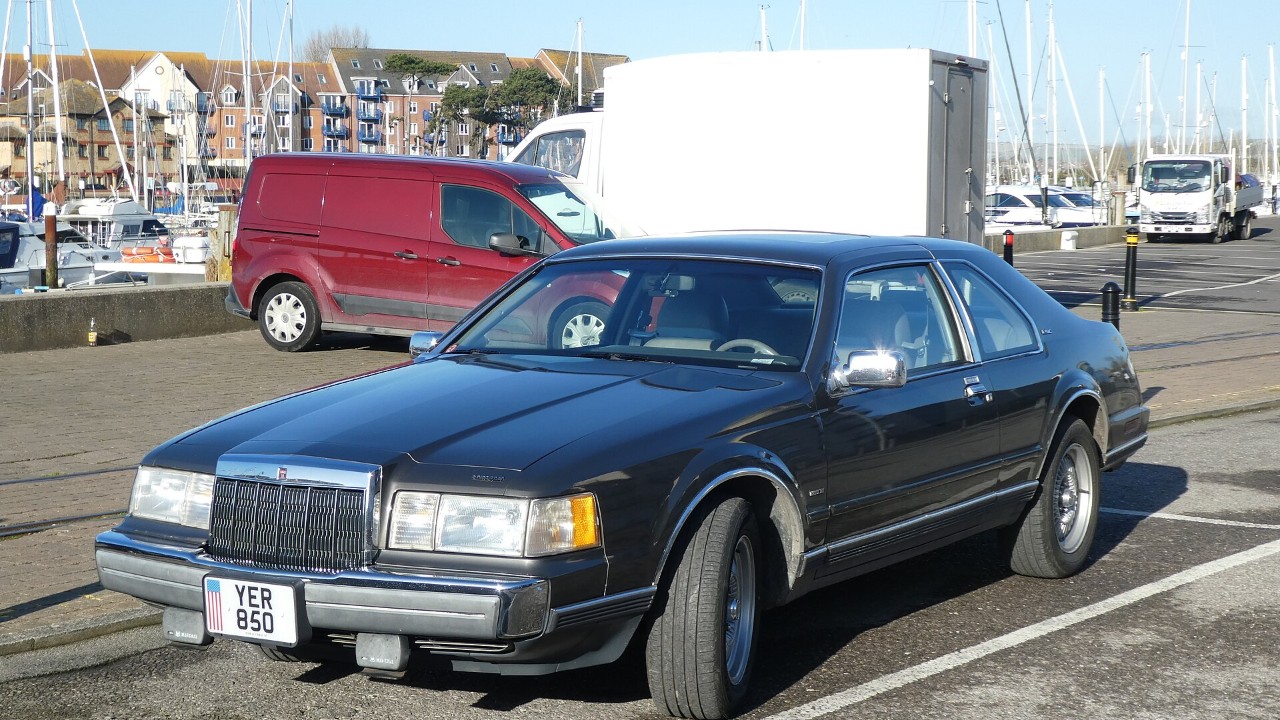
By the mid-1980s the Continental Mark line had reached the Mark VII. Of these, the LSC was the performance version. For 1986, Lincoln gave it a real upgrade under the hood.
That year the LSC swapped central fuel injection for sequential multi-port injection on its 5.0-liter V-8, and output reached 200 horsepower, says Lincolns Online. Base and Bill Blass cars got the same injection but stayed at 150 horsepower. Meanwhile, anti-lock brakes became standard on every Mark VII. In the same year, sales rose to 20,056 cars.
More from Fast Lane Only