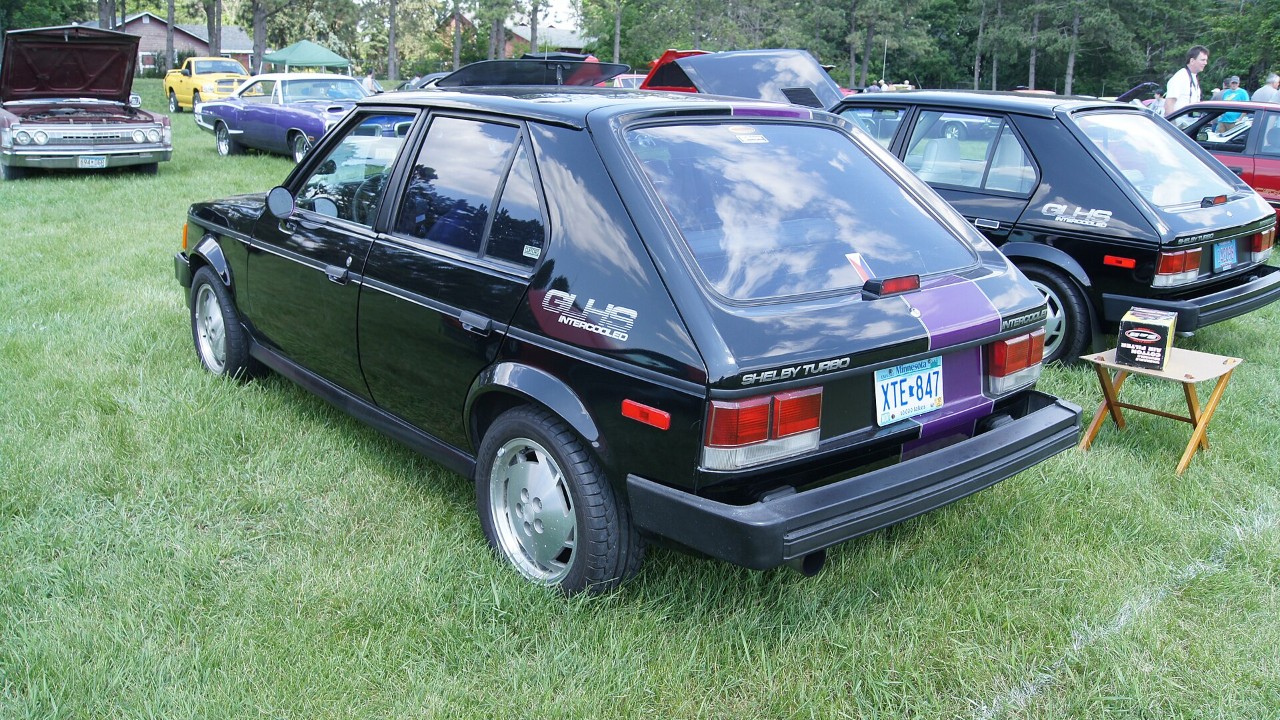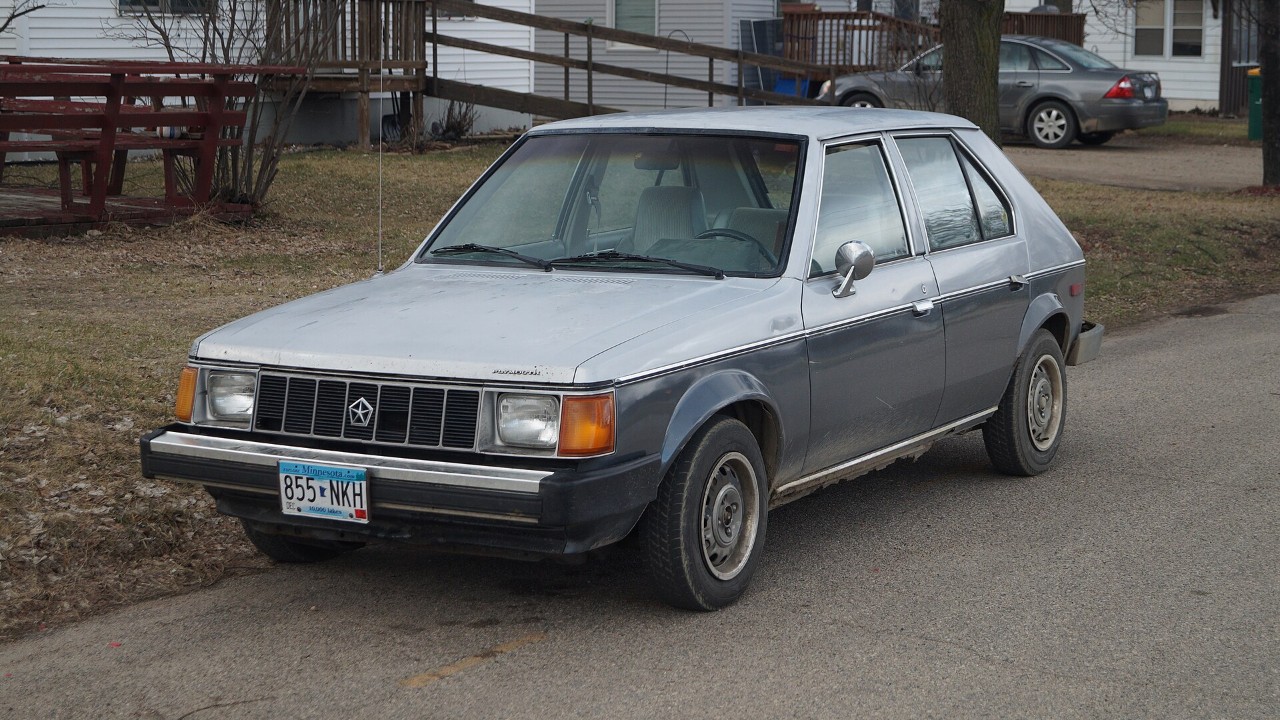
Plymouth’s Volaré shared Motor Trend’s Car of the Year award for 1976, and the Plymouth Reliant shared it again for 1981. In between, the front-drive Plymouth Horizon and its Dodge twin arrived for 1978. So on paper, that run looks like a winning streak.
Awards do not make a car worth restoring, though. Many of Plymouth’s late-era cars sold in huge numbers, used shared parts and lived hard lives as family transportation. That also makes them fun to spot at a show. However, it rarely makes sense to pour restoration money into a rough one.
These are our picks for seven Plymouths we would not restore. Our verdicts are opinion, and nothing here is a knock on the people who own and love them. Meanwhile, the recalls, production figures and known faults behind each pick come from the period reports and model records we read for this list.
1. Plymouth Horizon (1978–1990)
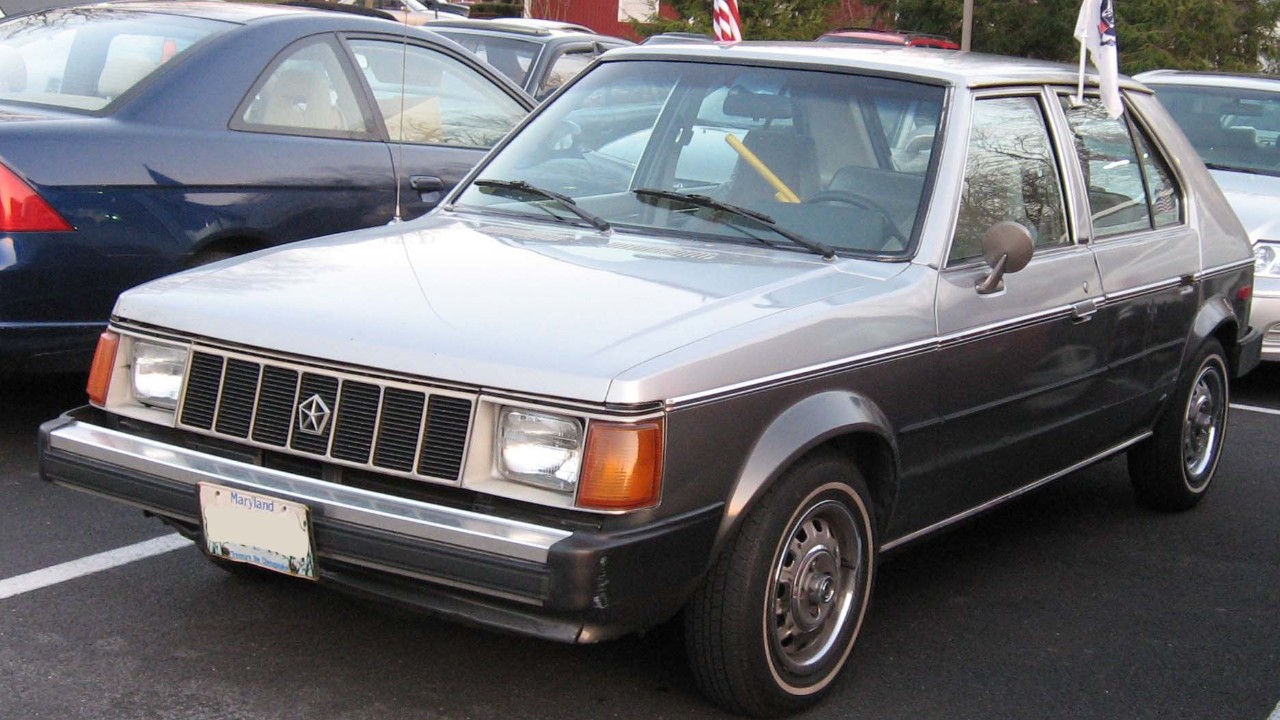
The Horizon and its Dodge Omni twin were Chrysler’s first front-wheel-drive cars. Early cars also used a 1.7-liter four that Volkswagen built in Germany and supplied to Chrysler. The pair stayed in production from late 1977 into early 1990, and Plymouth alone built about 1.29 million Horizons over that run.
However, the car had a rocky start. In 1978, Consumer Reports said it lost control in hard maneuvering, and Chrysler answered with a steering damper and a lighter steering wheel. Later, the structure’s limited ability to handle front-end collisions became a key weakness and a factor in the car’s retirement. Meanwhile, the sheer number built means a Horizon rarely counts as scarce.
In our view, a project Plymouth Horizon is a hard case to make. After all, you would spend real money to end up with an economy hatchback that many buyers remember as everyday transportation. Our advice: if you want a Plymouth Horizon, buy the cleanest running original you can find and skip the rusty project car entirely.
2. 1979 Plymouth Volaré wagon
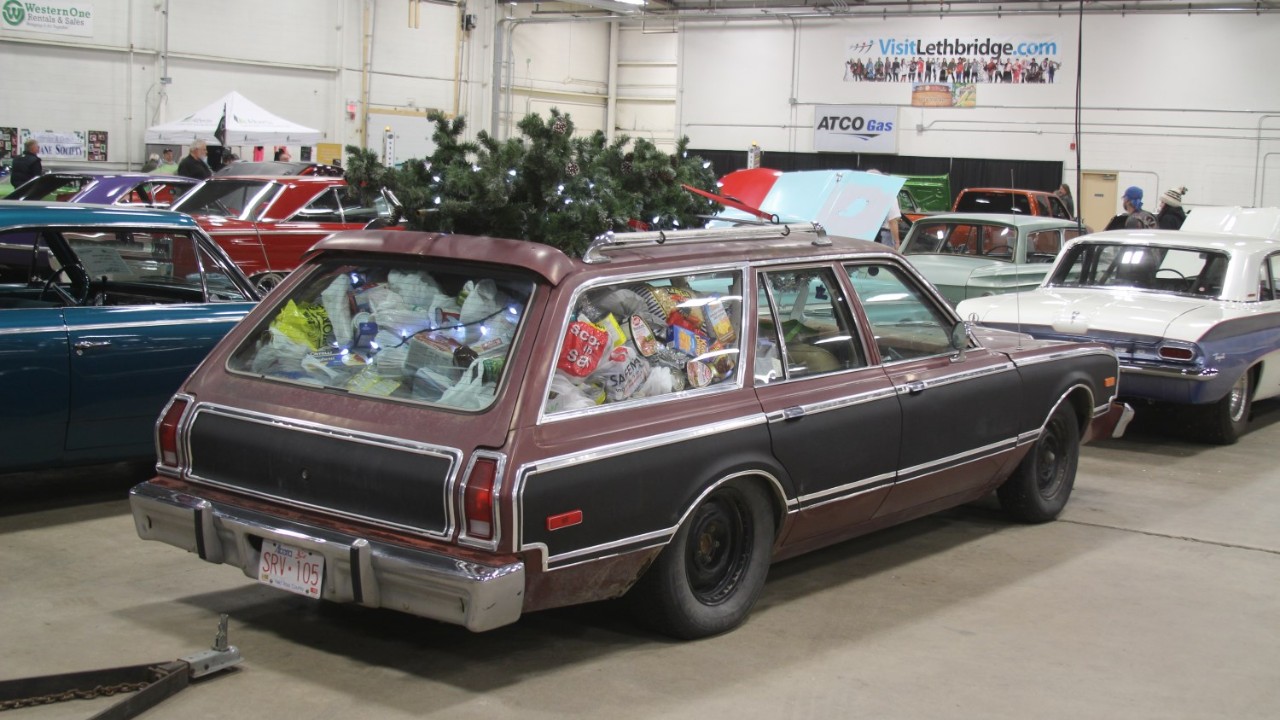
The Volaré and Dodge Aspen replaced the Valiant and Dart for 1976, so they arrived as Plymouth’s new compacts. The wagon was a smart package, with a liftgate instead of a drop-down tailgate and 71.9 cubic feet of cargo space. Under the hood, the standard engine was the 225 slant six. We dug into that engine in our story on why Chrysler leaned its 1960 slant six 30 degrees.
Quality was another story. According to The Autopian’s history of the Aspen and Volaré rust problem, the cars saw eight major safety recalls between March 1976 and May 1978. The front fenders also trapped salt water and rotted early. Later, an FTC settlement on that issue could affect 200,000 cars from 1976 and 1977. Lee Iacocca later wrote, “I can’t think of any cars that caused more disappointment among customers than the Aspen and the Volare.”
A 1979 car came after the alleged fender fix, but rust remains the enemy on any survivor. We would pass on a rough one, because metalwork costs add up quickly. Buyer advice: inspect the fenders and brake lines first, and walk away from any wagon with rot in the floors.
3. 1982 Plymouth Reliant Custom wagon
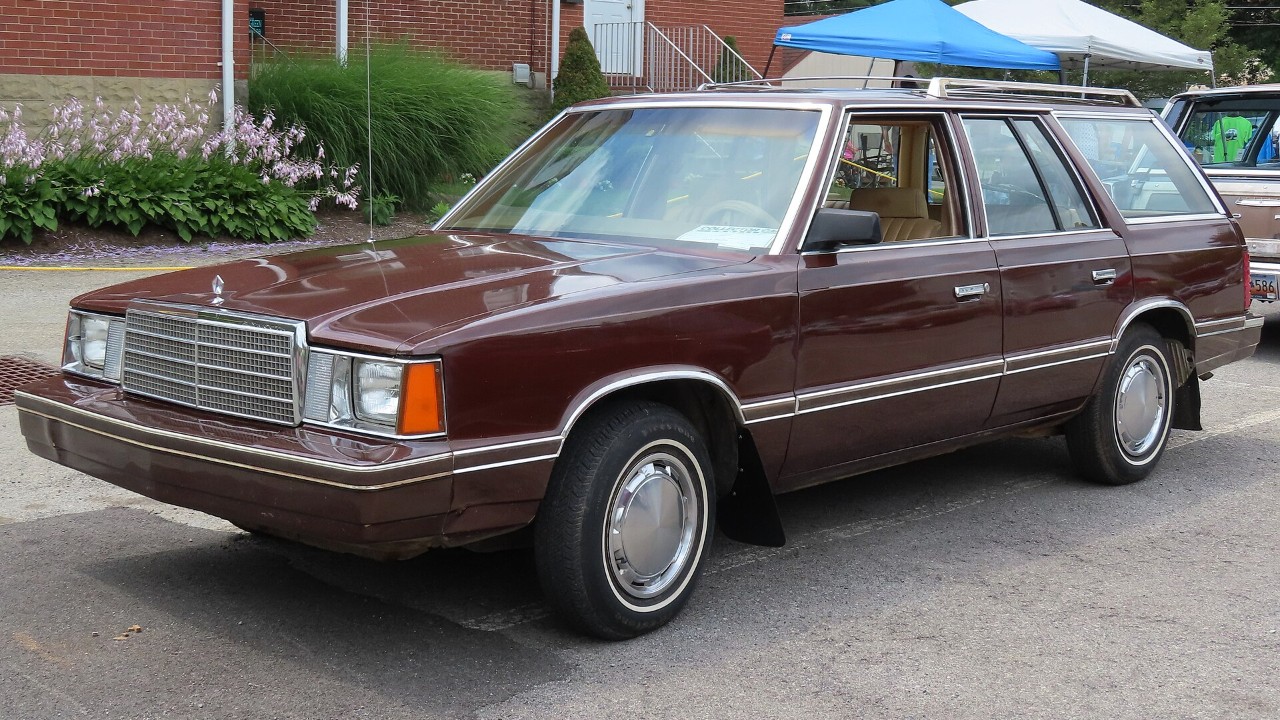
The Reliant and Dodge Aries were the original K-cars. Congress approved Chrysler’s federal bailout after the company laid out its plans for this front-drive platform. Plymouth built 1,132,843 Reliants over the run, including 281,191 wagons. Those wagons came only in Custom or SE trim, since there was no base version. Under the hood, buyers chose a 2.2-liter Chrysler four or a 2.6-liter Mitsubishi four.
In fact, the K-car sold in enormous numbers from the start. A Curbside Classic look at a 1989 Reliant America notes sales topped 300,000 units in the first year. Even in 1988, they were still above 200,000. As a result, the Reliant wagon is a familiar sight rather than a rare one.
Our take: we like the Reliant for what it did for Chrysler, but a full restoration would likely cost more than the finished car is worth. If you want a Plymouth that rewards the effort, our list of 5 Plymouths owners swear they’ll never sell is a better starting point. Buyer advice: buy a solid, running Reliant wagon and simply maintain it.
4. 1987–90 Plymouth Sundance coupe
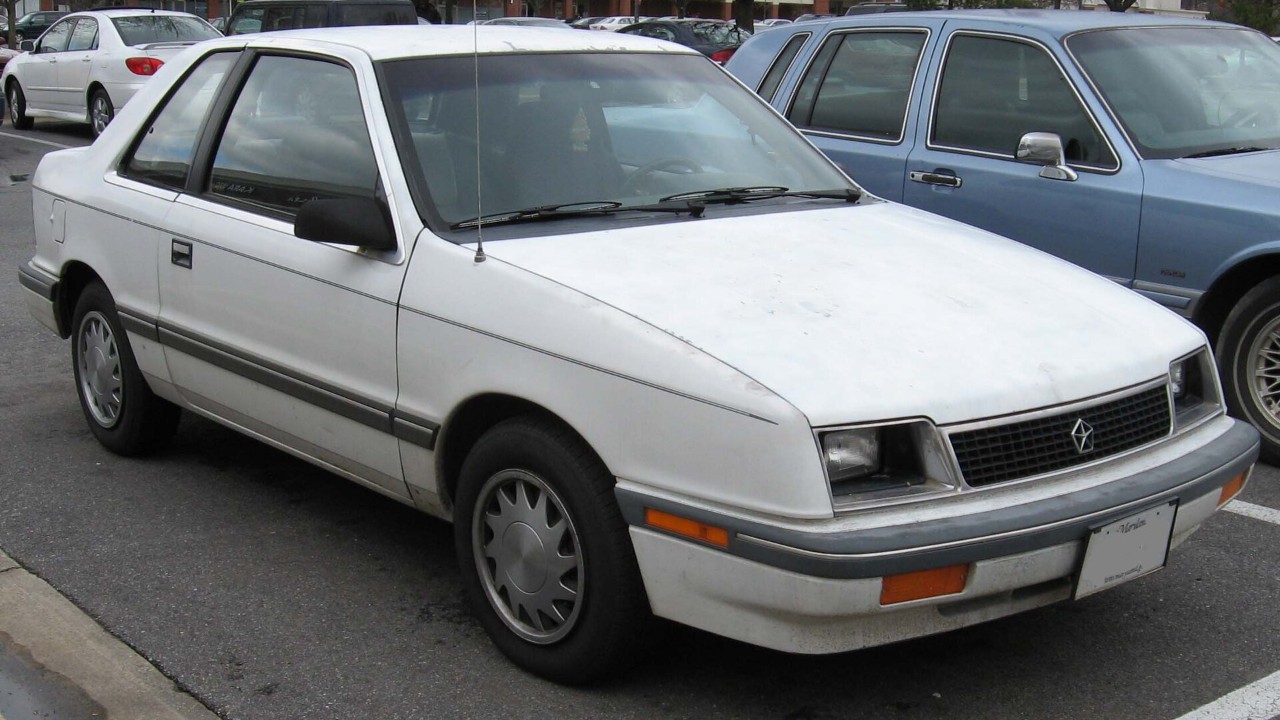
The Sundance and Dodge Shadow arrived for 1987 to replace the Omni and Horizon. They rode on Chrysler’s P platform, a variant of the K-car underpinnings, and used a shortened Dodge Lancer body. The result was more substantial than the cars it replaced, but also somewhat heavier than its competitors.
Over the run, Plymouth built 216,868 three-door Sundances. Base cars used a 2.2-liter four rated at 97 hp, and a 100-hp 2.5-liter followed for 1988. However, the Dodge side got the more interesting versions. The sporty Shadow ES came only with a turbo engine, and the Shadow convertible arrived for 1991 with no Plymouth version at all.
In our opinion, that is the core problem. Anyone restoring a P-body would get more reward from the Dodge twin than from the Plymouth. Buyer advice: if this platform appeals to you, skip the Sundance coupe and hunt for a Shadow ES or a Shadow convertible instead.
5. Plymouth Champ (1979–1982)
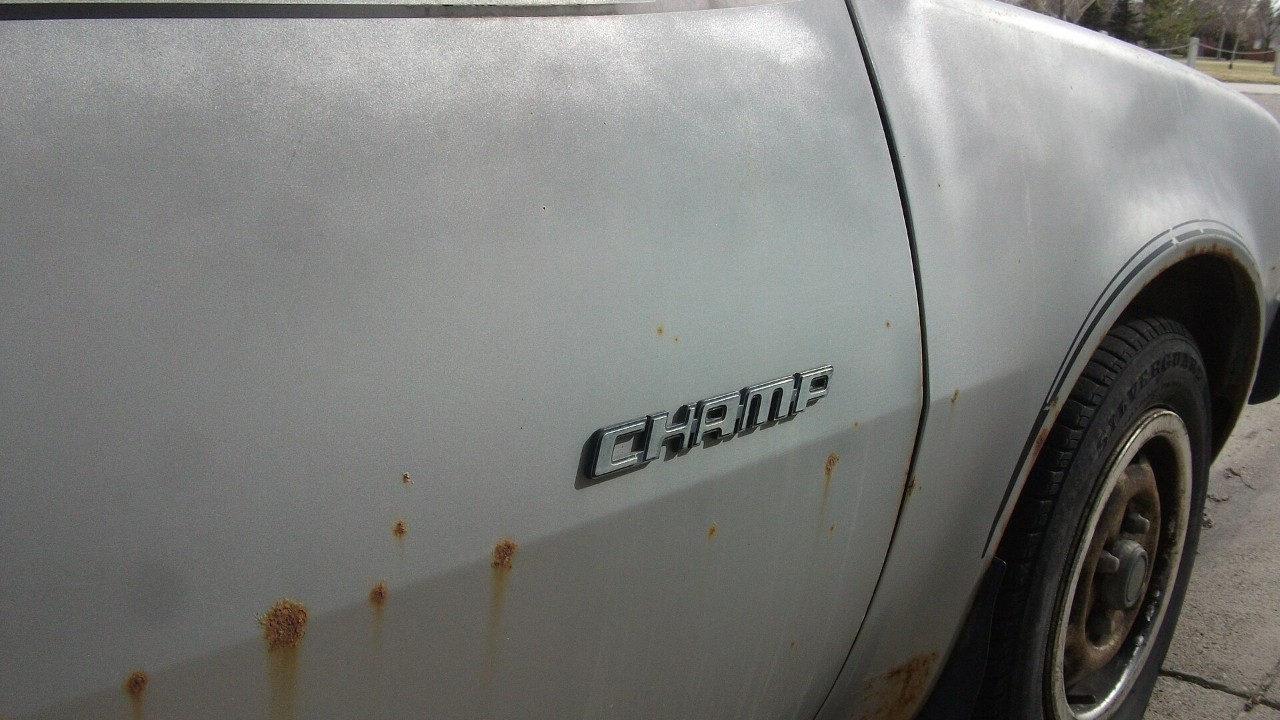
The Champ was a rebadged, front-drive Mitsubishi Mirage that Chrysler sold as a captive import for 1979. It came as a three-door hatchback with a 70-hp, 1.4-liter Mitsubishi four. In fact, that engine earned the highest EPA fuel economy rating in its debut year. Later, a 1.6-liter four rated at 80 hp joined the lineup.
Then, after 1982, Plymouth renamed the car the Colt. Because the Champ was a Mitsubishi under the badge, nearly every mechanical part traces back to Mitsubishi rather than Chrysler. That matters for anyone hoping to restore one, since a Plymouth parts catalog will not help much.
We think the Champ is a clever little car with a real place in history. Even so, we would not restore a tired example, because the parts search would outlast your patience. Buyer advice: if you love it, find a complete, running Champ and keep it original rather than taking on a shell.
6. 1994 Plymouth Acclaim
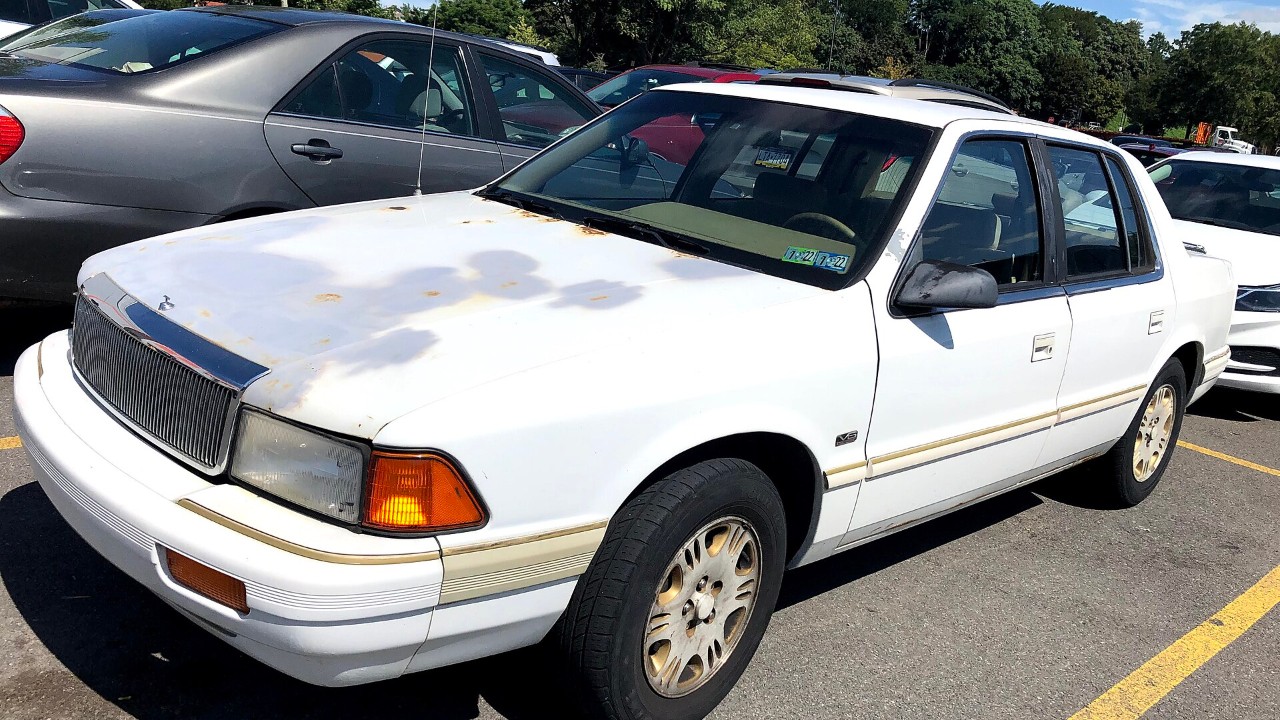
The Acclaim replaced both the Caravelle and the Reliant for 1989 and ran through a short 1995 model year. Plymouth built 470,489 Acclaims in all, including 40,294 for 1994. Of those, the base model made up nearly 85 percent of sales. Most four-cylinder cars used a three-speed automatic, while most early V6 cars got the four-speed A604 automatic.
That A604, also called the Ultradrive, had a troubled launch. According to a 1990 Christian Science Monitor report on Chrysler’s new transmission, Ultradrives logged 21.6 problem conditions per 100 units in the first 11 months of 1989. The older three-speed logged fewer than five. By then, Chrysler had replaced about 19,000 Ultradrives. The Center for Auto Safety’s Ultradrive page adds that Consumer Reports advised against buying cars with it in February 1991.
By 1994, the transmission had gone through many revisions, but the Acclaim was a plain sedan built in large numbers. So we would not restore one. Buyer advice: pick a four-cylinder car with the three-speed automatic and full service records, and drive it as is.
7. 1983–85 Plymouth Caravelle sedan
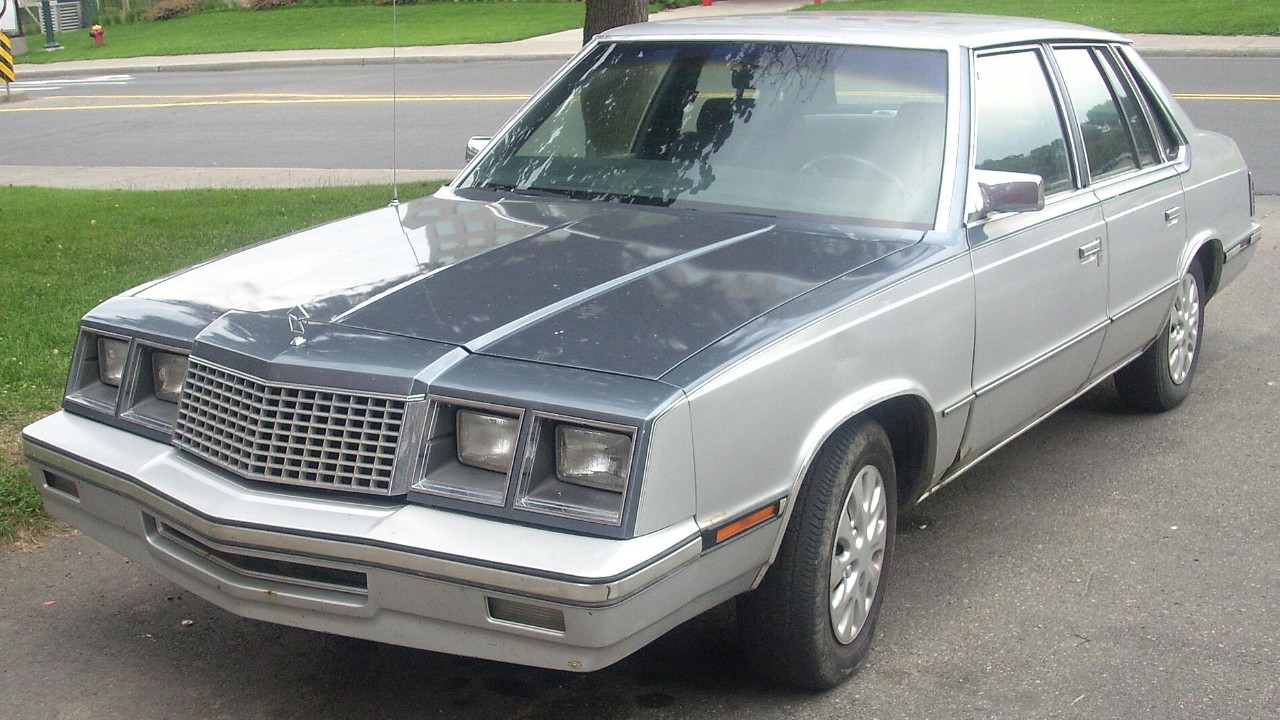
The Caravelle started as a 1983 Canadian model and came to the United States for 1985. Underneath, the four-door was essentially identical to the Dodge 600. Engine choices included a 2.2-liter four, a 2.6-liter Mitsubishi four and a 2.2-liter turbo rated at 146 hp for 1985. U.S. production reached 39,971 in its first American year.
The Caravelle had a short life in the States, because the Acclaim replaced it for 1989. That leaves a sedan with a twin that is just as easy to find and parts shared across the K-car family. In other words, there is little about a Caravelle that a restorer cannot find on a Dodge 600 as well.
Our take: a Caravelle is a comfortable, honest sedan, but a ground-up restoration is hard to justify. If you want one with some spark, though, look for the turbo engine. Buyer advice: buy the best-preserved car you can, check the paperwork for the engine it carries and resist the urge to rebuild a rusty one.
More from Fast Lane Only