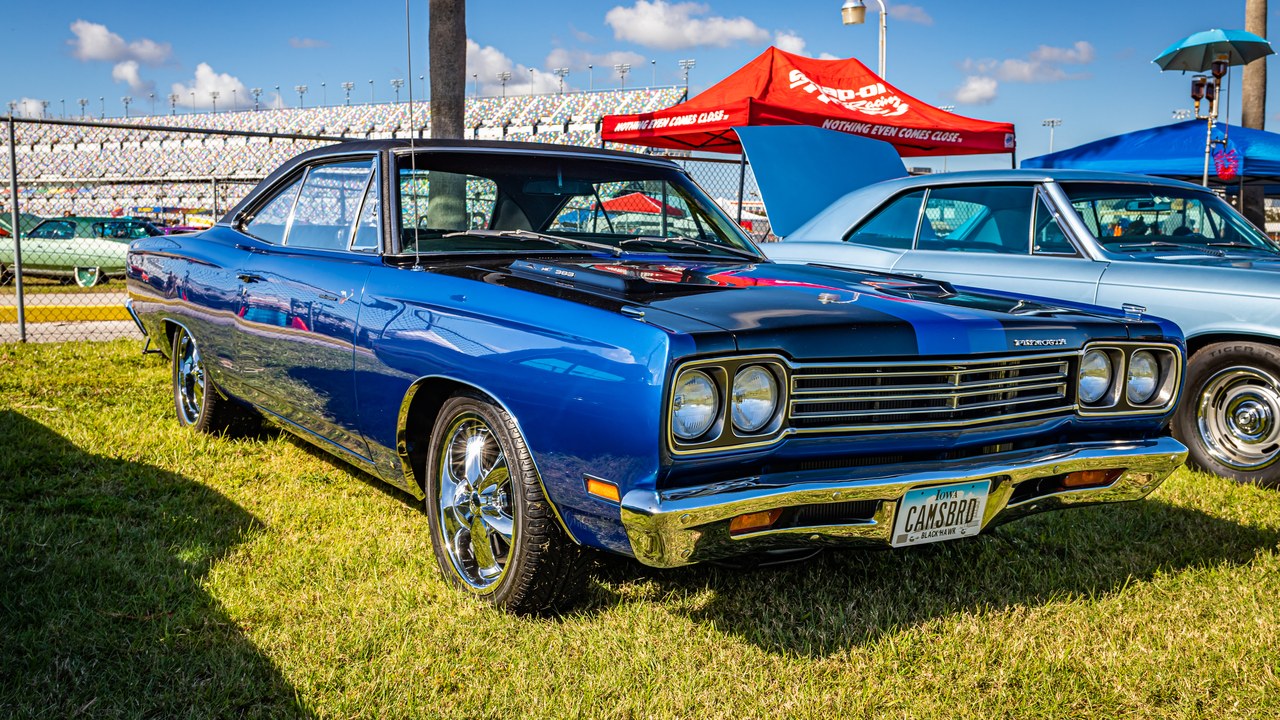
Plymouth built the Road Runner for 1968 as a low-priced intermediate with a big-block as standard equipment. After that, the Plymouth Road Runner engine list changed almost every fall for the next seven model years. Between 1968 and 1974, eight different V8s appeared on the order form. They ranged from a dual-quad 426 Hemi to a two-barrel 318.
Keep one thing in mind while reading the numbers. Ratings through 1971 are SAE gross figures, but those from 1972 onward are SAE net. As a result, you can’t compare the two sets head to head.
1. 1968–1971 383 Four-Barrel, the Base Plymouth Road Runner Engine
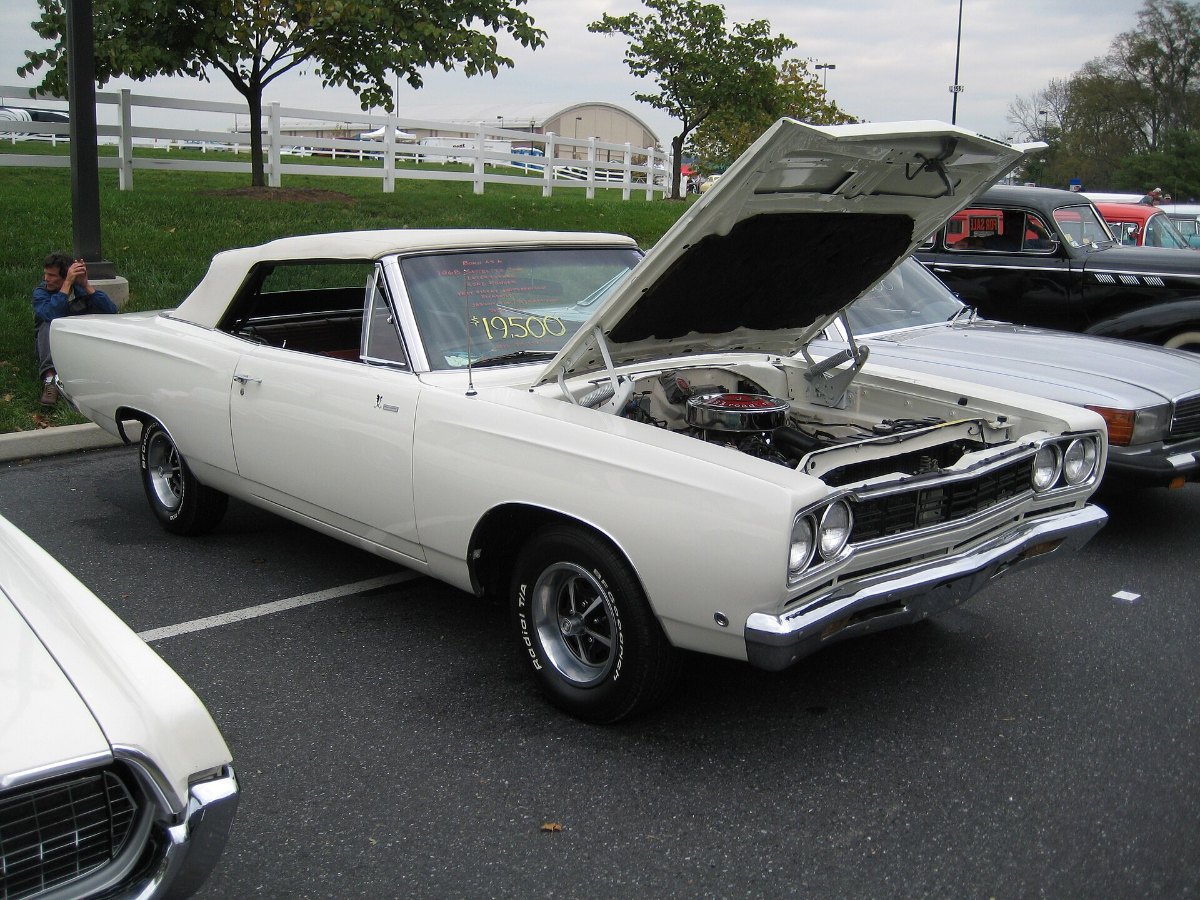
Every Road Runner buyer got the 383 without ticking a box. However, it was not the same 383 found in a Belvedere or Satellite. First, Plymouth gave it the cylinder heads and camshaft from the 440 Super Commando. It also got a larger-runner intake and the 440’s crankcase windage tray. Dual exhaust and an air cleaner with no silencer finished the job. Even so, a 1968 coupe started at $2,896.
Aaron Severson reprinted Car Life’s May 1968 road test, with notes, at Curbside Classic. That test lists the 1968 engine at 335 horsepower at 5,200 rpm and 425 lb-ft at 3,400 rpm. A Carter AVS four-barrel fed it. By 1971, however, the rating had fallen to 300 gross horsepower and 410 lb-ft. That figure comes from the 1971 Road Runner engine table compiled by the UMC muscle-car spec site.
2. 1968–1971 426 Hemi
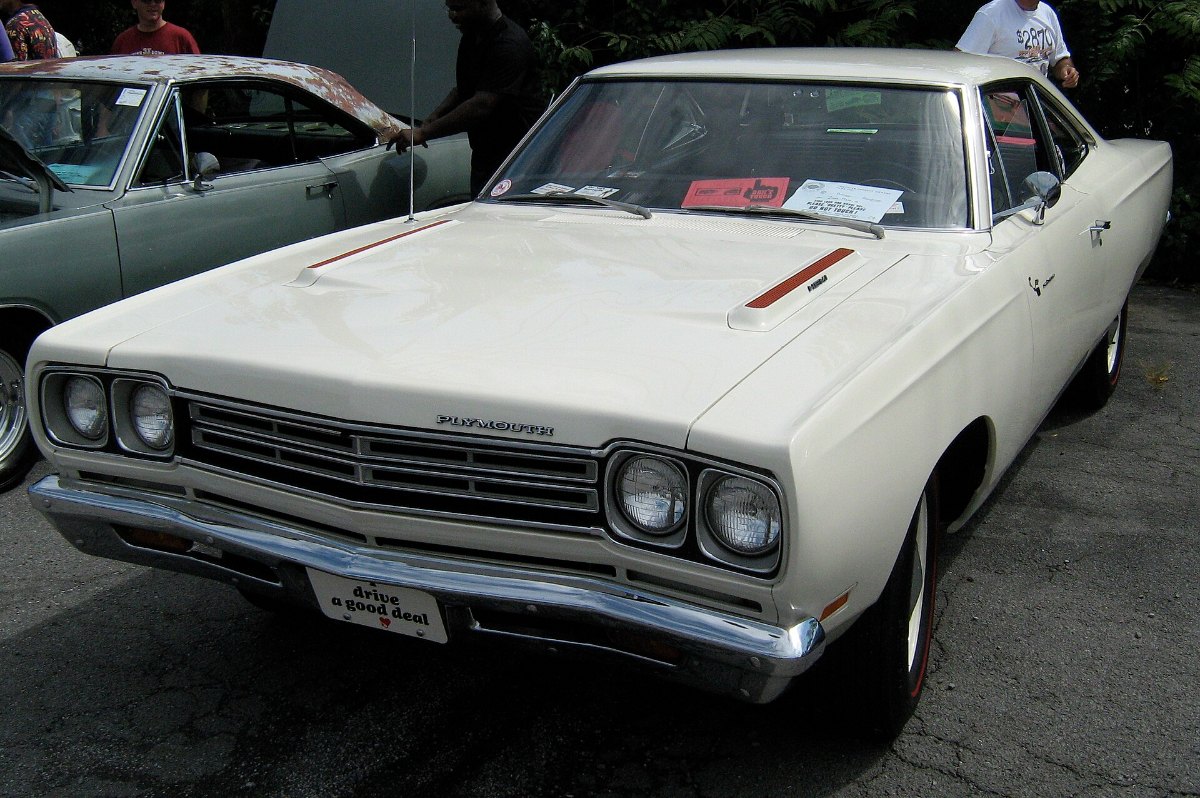
The Hemi was the most expensive Plymouth Road Runner engine on the list. Its rating also never changed during its run in the car. Both the 1968 and 1971 tables list it at 425 horsepower at 5,000 rpm and 490 lb-ft at 4,000 rpm. Two Carter four-barrels fed it.
Car Life figured the Hemi added at least $714 plus required extras. That pushed a stripped-down budget car past $4,000. Meanwhile, Severson’s notes on that road test say he found three conflicting totals for 1968 Hemi Road Runners: 1,009, 1,019 and 1,109. The same page puts total 1968 Road Runner sales at 44,599 cars. So under any of those counts, the Hemi went into a small slice of them, as the 1968 engine listing and the Car Life reprint both show.
3. 1969–1971 440 Six Barrel
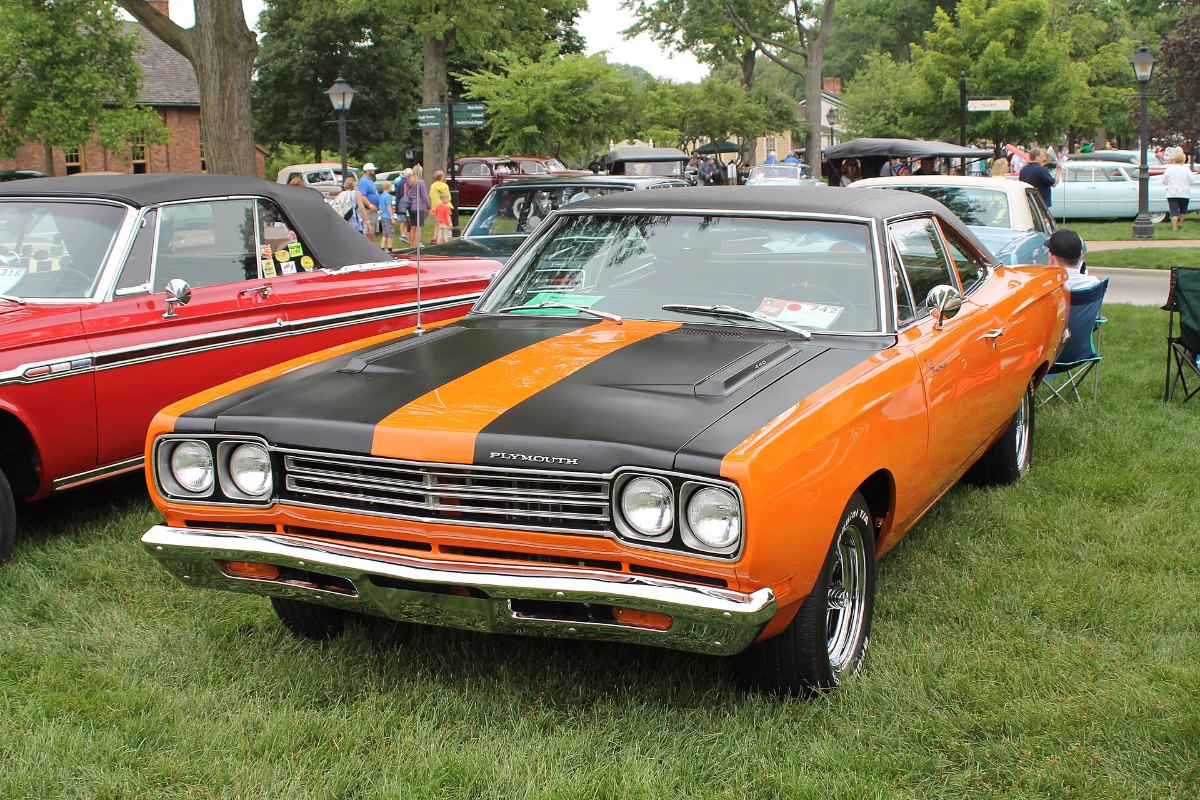
Plymouth answered the price gap between the 383 and the Hemi in February 1969 with the A12 package. It started with a 440 topped by three Holley two-barrels on an Edelbrock aluminum intake. Then came a lift-off fiberglass hood held down with pins, plus 15×6 steel wheels with chrome lug nuts. Plymouth offered it for roughly three months of the 1969 model year.
A history of the A12 at Supercars.net lists the engine at 390 horsepower at 4,700 rpm. It also counts 615 cars built, 388 with four-speeds and 227 with automatics. Afterward, the Six Barrel carried over as a regular option, and the 1971 table lists it at 385 gross horsepower and 490 lb-ft. Plymouth planned it for 1972 too. However, the 1972 listing notes that Plymouth dropped the option before production began.
4. 1971–1973 340 Four-Barrel
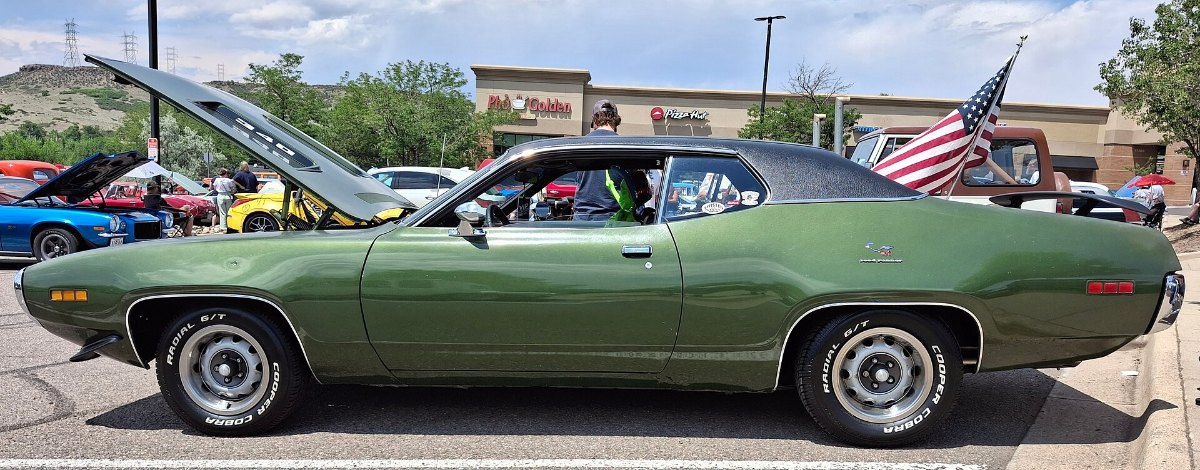
Every Road Runner engine through 1970 was a big-block. That changed with the second-generation body for 1971, which added Chrysler’s 340 small-block to the list. A single Carter four-barrel fed it.
The 1971 table rates it at 275 gross horsepower at 5,000 rpm and 340 lb-ft. Under the new net system, the 1972 figure is 240 horsepower at 4,800 rpm. Later, the 1973 listing repeats 240 horsepower with 295 lb-ft. That was the final year the 340 appeared on the Road Runner’s option sheet.
5. 1972–1974 400 Four-Barrel
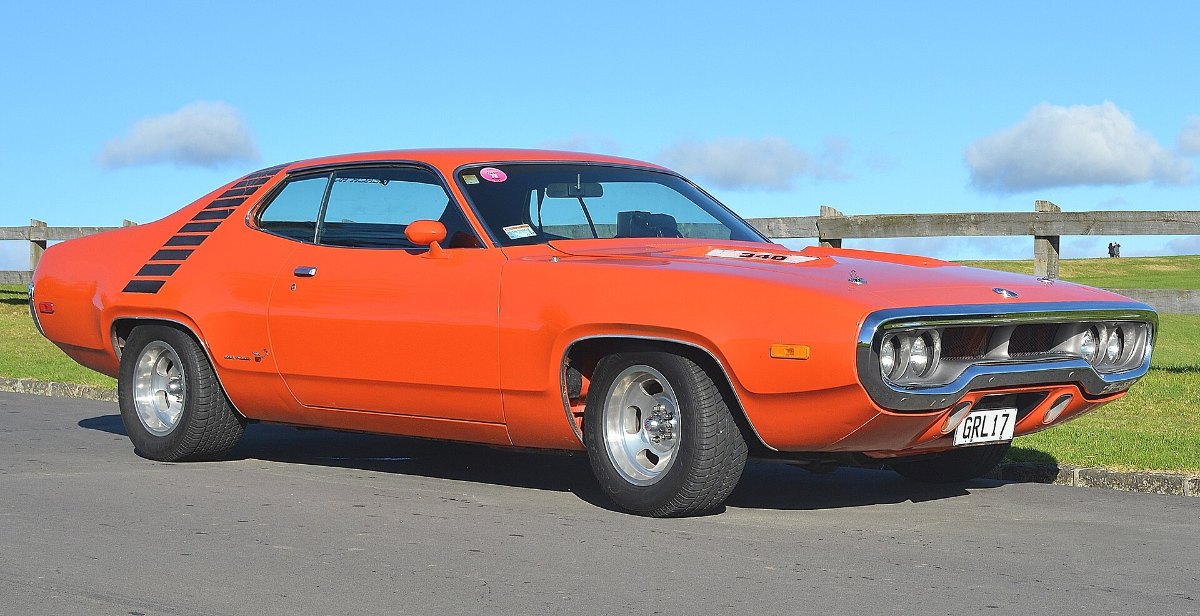
When the 383 left, the 400 took over as the Road Runner’s base engine for 1972. Like the 383 before it, it breathed through a single four-barrel carburetor.
According to the 1972 engine listing, it made 255 net horsepower at 4,800 rpm and 340 lb-ft. It then moved down to optional status for 1973, with a rating of 260 horsepower and 335 lb-ft. Finally, the 1974 listing shows 250 horsepower and 330 lb-ft.
6. 1973–1974 318 Two-Barrel
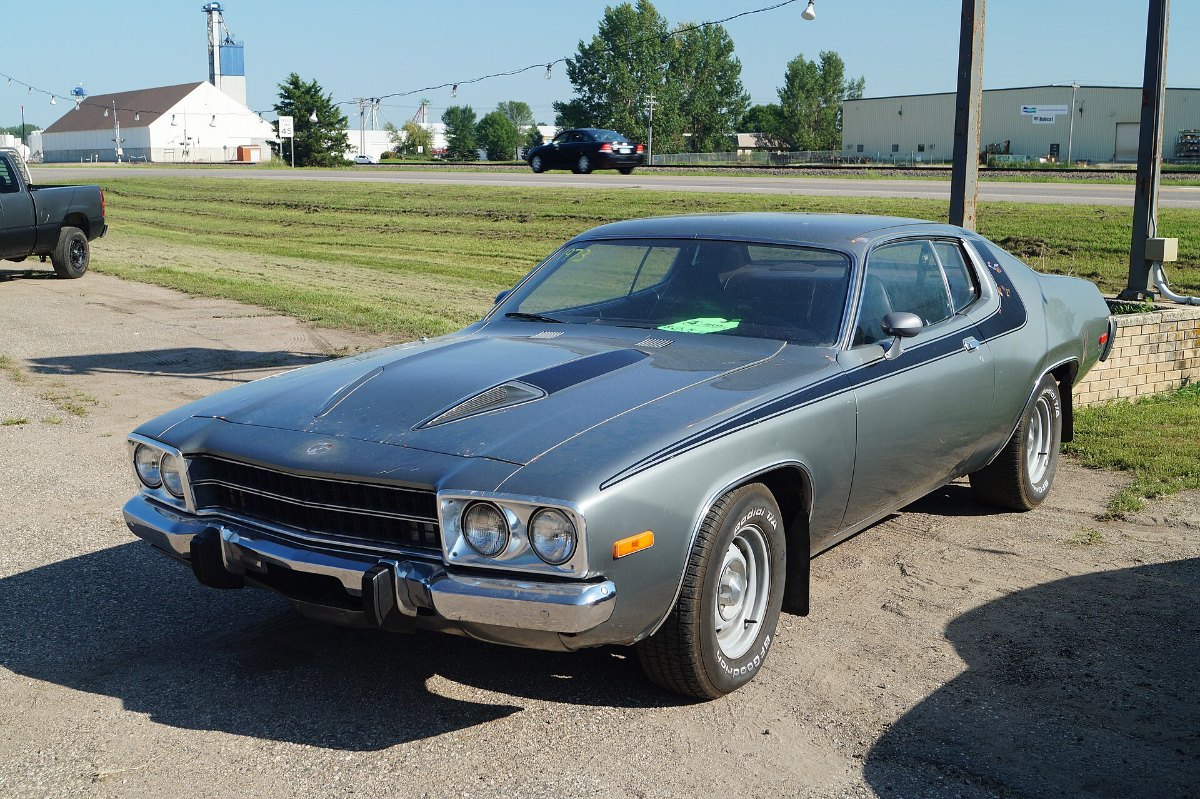
For 1973, the standard engine dropped to the 318 small-block with a Ball and Ball two-barrel. The yearly engine tables rate it at 170 net horsepower at 3,600 rpm and 270 lb-ft at 2,000 rpm. That rating held for both 1973 and 1974.
Buyers took it in large numbers. In fact, writing at Mac’s Motor City Garage, the author estimates that around two-thirds of 1974 Road Runner customers settled for the 318. Yet that base engine would have been out of the question for the car’s 1968 concept.
7. 1974 360 Four-Barrel
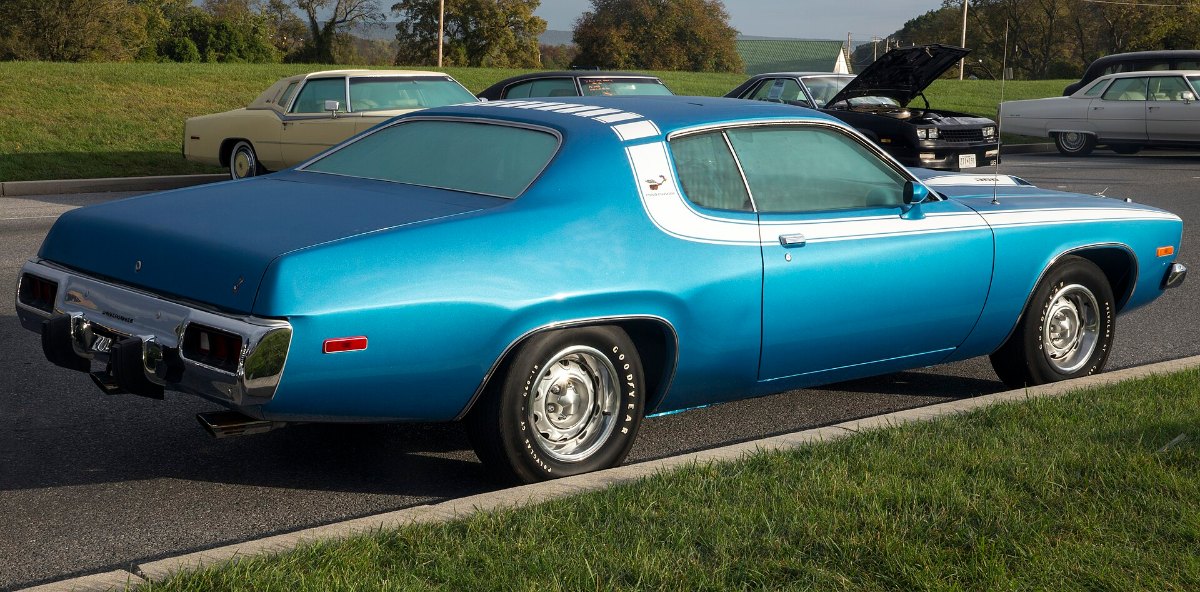
The 340 was gone for 1974, so Plymouth filled the small-block performance slot with the 360. Within the 1968 to 1974 span, it appears on the engine list for that single model year.
The 1974 listing rates the four-barrel 360 at 245 net horsepower at 4,800 rpm and 320 lb-ft at 3,600 rpm. A Carter carburetor fed it. By comparison, the 400 made just 5 horsepower more that year. The four-barrel figure also appears in Muscle Car Club’s year-by-year Road Runner guide.
8. 1972–1974 440 Four-Barrel
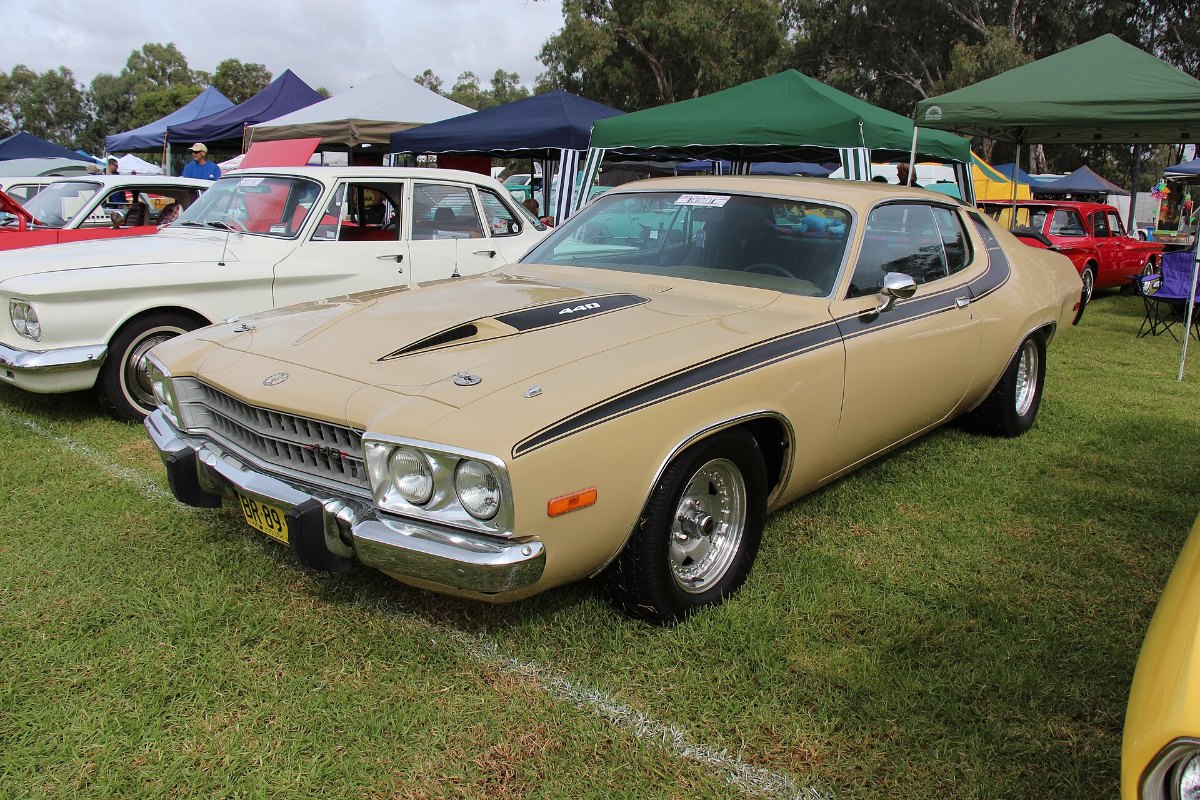
The Hemi and Six Barrel were gone by 1972. From then on, the biggest engine a Road Runner buyer could order was a single four-barrel 440. The 1972 and 1973 listings both rate it at 280 net horsepower at 4,800 rpm. Torque was 375 and 380 lb-ft, respectively.
For 1974, however, the rating slipped to 275 horsepower at 4,400 rpm and 375 lb-ft. Mac’s Motor City Garage reports the 440 cost $255 that year and came only with an automatic. It also went into just 386 Road Runners for 1974.
More from Fast Lane Only
- Unboxing the WWII Jeep in a Crate
- 15 rare Chevys collectors are quietly buying
- 10 underrated V8s still worth hunting down
- Police notice this before you even roll window down
This article was created with the help of AI and was reviewed and edited by Fast Lane Only editors before publication.