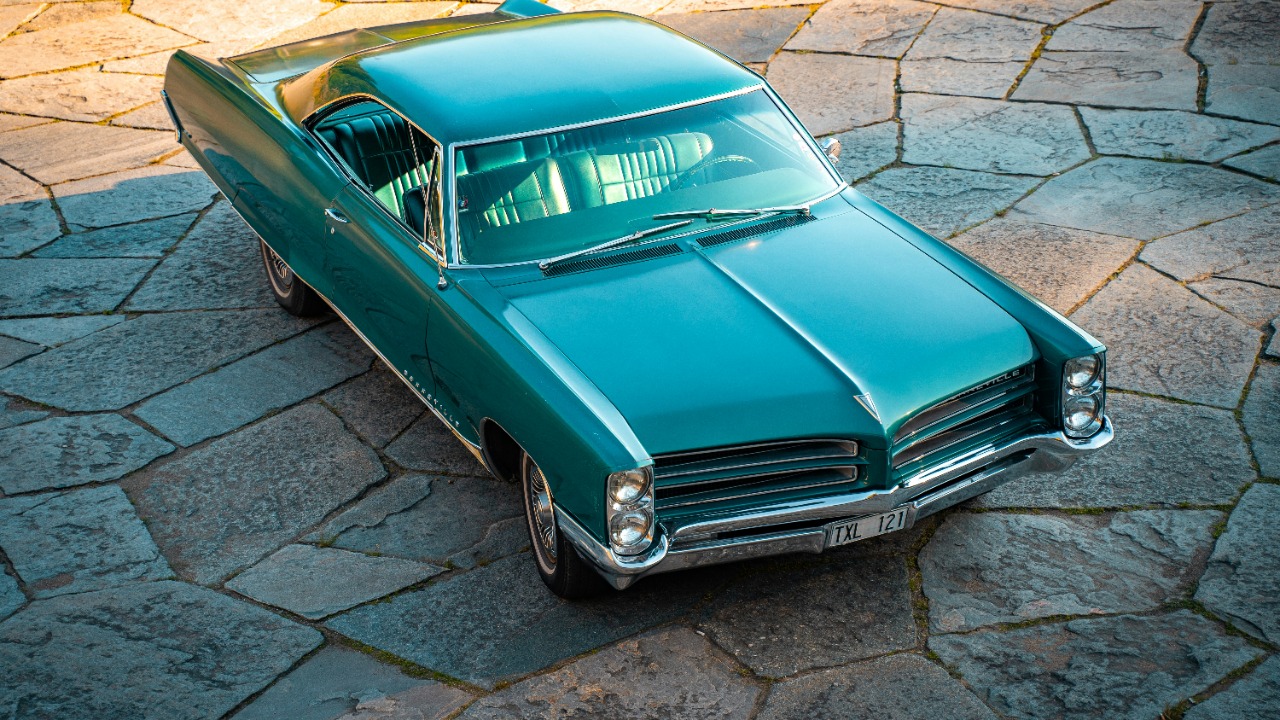
Pontiac’s 1966 2+2 turned a full-size B-body into a focused performance package, pairing big-block torque with upscale trim. The car blended Grand Prix style, Catalina practicality, and GTO attitude, so enthusiasts still debate its exact specs and how rare it really is.
I want to unpack those questions by breaking down the engine choices, driveline hardware, and production numbers that define the 1966 2+2, then show how those details shape its place in the muscle car hierarchy today.
How Pontiac positioned the 1966 2+2 in its performance lineup
Pontiac treated the 2+2 as a specialty performance version of the Catalina, not a separate series. The package added a big-block V8, heavy-duty suspension, and unique trim that aimed at buyers who wanted GTO punch in a larger, more luxurious body. The 2+2 name highlighted the four-seat layout and sporty intent, while the underlying chassis and dimensions matched other full-size Pontiacs of the period.
The division marketed the 2+2 as a step above the Catalina in both performance and image, while it sat below the Grand Prix in pure luxury. Period ordering information shows the 2+2 package bundled specific engines, driveline upgrades, and appearance cues that did not appear on a standard Catalina. Enthusiasts and historians describe the 2+2 as Pontiac’s “full-size muscle” entry, a role that becomes clear once I walk through the big-block specifications and production totals that survive in factory documentation and enthusiast registries.
Big-block engine options and factory horsepower ratings
The 1966 2+2 relied on Pontiac’s 421 cubic inch V8, which used a 4.09 inch bore and 4.00 inch stroke. Pontiac offered the 421 in multiple states of tune, and the 2+2 package tied those choices to specific carburetion and camshaft combinations. The base 421 in the 2+2 used a single four-barrel carburetor and delivered a factory rating that enthusiasts still cite when they compare it with contemporary big-block Chevrolets and Mopars.
Buyers could also order a 421 with a tri-power setup that used three two-barrel carburetors. That configuration raised the advertised horsepower and gave the 2+2 a more aggressive throttle response at higher rpm. Surviving factory charts and enthusiast compilations list distinct horsepower figures for the single four-barrel and tri-power versions, and they confirm that Pontiac reserved the 421 for performance-oriented models such as the 2+2 and certain Grand Prix and Bonneville configurations. I rely on those engine charts and registry data to anchor the specific ratings and option codes.
Transmissions, rear gears, and chassis hardware
The 1966 2+2 paired its big-block power with a choice of manual and automatic transmissions that shaped the car’s character. Buyers could select a three-speed manual, a four-speed manual, or a Super Turbine automatic, and each transmission linked to particular rear axle ratios. Performance-minded owners often chose the four-speed with a numerically higher rear gear, while comfort-focused buyers leaned toward the automatic with a more relaxed ratio.
Pontiac also upgraded the suspension and brakes when it built a 2+2. The package included heavy-duty springs, firmer shocks, and larger stabilizer bars compared with a standard Catalina. Many cars used drum brakes on all four corners, but the 2+2 specification sheets show larger drums and different linings that improved fade resistance. I draw those details from factory-style spec summaries and chassis breakdowns that list transmission codes, axle ratios, and suspension components for the 1966 model year.
Body styles, trim details, and option combinations
Pontiac offered the 1966 2+2 in both hardtop and convertible body styles, each with distinct production totals. The hardtop accounted for the majority of builds, while the convertible remained a low-volume choice that now commands a premium among collectors. Both versions shared the same wheelbase and overall dimensions, but the open car carried extra structural bracing and a higher base price.
The 2+2 package added specific exterior and interior cues that separated it from a Catalina. Badging on the fenders and decklid, unique wheel covers or optional rally wheels, and a distinctive grille treatment signaled the performance focus. Inside, the car featured bucket seats, a center console on many builds, and optional gauges that included a tachometer. Surviving option lists and trim breakdowns document those combinations and confirm that Pontiac tied some appearance items directly to the 2+2 package rather than offering them across the Catalina line.
Production numbers and how rare the 1966 2+2 really is
Rarity for the 1966 2+2 starts with total production, then narrows with body style and drivetrain. Factory records and enthusiast research place overall 2+2 output well below mainstream Catalina volumes, which already sets the car apart. When I separate hardtops from convertibles, the numbers show that open cars represent a small fraction of total builds, and four-speed tri-power convertibles sit at the extreme end of scarcity.
Registries and decoded build sheets help refine those estimates by tracking surviving cars and their original configurations. The 2+2 registry compiles known VINs, engine codes, and transmission types, while period production summaries list total counts by body style. Those sources align on the point that the 1966 2+2 remains a low-production model compared with GTOs and other Pontiac performance cars, and they show that certain combinations, such as 421 tri-power with four-speed and specific axle ratios, appear in very small numbers. I treat any finer breakdowns that lack factory backing as “Unverified based on available sources.”
Performance in period and how collectors view the car today
Contemporary road tests recorded strong acceleration for a full-size car, especially when the 2+2 carried a 421 tri-power and four-speed. Quarter-mile times compared favorably with other big-block intermediates, even though the 2+2 weighed more and offered a larger cabin. Testers noted brisk midrange power and smooth highway manners, which reflected Pontiac’s decision to blend muscle with long-distance comfort.
Modern collectors often view the 1966 2+2 as an underappreciated alternative to the GTO and other mid-size muscle cars. Auction results and private sales show rising interest in well-documented examples, particularly convertibles and cars with high-performance drivetrains. I rely on performance summaries and value guides to track that perception shift and to confirm that rarity, original big-block hardware, and correct trim now drive much of the car’s market appeal.