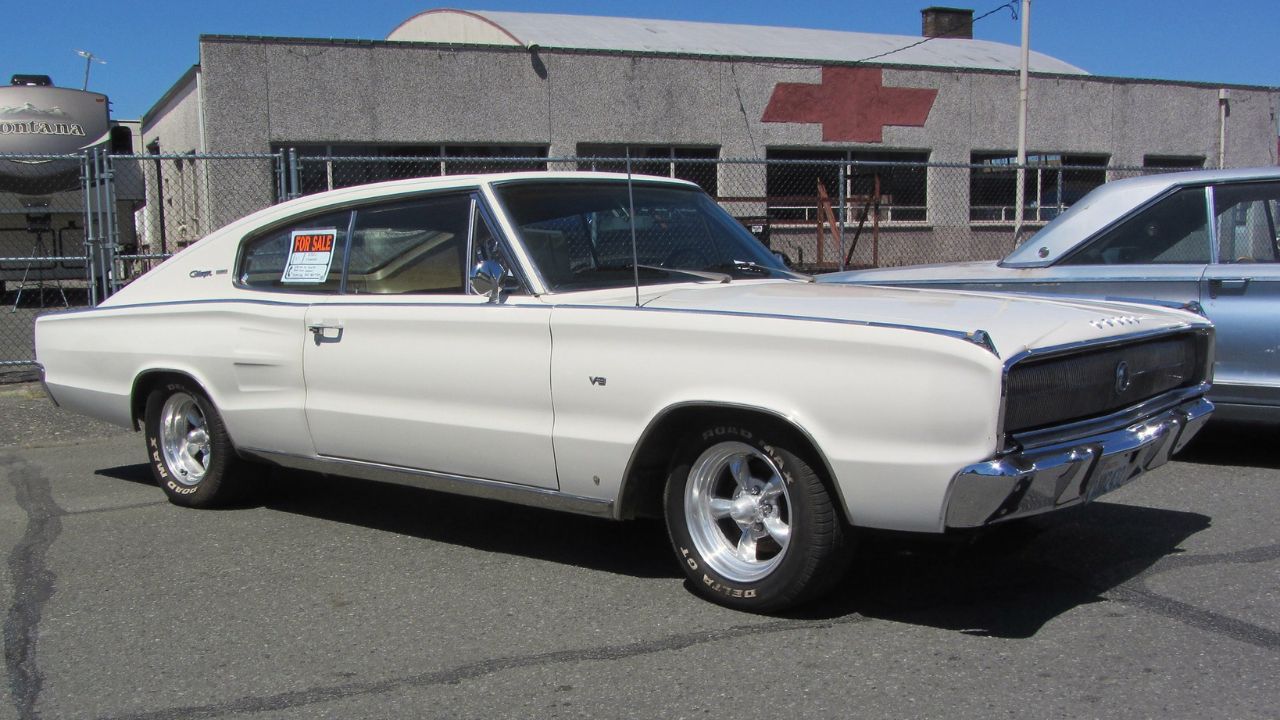
The 1967 Dodge Charger sits at a crossroads in muscle car history, where big-block ambition met real-world budgets. Shoppers then, and collectors now, often weigh the 440 against the legendary Hemi, balancing raw performance against price and practicality.
Both engines turned the fastback Charger into a serious street weapon, yet they delivered very different ownership experiences. Understanding how the 440 and Hemi shaped performance, drivability, and long-term value helps explain why the market still treats them so differently.
Powertrain ladder: from Base V-8 to 440 and Hemi
Engine choices in 1967 created a clear hierarchy that framed the 440 and Hemi as aspirational upgrades. The Charger line started with a Base engine rated at 230 horsepower from 318 cubic inches, then stepped up to 270 horsepower from 383 cubic inches and a hotter 383 with 325 horsepower, which positioned the big-block cars as serious performers before buyers even considered the top options described as New for that year in period guides that list the 230, 318, 270, 383, and 325 figures in detail on valuation tools.
Transmission choices reinforced that ladder and shaped how the 440 and Hemi felt on the road. Reference material on 1967 Dodge Mid, Size Car Facts notes Powertrain Options that included a 3-speed manual as standard on most models, a 4-speed manual for buyers who wanted maximum control, and automatic choices that appealed to drivers who valued comfort over constant shifting.
440 Magnum character: accessible big-block muscle
The 440 Magnum gave the Charger a broad torque curve that suited daily use and highway cruising. Enthusiast analysis on Oct 24, 2023 describes how Both the Chrysler 440 Magnum and the Dodge Hemi sat in the big-block high performance category, yet the 440 relied on a more conventional wedge-head layout that delivered strong low and midrange power without the complexity of hemispherical chambers, a distinction highlighted in a technical comparison on Oct engine insights.
Drivers who chose the 440 usually wanted a blend of speed and livability rather than a pure drag-strip focus. The engine worked well with the 3-speed or 4-speed manual gearboxes described in the Powertrain Options lists, and it also paired comfortably with automatics, which meant many 440 Chargers could handle commuting, long trips, and weekend racing without constant tuning or race-gas budgets.
Hemi mystique: peak performance and racing pedigree
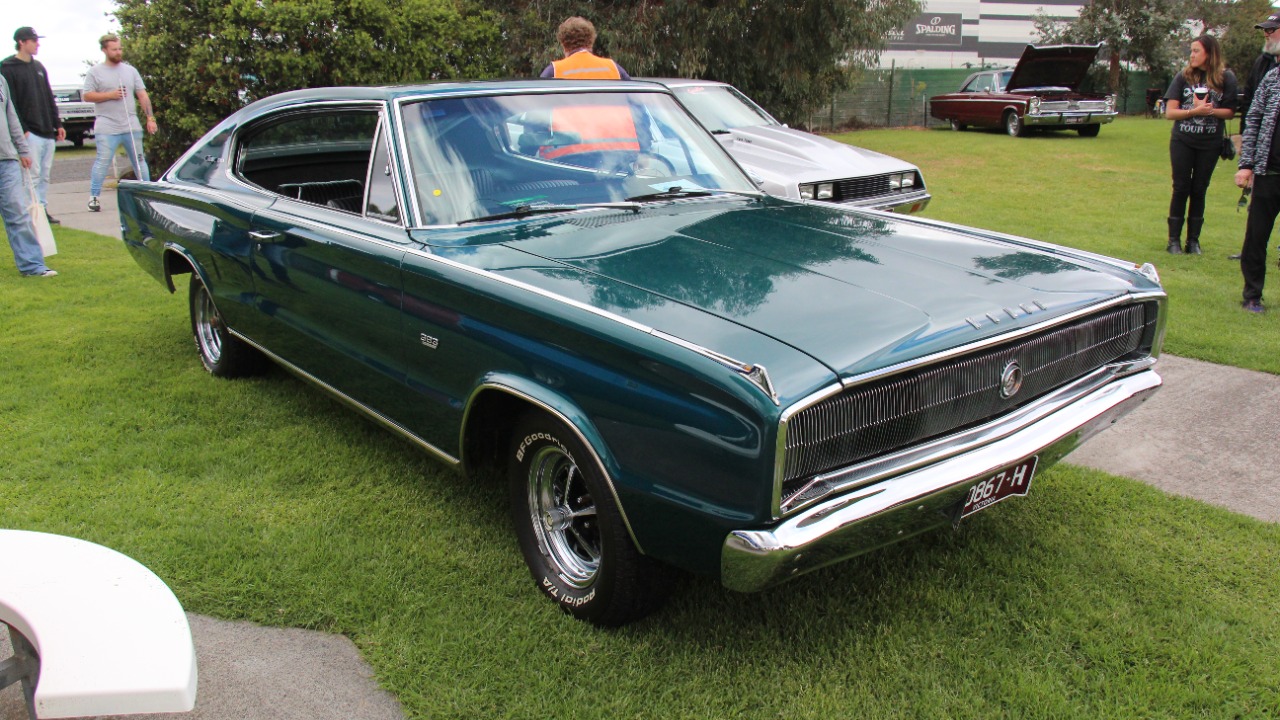
The Hemi version of the Charger carried a different aura that leaned heavily on racing success and marketing drama. Corporate storytellers later highlighted how the Dodge Charger, promoted in period advertising as a balanced automobile engineered for the enthusiast, gained extra credibility when fitted with the Hemi, a narrative revisited on May 20, 2022 in a retrospective about Custer’s HEMI Charger that underscores how the Dodge Charger carried that image into later seasons.
Real-world ownership of a Hemi Charger demanded more commitment than a 440 car. The engine favored higher revs, tighter tolerances, and more frequent attention, and it often worked best with the heavy-duty 4-speed manual or beefed-up automatic combinations that appeared in the same Powertrain Options lists, which meant buyers effectively signed up for a race-bred package that traded some comfort and simplicity for bragging rights and quarter-mile potential.
Performance on the street and strip
On the street, the 440 Charger usually felt quicker in everyday traffic despite the Hemi’s higher ultimate ceiling. The 440’s torque arrived earlier in the rev range, so drivers could surge ahead from low speeds without constant downshifts, especially when paired with the 3-speed manual or automatic setups documented in the Dodge Mid, Size Car Facts Powertrain Options, while Hemi owners often needed shorter gears and more throttle to reach the engine’s sweet spot.
At the drag strip, the Hemi’s design paid off when conditions and tuning aligned. Period racers exploited the hemispherical chamber’s breathing advantage, which allowed more airflow at high rpm than the wedge-head 440, a difference that the Oct comparison of Both big-block engines frames as a trade between complexity and peak output, and that trade helped Hemi Chargers dominate class racing while well-prepared 440 cars remained formidable but slightly less explosive at the very top end.
Pricing, collectability, and today’s market calculus
Original pricing placed the 440 and Hemi at very different points on the Charger order sheet, and that gap widened over time in the collector market. Valuation references for the 1967 Charger show how the Base 318 and mid-level 383 cars established an affordable entry point, while the New for big-block performance options, including the 440 and Hemi, climbed sharply in cost and rarity, a pattern reflected in modern price guides that track how those 230, 318, 270, 383, and 325 horsepower configurations compare with the top engines on valuation tools.
Collectors today usually treat the Hemi Charger as a blue-chip asset and the 440 Charger as a more attainable way into serious Mopar performance. Reference material on Dodge Mid, Size Car Facts and Powertrain Options confirms how few buyers originally stepped up to the most extreme packages, which helps explain why Hemi cars now command a premium while 440 examples still offer strong performance, authentic period hardware, and a more manageable price for enthusiasts who want to drive their cars rather than lock them away.