Porsche has just recorded its sharpest annual sales decline since the aftermath of the global financial crisis, as a collapse in Chinese demand and a stuttering electric vehicle rollout cut into volumes. Global deliveries fell by double digits in 2025, a jarring reversal for a brand that has spent the past decade as the profit engine of the German premium sector. The setback exposes how dependent the sports car maker has become on a handful of key markets and models, and how quickly that balance can shift when one of them falters.
At the same time, the numbers reveal a company in transition rather than in free fall. Record demand for the 911 and solid growth in North America show that Porsche’s core appeal remains intact, even as it wrestles with regulatory hurdles, changing consumer tastes and intensifying competition in China. The question now is whether management can pivot fast enough to protect margins while reshaping the line-up for a more volatile global market.
The steepest slide since the financial crisis
Global deliveries tell the story with brutal clarity. Porsche handed over 279,449 cars to customers in 2025, which the company itself describes as a 10 percent decline from the previous year. That drop, the largest in sixteen years, takes volumes back toward levels last seen when the global financial crisis was still rippling through the industry. For a manufacturer that has grown accustomed to setting new records almost annually, a double digit contraction is more than a cyclical wobble, it is a strategic warning light.
Official communications from Porsche AG frame the setback within a broader emphasis on “value-oriented” sales rather than pure volume, and there is some truth in that positioning. The company stresses that its priority is a profitable derivative mix rather than chasing every possible unit, a stance that has long underpinned its industry-leading margins. Yet the scale of the decline, and the fact that it follows a period of strong demand, underlines that external pressures, from regional slowdowns to regulatory disruptions, have played a decisive role in pulling deliveries down.
China’s abrupt chill and a shifting global map
The most dramatic reversal has come in China, which only a few years ago looked like an inexhaustible growth engine for Stuttgart. In its own breakdown of regional performance, Porsche reports that In China, 41,938 cars were delivered to customers in 2025, a fall of 26 percent compared with the prior year. The company cites “challenging market conditions” and lingering effects from earlier pull-forward demand as key reasons for the slump, but the headline is simple: the market that once underwrote Porsche’s expansion is now a drag on its global totals.
That reversal is reshaping the brand’s geographic balance. While China has cooled, North America has tightened its grip as Porsche’s most important region. Company data and independent analysis highlight that the United States set a new all-time record for deliveries in 2025, with the broader North American market retaining its position as the top destination for the brand’s cars. One detailed breakdown notes that 86,229 cars were delivered in the United States, a figure described as “pretty much identical” to 86,541 the year before, and more than Germany, at 29,968, and China, at 41,938, combined. That pivot underscores how reliant Porsche has become on affluent buyers in the United States to offset weakness in Asia.
Model mix: 911 resilience versus SUV fatigue
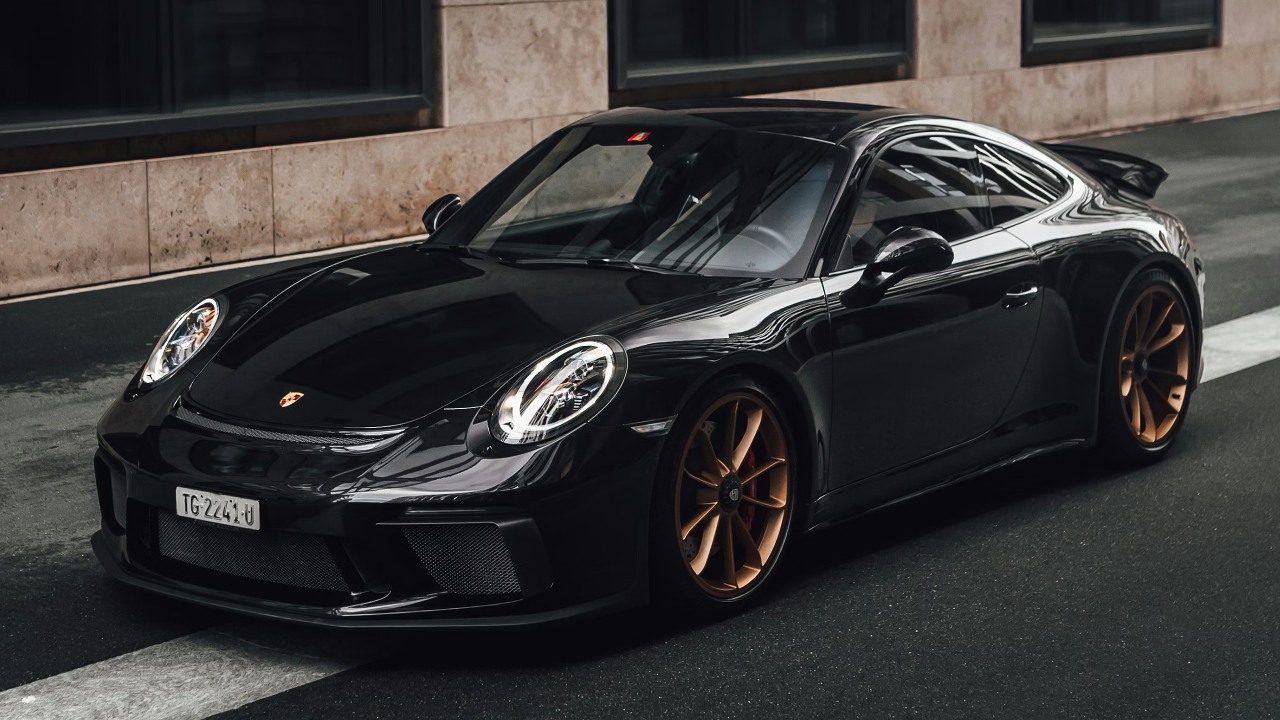
Beneath the regional swings lies an equally important shift in the model mix. Porsche confirms that the 911 sports car icon set another delivery record in 2025, defying the broader downturn. That performance is remarkable for a model that has been on sale in various generations for six decades, and it reinforces the idea that Porsche’s purest sports car remains its most resilient asset. Enthusiast demand for high performance combustion engines, particularly in markets like the United States, is still strong enough to carry the brand’s halo product even as other segments soften.
The picture is more complicated for the SUVs that have long been Porsche’s volume backbone. The company notes that the Macan, with 84,328 deliveries, remained its most popular model line, but it also acknowledges that the transition to a new generation and the ramp-up of electric variants have weighed on volumes. Independent analysis points out that while the Macan and Cayenne once powered relentless growth, they are now more exposed to competition from both premium European rivals and aggressive Chinese brands. The fact that global sales fell to 279,449 even as the 911 hit a record suggests that fatigue in the SUV portfolio, combined with regional headwinds, is now a material constraint on growth.
Electric ambitions collide with regulatory and market headwinds
Layered on top of the regional and model dynamics is a more structural challenge: the uneasy trajectory of Porsche’s electric strategy. Reporting on the 2025 results highlights that weak demand for battery models, particularly in China, contributed to the overall decline. The company has invested heavily in electric versions of the Macan and in the Taycan line, positioning them as core pillars of its future portfolio. Yet the sales data indicate that customers in key markets have been slower to embrace these cars than planners had hoped, especially as local competitors in China flood the market with aggressively priced alternatives.
Regulatory and technical issues have compounded those market realities. Industry coverage notes that cybersecurity requirements in China disrupted approvals for certain imported models, affecting availability and delivery timing. For a brand that relies on a tightly choreographed global supply chain, any delay in homologation or software certification can quickly translate into lost sales. When combined with a more cautious consumer mood around electric vehicles, particularly amid concerns about charging infrastructure and residual values, those hurdles have left Porsche’s EV rollout looking more fragile than its combustion business.
Strategic crossroads: protecting margins while chasing growth
All of this leaves Porsche at a strategic crossroads. On one side, the company can point to robust demand in North America, record 911 sales and a still enviable global volume of 279,449 cars as evidence that its core proposition remains compelling. On the other, the 10 percent global decline, the 26 percent plunge to 41,938 deliveries in China and the pressure on electric models show that the formula that worked so well over the past decade will not automatically carry into the next. Management’s emphasis on a “value-oriented derivative mix” signals that profitability will remain the guiding star, even if that means accepting lower volumes in the short term.
From my perspective, the path forward will hinge on three intertwined moves. First, Porsche must stabilise its position in China, whether through deeper localisation, sharper pricing or a more tailored product strategy that can withstand local competition and regulatory shifts. Second, it needs to refine its electric offering so that EVs complement rather than cannibalise its combustion icons, leveraging the 911’s enduring appeal to keep the brand aspirational while new technologies mature. Third, it has to nurture the markets that are still growing, particularly the United States, without becoming so dependent on them that another regional downturn triggers a repeat of 2025’s “worst since 2009” shock. The latest numbers are a reminder that even the most profitable sports car maker is not immune to global turbulence, and that the next phase of its story will demand as much agility in strategy as in engineering.
More from Fast Lane Only