Owning an older muscle car can be a deeply rewarding experience. However, maintaining its pristine condition, particularly against the relentless threat of rust, requires dedication and knowledge. Understanding how to prevent rust long-term will ensure your classic muscle car remains a cherished possession for years to come.
Understanding the Causes of Rust in Muscle Cars
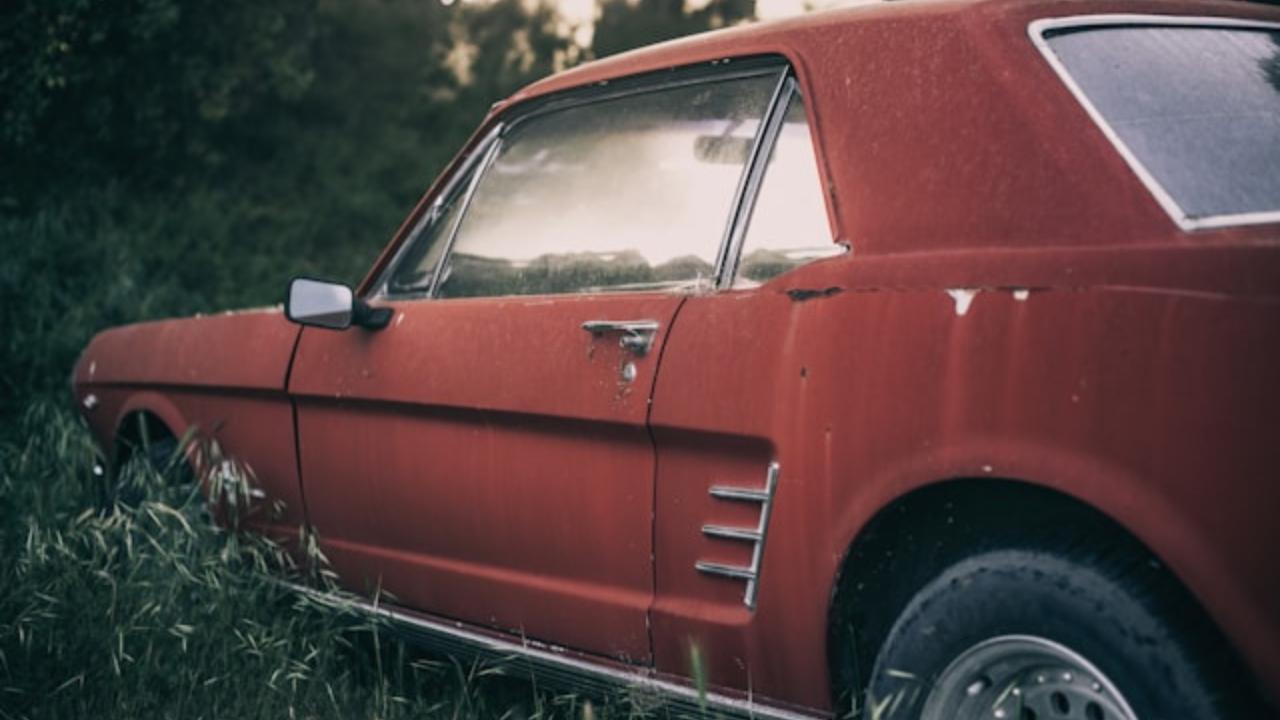
At the heart of rust formation is a chemical reaction between iron, oxygen, and moisture. This oxidation process, especially prevalent in older vehicles like a 1969 Ford Mustang, leads to the deterioration of metal components. The combination of road salt, moisture, and oxygen creates the perfect environment for rust to thrive. Understanding these factors is essential to implementing an effective rust prevention strategy.
Muscle cars often have certain areas that are more susceptible to rust than others. These include the undercarriage, wheel wells, and around the edges of doors and windows. For instance, a 1970 Chevrolet Camaro might show signs of rust in the trunk area or the lower sections of the doors. Regular inspections of these vulnerable areas can help catch early signs of rust before they become extensive.
Environmental factors also play a critical role in rust development. Cars stored in humid or coastal regions are at a higher risk. For example, a 1972 Dodge Challenger stored near the ocean might experience accelerated rusting due to salt in the air. It’s important to consider climate and storage conditions when planning long-term preservation strategies.
Preventive Maintenance Techniques
One of the simplest yet most effective ways to prevent rust is by keeping the car clean. Regular washing and thorough drying can significantly reduce moisture buildup, which is a key contributor to rust. A 1968 Pontiac GTO, for instance, benefits greatly from a routine wash, especially after being driven on salted roads or in rainy weather.
Applying protective coatings is another crucial step in rust prevention. Products such as wax, sealants, and specialized oils provide a barrier against moisture and air. Regular application of these products can keep a 1971 Plymouth Barracuda looking new. Many enthusiasts also recommend using ceramic coatings for added protection and a longer-lasting shine.
Routine inspections are essential for early rust detection. Setting up a regular check-up routine, perhaps every quarter, can help identify and address any emerging rust spots. This proactive approach ensures that small issues do not escalate into major problems, preserving the car’s integrity and value.
Storage Solutions for Rust Prevention

Choosing the right storage solution is crucial for long-term rust prevention. Indoor storage, especially in a climate-controlled environment, offers the best protection against the elements. A 1967 Chevrolet Impala, for example, is much better preserved in a garage that maintains consistent humidity and temperature levels. Long-term storage without control can lead to unpleasant surprises.
Conversely, outdoor storage poses significant risks. Exposure to rain, snow, and fluctuating temperatures can accelerate rusting. If indoor storage isn’t an option, using high-quality car covers and dehumidifiers can provide some level of protection. A 1974 Pontiac Firebird parked outdoors would benefit from these additional measures to combat the elements.
Climate-controlled garages are ideal as they offer stable conditions that prevent moisture buildup. These garages can be particularly beneficial for collectors who own multiple vehicles, such as a 1969 Dodge Charger and a 1970 Oldsmobile 442. By maintaining optimal environmental conditions, the risk of rust is significantly reduced.
Repair and Restoration Options
When rust does occur, professional rust removal might be necessary. Experts can assess the extent of the damage and recommend appropriate treatments. For a well-preserved 1965 Shelby GT350, seeking professional help can ensure the car retains its value and appearance. The process may involve sandblasting, chemical treatments, or cutting out severely corroded areas.
For minor rust spots, do-it-yourself (DIY) methods can be effective. Simple tools and products available at automotive stores can help address small patches. For example, using rust converters and primer on a 1966 Ford Fairlane can stop rust in its tracks. However, it’s important to follow instructions carefully to avoid further damage.
Extensive rust damage might necessitate a full restoration project. This can be a rewarding endeavor for a car like a 1970 Buick GSX, bringing it back to its former glory. Restoration not only addresses rust but also revitalizes the car’s overall appearance and performance. Considerations include the cost, availability of parts, and the time investment required.
Preservation Products and Innovations
The market for rust prevention products is ever-evolving, with new technologies making it easier to protect classic cars. Recent advancements have introduced longer-lasting coatings and more effective rust inhibitors. For instance, using advanced rust-proofing sprays on a 1969 Pontiac GTO can offer added peace of mind.
Owatrol is a popular choice among classic car enthusiasts for its effectiveness in preventing rust. This treatment has been used successfully on numerous vehicles. For more insights into preservation methods, consider exploring preservation methods discussed by classic car communities.
Real-world examples of successful rust prevention can be inspiring. Take, for instance, a 1973 Ford Torino that remained rust-free for decades due to meticulous care and the use of innovative products. These success stories highlight the importance of staying informed about the latest preservation techniques and products available.
Preserving an older muscle car against rust requires a combination of preventive measures, proper storage, and timely repairs. With the right knowledge and tools, maintaining the beauty and functionality of a classic vehicle like a 1969 Chevrolet Caprice is not only possible but also immensely satisfying. For those considering entering the world of classic cars, a comprehensive buying guide can provide valuable insights into what to look for and how to start on the right foot.